.png)
 2 hours ago
9
2 hours ago
9
Race-swapping fictional characters has somehow become one of the biggest talking points in Hollywood. Whether it’s Disney princesses or comic-book heroes, changing the characters’ race from the source material almost always leads to online discourse.
Sometimes the discussion could be rooted in nostalgia and attachment to the visuals, other times it is simply racism. So, here are the biggest race-swaps in movie and TV shows, ranked, based on cultural impact!
10 Snow White in Snow White (2025)
Rachel Zegler’s casting as Snow White in Disney’s live-action remake instantly became one of the most controversial race-swaps of the decade. When Disney announced that the Colombian-American actress is set to play the titular princess, the internet exploded in debates!
What didn’t help the movie’s case is how everyone hated on it, Zegler’s political controversy, and Gal Gadot’s casting. But to the Snow White actress’ credit, she was praised for her vocal performance and screen presence by reviewers who disliked the film overall.
Where to watch (USA): Prime Video
9 Motoko Kusanagi in Ghost in the Shell (2017)
 A still from Ghost in the Shell (2017) | Credits: Paramount Pictures
Though Scarlett Johansson is an incredibly talented actress, her casting as Major Motoko Kusanagi became one of the most infamous race-swap controversies. The movie is based on a legendary Japanese manga, so the creators were accused of whitewashing the source material. Many believe the role should have gone to an Asian actress instead.
The movie had a twist centered on the very issue, but people felt like this just made it weirder. The controversy overshadowed the visuals and Johansson’s performance, and Ghost in the Shell turned out to be a box-office disappointment.
Where to watch (USA): Prime Video
8 House Velaryon in House of the Dragon
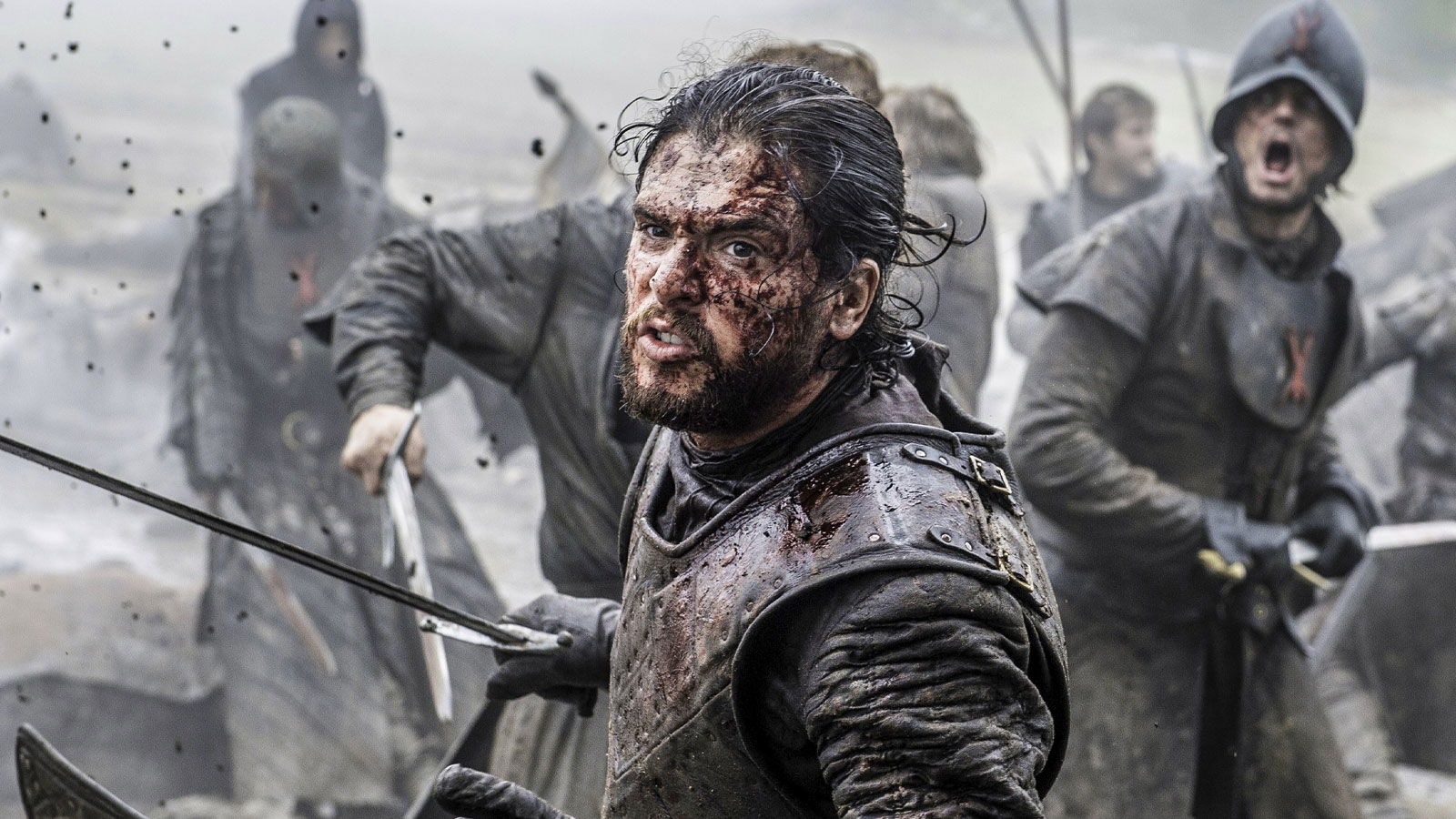
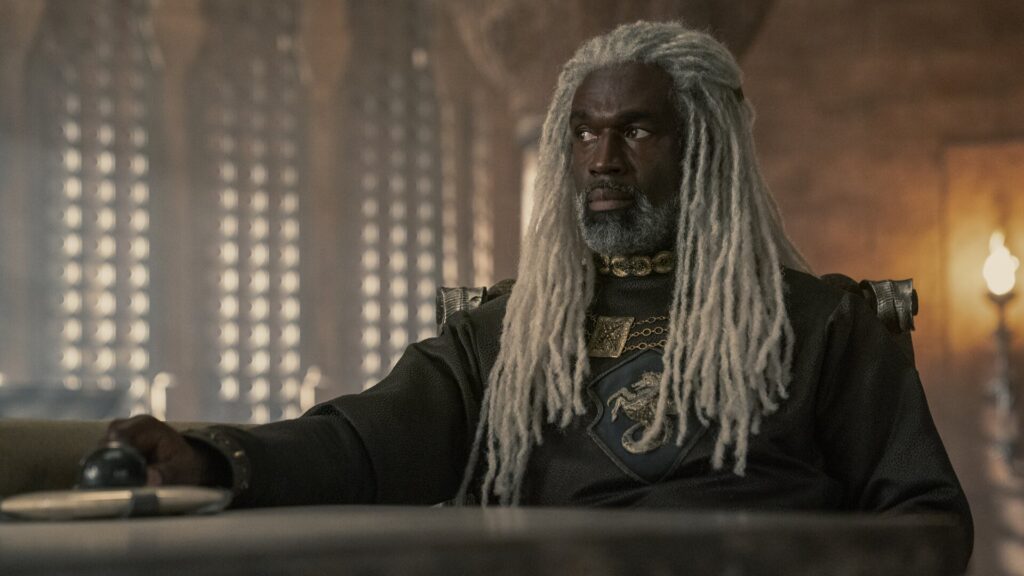 A still from House of the Dragon | Credits: HBO
Game of Thrones had very few prominent Black characters, but that changed in House of the Dragon, the prequel show. After the series premiered, House Velaryon, having Black actors, became one of the most widely discussed fantasy race-swaps. While some fans said that it contradicted the established lore, others were in favor of showing diversity in a major fantasy franchise. The race-swap actually strengthened the central storyline around legitimacy and inheritance, so overall, it was a successful creative decision.
Where to watch (USA): HBO Max
7 Snape in HBO’s Harry Potter
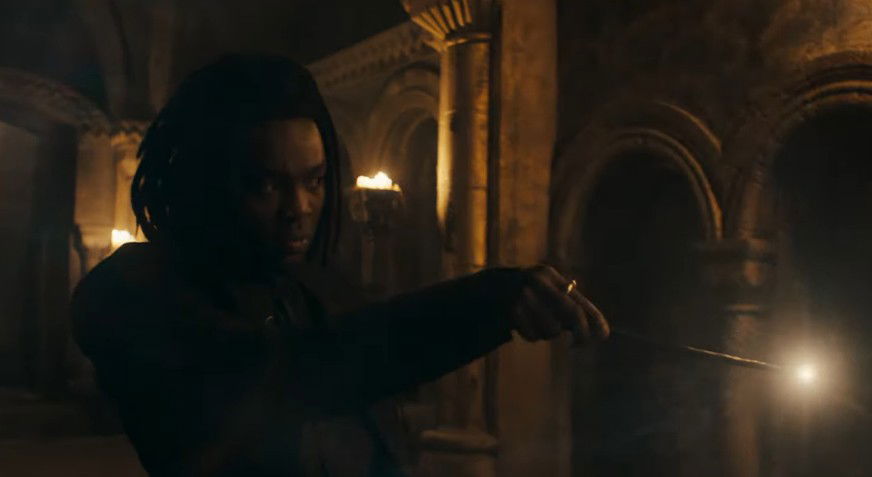 A still from HBO’s Harry Potter | Credits: HBO
Paapa Essiedu’s casting as Severus Snape is somehow a major controversy. Snape is a White man in both the books and the movies, so casting a British-Ghanaian actor for the role is making headlines. What’s worse is that Essiedu is already being compared to late Alan Rickman, who is ‘book accurate,’ according to people.
But here’s the thing, this casting decision does alter the meaning of a key storyline like James Potter bullying Snape during their Hogwarts years. I believe we owe Essiedu more grace so he has the space to create his own impact as Snape.
Where to watch (USA): HBO Max, releasing December 25, 2026.
6 Ariel in The Little Mermaid
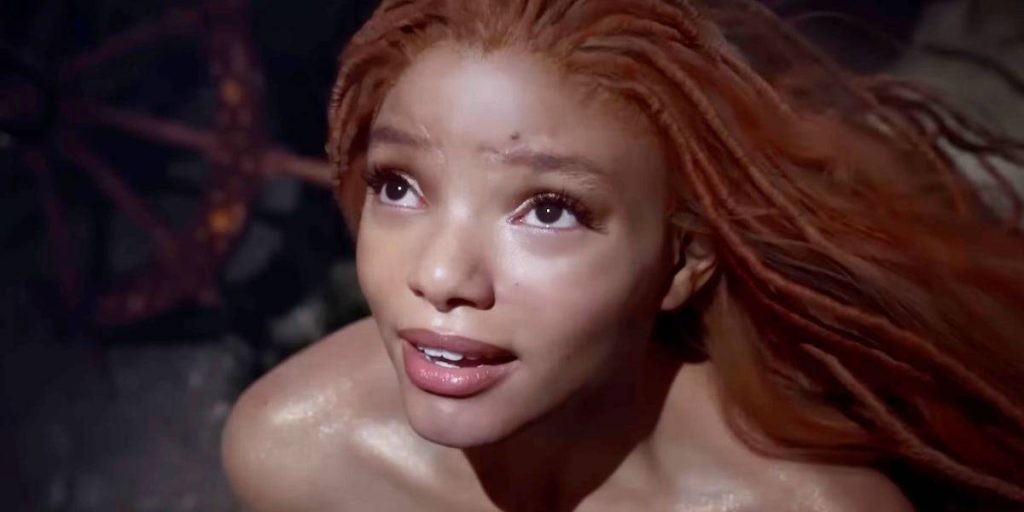 A still from The Little Mermaid (2023) | Credits: Walt Disney Pictures
I was happy to see so many Black girls surprised and cheerful about Ariel being Black, because representation indeed matters! Obviously, the internet did its thing by opposing the casting, but race-swapping in this case makes no difference to the story. Plus, Halle Bailey had the voice and the screen presence to play Ariel, and after the live-action version was released, her performance was praised. Over time, Bailey being Ariel became a culturally significant example of modern race-swapped storytelling.
Where to watch (USA): Disney+
5 Helen of Troy in The Odyssey
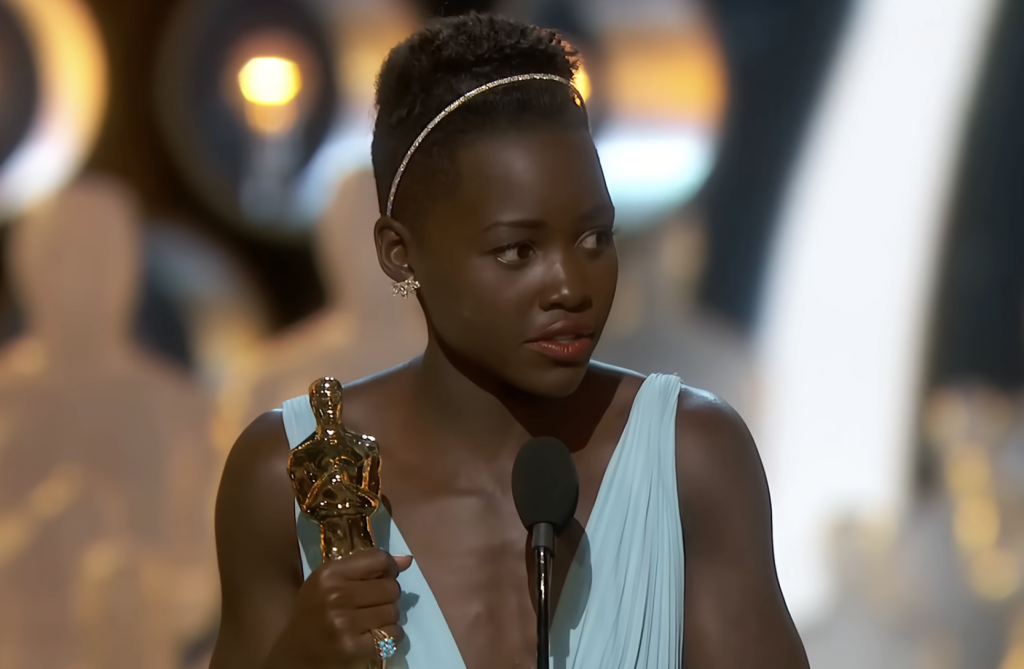 Lupita Nyong’o | Credits: Oscars / @Oscars / YouTube
Lupita Nyong’o has been cast as Helen of Troy and Clytemnestra in Christopher Nolan’s The Odyssey. In Greek mythology, Helen was one of the most iconic beauty figures. So without missing a beat, the internet racists came crawling out, questioning Nyong’o’s beauty. But the outrage has only amplified interest in the movie, and I can’t wait to see how the actress shuts up all the haters after The Odyssey releases.
Where to watch (USA): Releasing on July 17, 2026, in theaters.
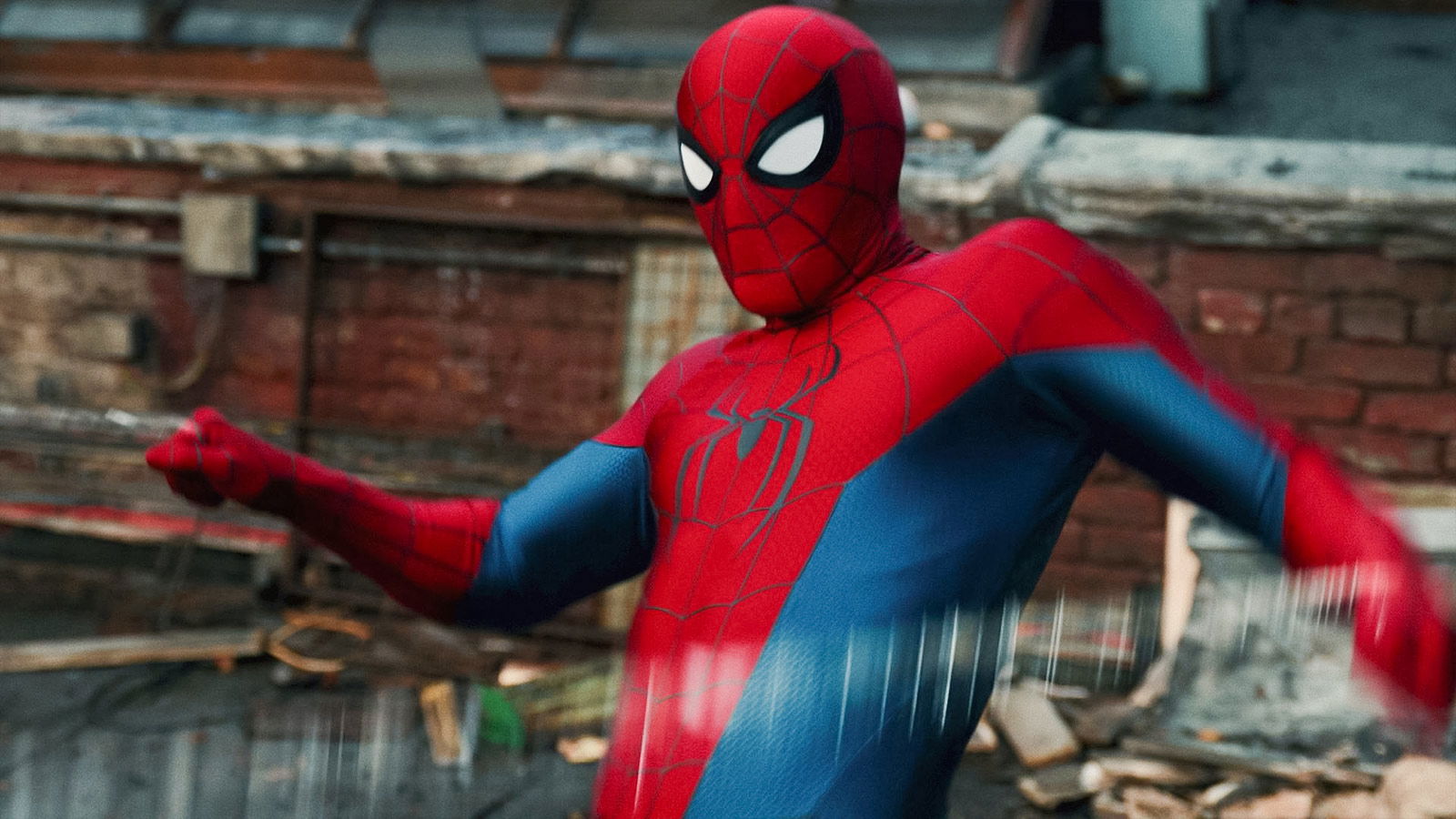
4 MJ in Spider-Man: Homecoming
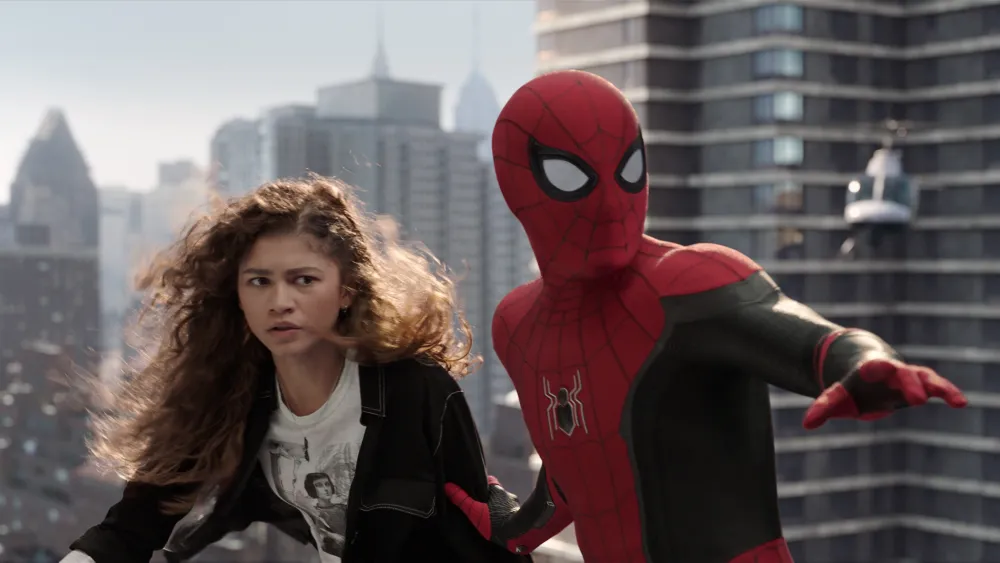 A still from Spider-Man: Homecoming | Credits: Marvel Studios
MJ, Mary Jane Watson, has been traditionally depicted as a white woman with bright red hair and green eyes. Zendaya played MJ, Michelle Jones Watson, in Marvel’s new reinvention that switched her to a dry-humored, introverted, and intellectual teenager. Zendaya’s chemistry with Tom Holland was one of the most defining parts of their Spider-Man saga, making it the most successful race-swap in the MCU.
Where to watch (USA): Releasing on July 31, 2026, in theaters.
3 Nick Fury in the MCU
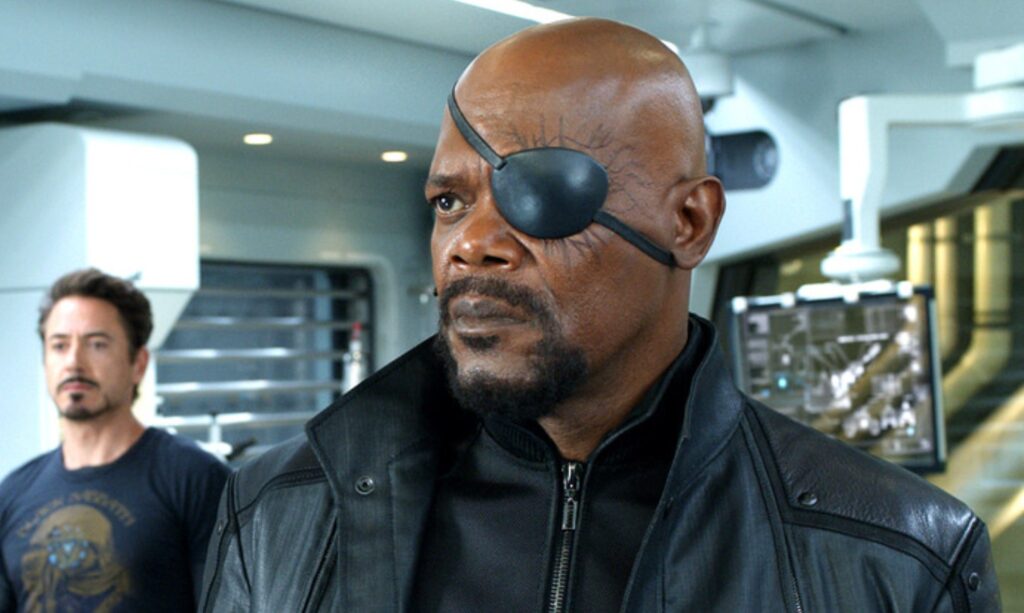 A still of Nick Fury in the MCU | Credits: Marvel Studios
Samuel L. Jackson’s Nick Fury is widely considered one of the most successful race-swaps in modern blockbuster history. So many younger fans don’t even realize that he, the original comic-book version of Fury, was white. Unlike many of the castings in this list that sparked backlash, the audience instantly embraced Jackson’s version of Fury because he was so charismatic and authoritative.
Where to watch (USA): All MCU movies are streaming on Disney+.
2 Simon Williams in Wonder Man
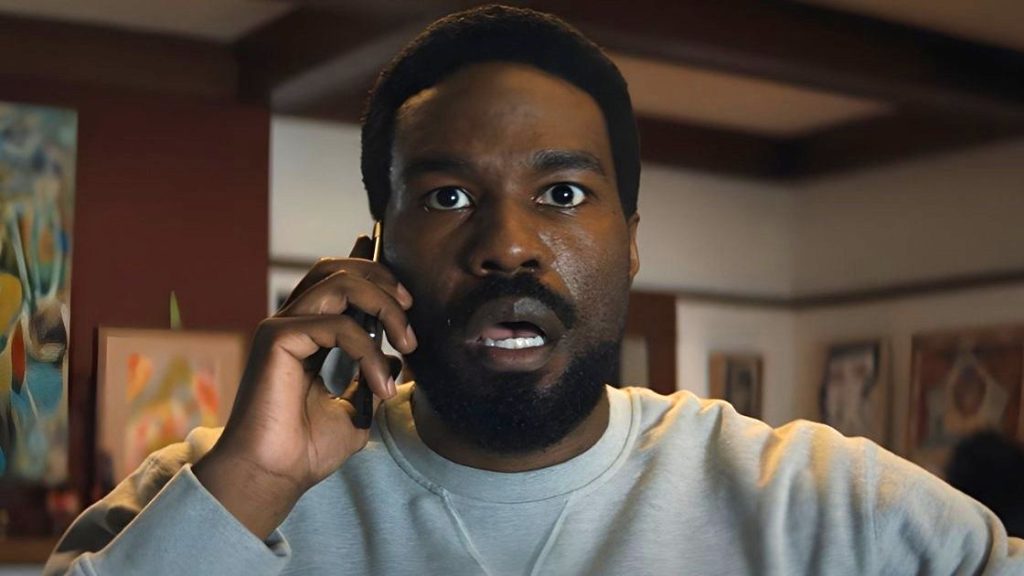 A still from Wonder Man | Credits: Marvel Television
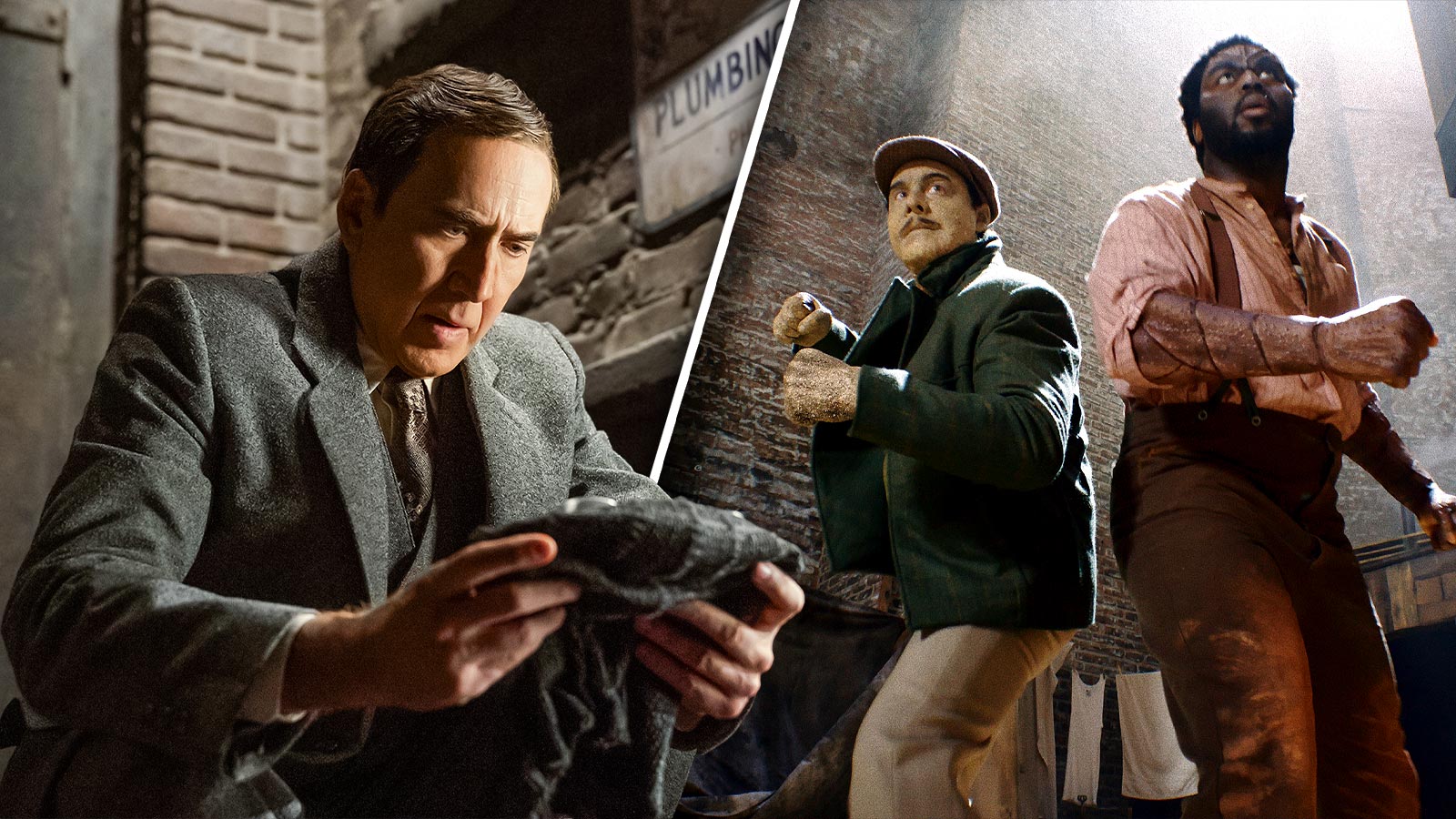
MCU’s most notable and modern race-swaps are Yahya Abdul-Mateen as Simon Williams. The superhero has been White in the comics, but the casting decision did not generate the same level of outrage as The Little Mermaid or Snow White.
But much of the criticism was focused on whether Wonder Man is interesting enough to sustain a solo MCU project. And now that the series has been out for a while, most of the reactions have been fairly positive, and people love its Hollywood satire-oriented, self-aware storytelling.
Where to watch (USA): Disney+
1 Kate Sharma in Bridgerton
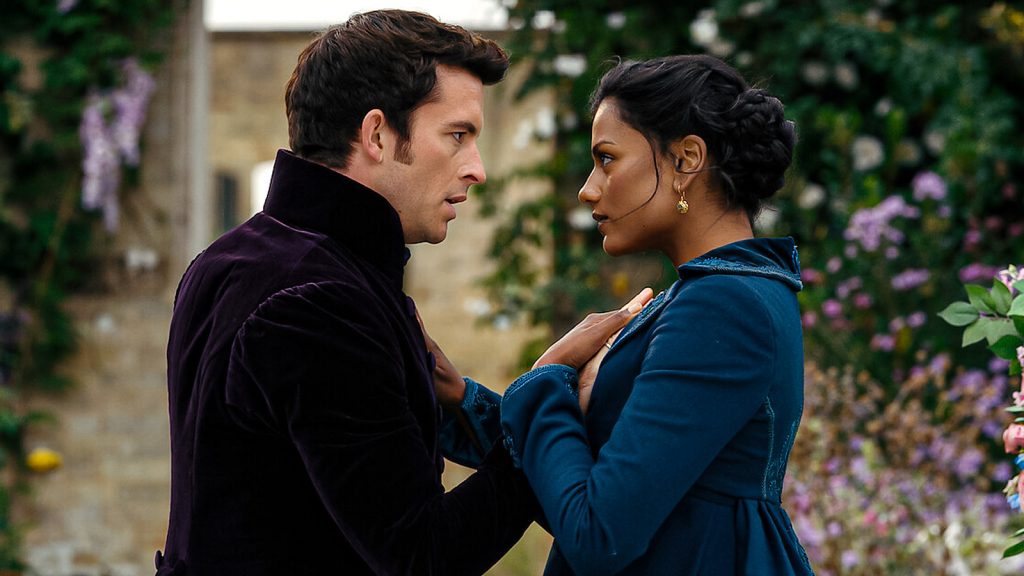 A still from Bridgerton | Credits: Netflix
Kate Sharma is originally named Kate Sheffield in Julia Quinn’s original Bridgerton novels. She was written as a white Englishwoman in Regency-era England. But in the Netflix series, the character was completely reimagined as Kathani “Kate,” Sharma, a British Indian woman, played by Simone Ashley.
The show also changed the family’s background, incorporating Indian cultural traditions, language, and aesthetics into the storyline. So many South Asians felt seen after Bridgerton season 2, and the casting is even more commendable because the creators managed to preserve the emotional core of Kate’s character from the books.
Where to watch (USA): Netflix
Here’s an overview of the rankings:
| Rank | Character | Project | Original Depiction | Race-Swap Casting |
| 10 | Snow White | Snow White (2025) | White Disney princess | Rachel Zegler |
| 9 | Motoko Kusanagi | Ghost in the Shell (2017) | Japanese manga protagonist | White, red-haired Disney princess |
| 8 | House Velaryon | House of the Dragon | White Valyrian family in the books | Black ensemble cast led by Steve Toussaint |
| 7 | Severus Snape | HBO’s Harry Potter | White British man | Paapa Essiedu |
| 6 | Ariel | The Little Mermaid (2023) | White, red-haired Disney princess | Halle Bailey |
| 5 | Helen of Troy | The Odyssey | Traditionally depicted as white in Western art | Lupita Nyong’o |
| 4 | MJ / Michelle Jones-Watson | Spider-Man: Homecoming | White, red-haired, Mary Jane Watson | Zendaya |
| 3 | Nick Fury | MCU | White comic-book spy | Samuel L. Jackson |
| 2 | Simon Williams | Wonder Man | White superhero in Marvel comics | Yahya Abdul-Mateen II |
| 1 | Kate Sharma | Bridgerton | White Englishwoman named Kate Sheffield | Simone Ashley |
A few questions that readers might have:
Why do race-swapped castings create controversy?
As mentioned earlier, some criticism comes from nostalgia and expectations, while others are rooted in racism and resistance to representation.
Why was Halle Bailey’s Ariel so important culturally?
Many young Black girls had an emotional and positive reaction to seeing themselves being represented as a Disney princess, which is precisely why it became a major moment and culturally important.
Do race-swapped castings help representation in Hollywood?
While they can help a franchise look more inclusive and reflective for today’s audience, one can also argue that at times, it can feel performative, especially when the characters are one-dimensional.
At its best, race-swapping can expand representation, but there are times when it can feel disconnected from the source material. So, which one of these castings was the most impactful and revolutionary, according to you? Let us know!





















 Bengali (BD) ·
  English (US) ·