.png)
 1 hour ago
5
1 hour ago
5
Masashi Kishimoto’s Naruto achieves timelessness through its profound, psychological character arcs. Set against a gritty backdrop of endless warfare, generational trauma, and a literal cycle of hatred, the series functions as an extended philosophical inquiry: can a broken person truly overcome their past to reshape themselves? The answer lies not in their power levels, but in their emotional and ideological evolution.
That is what makes its best characters unforgettable. Some heal. Some break. Some redeem themselves. And a few do all three. This ranking celebrates the Naruto characters whose development felt the most dramatic, meaningful, and unforgettable.
| Title | Naruto | Naruto: Shippuden |
| Author | Masashi Kishimoto | Masashi Kishimoto |
| Production Studio | Studio Pierrot | Studio Pierrot |
| IMDb Rating (as of June 4, 2026) | 8.4/10 | 8.7/10 |
| MyAnimeList Rating (as of June 4, 2026) | 8.02/10 | 8.29/10 |
| Streaming | Crunchyroll, Netflix | Crunchyroll, Netflix |
10 Sakura Turned From a Weakling to Leaf’s Most Skilled Medic
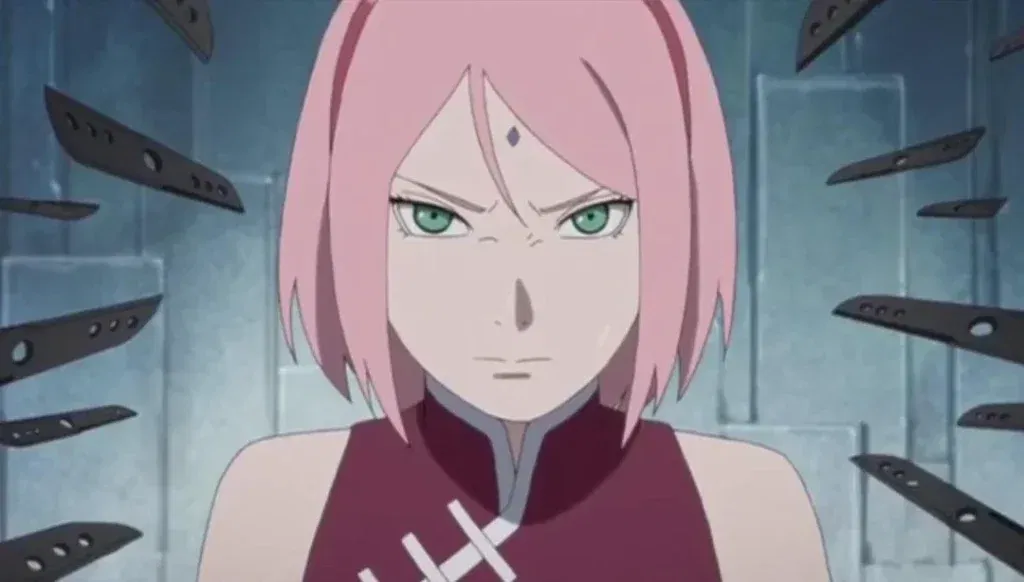 Sakura from Naruto. [Credit: Pierrot]
Sakura begins her journey as the ultimate shonen cliché: defined by shallow infatuations, crippling insecurity, and a knack for crying while her prodigiously gifted teammates do the heavy lifting. Her turning point arrives during the Forest of Death, where she dramatically cuts her hair with a kunai to bite back against Sound assassins, realizing her passivity endangers those she loves.
Seeking out Tsunade’s grueling, bone-shattering mentorship, Sakura undergoes a radical psychological makeover. She discards her reliance on others, forging herself into a fierce pillar of emotional resilience and Leaf’s premier medical ninja. Her growth is about a young woman fiercely claiming her own agency.
9 Naruto’s Underdog Story Gave Us Konoha’s Seventh Hokage
Naruto’s evolution from a paint-vandalizing outcast to the Seventh Hokage is the ultimate “started from the bottom” story. Driven initially by a desperate need for attention, his worldview matures dramatically through gut-wrenching losses. Confronting Pain after Jiraiya’s death forces him to ditch naive dreams of personal glory.
Instead of executing Nagato in blind revenge, Naruto chooses a quiet conversation, offering a profound philosophical alternative to the world’s cycle of hatred. His development succeeds because his ultimate triumph is an unprecedented masterclass in “Talk-no-Jutsu,” which literally unites a fractured, warring shinobi world.
8 Obito’s Descent Into Darkness Ended in Redemption
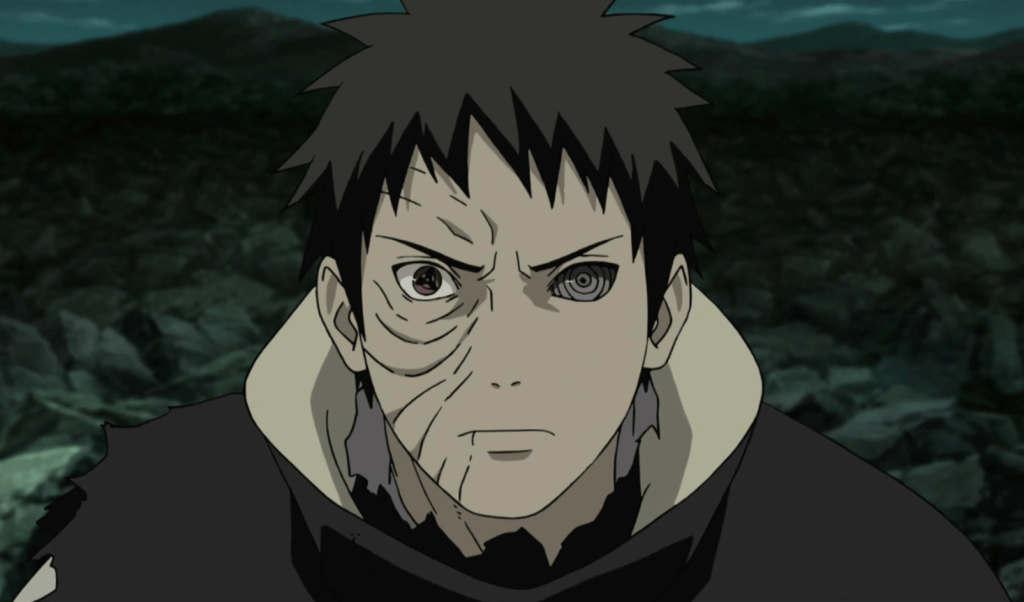 Obito from Naruto. [Credit: Pierrot]
Obito is what happens when hope gets ambushed and never fully recovers. He begins as a boy who wants to be seen as a hero, then Rin’s death detonates everything he believed about the world. From there, he builds an entire philosophy out of pain, choosing illusion over reality because reality hurts too much.
When Naruto reaches him emotionally, and Obito starts remembering who he used to be, the tragedy lands harder than any jutsu. His arc is brutal, but it is also one of Naruto’s clearest reminders that broken people are often made, not born.
7 Sai Discovered the Emotions He Never Knew Existed
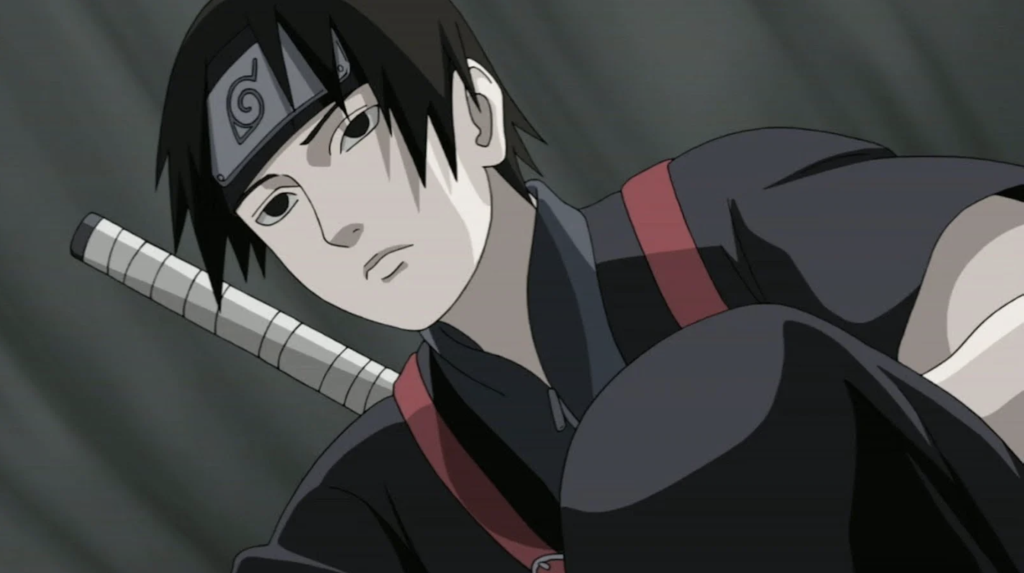 Sai from Naruto. [Credit: Pierrot]
Sai’s growth is one of the franchise’s sweetest surprises because it begins with almost no human warmth at all. Root trained him to suppress emotion, obey orders, and treat bonds as unnecessary clutter. Then Team 7 gets hold of him, and suddenly, he becomes the guy awkwardly testing out friendship as if he found it in a manual.
His early attempts at conversation are hilarious, but the real payoff comes much later, when he is sketching flowers, standing beside Ino, and caring enough to stay by someone’s side. Sai’s development is funny, gentle, and deeply human.
6 Kurama Became Naruto’s Greatest Ally After Years of Hate
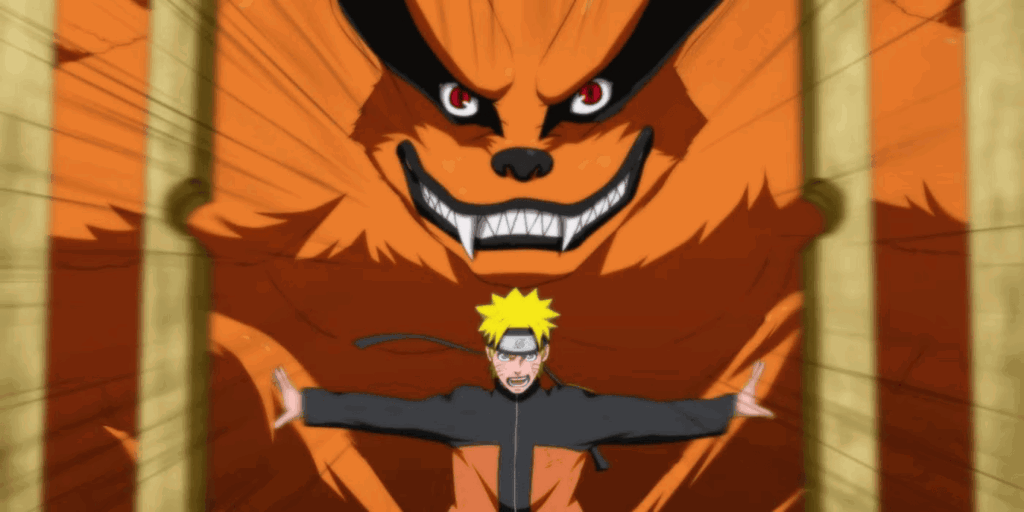 Naruto and Kurama in Naruto. [Credit: Pierrot]
Kurama’s arc is one of Naruto’s smartest ideas because it turns a literal monster into a character with real emotional weight. For most of the story, the Nine-Tails is treated like a disaster waiting to happen, and understandably, it returns the favor with pure contempt. But Naruto refuses to see Kurama as just a tool or a curse, and that stubborn respect slowly changes everything.
When Naruto learns Kurama’s true name, it becomes a huge turning point because the relationship stops feeling like one between hostage and captor and becomes a genuine partnership. By the time Kurama is willing to fight beside Naruto, the old hatred has been completely outgrown.
5 Shikamaru Turned Into Konoha’s Top Strategist and Hokage
Shikamaru initially avoids responsibility like the plague, preferring cloud-watching to paperwork. His profound awakening comes through the heartbreaking trauma of watching his mentor, Asuma, smoke his final cigarette and die in his arms. This moment violently strips away his adolescent apathy.
Forced to confront the harsh reality of the shinobi world, he masterfully orchestrates a genius trap for Hidan, burying the immortal killer using Asuma’s lighter. By inheriting the symbolic “king” (the future generation), his transformation into Konoha’s top strategist and eventual Hokage in Boruto shows a beautiful transition from a completely detached bystander to a fiercely protective leader.
4 Nagato’s Pain Changed the Fate of the Shinobi World
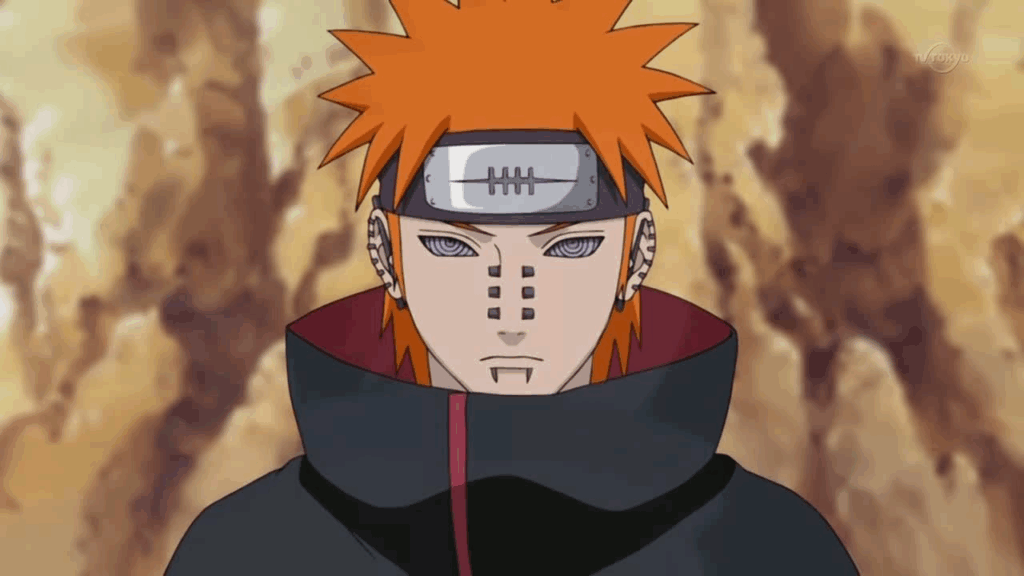 Pain from Naruto. [Credit: Pierrot]
Nagato is one of Naruto’s most painful case studies in how suffering can twist idealism into ideology. He is shaped by war, orphanhood, and the belief that peace only matters if someone has paid for it. That is why Pain’s attack on Konoha is not an act of random cruelty, but a worldview put into action.
Then comes the scene that changes everything: Naruto rejects revenge and refuses to kill him. Moved by this, Nagato chooses to revive the village he destroyed, turning his arc into a devastating act of reversal. Few characters embody Naruto’s theme of the “cycle of hatred” as powerfully as he does.
3 Sasuke’s Search for Vengeance Led to Self-Discovery
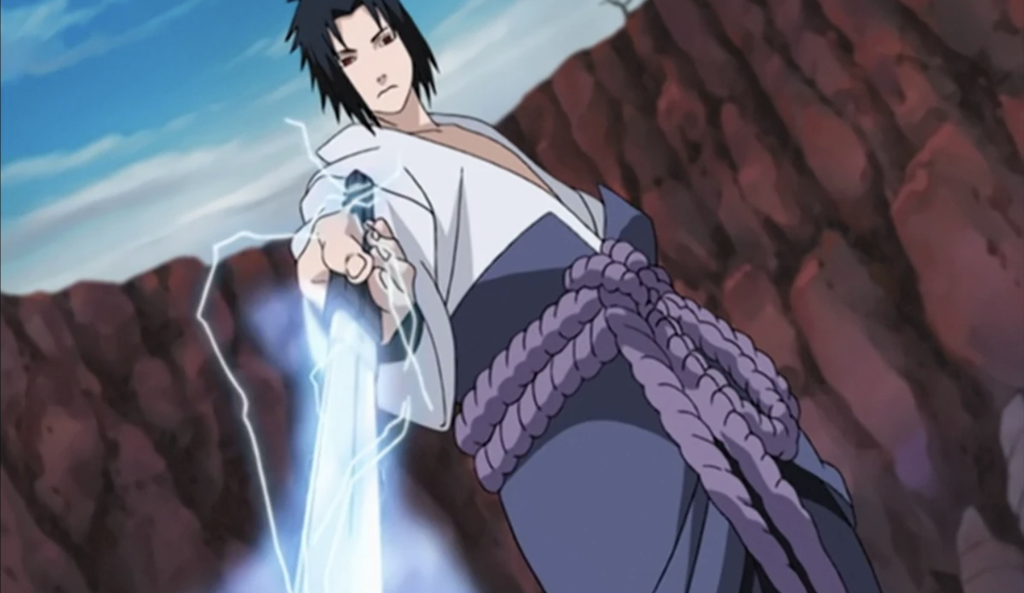 Sasuke from Naruto. [Credit: Pierrot]
Sasuke’s development is messy, intense, and completely unforgettable. He begins with a desire for revenge so consuming that it devours everything else, including friendship. Team 7 offers him a life beyond that obsession, which is exactly why his rooftop clash with Naruto is not just about strength, but about a boy choosing his pain over his bonds.
Later, learning the truth about Itachi shatters his entire emotional framework and forces him to rebuild his identity from scratch. Sasuke’s arc continually asks whether a vengeful, damaged person can truly change for the better. The answer is yes. The isolated avenger becomes Konoha’s vital, dimension-hopping “Shadow Hokage.”
2 Itachi Carried a Burden No One Else Could Understand
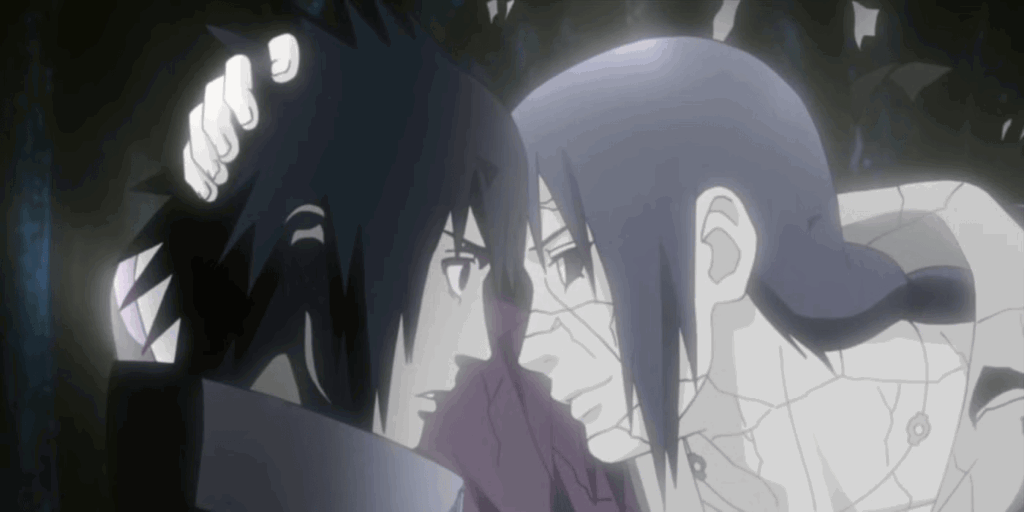 Itachi and Sasuke from Naruto. [Credit: Pierrot]
Itachi’s writing is heartbreak disguised as mystery. At first, he appears to be a terrifying, cold-blooded prodigy, but the truth is far more tragic: he is a boy who accepted a burden no child should ever have to carry. He kills his clan to protect the village and safeguard Sasuke, then spends years playing the role of a monster so his brother will hate him enough to survive.
When he is reanimated, his final gesture — pressing his forehead against Sasuke’s and saying, “I will love you always” — reframes him as one of the most self-sacrificing characters in the series. At that point, the story fully reveals the depth of his suffering and how profoundly he had been misunderstood.
1 Gaara Transformed From Feared Outcast to Kazekage
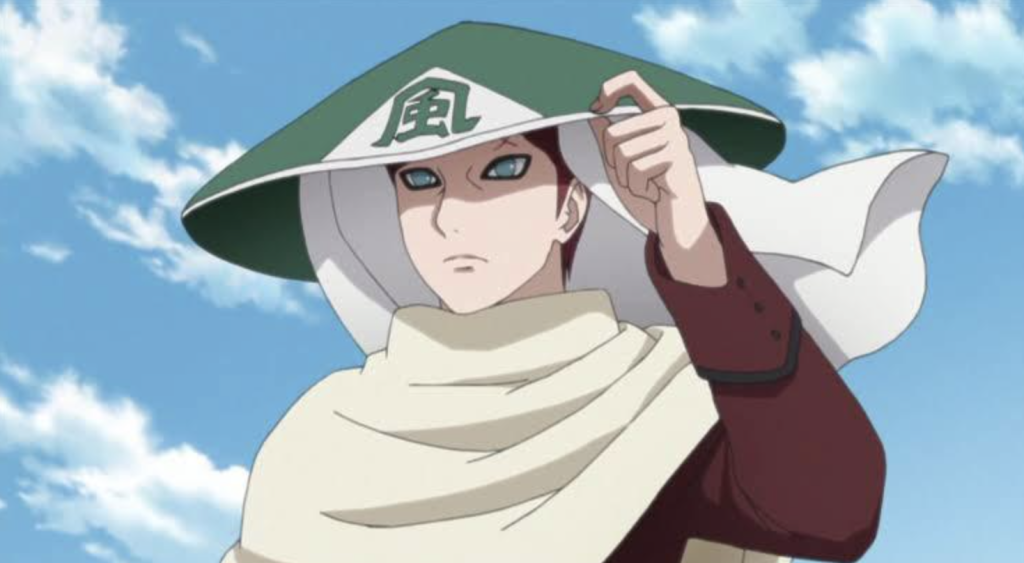 Gaara from Naruto. [Credit: Pierrot]
Gaara stands as the absolute pinnacle of character development. Introduced as a deeply unstable and violent figure, driven by a desperate need to validate his loneliness through murder, his chilling debut in the Chunin Exams shows what Naruto could easily have become. His defeat at Naruto’s hands shatters the isolated philosophy he had built around pain and hatred.
Gaara’s subsequent, hard-fought journey to earn Sunagakure’s trust culminates in his rise as the youngest Kazekage, and later in his role atop the Allied Shinobi Forces, where he delivers a soaring speech that helps unite former enemies. It is a masterclass in emotional rehabilitation, proving that even the deepest trauma can begin to heal through empathy.
Which Naruto character do you think had the best development arc, and who was ranked too high or too low? Let us know in the comments!

















/https%3A%2F%2Fsportsmole-media-prod.s3.gra.io.cloud.ovh.net%2Fuploads%2F2026%2F05%2Fimago1077546153-2-6a0b8bbf76f8f531157643.jpg)
 Bengali (BD) ·
  English (US) ·