.png)
 1 day ago
12
1 day ago
12
Film school was never an option for some of the best directors. Alfred Hitchcock never attended a class on suspense. Akira Kurosawa never sat through a lecture on framing. Both were producing their finest work through the 1950s and ’60s, right as film degrees were becoming a serious option for young people who wanted to direct.
Those film school programmes produced greats of their own, including Martin Scorsese at NYU, Francis Ford Coppola at UCLA and George Lucas at USC. But plenty of the medium’s biggest names never enrolled at all. They learned in video stores, on effects crews, and on borrowed weekends.
For this ranked list, we left out directors who spent real time in film school before being thrown out, like Alfonso Cuarón, anyone trained inside a university film department, and those who studied related art subjects, such as Ridley Scott.
10 David Fincher
David Fincher skipped college entirely. He was shooting on an 8mm camera by eight years old, and at eighteen he was working at John Korty’s studio, then Industrial Light & Magic, where he contributed to Star Wars: Return of the Jedi. His learning about filmmaking came from practice.
He worked on music videos for Madonna and commercials before a bruising studio debut on Alien 3. Se7en was his real breakthrough, followed by Fight Club, Zodiac, and The Social Network. He ranks tenth because he became cinema’s great perfectionist through repetition.
9 Wes Craven
Wes Craven‘s career path was headed a different way before he became a master of slasher genre in Hollywood. He held a master’s degree in philosophy and writing from Johns Hopkins and once taught humanities at college level. So, horror was never in his plans. He drifted into the industry doing editing and other odd jobs.
Then he made The Last House on the Left for almost nothing. It definitely was a stepping stone, and A Nightmare on Elm Street made him a legend. His most popular movie was Scream, which proved he could reinvent the genre a second time. He ranks ninth just because his idea of fear didn’t evolve over the years.
8 Peter Jackson
Peter Jackson left school at seventeen and took a job as a photo-engraver at a Wellington newspaper. He spent his weekends across four years making the movie Bad Taste with friends and a camera he bought himself, handling the effects, makeup, and camerawork alone.
Heavenly Creatures brought serious attention and an Oscar nomination for its screenplay. Then came The Lord of the Rings, which won him Best Director. He put in the hours to learn the skill and created one of the greatest fantasy epic ever attempted. He may climb up this list, if The Hunt for Gollum manages to bring that Peter Jackson magic back.
7 Paul Thomas Anderson
Paul Thomas Anderson enrolled at New York University’s film school and lasted exactly two days. A professor opened by telling anyone hoping to write Terminator 2 to walk out, which was basically a red flag for him. Anderson submitted a scene from the then-unmade David Mamet screenplay of Hoffa as his own assignment, watched it come back with a C+, and filed for a tuition refund.
His real education was watching films and listening to director commentaries. Boogie Nights was his breakthrough movie, followed by many movies that carried his signature style, including Magnolia and There Will Be Blood. He ranks seventh just because of that roughly forty-eight hours of formal instruction.
6 Wes Anderson
Wes Anderson studied philosophy at the University of Texas at Austin, where he met Owen Wilson in a playwriting class. The two wrote Bottle Rocket together, shot it as a short, then expanded it into a 1996 feature that flopped commercially but won powerful admirers.
His breakthrough movie was Rushmore, which was followed by brilliant films like The Royal Tenenbaums, Fantastic Mr. Fox, and The Grand Budapest Hotel. He built the most recognizable visual style in modern cinema without a single lesson in composition. The symmetry, the colours, and the deadpan tone were all entirely self-invented. He would have ranked higher if he had the commercial pull like the rest in this list.
5 James Cameron
James Cameron studied physics at a community college, Fullerton College. He switched to English before dropping out to drive trucks. He taught himself filmmaking by working through everything he could find in the USC library. He shared during a conversation with Syd Field:
So, I’d go down to the USC library and pull any thesis that graduate students had written about optical printing, or front screen projection, or dye transfers, anything that related to film technology.
He then talked his way into Roger Corman’s studio building sets. His debut was a disaster he barely controlled, but The Terminator changed everything. He made some of the biggest commercial movies like Aliens, Titanic, and Avatar. He ranks fifth because he mastered the technical side of cinema more completely than anyone alive, even inventing the tools when they did not exist yet.
4 Quentin Tarantino
Quentin Tarantino dropped out of high school and took a job at Video Archives, a rental store in Manhattan Beach where he watched everything and argued about all of it. That shop was his film school. It worked because he announced his arrival with his first movie, Reservoir Dogs.
However, Pulp Fiction was the movie that made him into a Hollywood legend. Movies like Kill Bill and Inglourious Basterds confirmed he was no accident. He ranks fourth because he turned pure fandom into a style nobody has successfully copied.
3 Christopher Nolan
Christopher Nolan didn’t choose to go to film school, even though he had the passion for movies. He read English literature at University College London, choosing it partly because the campus had 16mm cameras and an editing suite students could borrow. He shot his first movie, Following, on weekends for a few thousand pounds with friends as his crew.
His signature themes appeared right in his first movie, but it was Memento that put him on the map. The Dark Knight, Inception, Oppenheimer, and The Odyssey turned him into one of very few directors whose name alone sells tickets. He ranks third because he made structurally complex, demanding films into enormous blockbusters, which the industry insisted was impossible.
2 Stanley Kubrick
Stanley Kubrick was a poor student who became a staff photographer for Look magazine at seventeen. He learned composition through still images, then funded his own documentaries before attempting features. He started off with movies like The Killing, Paths of Glory, and Spartacus, proving that his genius lie beyond books.
From there, he went on to become one of the most studied filmmakers in the industry. His best works like Dr. Strangelove, 2001: A Space Odyssey, and The Shining were analyzed over and over again by filmmaking greats and aspiring film students. He ranks second because he mastered every genre he touched.
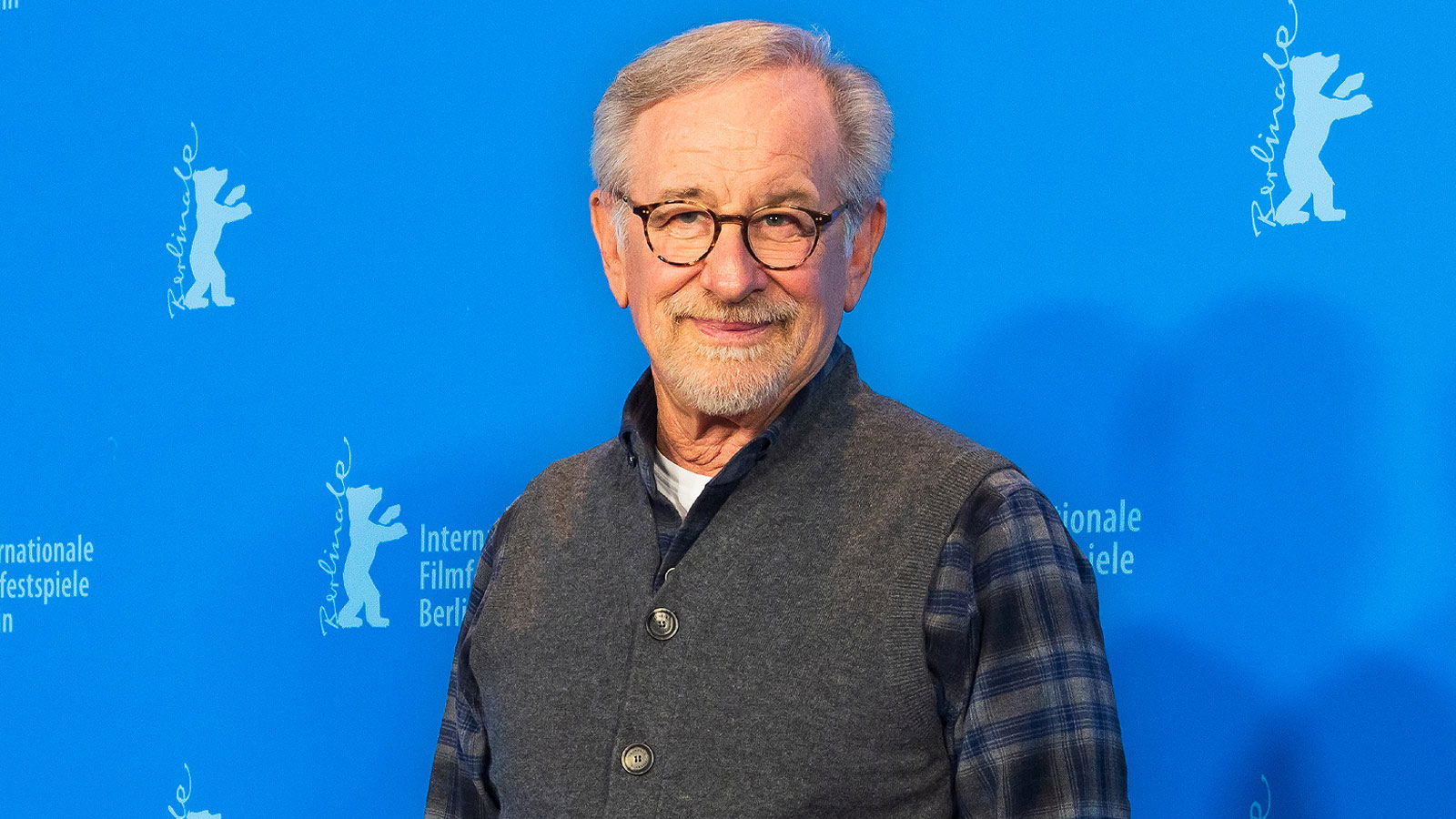
1 Steven Spielberg
Steven Spielberg was rejected by USC’s film school twice. He enrolled at Cal State Long Beach for English instead, dropped out when Universal offered him a contract, and only completed the degree in 2002. He shot the alien invasion movie, Firelight, when he was just 17. He got that first break by showing executives his short film Amblin’.
Jaws invented the summer blockbuster, and E.T. established him as a legend in the sci-fi genre. Schindler’s List and Saving Private Ryan displayed a range nobody has matched since. He ranks first as the most influential director in the industry’s history. Spielberg learned everything by simply making movies.
Which of these directors surprised you the most? Let us know in the comments below!
















/https%3A%2F%2Fsportsmole-media-prod.s3.gra.io.cloud.ovh.net%2Fuploads%2F2026%2F04%2Fimago1075785696-69f1c41377d96073966575.jpg)
 Bengali (BD) ·
  English (US) ·