.png)
 1 day ago
14
1 day ago
14
June 20 is that kind of date that film lovers circle in permanent ink because it marks the day Jaws arrived in theaters and changed the rules of the game. Released on June 20, 1975, Steven Spielberg’s thriller did far more than terrify beachgoers. It altered studio marketing strategies, redefined summer moviegoing, and launched a new chapter in Hollywood history. According to historical box office records, Jaws became the highest-grossing film ever at the time of its release and established the blueprint for the modern blockbuster.
What makes this anniversary especially remarkable is that the film almost collapsed under the weight of its own production problems. The mechanical shark repeatedly malfunctioned, filming schedules stretched far beyond expectations, and the young Spielberg became convinced the project might end his career before it truly began. Yet, as the old saying goes, necessity is the mother of invention. Those obstacles forced Spielberg to rely on suspense, atmosphere, and audience imagination, which ultimately became the secret ingredients behind the film’s enduring appeal.
Fifty-one years later, Jaws remains a cultural touchstone, a cinematic landmark, and perhaps the clearest example of how creative problem-solving can turn a troubled production into a timeless classic.
| Detail | Information |
| Release Date | June 20, 1975 |
| Director | Steven Spielberg |
| Based On | Peter Benchley’s novel Jaws |
| Main Cast | Roy Scheider, Richard Dreyfuss, Robert Shaw |
| Budget | Approx. $9 million |
| Worldwide Gross | Over $470 million (including re-releases) |
| Rotten Tomatoes Critics Score | 97% |
| Academy Awards | 3 Oscar wins |
| Official Website | https://www.universalpictures.com/movies/jaws |
What Is Jaws About and Why Has It Endured for 51 Years?
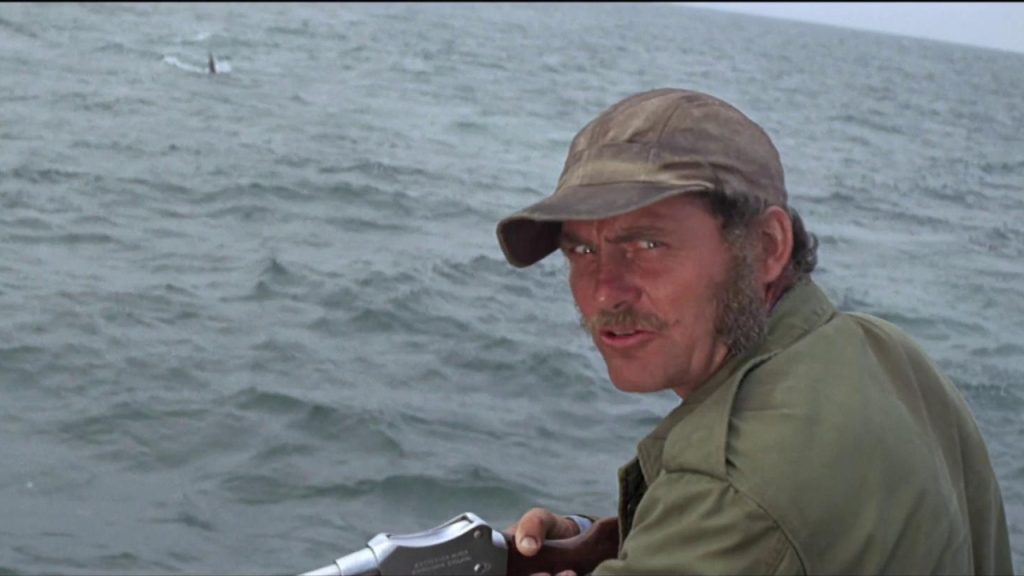 Jaws | Credit: Universal Pictures
At first glance, Jaws appears deceptively simple. A great white shark begins attacking swimmers near Amity Island, forcing Police Chief Martin Brody, marine biologist Matt Hooper, and veteran fisherman Quint to hunt the predator before more lives are lost. Yet simplicity is often the sharpest tool in a storyteller’s toolbox. The brilliance of Jaws lies in how it transforms a straightforward premise into a nerve-rattling experience. Spielberg understood that suspense grows strongest when audiences are left waiting for something dreadful to happen. Instead of revealing the shark at every opportunity, he allowed anticipation to do the heavy lifting.
That decision was partly born from necessity. The infamous mechanical shark, nicknamed ‘Bruce,’ frequently stopped working during production. Looking back on the experience, Spielberg famously said (via Cinephilia & Beyond):
The shark not working was a godsend. It made me become more like Alfred Hitchcock than like Ray Harryhausen.
It is difficult to overstate how important that accidental limitation became. Had the shark functioned perfectly, Jaws might have become a very different film. Instead, viewers were left studying every ripple in the water, every nervous glance, and every ominous note in John Williams’ unforgettable score. The performances deserve equal praise. Roy Scheider brings quiet determination to Chief Brody, while Richard Dreyfuss injects intelligence and youthful energy into Hooper. Robert Shaw’s Quint remains one of the most memorable characters in movie history, particularly during the legendary USS Indianapolis speech.
I believe this is why Jaws continues to age like fine wine. The film never depends on visual effects alone. Its foundation rests on character, tension, and storytelling craftsmanship. While technology evolves every year, those fundamentals never go out of style. Spielberg later admitted how uncertain he felt during production, saying (per AFI):
I truly thought my career was over.
Few directors have ever been more wrong about their future.
Why Jaws Sequels Never Matched the Original and Whether Another Sequel Should Happen
 Steven Spielberg, Director of Jaws is pictured during an interview for National Geographic’s Jaws @ 50: The Definitive Inside Story. (National Geographic/Chris Johnson)
Success often invites imitation, and Jaws certainly attracted its share of followers. The original film was followed by Jaws 2 in 1978, Jaws 3-D in 1983, and Jaws: The Revenge in 1987. Each sequel attempted to recapture the magic of Spielberg’s original, yet none came remotely close to achieving the same critical acclaim or cultural significance. The reason is fairly simple. The first film succeeded because the shark was only one part of a much larger equation. The fear, the mystery, the relationships between Brody, Hooper, and Quint, and Spielberg’s patient storytelling all contributed to its success.
Later installments focused more heavily on repeating the central threat without recreating the emotional investment that made audiences care in the first place. There is also a law of diminishing returns at work. Audiences can only experience a groundbreaking concept for the first time once. By the time the sequels arrived, the element of surprise had inevitably faded. Every few years, discussions emerge about whether Hollywood should revisit Jaws with a reboot, sequel, or modern reimagining. From a commercial perspective, the temptation is understandable. Studios frequently return to familiar properties because recognizable brands carry built-in audiences.
Modern visual effects could certainly produce a more convincing shark than the mechanical creation used in 1975. Yet technical perfection was never the reason Jaws became legendary. Ironically, its imperfections helped define it. The film’s limitations encouraged creativity, restraint, and patience. Many contemporary productions feel compelled to reveal everything immediately. Jaws took the opposite approach and trusted viewers to lean forward rather than sit back. That confidence remains one of the film’s greatest strengths.
In many ways, the most meaningful sequel to Jaws was Spielberg’s career itself. The lessons he learned while making the film influenced later classics such as Close Encounters of the Third Kind, Raiders of the Lost Ark, E.T., Schindler’s List, and Saving Private Ryan. As we celebrate its 51st anniversary, the film remains a shining example of what can happen when talent, perseverance, and a little bit of good fortune meet at exactly the right moment. The question is no longer whether Jaws deserves its place among the greatest films ever made. The more interesting question is whether any modern blockbuster released today will still command this level of admiration in 2076.
For more movie retrospectives and entertainment coverage, follow FandomWire.
Jaws is available to rent/buy on Amazon Video.
























/https%3A%2F%2Fsportsmole-media-prod.s3.gra.io.cloud.ovh.net%2Fuploads%2F2026%2F06%2Frio-ngumoha-email-sportmole-6a27b73e9a471352625861.png)
 Bengali (BD) ·
  English (US) ·