.png)
 22 hours ago
9
22 hours ago
9
There was once a time when a director’s name meant something.
Well, I suppose a director’s name can still mean something to an extent… if it’s Curry Barker or Kane Parsons. But in the weird world of 2026, we face a summer box office where it’s likely that a horror movie made for $750,000 is likely to make more money than Disclosure Day, an original sci-fi epic by Steven Spielberg.
And not just *any* sci-fi movie by Steven Spielberg, but one that reunites cinema’s most beloved auteur with screenwriter David Koepp. (The collaboration between the two, of course, resulted in one of the greatest works in both of their careers: Jurassic Park.)
So why is it that a filmmaker who was once one of Hollywood’s most reliable box office draws is no longer the headliner of the summer?
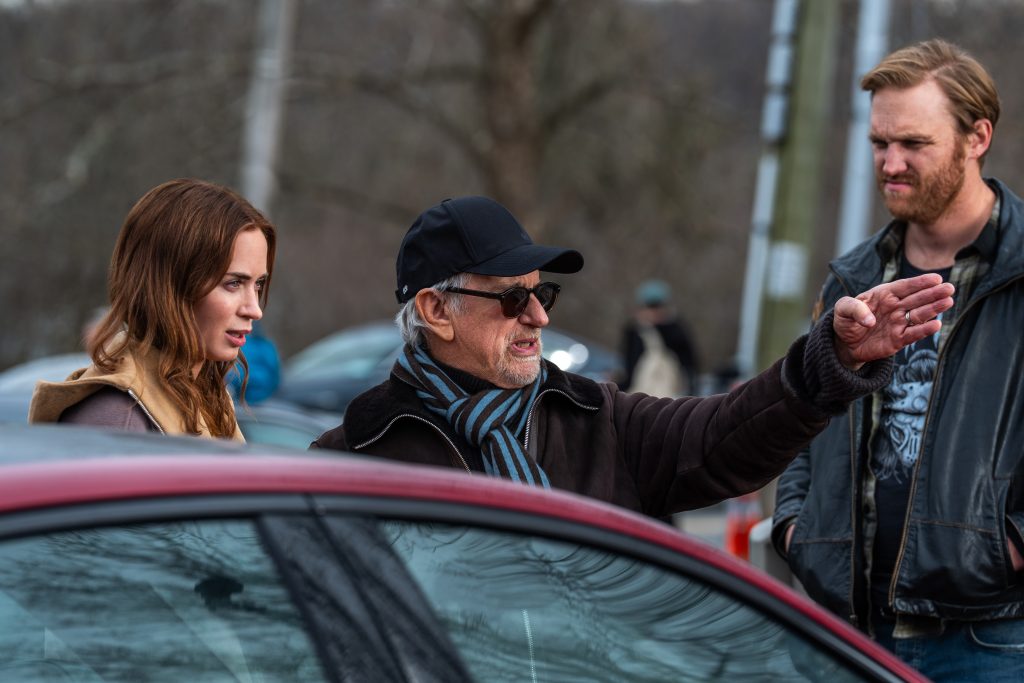 L to R: Emily Blunt, Director Steven Spielberg, and Wyatt Russell on the set of DISCLOSURE DAY, directed by Steven Spielberg.
The better question is how much relevance Spielberg has outside of the cinephile sphere. When Spielberg participated in a keynote session at this year’s South by Southwest conference, tickets for the event sold out in a matter of seconds. And that was for a career retrospective that was released as a podcast a little over a week later. But does this translate to widespread mainstream appeal?
Well, for one, many of the classics that Spielberg created are no longer relevant — at least not in mainstream cinema. Jurassic Park is still in the cultural conversation, but last year’s Jurassic World: Rebirth was the first film in the franchise not to make a billion dollars globally since the franchise was rebooted in 2015. Meanwhile, Indiana Jones and the Dial of Destiny was a flop, failing to make its massive budget back.
The hope was that Disclosure Day would cash in on nostalgia for some of Spielberg’s cherished classics, untouched by the conversion into franchise IP. But are movies like Close Encounters of the Third Kind and E.T. the Extra-Terrestrial still pertinent for a younger generation of moviegoers? Audiences who saw these movies in theaters when they were children are just a decade (or less) shy of getting the senior citizen discount at their local multiplex. And that’s not good for the box office.
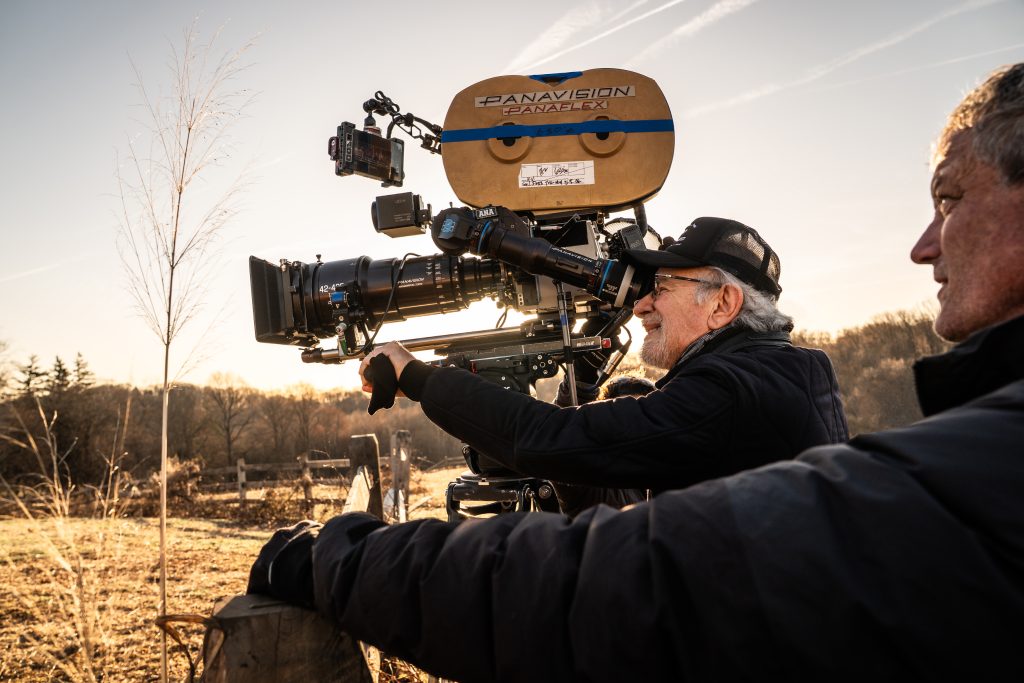 Director Steven Spielberg on the set of his film DISCLOSURE DAY.
Sure, there are still kids who are watching E.T. and Close Encounters because their parents share it with them, but this is not enough to bring an entire generation out to the multiplex — at least not in the way that they came out for Obsession and Backrooms.
As for his modern work, it’s been a minute since Spielberg has had a true commercial success. Ready Player One was released eight years ago at this point. Even if you take out his two COVID-era films, West Side Story and The Fabelmans, because of extenuating circumstances, he wasn’t on much of a hot streak. Bridge of Spies and The Post were only modest successes, while The BFG was an outright dud.
Is Disclosure Day the savior of the summer blockbuster?
There’s no way around it: a movie like Disclosure Day is going to require massive word-of-mouth to be successful, and I just don’t see that happening. Although there have been some enthusiastic responses and others more behooved by Spielberg’s latest, the consensus is that it is good, but not great work — a camp that this writer falls into.
The first half of Disclosure Day is arguably some of Spielberg’s most workmanlike output in his entire career. It’s a proficient chase movie by way of conspiracy thriller, with a few cool action sequences, but it’s also strangely anonymous. At few points does it even have the energy that Spielberg brought to the set pieces in some of his more action-oriented pictures like Jurassic Park, the Indiana Jones franchise, or Minority Report. And for a film whose main selling point is auteurism, anonymity is not the best look.
-

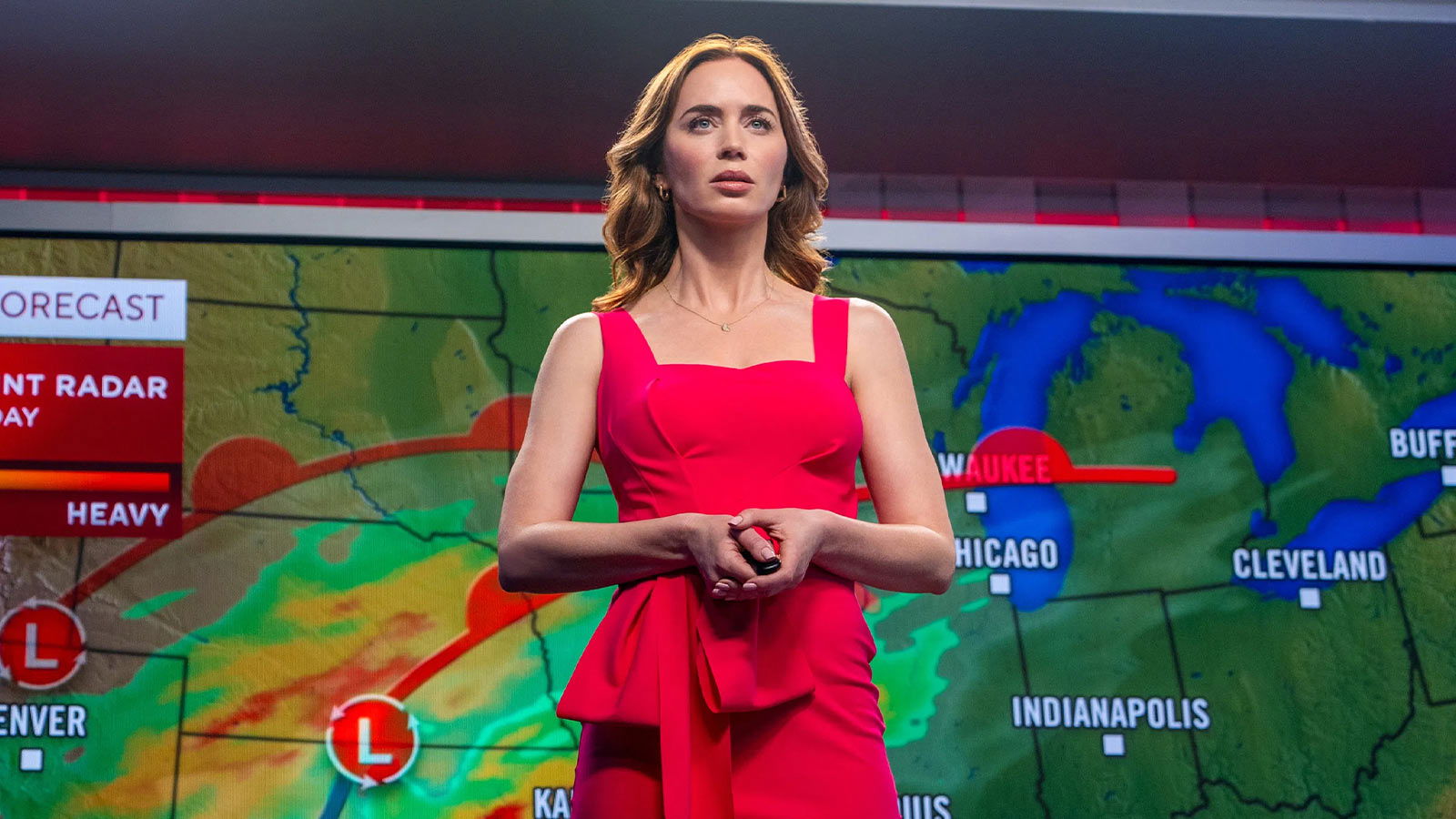
Josh O'Connor in DISCLOSURE DAY, directed by Steven Spielberg.
-

Colin Firth (center, standing) in DISCLOSURE DAY, directed by Steven Spielberg.
-

DISCLOSURE DAY, directed by Steven Spielberg.
-

L to R: Emily Blunt is Margaret Fairchild and Josh O'Connor is Dr. Daniel Kellner in DISCLOSURE DAY, directed by Steven Spielberg.
-

DISCLOSURE DAY, directed by Steven Spielberg.


It’s clear that the second half of the film is where Spielberg’s heart is, as it morphs from its genre-leaning tendencies into something more dramatic and wondrous. This is where Disclosure Day most closely resembles Close Encounters and the sense of joy that Spielberg’s original summer blockbusters once inspired in audiences. And thankfully, that will leave (most) viewers feeling positive — and potentially even talking about what they saw — by the time the credits roll. But it’s more “lobby talk” and less “water cooler-worthy.”
Don’t get me wrong, I will always be seated for a new movie by Spielberg, and I’m all for giving directors a budget of over $100 million to make something as wacky as Disclosure Day. But when the break-even point for an original sci-fi movie is about three times its budget when you add in prints & advertising, Universal is really just throwing money at one of the world’s greatest filmmakers for old times’ sake. Every person like me isn’t enough to reach that all-too-crucial break-even point.
Maybe Universal should start an Angel Studios-style campaign for Disclosure Day, asking audiences who want people to know the truth about extraterrestrial life to buy a ticket so a skeptic can see the movie for free. Then, they might be able to fill seats with the people who need to see Spielberg’s message about empathy the most.
Disclosure Day opens in theaters on June 12.





















 Bengali (BD) ·
  English (US) ·