.png)
 1 week ago
17
1 week ago
17
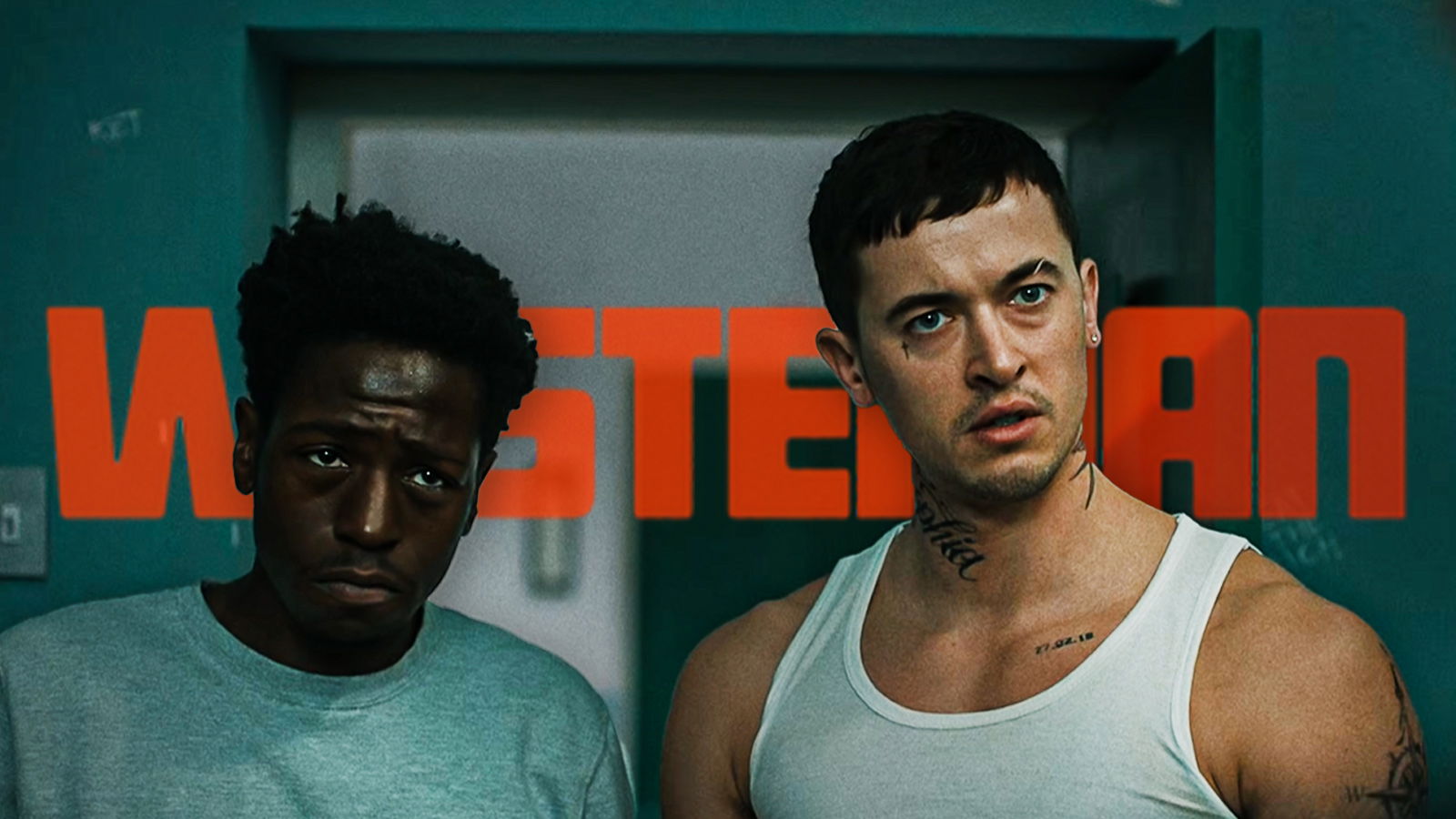
How far would you push your luck if freedom were within your reach?
Off the rip, the question seems ludicrous: why would you even bother? The prevailing wisdom screams to keep your head down and make as few, if any, noises as possible. Of course, as Wasteman explores, prevailing wisdom is a precious and very limited commodity within the British prison industrial complex.
What is Wasteman about?
That is the difficult lesson that Taylor (David Jonsson) learns in Wasteman. He has mostly gotten by unscathed in prison by working in the kitchen and serving as a barber to fellow inmates while finding creative (and desperate) ways to feed his drug addiction. His under-the-radar life is thrown into sharp relief when he discovers that bureaucratic budget cuts are granting him early parole. All he has to do is stay on “good behavior.”
Coinciding with Taylor’s proverbial silver lining is the arrival of a new cellmate, Dee (Tom Blyth). Dee is a charismatic, ostensibly chill dude, and he and Taylor strike up a friendship that goes so far as to have Dee help Taylor get in touch with his 13-year-old son, Adam. Dee’s presence may be good for Taylor, but it’s bad for the fragile ecosystem in place, and he sets himself against two powerful drug-smuggling inmates. Taylor is caught in the middle of the conflict, and he finds his parole increasingly at risk as the drama escalates.
Wasteman Review
What’s most impressive about Wasteman is how Cal McMau finds fresh ways into a conversation that can risk devolving into a personal responsibility morality play. Yes, Taylor makes active choices that contribute to his walk along the edge, but larger cultural and systemic issues also inform his decision-making.
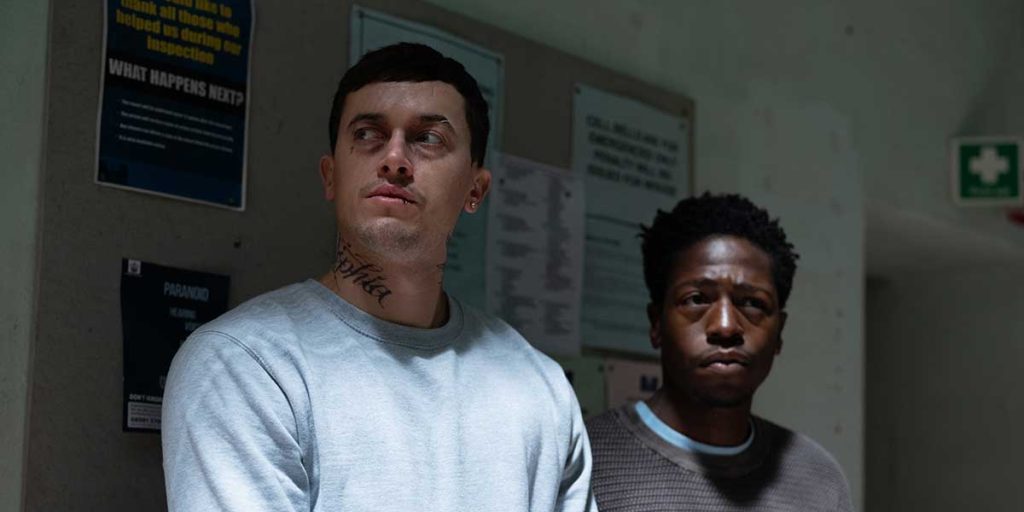
McCau taps into social media’s overwhelming influence on perception versus reality by shifting to vertical video framing several times. We watch the prison TikToks as David does, seeing how they reinforce a lifestyle that prioritizes toxic masculinity and violence above all else. It’s a heightened perspective that doesn’t wholly reflect life in prison. However, it is compelling enough to appeal to some, especially those whose personal troubles, like David’s drug addiction, make them susceptible.
McCau contrasts those superficially gritty reels with the truth, which is far more complex than an Instagram story can reasonably capture. Wasteman has a gnarly atmosphere, conveyed through moments of relative, almost normal, quiet that are then brutally disrupted by harsh words and indiscriminate violence. (One particular brawl is one of the most viscerally disgusting scenes I’ve ever seen on any screen.)
The people themselves don’t fit into easy caricatures or archetypes. Corrections officers who let obvious offenses slide because they are too overworked to care, gang leaders occasionally put aside their dominance to chat about their kids, and physicians exploit drug dependency to make easy money. The volatility rattles you out of whatever complacency McCau guides you towards, which feels as close to the truth as a fictional depiction of prison can get.
Within this environment, you can see why Taylor would be lulled into risky actions by Dee. Dee has a “no fucks given” outlook, inviting charisma, and subtle menace, all things that Taylor lacks in spades. It’s pretty obvious what role Dee plays in this story, but the friendship he forges with Taylor feels genuine.
When you weigh what Dee does for Taylor — like helping him get in contact with his son — a tiny part of you can understand why Taylor’s unintentional inaction can be such a grave betrayal. Should Taylor have put himself in a place where Dee would need some form of payback? No, but again, the world that McCau creates makes both of their positions understandable. Reprehensible, but understandable.
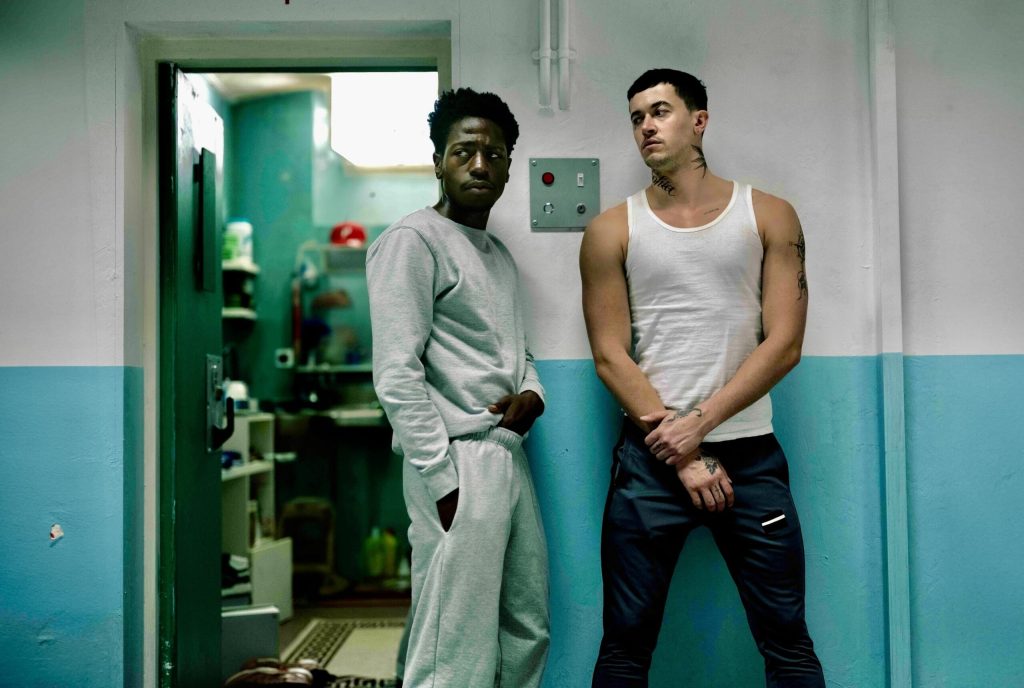
There is one point at which the film’s emotional and practical logic cracks, and our understanding of one character is flipped on its head. It’s a heel turn that, at first blush, doesn’t feel wholly earned. However, on balance, the film explores the fluidity and flexibility of perception and reality in prison. Was this person behaving this way before as a self-preservation tool, or did the aforementioned volatility force a change for the sake of their survival?
The cast’s excellent performances complicate the answers in satisfying ways. David Jonnson reveals a newer, more vulnerable dimension of his persona, crafting a character who was truly not meant for this life. He is timid to the point of almost disappearing into the background, his eyes constantly shifting to keep watch of his surroundings so as not to draw attention. Jonsson is so convincing that he keeps you from catching the glimmers of something else just under the surface. Tom Blyth is an excellent contrast, pulling where Jonsson pushes, moving within the frame with a lax confidence that also masks Dee’s insidious, mercurial nature.
Is Wasteman worth watching?
Ultimately, Wasteman is about survival and self-preservation, and whether either is possible within an environment actively working against its patrons. McCau does a great job examining both the systemic implications and the consequences for the individual, making for a detailed portrait that stands out and offers something new yet relatable in a crowded genre.
Wasteman opens in theaters on April 17.
Wasteman Review: David Jonsson and Tom Blyth Seek Survival in Gnarly, Complex Prison Drama
Wasteman, through its gritty visuals and standout performances by David Jonsson and Tom Blyth, offers a detailed portrait of the complexities and contradictions of prison life.


















 Bengali (BD) ·
  English (US) ·