.png)
 1 hour ago
7
1 hour ago
7
Article content
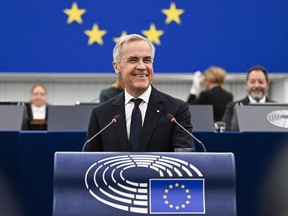
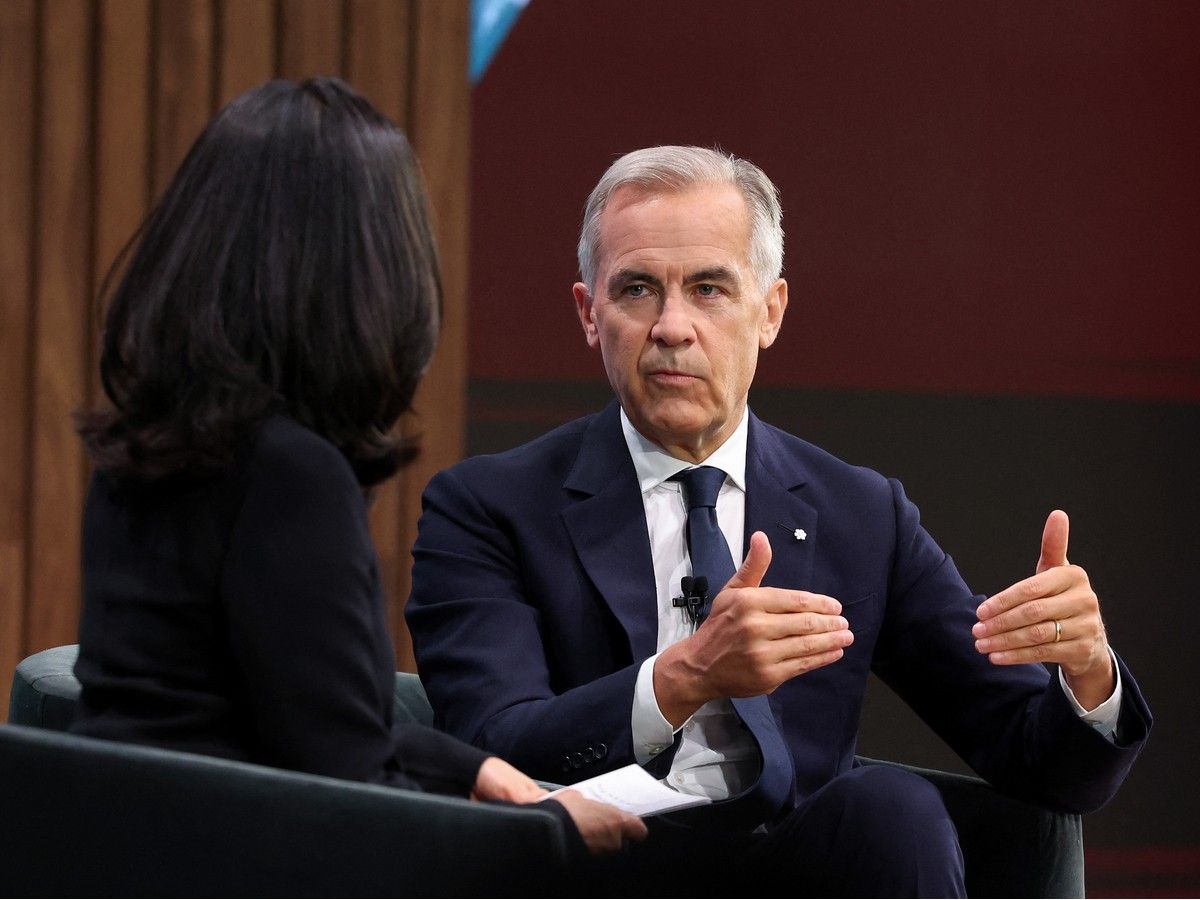
WASHINGTON, D.C. — Prime Minister Mark Carney has explained his push for a closer relationship with Europe in simple terms.

THIS CONTENT IS RESERVED FOR SUBSCRIBERS
Enjoy the latest local, national and international news.
- Exclusive articles by Conrad Black, Barbara Kay and others. Plus, special edition NP Platformed and First Reading newsletters and virtual events.
- Unlimited online access to National Post.
- National Post ePaper, an electronic replica of the print edition to view on any device, share and comment on.
- Daily puzzles including the New York Times Crossword.
- Support local journalism.
SUBSCRIBE FOR MORE ARTICLES
Enjoy the latest local, national and international news.
- Exclusive articles by Conrad Black, Barbara Kay and others. Plus, special edition NP Platformed and First Reading newsletters and virtual events.
- Unlimited online access to National Post.
- National Post ePaper, an electronic replica of the print edition to view on any device, share and comment on.
- Daily puzzles including the New York Times Crossword.
- Support local journalism.
REGISTER / SIGN IN TO UNLOCK MORE ARTICLES
Create an account or sign in to continue with your reading experience.
- Access articles from across Canada with one account.
- Share your thoughts and join the conversation in the comments.
- Enjoy additional articles per month.
- Get email updates from your favourite authors.
THIS ARTICLE IS FREE TO READ REGISTER TO UNLOCK.
Create an account or sign in to continue with your reading experience.
- Access articles from across Canada with one account
- Share your thoughts and join the conversation in the comments
- Enjoy additional articles per month
- Get email updates from your favourite authors
Sign In or Create an Account
or
Article content
“Developing an alliance for the future with the European Union … is based on Canada becoming more sovereign,” he said last week at a press conference on the sidelines of the UN General Assembly.
Article content
Article content
Last week, European Commission President Ursula von der Leyen proposed that Canada could become the European Union’s first “associate member,” drawing cheers, some confusion, and jeers from both sides of the Atlantic. U.S. President Donald Trump went further, saying he could see it as a “hostile act” if it were pursued with “bad intention,” and warning he could impose steep tariffs or even curb trade with Europe.
Article content
Advertisement 1
Article content
But what about Canada? With trade talks having collapsed in August, leading to more tariffs on both sides, how might Washington respond to Canada’s true north pointing further east — as a legitimate hedge or a challenge to U.S. power?
Article content
By signing up you consent to receive the above newsletter from Postmedia Network Inc.
Article content
In a recent interview, Ambassador Pete Hoekstra shared his thoughts, noting that the preliminary trade agreement between the U.S. and Canada can no longer be the starting point for future talks. He said too much had changed in just three and a half weeks, including the EU proposal. Hoekstra offered a possible response that would have significant implications for the Canada-U.S.-Mexico Agreement and U.S.-Canada trade.
Article content
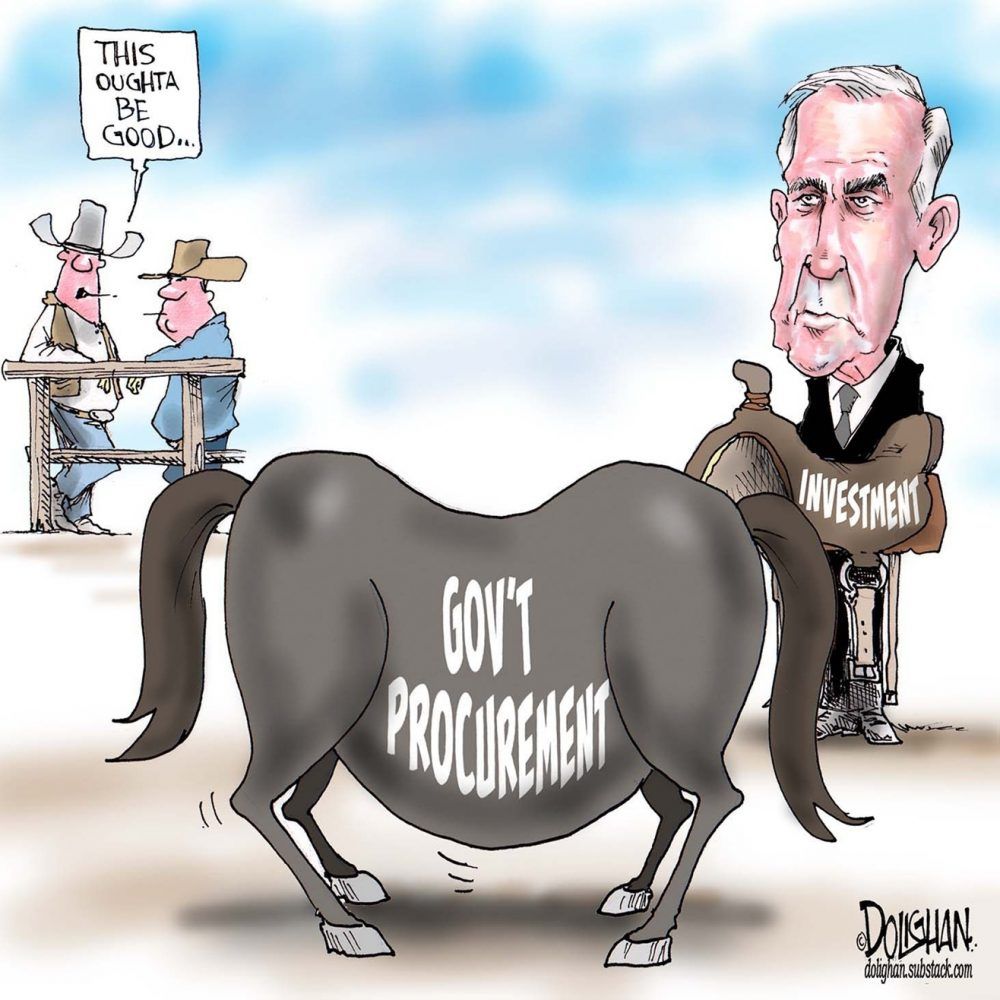
“I’ve talked with our trade negotiators, and they said, ‘Well, that may just kind of simplify things, because we have a trade agreement with the EU. We may just slide Canada in under the EU trade agreement. We won’t treat Canada as a country with whom we have a four- or five-thousand-mile border anymore. Canada has made its decision. It is aligning with the EU, so it only makes sense for the U.S. to put Canada under that trade agreement,'” he said.
Article content
Advertisement 2
Article content
Washington, in other words, could seek to apply the 15 per cent tariff ceiling imposed on most EU exports.
Article content
Hoekstra’s office declined National Post’s request to comment on the matter.
Article content
“Don’t take it seriously,” said Richard Stern, the vice president of the Plymouth Institute for Free Enterprise at Advancing American Freedom, a Washington-based conservative think tank.
Article content
“(Hoekstra) is trying to be the pitbull — the voice of people who are trying to stir up trouble, who are trying to separate America and Canada, who are trying to separate America from our closest allies.”
Article content
The suggestion that Canada could be folded into a U.S.-EU tariff framework, Stern said, is not a legal path for displacing CUSMA.
Article content
“There’s no real legal theory on that,” he said.
Article content
Alfredo Carrillo Obregon, a trade policy analyst at the Cato Institute, agreed. He said Article 32.10 — CUSMA’s “non-market-country FTA” clause — is the only provision that allows the other two CUSMA parties to terminate the agreement if one member signs a free-trade agreement with a qualifying non-market economy. But he said it would not apply to a Canadian arrangement with the EU.























 Bengali (BD) ·
  English (US) ·