.png)
 2 days ago
16
2 days ago
16
This following content discusses anime containing graphic violence, s*xual content, and other disturbing themes. Readers' discretion is advised.
Imagine pitching an anime today where a protagonist gleefully undergoes radioactive mutation while spouting vitriolic political conspiracies, or one where explicit, unsimulated s*xual violence is framed right alongside elite action choreography. It wouldn’t just face social media backlash; it simply wouldn’t get funded. The 1990s represented a unique, lawless frontier for the medium, fueled by Japan’s booming Original Video Animation (OVA) market. Yet, it is a misconception that ’90s audiences swallowed this content without blinking.
This ranking is not simply based on which anime contains the most gore and violence or the most shocking scenes. Instead, it evaluates how extreme each title was relative to the standards of its own era and the extent to which the content challenged audience expectations in the 1990s. Some entries pushed artistic boundaries through psychological horror or social commentary, while others became infamous for excess that threatened to overwhelm their storytelling. Together, they offer a fascinating look at a period when anime was willing to explore creative territory that many studios would consider commercially risky today.
Here are 10 anime that were masterpieces but were too extreme to watch:
10 Cyber City Oedo 808 Thrived on Foul-Mouthed Retro Grit
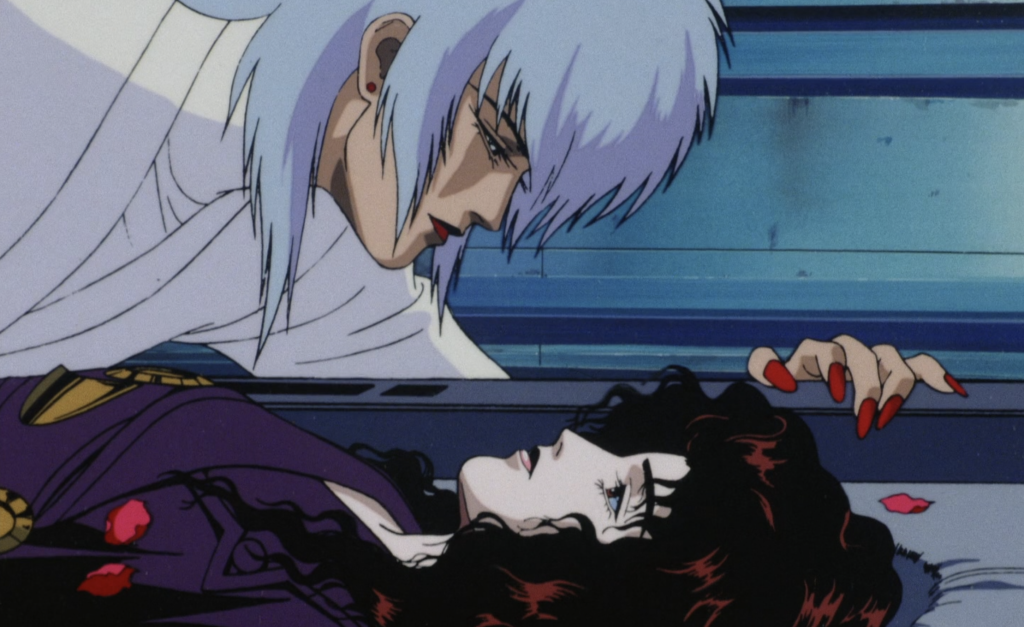 Benten and Remi from Cyber City Oedo 808. [Credit: Madhouse]
Directed by Yoshiaki Kawajiri, this 1990 cyberpunk trilogy earned its extreme reputation not just from its slick, cybernetic violence, but from its legendary, profanity-laced English localization by Manga Entertainment. The UK and US dubs weaponized creative swearing, transforming a stylish noir narrative into a barrage of vulgarity that shocked contemporary Western viewers accustomed to sanitized Saturday-morning cartoons.
While Kawajiri’s signature body horror, like cyber-vampires and exploding security collars, pushed late-night structural limits, the localized script genuinely tested the boundaries of home-video distribution standards, proving that language could be just as transgressive as gore.
9 Ninja Scroll Turned Feudal Japan Into a Blood-Soaked Nightmare
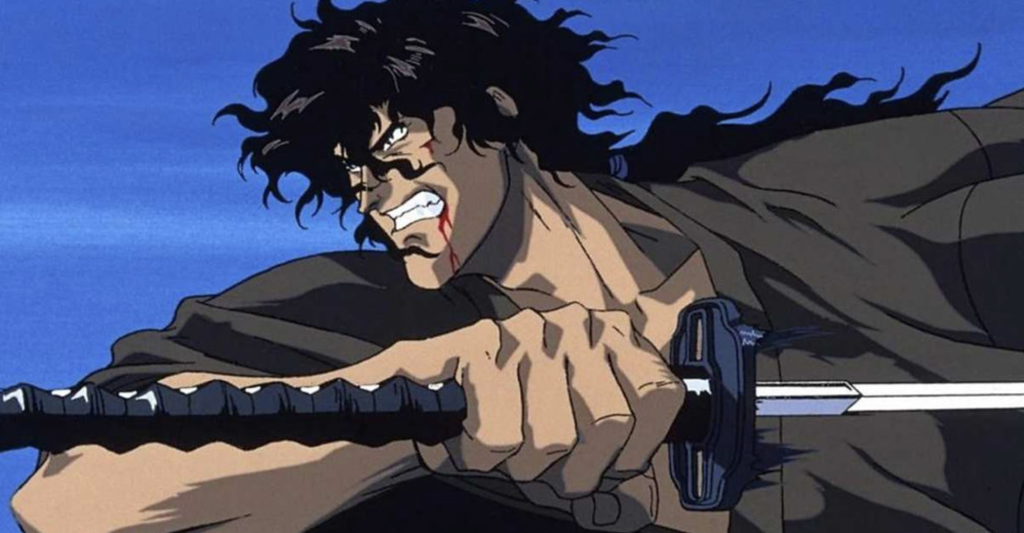 Jubei Kibagami from Ninja Scroll. [Credit: Animate Film]
While later entries push further into exploitation or outright shock cinema, Ninja Scroll deserves a place on this list because it brought extreme content to a much wider audience. Released in 1993, Yoshiaki Kawajiri’s film combined stunning action choreography with graphic dismemberment, body horror, se*ual violence, and grotesque villains.
Scenes involving the Devils of Kimon remain among the most disturbing in mainstream anime of the decade. Yet unlike many OVAs built around pure excess, Ninja Scroll used its brutality to heighten the dangers of its feudal fantasy world. Its popularity proved adult anime could succeed internationally, even when many viewers found its content deeply uncomfortable.
8 Violence Jack: Hell’s Wind Unleashed Unrelenting Post-Apocalyptic Lawlessness
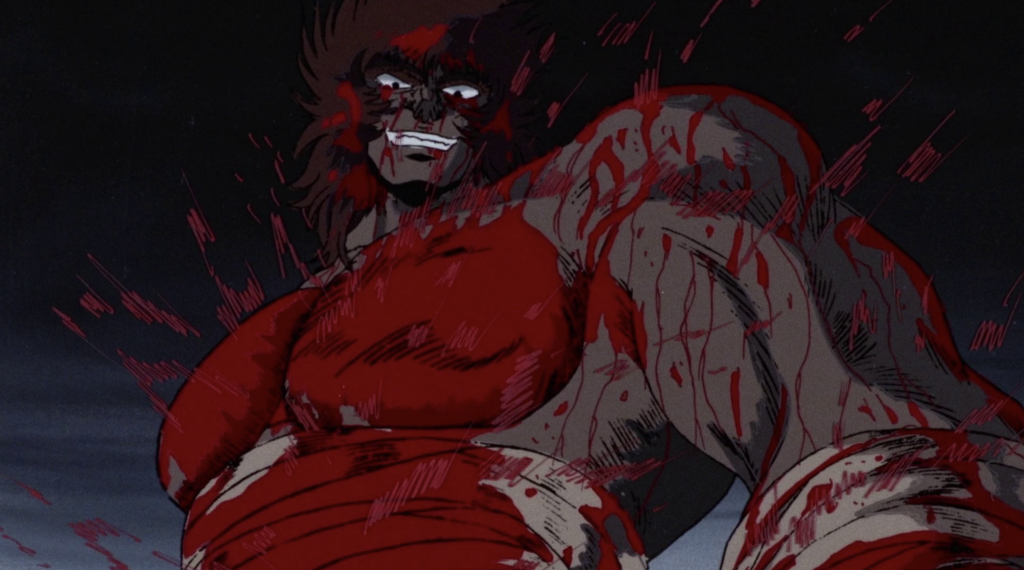 Jack from Violence Jack: Hell’s Wind. [Credit: Studio 88]
Based on Go Nagai’s manga, the 1990 OVA Violence Jack: Hell’s Wind represents a low-water mark for human depravity on screen. It depicts a post-apocalyptic wasteland defined by systemic s*xual violence, dismemberment, and torture. The extremity sparked immediate international backlash, leading to severe censorship or refused rating in countries like the UK and Australia.
It was designed specifically to test the absolute limits of graphic exploitation, leaving an enduring legacy as one of the most abrasive and controversial products of the video boom.
7 Perfect Blue Exposed a Dark, Terrifying Idol Nightmare
Satoshi Kon’s 1997 (1998 in Japan) psychological thriller subverted the entire anime medium by trading sci-fi monsters for grounded, real-world terror. Perfect Blue horrified contemporary audiences with its unflinching, claustrophobic depiction of celebrity stalking, identity dissociation, and a deeply disturbing, simulated s*xual assault sequence designed to strip the protagonist of her innocence.
Critics praised it, but viewers were deeply shaken by its psychological cruelty. Kon’s extremity served a profound artistic purpose: it weaponized the voyeuristic gaze of the audience against them, shattering the sanitized illusion of Japan’s idol industry.
6 Angel Cop Packed Radioactive Subplots and Severed Limbs
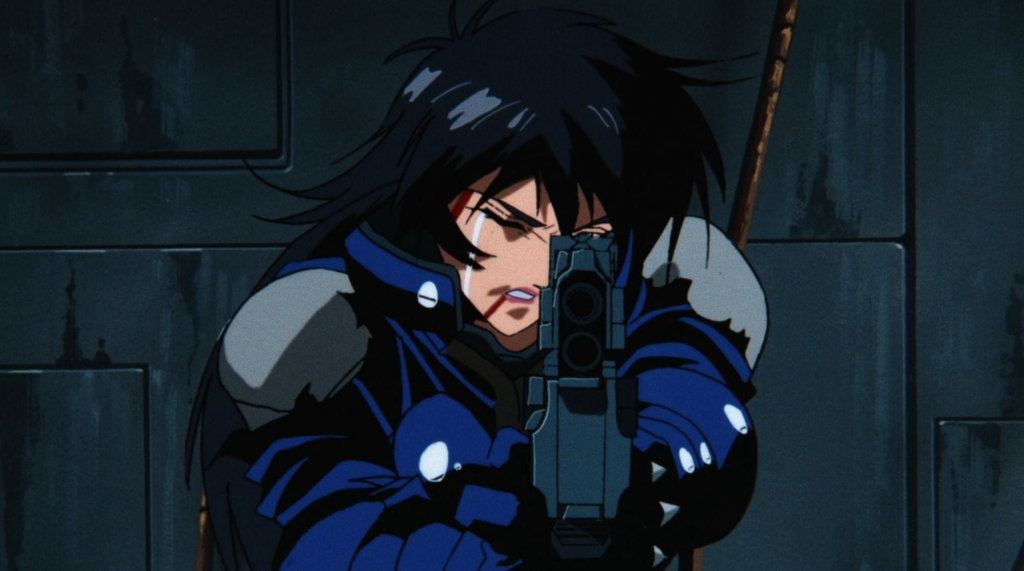 Angel from Angel Cop. [Credit: DAST]
This 1989–1994 OVA series represents the absolute zenith of ’90s political paranoia and unrestrained cyber-punk carnage. The OVA became infamous for racism, conspiracy thinking, anti-Semitism, and nationalism layered on top of action-horror violence, and later North American releases even censored some of that material from the Japanese dialogue.
A 2018 Discotek rescue and later Blu-ray release restored an uncensored subtitle track, which underlines how awkward the original material had become. Its problem is not just that it is excessive, but that its excess is ideological as well as visual.
5 MD Geist II Offered a Nihilistic Vision of Extinction
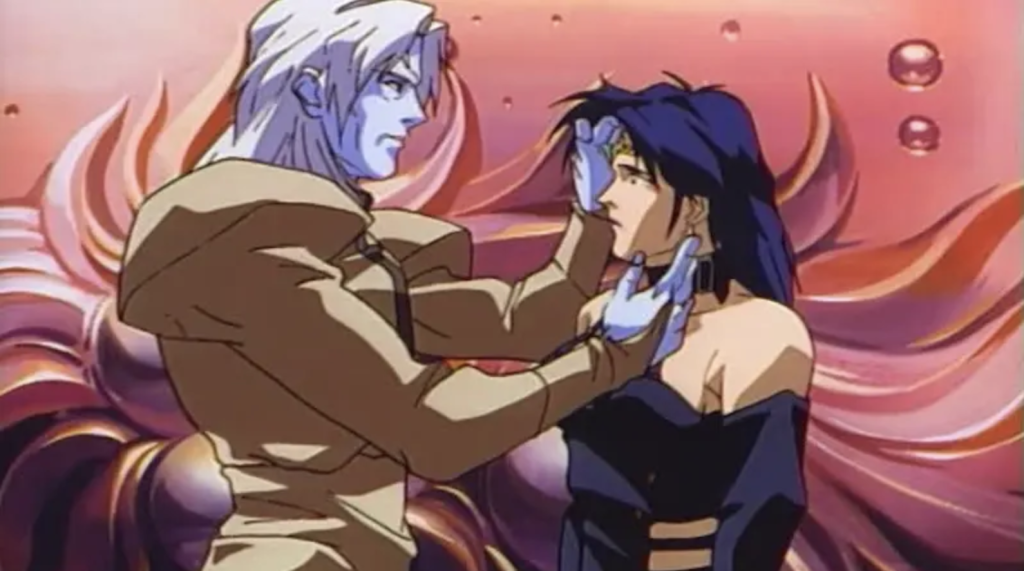 Geist and Vaiya from M.D. Geist II: Death Force. [Credit: Zero-G Room]
MD Geist II goes beyond the first film’s “best bad anime ever” reputation by making the apocalypse feel even more hopeless. According to the series’ release history, the sequel arrived after the original’s cult success, and its plot keeps following Geist as the Death Force devastates nearly everything around him, ending on a final image of his empty helmet.
The violence is not just abundant, it is terminal. Where some shock titles still leave room for catharsis, this one seems actively hostile to the idea that anything can be saved.
4 Golden Boy Featured Raunchy Humor Too Explicit for Today
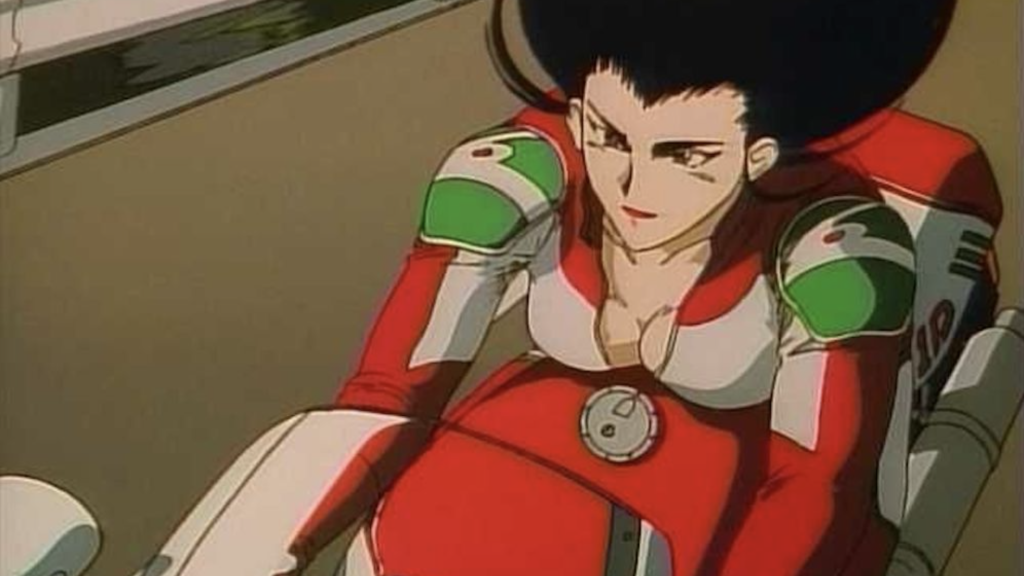 Reiko Terayama from Golden Boy. [Credit: A.P.P.P.]
Hiroyuki Kitakubo’s 1995 comedy Golden Boy pushed the boundaries of s*xual absurdity through its hyper-expressive, high-budget animation. While it masqueraded as an educational comedy, its extreme reliance on explicit fetishes, most notoriously Kintaro’s intense, ecstatic infatuation with toilet seats, provoked immense shock.
The OVA series managed to avoid outright bans by masking its explicit themes under slapstick humor and genuine heart. However, its hyper-s*xualized gags and boundary-pushing raunchiness broke contemporary broadcast taboos, ensuring that its specific brand of high-effort, low-brow erotica remains entirely unproducible within modern mainstream standards.
3 Kite Pushed Gritty Assassin Violence Past Modern Limits
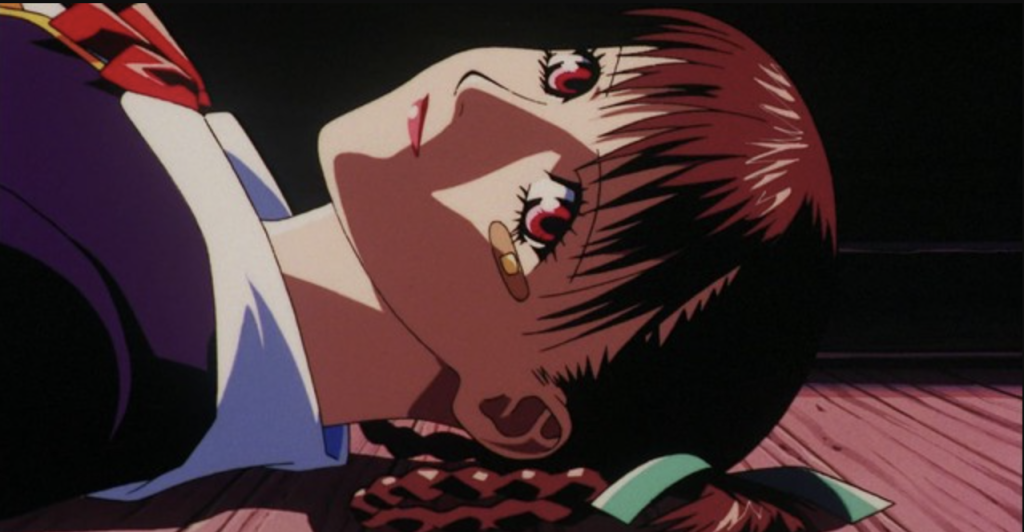 Sawa from Kite. [Credit: ARMS]
Yasuomi Umetsu’s 1998 masterpiece Kite remains one of the most controversial anime ever produced due to its highly explicit depiction of a minor engaged in assassin violence and s*xual exploitation. The OVA blended world-class, fluidly animated gun-fu action with deeply uncomfortable, non-consensual s*xual content.
The US version was heavily edited. While the violence beautifully underscored the bleak, corrupt world of its protagonist, the s*xual extremity threatened to completely overshadow Umetsu’s brilliant technical craftsmanship, sparking decades of fierce debate.
2 Genocyber Delivered the Most Graphic Apocalyptic Gore
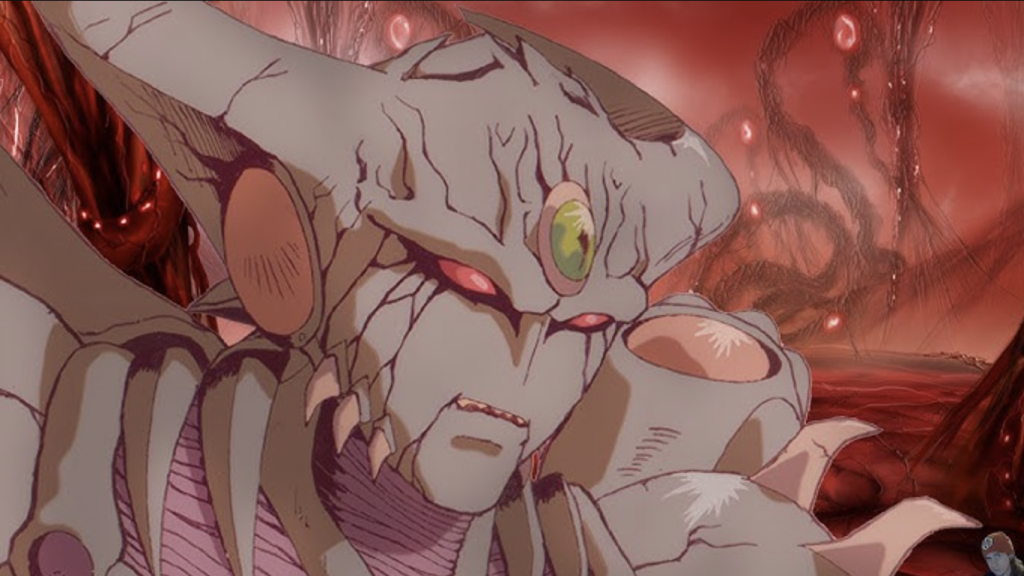 A still from Genocyber. [Credit: Artmic & Artland]
Released in 1994, Genocyber is universally recognized as the high-water mark for graphic body horror and apocalyptic gore. The OVA features unprecedentedly detailed depictions of physical trauma, heads crushed in real-time, and global-scale cybernetic annihilation.
Rather than advancing a cohesive cyberpunk plot, the extreme violence quickly became the central purpose of the production, leaving contemporary audiences deeply disturbed by its cold, clinical fascination with the utter destruction of the human form.
1 Midori Imploded Under the Weight of Grotesque Cruelty
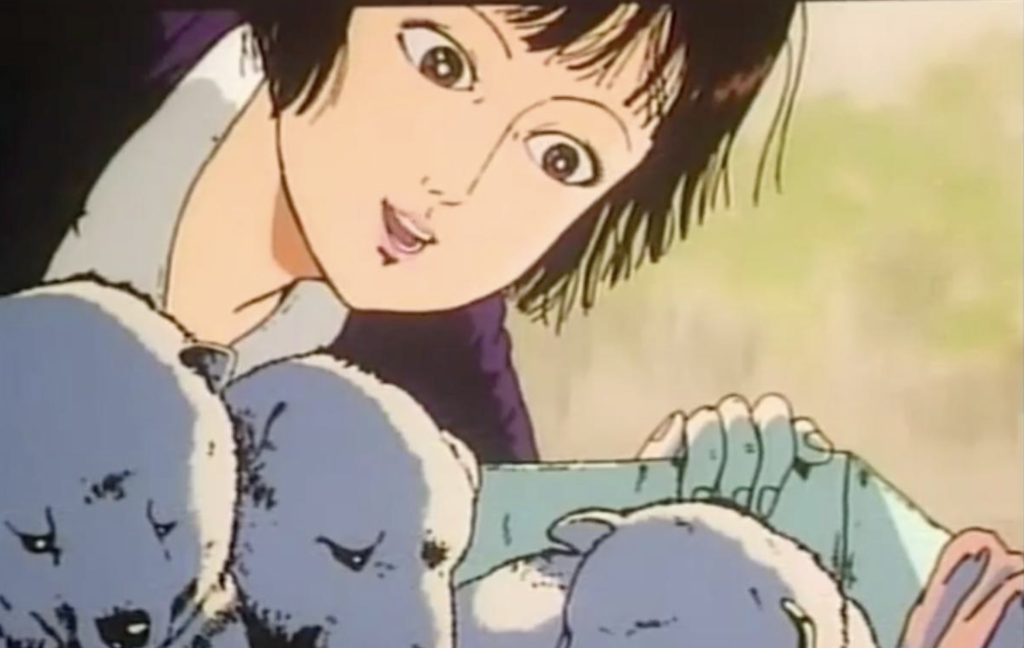 Midori from Midori. [Credit: Mippei Eiga Kiryūkan]
Hiroshi Harada’s 1992 independent adaptation of Midori (Mr. Arashi’s Amazing Freak Show) is the most extreme anime of the 1990s, and arguably of all time. Depicting the relentless physical, emotional, and s*xual abuse of an orphaned girl in a freak show, the film features instances of animal cruelty and grotesque exploitation that violated Japanese censorship laws.
Harada’s film later drew censorship demands from Japan’s Eirin, and spent years without normal Japanese home-video circulation; a French DVD release eventually preserved the uncensored version.
| Midori | May 2, 1992 | 6.2/10 | Not legally streaming in the US |
| Genocyber | May 24, 1994 | 6.1/10 | Generally unavailable on major US streaming platforms |
| Kite | February 25, 1998 | 6.6/10 | Tubi (availability varies) |
| Golden Boy | October 27, 1995 | 8.0/10 | Crunchyroll, Prime Video |
| MD Geist II: Death Force | March 1, 1996 | 4.8/10 | Tubi (availability varies) |
| Angel Cop | September 1, 1989– May 20, 1994 (6-part OVA) | 6.6/10 | Crunchyroll, Prime Video |
| Perfect Blue | February 28, 1998 | 8.0/10 | HBO Max |
| Violence Jack: Hell’s Wind | November 9, 1990 | 5.5/10 | Apple TV (rent/buy) |
| Ninja Scroll | June 5, 1993 | 7.8/10 | HiDive, Apple TV (availability varies) |
| Cyber City Oedo 808 | June 21, 1990 | 7.5/10 | Crunchyroll, Prime Video (availability varies) |
Have you watched any of these? Let us know below!
























 Bengali (BD) ·
  English (US) ·