.png)
 2 weeks ago
14
2 weeks ago
14
Did you know that a rainstorm stopped the world’s descent into fascism?
Possibly, if you paid attention in your AP history course in high school. For the rest of us, however, the key insight from Pressure, the upcoming World War II drama, will likely make you reconsider the importance of meteorology in your everyday life.
Exploring D-Day through Pressure
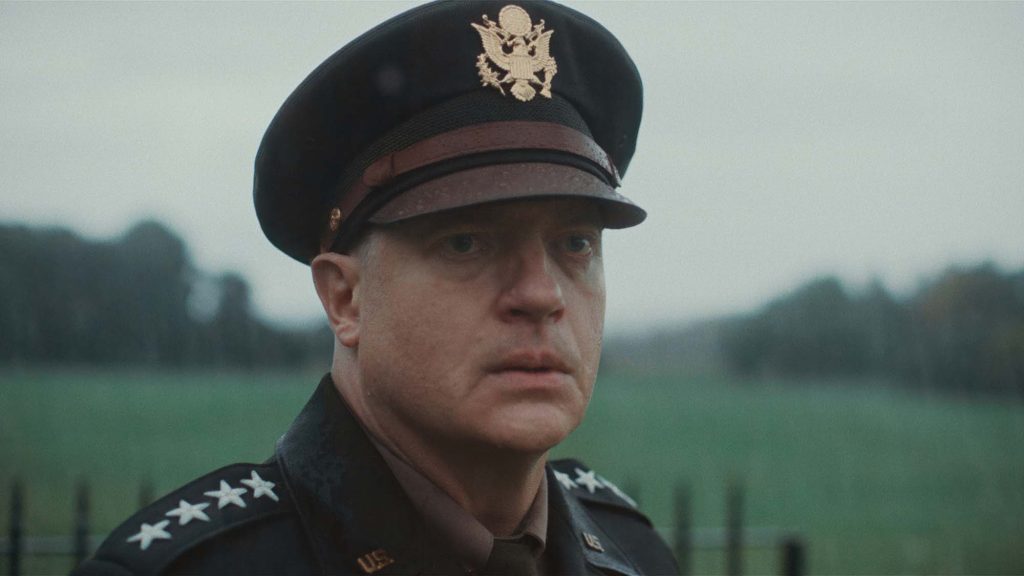
Pressure is the story behind D-Day, the consequential battle at the beaches of Normandy, France that tipped the war scales in the Allied Forces’ favor and marked the beginning of the end of Adolf Hitler’s attempted establishment of a new world order. What people may not know is that D-Day’s success stemmed from the work of Group Captain James Stagg, played by Andrew Scott. Stagg was a meteorologist who was recommended by British Prime Minister Winston Churchill to help General Eisenhower (Brendan Fraser) determine whether the weather conditions were optimal for the invasion of Axis-occupied Europe.
The stakes were extraordinarily high: if D-Day experienced a significant delay, the Axis forces would likely intercept the plans and the Allies would lose the critical element of surprise. On the other hand, if D-Day went ahead in the midst of a meteorological malady, the losses to the Allied troops would be catastrophic and the war would’ve effectively gone to the Nazis. In other words, the fate of the modern world would be up to the weather report you listen to while making your morning coffee.
“I very quickly became obsessed with the idea of these unsung hidden figures who, with the stroke of their weather chart pencils, moved armies, moved history, and decided the fate of hundreds of thousands of men, if not the free world,” director Anthony Maras explained in an interview with FandomWire. “All of these super capable, super bright, intelligent army officers, generals, scientists, meteorologists – they all desperately wanted the same thing. They wanted to win, they wanted to do it safely.”
Maras continued, “They had very different ideas of how to get here, and watching them go somewhat insane trying to search for an answer when they didn’t have all the facts behind them, I thought that was really interesting.”
The film was driven by several different male ego clashes as the Allied team seeks an answer to the question about D-Day’s weather forecast. Stagg is consistently at loggerheads with Irving Krick (Chris Messina), his U.S. counterpart, who insists that D-Day will have clear skies. Stagg rejects Krick’s forecast, arguing that the European climate is notoriously volatile, and there are enough patterns to suggest a rainstorm that would wash the Allies away. Of course, that isn’t what Eisenhower wants to hear, which puts him at odds with Stagg as well.
Eisenhower does have other considerations affecting his judgment. Six weeks before D-Day, Eisenhower watched as Operation Tiger, a rehearsal for the invasion, was derailed by communication errors, friendly fire, and an unexpected ambush by Axis E-boats. The operation led to the deaths of 749 American servicemen, one of the worst friendly fire incidents in U.S. military history.
“I didn’t know what had to have been on Dwight Eisenhower’s mind that morning when he had to decide if or not to give the command for Operation Overload to proceed and storm the beaches of Normandy with 300,000 troops,” Brendan Fraser said, explaining Eisenhower’s mindset during the film and how it may have shaped how he approached the meteorological planning around the Normandy invasion. “He had to have been racked with a conscience on that fateful weekend.”
The trauma of a failed rehearsal, combined with the combative uncertainty of European weather patterns only amplified the tensions within the rooms filled with powerful, unrepentant egos. As such, Pressure is also about power, its different types, and how it functions in practice.
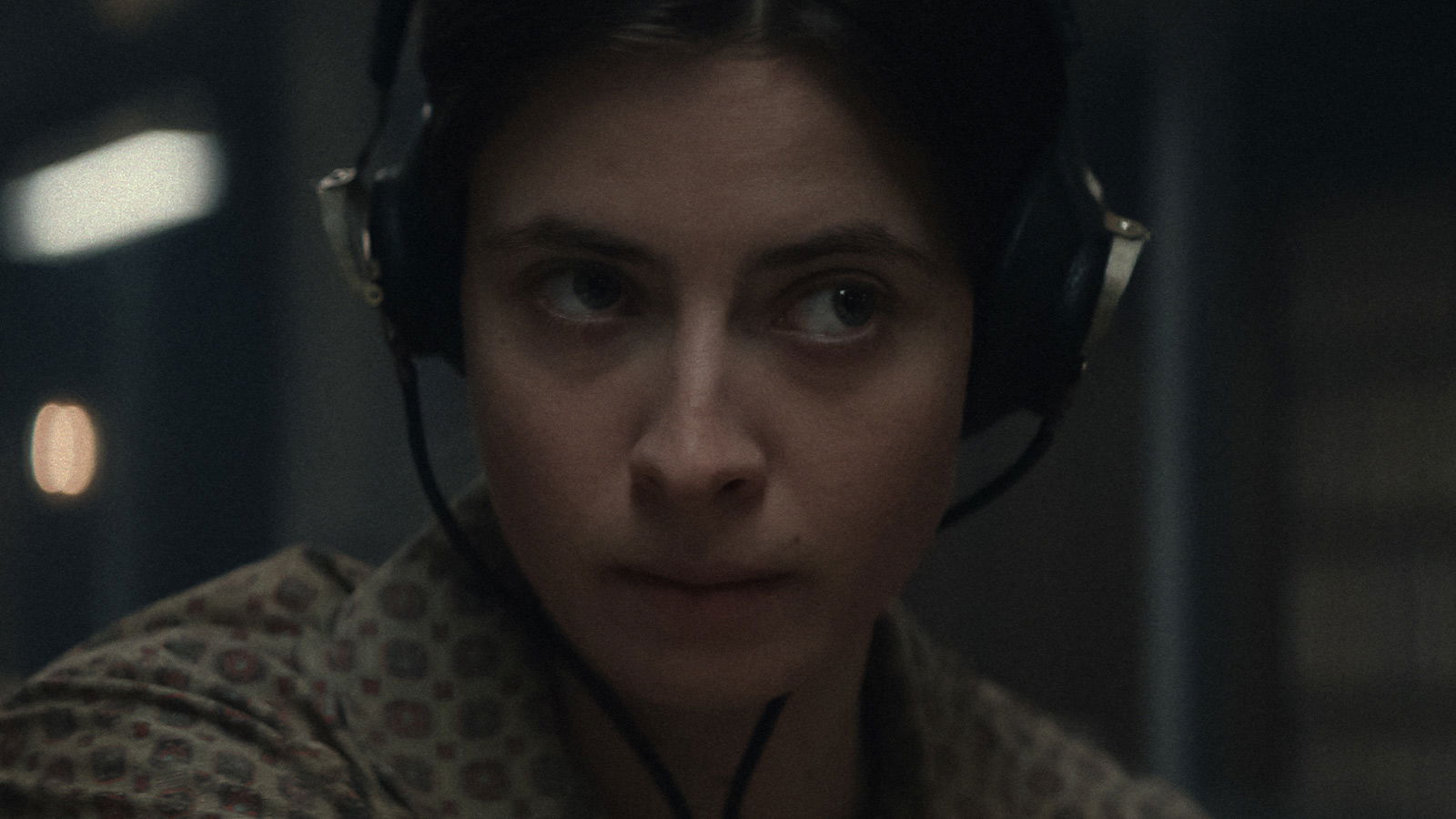
One of the film’s most powerful characters is Kay Summersby, General Eisenhower’s personal secretary during the war, played by Kerry Condon. She is responsible for coordinating amongst all those egos, providing logistical and emotional support as Eisenhower grapples with the lingering effects of Operation Tiger, and Stagg’s fears about his pregnant wife back home.
“I think it’s interesting that, when the men are at their lowest ebbs, she’s the one who’s there for them,” Condon says of Summersby’s role on the team. “When their mental health is suffering, Kay is the one who’s able to help them and be a nurturing force.”
Kerry Condon delves into the relationships of Pressure
Condon lasers in on Summersby and Eisenhower’s relationship. “When he’s alone with her, when he’s being very honest about regrets and mistakes he’s made in the past, I think those were much more, tender, human moments. She’s not seeing him as a general; she’s just seeing him as a person. The tone shifts for both of them when they’re out in public with everyone. He has to be imposing, he has to do his job, and likewise for her.”
As influential as hard and soft power are in war, Pressure reinforces the undeniable but oft-forgotten truth that humanity plays at the whims of nature.
“Nature is all around us,” Maras said about what he hoped Pressure communicated to audiences. “It governs our lives, governs the fates of empires, wars, and civilizations, but it’s largely invisible to us. I found it very compelling that Stagg could pull back the curtain and share the matrix code behind nature. We take it for granted.”
But what of the power that comes from understanding the unpredictability of nature, a power that changed the course of history?
Maras explained, “Having Stagg know that he had to tell these people what he’s found out, but knowing that they don’t want to hear it but need to, and watching him agonize over how to best get this message across…I think it’s very relevant today. Listening to expert opinion, having the humility to talk about things you might not know about, and admitting that you don’t know. How do we bring our best selves to the table when we don’t have the answers? Who do you trust to make the call? Pressure is an attempt to answer that question.”






















 Bengali (BD) ·
  English (US) ·