.png)
 4 hours ago
12
4 hours ago
12
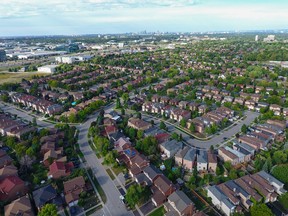
Article content
Municipal infrastructure is the backbone that supports the living fabric of our communities.

THIS CONTENT IS RESERVED FOR SUBSCRIBERS
Enjoy the latest local, national and international news.
- Exclusive articles by Conrad Black, Barbara Kay and others. Plus, special edition NP Platformed and First Reading newsletters and virtual events.
- Unlimited online access to National Post.
- National Post ePaper, an electronic replica of the print edition to view on any device, share and comment on.
- Daily puzzles including the New York Times Crossword.
- Support local journalism.
SUBSCRIBE FOR MORE ARTICLES
Enjoy the latest local, national and international news.
- Exclusive articles by Conrad Black, Barbara Kay and others. Plus, special edition NP Platformed and First Reading newsletters and virtual events.
- Unlimited online access to National Post.
- National Post ePaper, an electronic replica of the print edition to view on any device, share and comment on.
- Daily puzzles including the New York Times Crossword.
- Support local journalism.
REGISTER / SIGN IN TO UNLOCK MORE ARTICLES
Create an account or sign in to continue with your reading experience.
- Access articles from across Canada with one account.
- Share your thoughts and join the conversation in the comments.
- Enjoy additional articles per month.
- Get email updates from your favourite authors.
THIS ARTICLE IS FREE TO READ REGISTER TO UNLOCK.
Create an account or sign in to continue with your reading experience.
- Access articles from across Canada with one account
- Share your thoughts and join the conversation in the comments
- Enjoy additional articles per month
- Get email updates from your favourite authors
Sign In or Create an Account
or
Article content
Our economic, social and cultural well-being and prosperity is contingent on the functioning of the pipes in the ground, the wires overhead, the roads, transit and services we use to meet the needs and demands of present and future residents.
Article content
Article content
In the Greater Toronto Area (GTA), we are fortunate to turn on the tap and have access to clean, safe fresh water. We are able to plug in our fans and reliable electricity powers it, we generally have access to efficient and affordable transit, we flush the toilet and the wastewater is whisked away to be safely treated.
Article content
Article content
So much depends on municipal infrastructure – including the provision of new housing, as after all, you cannot build a new home if you are unable to turn on the tap in that home, or flush the toilet.
Article content
While not the most illustrious topic, how and when we build infrastructure and how it is funded must be one of the top issues in October’s Ontario municipal election.
Article content
As citizens, so much of our everyday lives depend on the smooth functioning of municipal infrastructure. It only takes it not working, to be reminded of its significance once more.
Article content
What people may not be aware of is how municipal infrastructure, or the lack thereof, impacts the supply and affordability of new homes.
Article content
Across the GTA, there are countless examples of projects that cannot proceed or are facing delays because there is insufficient infrastructure capacity.
Article content
We have an unfortunate track record in the GTA of investing in municipal infrastructure in fits and starts. We plan, fund and build much-needed infrastructure and celebrate the projects, and then stop building for a protracted period of time.
Article content
Then, after a decade or two, we again find ourselves at the beginning of the infrastructure journey – we have a crisis, are in an infrastructure deficit, and then plan, fund and build once more. Afterwards, we once again celebrate the projects and then stop building.
Article content
Article content
There are three challenges with this approach.
Article content
First, this pattern becomes very expensive – municipalities have to deal with pent up infrastructure issues which means they are paying for yesterday’s costs, at present-day prices and with only tomorrow’s revenues to look forward to.
Article content
Second, a disproportionate amount of the infrastructure cost invariably gets added to the cost of new development (both housing and commercial). This drives up the cost of these new buildings and either makes new housing more expensive, or new retail, industrial and commercial buildings more expensive. This ultimately undercuts the competitiveness of the region.
Article content
And finally, this pattern of stopping and starting infrastructure building, creates disruption that impacts the provision of new housing and other forms of buildings. The instability and uncertainty that this creates discourages investment in the sector.
Article content
This ultimately limits the supply of new housing and drives up costs and affects housing affordability.
Article content
In this upcoming election, it is time we have a serious discussion about infrastructure – one that will lead us away from the “fits and starts approach,” towards a new system where we are continually assessing the infrastructure needs of the GTA.






























 Bengali (BD) ·
  English (US) ·