.png)
 1 hour ago
23
1 hour ago
23

Article content
Ten days into one of the most dangerous phases of the U.S.-Iran war, the killing of four American soldiers has dramatically expanded the conflict, opening new fronts and new threats to oil markets, and raising the spectre of a prolonged war of attrition across the Middle East.

THIS CONTENT IS RESERVED FOR SUBSCRIBERS
Enjoy the latest local, national and international news.
- Exclusive articles by Conrad Black, Barbara Kay and others. Plus, special edition NP Platformed and First Reading newsletters and virtual events.
- Unlimited online access to National Post.
- National Post ePaper, an electronic replica of the print edition to view on any device, share and comment on.
- Daily puzzles including the New York Times Crossword.
- Support local journalism.
SUBSCRIBE FOR MORE ARTICLES
Enjoy the latest local, national and international news.
- Exclusive articles by Conrad Black, Barbara Kay and others. Plus, special edition NP Platformed and First Reading newsletters and virtual events.
- Unlimited online access to National Post.
- National Post ePaper, an electronic replica of the print edition to view on any device, share and comment on.
- Daily puzzles including the New York Times Crossword.
- Support local journalism.
REGISTER / SIGN IN TO UNLOCK MORE ARTICLES
Create an account or sign in to continue with your reading experience.
- Access articles from across Canada with one account.
- Share your thoughts and join the conversation in the comments.
- Enjoy additional articles per month.
- Get email updates from your favourite authors.
THIS ARTICLE IS FREE TO READ REGISTER TO UNLOCK.
Create an account or sign in to continue with your reading experience.
- Access articles from across Canada with one account
- Share your thoughts and join the conversation in the comments
- Enjoy additional articles per month
- Get email updates from your favourite authors
Sign In or Create an Account
or
Article content
Among the dead were a teenage female soldier, a young serviceman who had planned to marry his fiancée after completing his deployment, and a twenty year old female, all killed when Iranian strikes hit a military base used by American forces in Jordan on July 17. Two days later, a father of two died while disposing of a downed attack drone in northern Iraq. Their deaths brought the U.S. military death toll to 18 since the war began on Feb. 28, while nearly 100 American service members have been wounded during the past two weeks of escalating Iranian reprisals, according to the Pentagon.
Article content
Article content
Article content
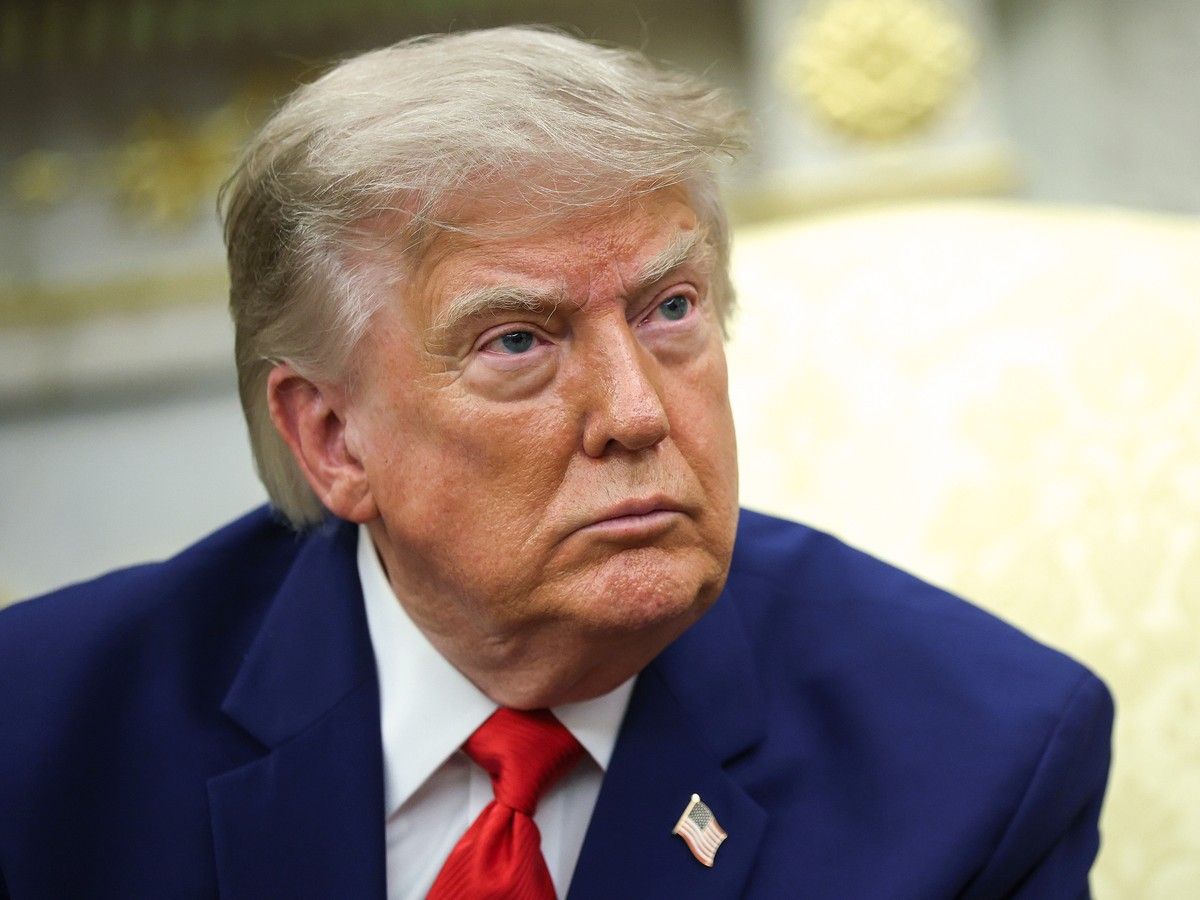
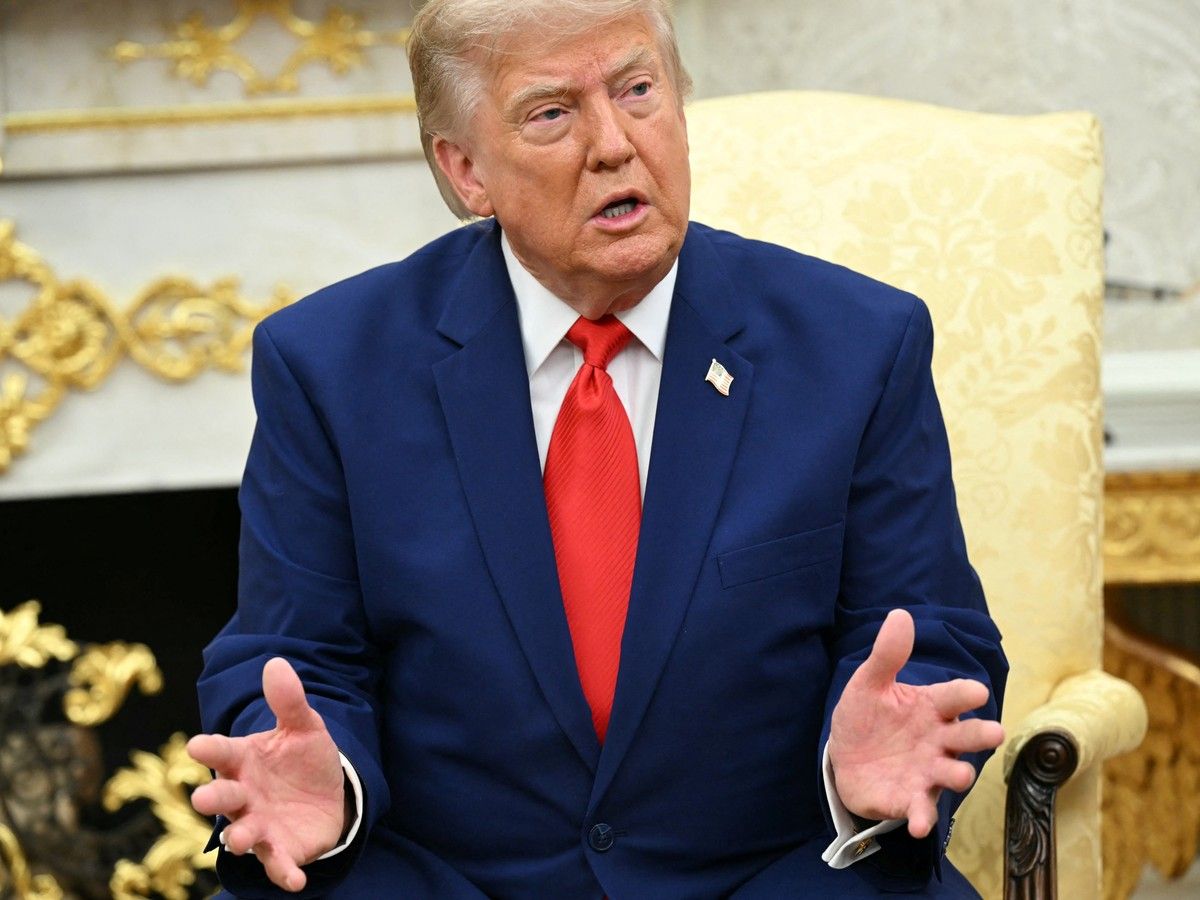
Nothing shakes a nation at war more than the sight of flag-draped coffins returning home from the battlefield. President Donald Trump understands that political reality, which is why he has vowed that Iran will pay “many times over” for the deaths of U.S. soldiers. His warning signals that every American casualty raises the risk of an even more devastating escalation.
Article content
By signing up, you consent to receive the above newsletter from Postmedia Network Inc.
Article content
As images of those flag-draped coffins flanked by officers honouring their fallen soldiers filled television screens during a state funeral Wednesday, Trump responded with one of his signature Truth Social posts, warning that the United States would strike Iranian bridges and power plants if Tehran continued attacking commercial vessels transiting the Strait of Hormuz.
Article content
“From this point forward, any time the Islamic Republic of Iran shoots at a ship in the Strait of Hormuz, whether it be by Missile, Rocket, Drone, or any other device or weapon, the United States will bomb and destroy ONE BRIDGE OR POWER PLANT, including those located next to, or in, the Capital City of Tehran,” the president wrote.”
Article content
Article content
The ceasefire effectively collapsed last week as the Strait of Hormuz once again became a flashpoint. Iran intensified what many regional officials describe as state-backed maritime coercion, demanding fees from commercial vessels, obstructing shipping lanes, and disrupting navigation through one of the world’s most critical energy corridors
Article content
Article content
Over the past 10 days, the U.S. bombing campaign has expanded beyond degrading Iran’s military capabilities — targeting drone and ballistic missile launch sites, coastal surveillance and maritime tracking facilities, military command networks, communications infrastructure, and air defense batteries — to include dual-use infrastructure. Among the latest targets are key transport links, including the B1 Bridge between Tehran and Karaj and six bridges in Hormozgan Province, which Washington says the IRGC used to transport missile components.
Article content
In response, Iran once again targeted U.S. bases and military assets in Bahrain, Qatar, Kuwait, and Jordan with missiles and drones.
Article content
As the U.S. strikes continued well into their eleventh day Iran’s intensified attacks on commercial shipping, targeting at least nine vessels and tankers, including Greek-owned ships, have been attacked over the past week and a half, disrupting maritime traffic and triggering more U.S. retaliatory strikes.



















/https%3A%2F%2Fsportsmole-media-prod.s3.gra.io.cloud.ovh.net%2Fuploads%2F2026%2F03%2Ficonsport-361551-0102-1-69b560866f7b6508942731.jpg)
 Bengali (BD) ·
  English (US) ·