.png)
 1 week ago
19
1 week ago
19
Netflix’s Michael Jackson: The Verdict arrives at a time when conversations about Michael Jackson have returned to the spotlight. The recent success of the Michael biopic introduced his story to a new generation, but Netflix’s three-part documentary takes a very different approach. Rather than celebrating the singer’s rise to fame, it revisits the trial that threatened to define his final years.
The documentary examines the 2005 case that saw Jackson face multiple criminal charges, including child molestation allegations involving Gavin Arvizo. Through interviews with jurors, journalists, attorneys, and people who followed the proceedings closely, the series attempts to reconstruct a trial that much of the public experienced only through news reports and commentary.
Michael Jackson: The Verdict: Trial that Became a Global Story
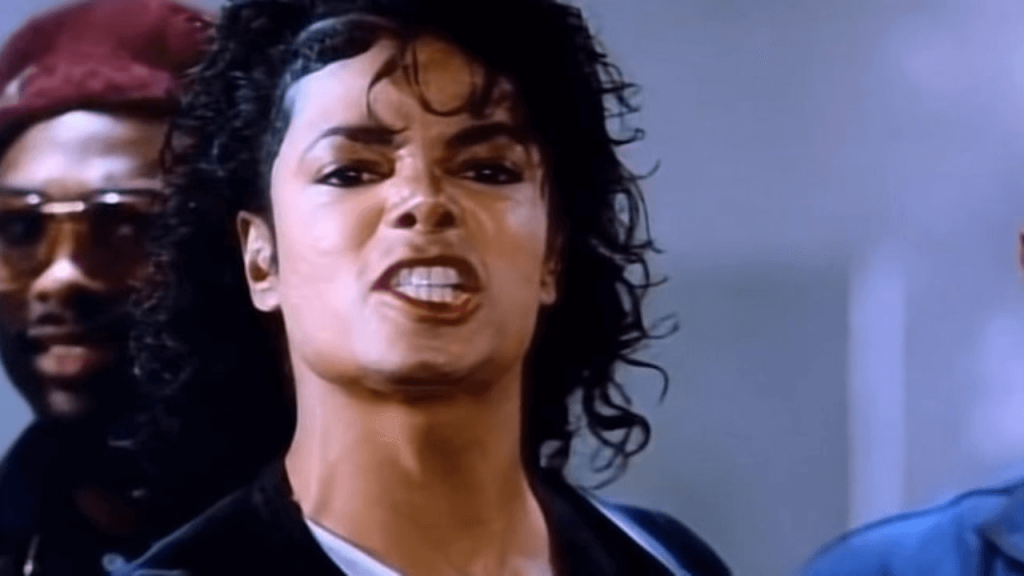 Michael Jackson in a still from the music video of Bad | Credits: Epic
Much of Michael Jackson: The Verdict focuses on the events that led to one of the most closely watched celebrity trials in history. The case stemmed from allegations made by Gavin Arvizo, a young cancer survivor who had developed a friendship with Jackson. Public attention intensified after Living with Michael Jackson, Martin Bashir’s controversial documentary, aired in 2003. The program showed Jackson speaking openly about sharing his bedroom with children and featured his friendship with Arvizo.
The broadcast triggered widespread criticism and renewed scrutiny. Investigators reopened inquiries, and prosecutors eventually charged Jackson with multiple offenses, including child molestation, administering alcohol to a minor, attempted molestation, and conspiracy-related charges. The documentary reminds viewers just how intense the media coverage became. Reporters filled the courthouse grounds daily. Every witness testimony generated headlines. Jackson’s celebrity status ensured that the case was discussed around the world long before social media transformed how major news stories spread.
How Michael Jackson: The Verdict Revisits The Evidence
 Michael Jackson: The Verdict | Credit: Netflix
One of the most interesting aspects of Netflix’s Michael Jackson: The Verdict is that it revisits both sides of the case instead of focusing exclusively on one narrative. The prosecution argued that Jackson had abused his position of trust and used his fame to manipulate vulnerable families. Gavin Arvizo and other witnesses testified about alleged misconduct, while prosecutors attempted to establish a pattern of behavior through additional testimony.
The defense pushed back aggressively. Jackson’s legal team challenged witness credibility and argued that inconsistencies in testimony created reasonable doubt. Several well-known figures, including Macaulay Culkin, Chris Tucker, George Lopez, Wade Robson, and Brett Barnes, testified on Jackson’s behalf during the trial. Netflix does not present the courtroom as a simple battle between heroes and villains. Instead, the documentary spends considerable time showing how complicated and emotionally charged the proceedings were for everyone involved.
Because cameras were not allowed inside the courtroom, many viewers at the time relied entirely on media coverage. The documentary argues that this created a situation where public understanding of the case was often shaped by commentators rather than direct observation.
Why the Jury Found Michael Jackson Not Guilty
 Michael Jackson: The Verdict | Credit: Netflix
The jury’s decision sits at the center of Michael Jackson: The Verdict. After approximately 32 hours of deliberations spread across seven days, jurors returned not-guilty verdicts on all charges on June 13, 2005. The documentary spends a significant amount of time examining why jurors reached that conclusion. According to juror accounts revisited in the series, several members of the jury felt that the prosecution’s case contained too many weaknesses. Concerns about timelines, contradictions in testimony, and questions regarding witness credibility became important factors during deliberations.
One of the recurring points raised throughout the documentary is the distinction between suspicion and proof. Jurors were not tasked with deciding whether Jackson’s behavior appeared unusual. Their responsibility was to determine whether prosecutors had proven the criminal charges beyond a reasonable doubt. Several jurors later explained that they did not believe the evidence met that standard. Others said they expected stronger supporting evidence than what was ultimately presented during the trial. The documentary suggests that understanding this distinction is essential to understanding the verdict itself.
What Happened to Michael Jackson After the Trial?
 Michael Jackson: The Verdict | Credit: Netflix
The title of the documentary may focus on the verdict, but its ending is ultimately concerned with what came afterward. After his acquittal, Jackson’s life never fully returned to what it had been before the allegations and trial. The documentary notes that he largely stepped away from Neverland Ranch and spent periods of time living outside the United States.
Although the criminal proceedings had ended, public debate surrounding Jackson did not. Questions about his relationships with children continued to generate discussion. New documentaries, lawsuits, interviews, and investigations kept the controversy alive long after the jury had delivered its decision. For supporters, the acquittal represented vindication after years of accusations. For critics, the verdict did not necessarily resolve their concerns. The documentary makes it clear that the legal case may have ended in 2005, but the conversation surrounding Michael Jackson never truly stopped.
Michael Jackson: The Verdict Ending Explained
 Michael Jackson: The Verdict | Credit: Netflix
The final moments of Michael Jackson: The Verdict are surprisingly quiet. Rather than ending on dramatic courtroom footage or heated debate, the documentary shifts its focus toward the years that followed the trial. Viewers are informed that Michael Jackson died four years after the verdict, in 2009. The documentary also notes that the Arvizo family had not spoken publicly since the conclusion of the trial.
Then Netflix leaves audiences with a final observation that feels deliberate. Despite decades of controversy, allegations, media scrutiny, documentaries, and legal battles, Michael Jackson’s music continues to reach new generations of listeners around the world. Millions still discover his songs. His albums continue to sell and stream. His influence remains visible throughout popular music. The documentary concludes by acknowledging that he is still widely regarded as the King of Pop.
That final message is important because it shifts the discussion away from guilt, innocence, and courtroom strategy. Instead, Netflix asks viewers to think about legacy. The documentary does not claim that controversy has disappeared. It clearly recognizes that debates about Jackson continue to this day. At the same time, it acknowledges another reality that is impossible to ignore: his cultural impact has endured.
That is ultimately the point Netflix leaves viewers with. Whether people view Michael Jackson primarily through the lens of his music, his trial, or the controversy that followed him throughout his life, his story remains one of the most discussed chapters in entertainment history. What do you think of Michael Jackson: The Verdict? Have you watched the documentary yet? If you have, share your thoughts in the comments below!
Michael Jackson: The Verdict is streaming on Netflix.


























 Bengali (BD) ·
  English (US) ·