.png)
 2 hours ago
6
2 hours ago
6

Article content
Sir Wilfrid Laurier understood something fundamental about competing with the United States: Canada cannot win by matching America’s size or resources. We win by being more competitive. He believed the burdens of government, taxes and regulation had to be kept lighter here than south of the border to attract investment, industry and people.

THIS CONTENT IS RESERVED FOR SUBSCRIBERS
Enjoy the latest local, national and international news.
- Exclusive articles by Conrad Black, Barbara Kay and others. Plus, special edition NP Platformed and First Reading newsletters and virtual events.
- Unlimited online access to National Post.
- National Post ePaper, an electronic replica of the print edition to view on any device, share and comment on.
- Daily puzzles including the New York Times Crossword.
- Support local journalism.
SUBSCRIBE FOR MORE ARTICLES
Enjoy the latest local, national and international news.
- Exclusive articles by Conrad Black, Barbara Kay and others. Plus, special edition NP Platformed and First Reading newsletters and virtual events.
- Unlimited online access to National Post.
- National Post ePaper, an electronic replica of the print edition to view on any device, share and comment on.
- Daily puzzles including the New York Times Crossword.
- Support local journalism.
REGISTER / SIGN IN TO UNLOCK MORE ARTICLES
Create an account or sign in to continue with your reading experience.
- Access articles from across Canada with one account.
- Share your thoughts and join the conversation in the comments.
- Enjoy additional articles per month.
- Get email updates from your favourite authors.
THIS ARTICLE IS FREE TO READ REGISTER TO UNLOCK.
Create an account or sign in to continue with your reading experience.
- Access articles from across Canada with one account
- Share your thoughts and join the conversation in the comments
- Enjoy additional articles per month
- Get email updates from your favourite authors
Sign In or Create an Account
or
Article content
More than a century later, that wisdom feels painfully relevant. The collapse of trade talks with the United States has left our steel and manufacturing sectors in limbo. Lingering high tariffs, retaliatory measures and a cloud of uncertainty are hanging over businesses that form the backbone of Ontario, Quebec and other provinces.
Article content
Article content
Article content
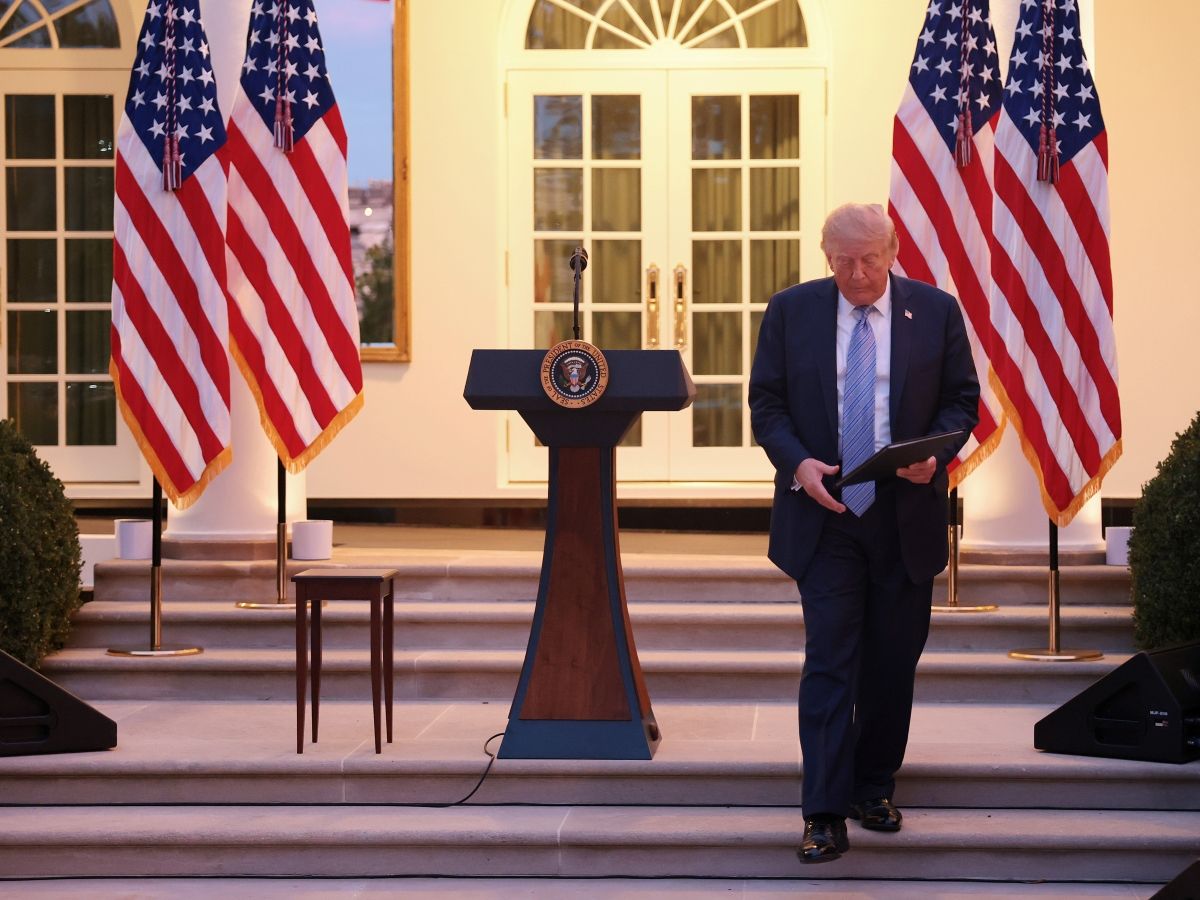
Many of the structural problems facing Canadian industry predate U.S. President Donald Trump. Canada entered this trade fight with too little economic room to manoeuvre. Years of weak investment, regulatory accumulation and an uncompetitive tax environment have rendered Canadian manufacturers more vulnerable to decisions made in Washington.
Article content
By signing up you consent to receive the above newsletter from Postmedia Network Inc.
Article content
The Steel industry supports roughly 23,000 direct jobs, with indirect jobs adding another 100,000 or so, according to the Steel Producers Association. Manufacturing as a whole employs over 1.5 million Canadians. Behind these numbers are families, communities and livelihoods. When a mill in Hamilton or Sault Ste. Marie slows down, the pain ripples through the supply chain, affecting everyone from truckers to office furniture manufacturers.
Article content
Prior to entering politics, I spent over 20 years in the steel industry working alongside the men and women who make up the backbone of the Canadian economy. Canadians in these industries don’t live in the same world or face the same pressures as many in the political and commentariat class. For those operating businesses in industries facing the prospects of a trade war, it invokes anxiety about making payroll next month and keeping their workers who have families to feed employed.
Article content
Article content
To be clear, Canada certainly cannot accept terms of a trade deal with the United States that hollows out our industrial capacity, threatens our sovereignty, or treats Canadian producers as second-class suppliers in our own integrated market. But pretending the pain is shared equally on both sides of the border is a fantasy. American consumers and manufacturers will feel some pressure as inputs and prices rise, while Canada’s smaller, export-dependent economy takes the harder hit.
Article content
Article content
Our integrated supply chains, built over decades under the North American Free Trade Agreement and the Canada-United States-Mexico Agreement were never designed for this kind of friction. What these sectors need most right now is clarity. Businesses can survive tough conditions if they can plan. When they know the rules of the game, they can budget, invest in equipment and hire. Prolonged uncertainty is a silent killer. It freezes capital expenditure, delays expansions and makes business owners and investors hesitate to take on the very risks that create jobs and lead to long-term growth.


























 Bengali (BD) ·
  English (US) ·