.png)
 1 hour ago
10
1 hour ago
10
Kenjiro Tsuda, who is one of the most famous voice actors in Japan, has reportedly filed a lawsuit against an anonymous TikTok user in Japan over allegedly using the actor’s voice generated through artificial intelligence algorithms. This incident has already become a major discussion in anime and voice acting communities, as it may shape how Japanese law handles AI-generated voice cloning in the future.
The case reportedly involves more than 180 TikTok videos, which reportedly used AI tools to create copies of Tsuda’s deep and husky voice. Also, according to reports by Kyodo News Japan, the account behind these videos made more than ¥750,000 monthly.
Inside Kenjiro Tsuda’s Legal Battle Over AI Voice Cloning on TikTok
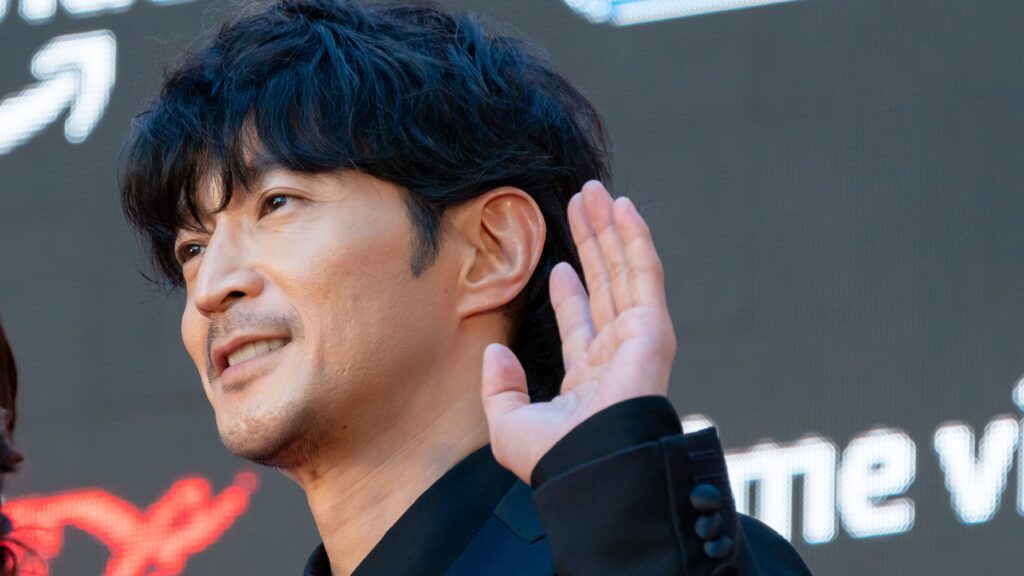 Kenjiro Tsuda is taking action against AI-generated TikTok videos | Image Credit: Dick Thomas Johnson, CC BY 2.0, via Wikimedia Commons
It was reported that Kenjiro Tsuda, best known for voicing Kento Nanami in Jujutsu Kaisen and Seto Kaiba in Yu-Gi-Oh!, filed the lawsuit after an unnamed TikTok user had allegedly posted at least 188 videos featuring narration created through AI that closely resembled Tsuda’s voice.
Tsuda’s legal team argues that the videos violated his publicity rights because his distinctive voice has become closely tied to his public identity and career. The lawsuit reportedly further claims that the TikTok user had intentionally used some sort of AI software to create narration sounding just like that of Tsuda, potentially infringing on his publicity rights.
Voice Actor Kenjiro Tsuda has filed a lawsuit against TikTok over AI-generated videos allegedly imitating his voice without permission
The lawsuit claims at least 188 videos used AI narration mimicking Tsuda's distinctive "low, deep voice" and "deep husky tone" to attract… pic.twitter.com/LgXfRHOiB7
However, in response to the lawsuit, the opposing side maintained its stance, stating that no copyright violation had happened because it could simply be interpreted as a generic male voice. Meanwhile, Tsuda’s legal team reportedly presented a few comments made on the videos, such as “This sounds exactly like Kenjiro Tsuda,” which the legal team believes proves audiences immediately associated the voice with the actor.
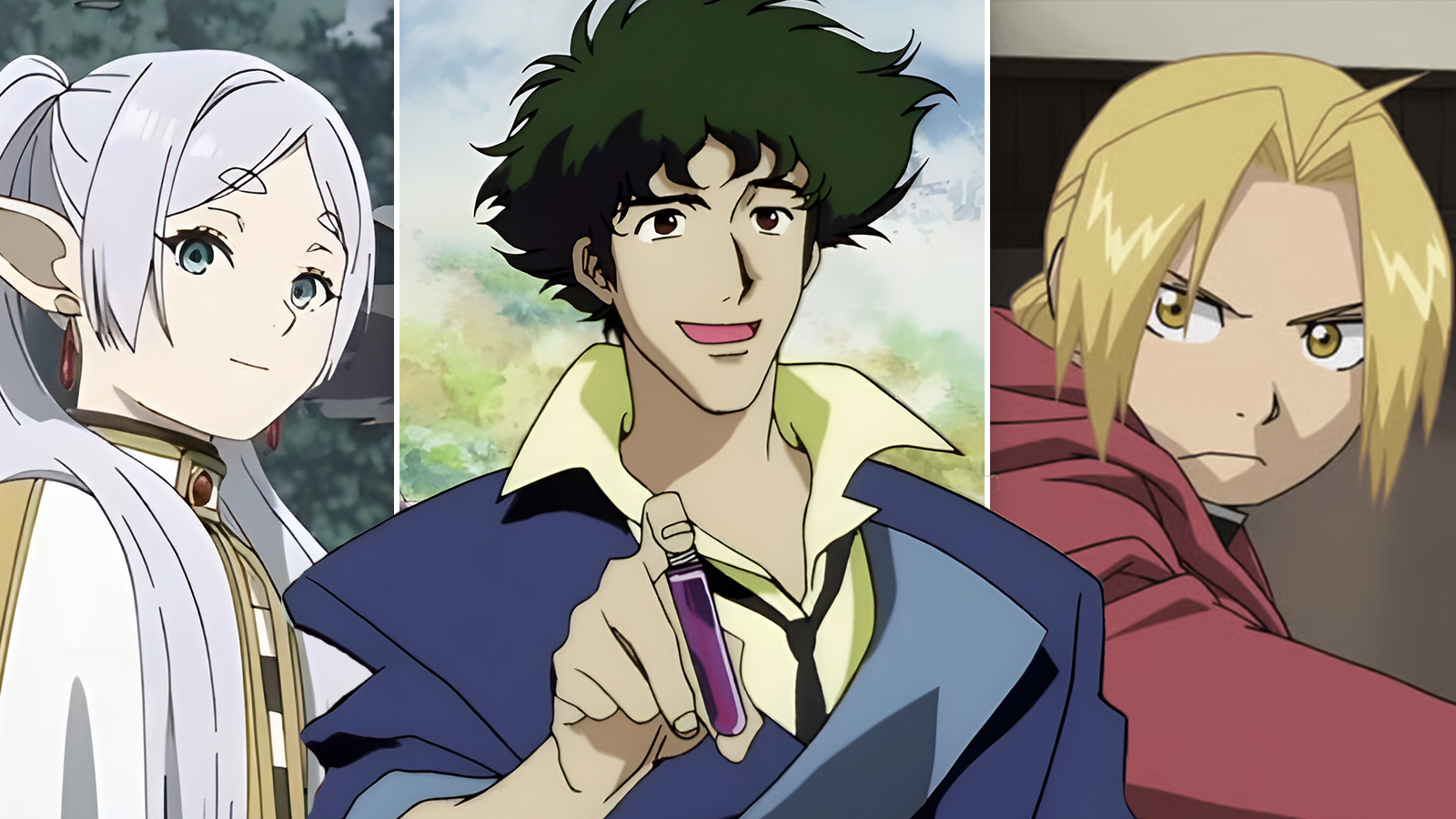
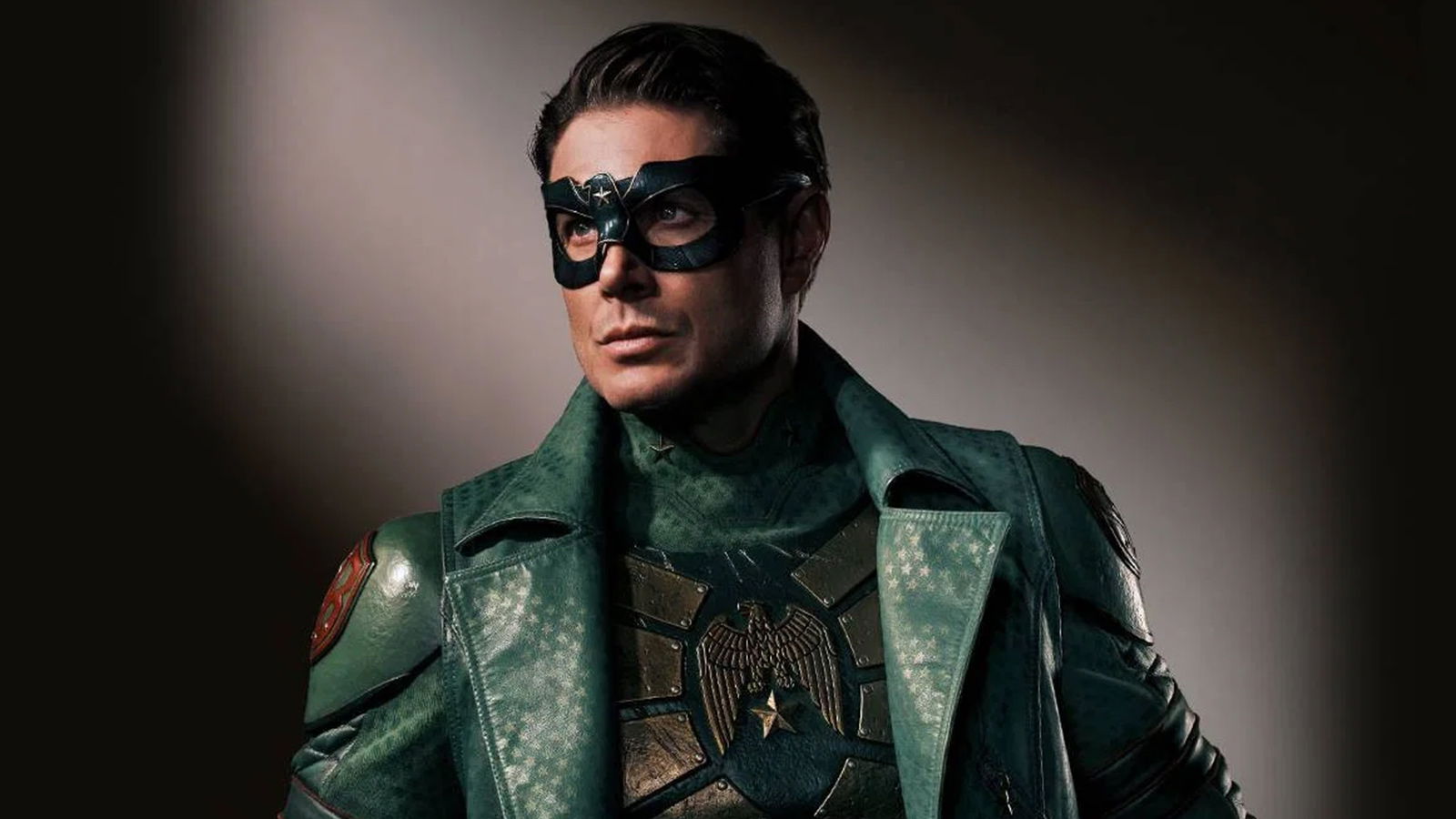
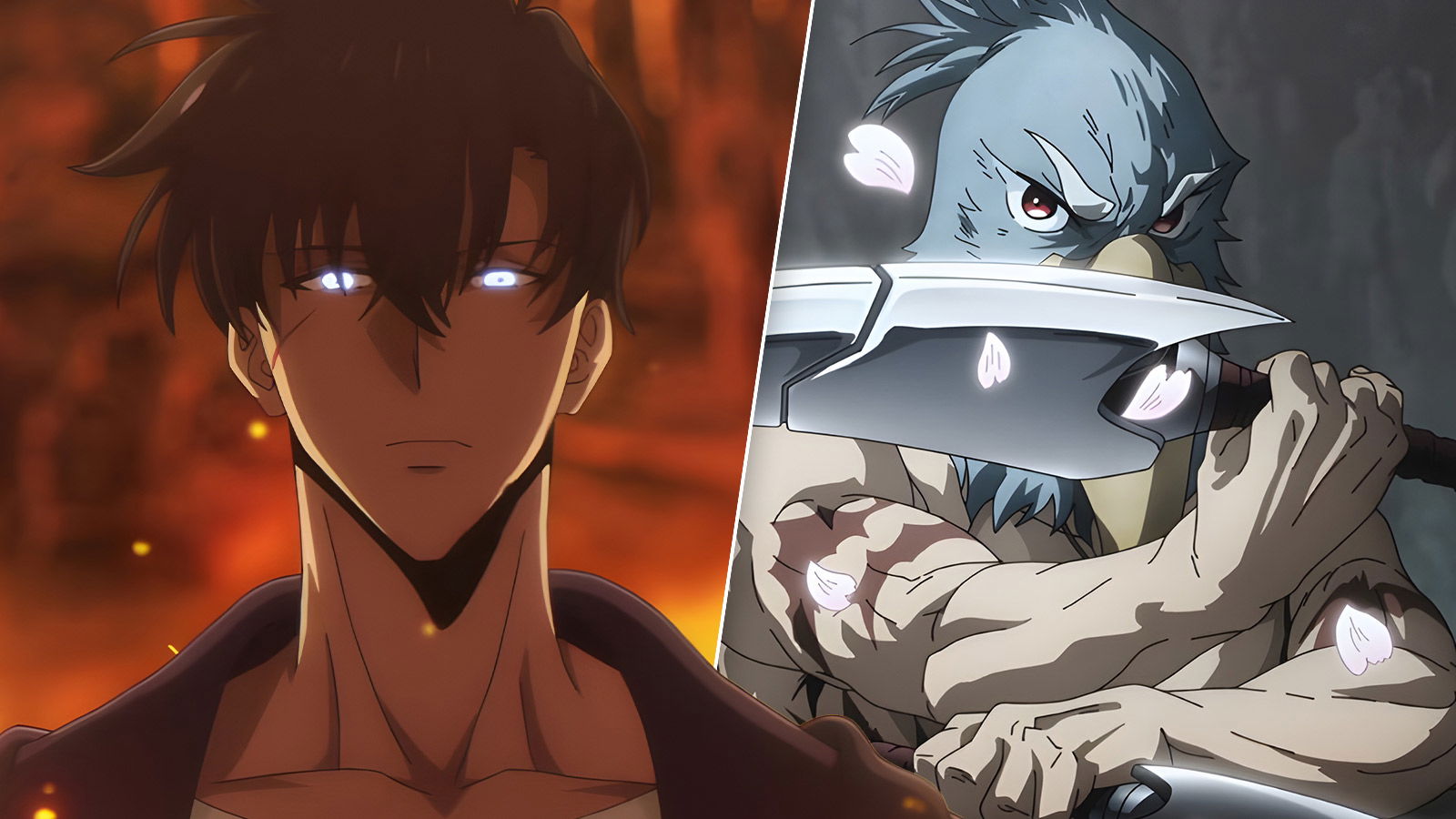
How AI Voice Cloning Is Creating Fear Inside the Anime Industry
-

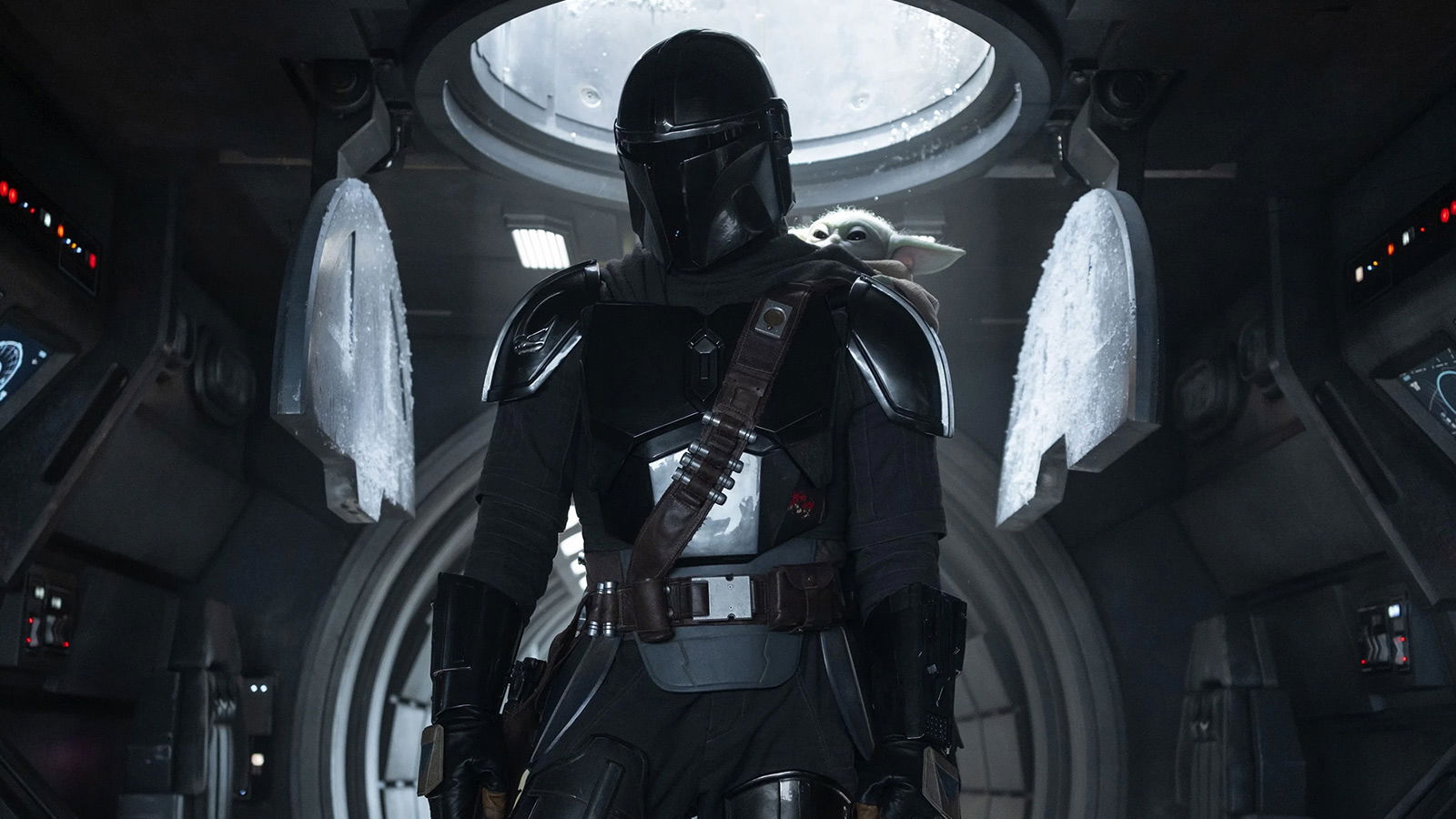
Credit: MAPPA
-

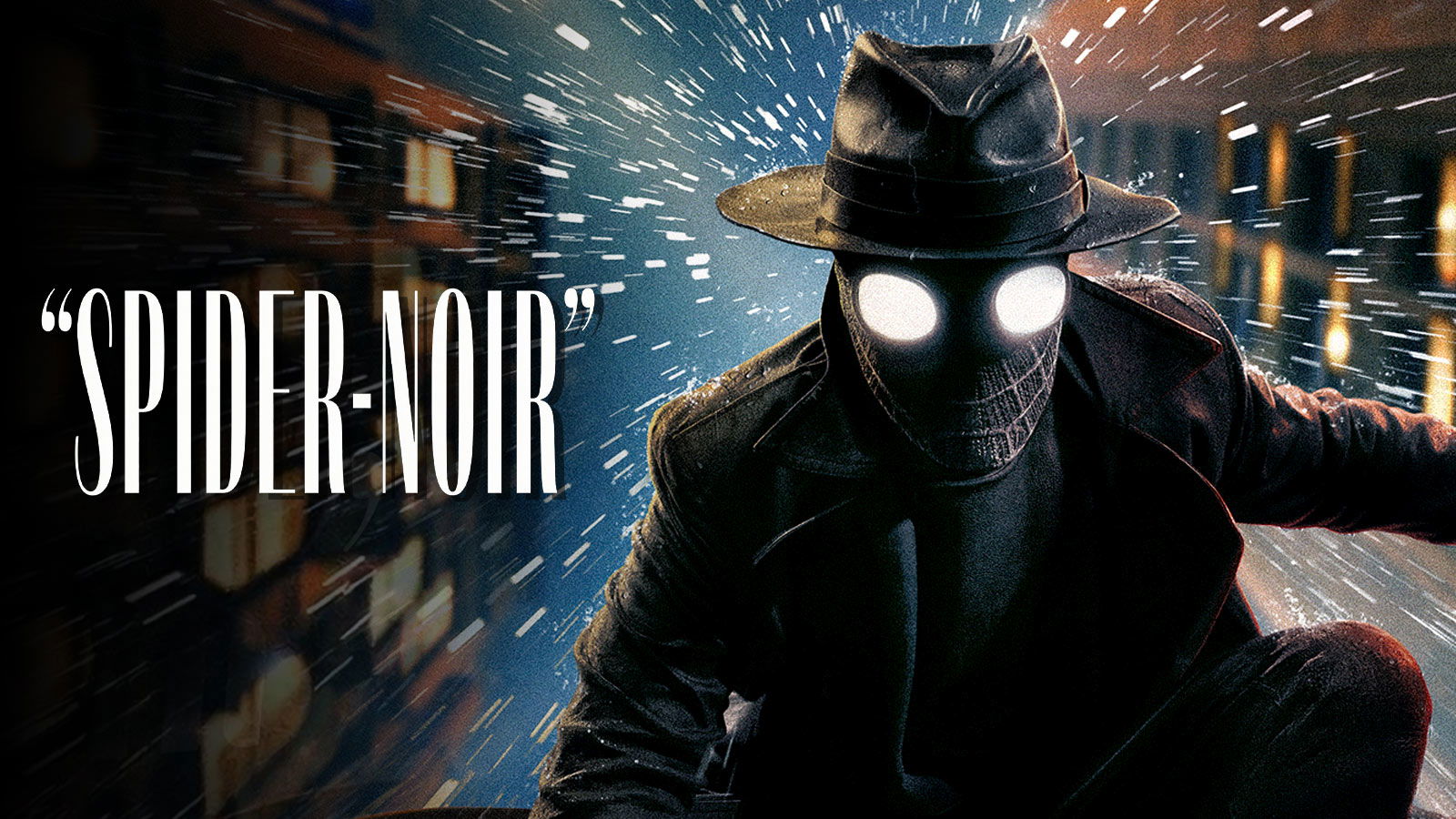
Credit: Studio Gallop
-

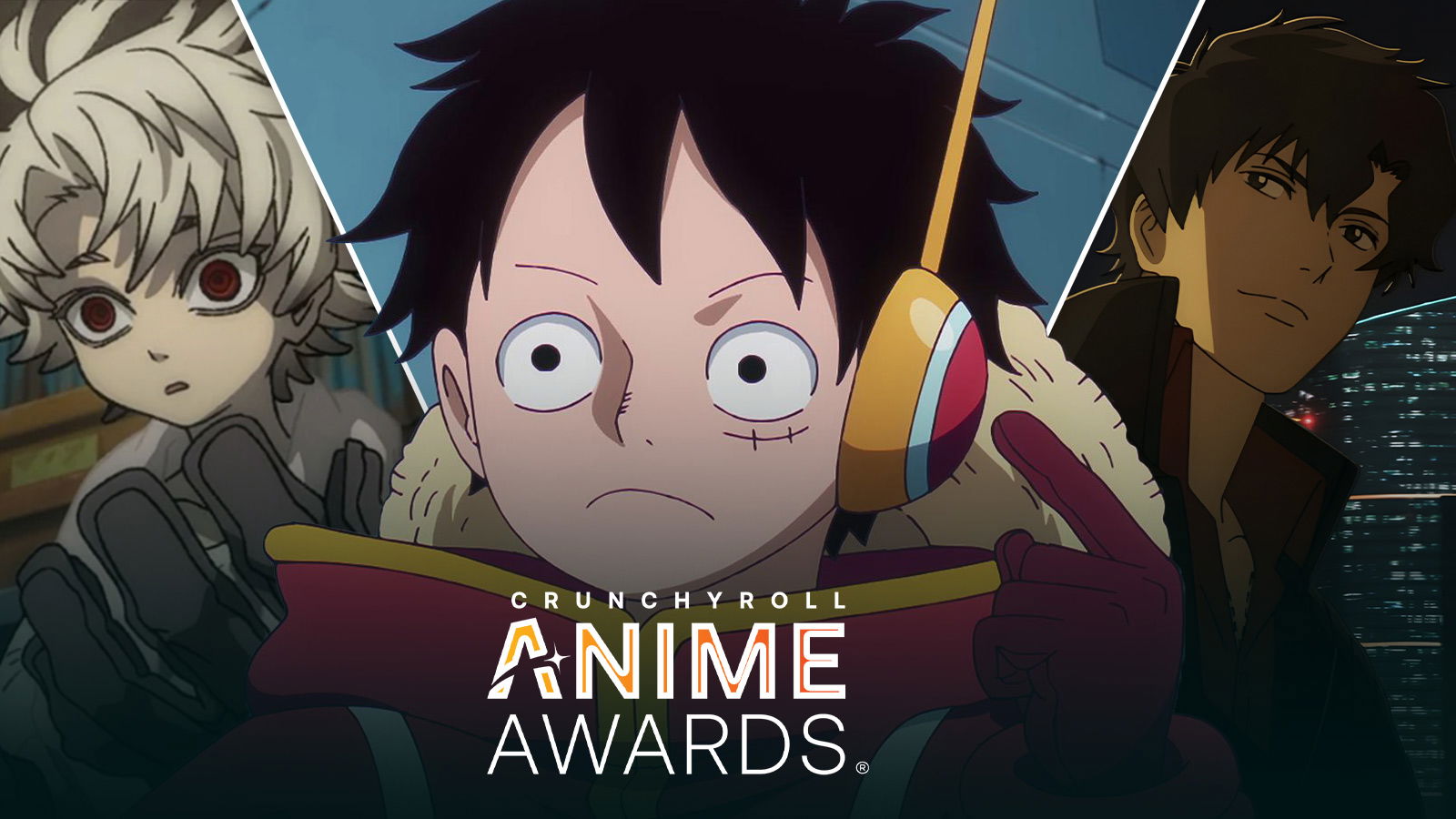
Credit: MAPPA
-

Credit: Studio Bones


The lawsuit is being viewed as one of the first significant cases related to the unauthorized AI voice cloning in Japan. The rapid development of technology associated with generative AI has made voice actors worried because of the ease of imitation.
In the context of the anime industry, the lawsuit is even more significant due to the importance of voice acting to a character’s popularity and identity. If Tsuda wins this case, it can set legal standards related to voice similarity and the possibility of using artificial intelligence in the Japanese entertainment industry.
Meanwhile, the issue has generated heated debates within anime fandoms, and some people have expressed strong support for Tsuda’s position regarding unauthorized AI voice cloning. Others consider the lawsuit to be a breakthrough that can shape the future of intellectual property and digital identity protection in the entertainment industry.
Here is a quick look at some of the notable voice acting roles done by Tsuda –
| Kento Nanami | Jujutsu Kaisen |
| Seto Kaiba | Yu-Gi-Oh! |
| Kishibe | Chainsaw Man |
| Joker | Fire Force |
| Overhaul | My Hero Academia |
Here are some of the questions fans may have –
Why did Kenjiro Tsuda file the lawsuit?
Kenjiro Tsuda reportedly filed the lawsuit over AI-generated TikTok videos that allegedly imitated his voice without consent.
How much did the TikTok channel earn?
It has been reported that this TikTok channel was making up to ¥750,000 per month, roughly around ¥9 million per year.
Why is this case significant?
This case may become the first instance in the country regarding AI-generated voice cloning and publicity rights involving AI-generated voice imitation.
Now the big question – Do you think voice actors should have stronger protection against AI cloning? Share your thoughts in the comments section below.




















 Bengali (BD) ·
  English (US) ·