.png)
 1 week ago
33
1 week ago
33
Article content
The Liberal government has not enacted any policies toward releasing 23.6 million barrels of oil onto the global market, part of Ottawa’s promise earlier this year to partake in a strategic stockpile release among Western allies.

THIS CONTENT IS RESERVED FOR SUBSCRIBERS
Enjoy the latest local, national and international news.
- Exclusive articles by Conrad Black, Barbara Kay and others. Plus, special edition NP Platformed and First Reading newsletters and virtual events.
- Unlimited online access to National Post.
- National Post ePaper, an electronic replica of the print edition to view on any device, share and comment on.
- Daily puzzles including the New York Times Crossword.
- Support local journalism.
SUBSCRIBE FOR MORE ARTICLES
Enjoy the latest local, national and international news.
- Exclusive articles by Conrad Black, Barbara Kay and others. Plus, special edition NP Platformed and First Reading newsletters and virtual events.
- Unlimited online access to National Post.
- National Post ePaper, an electronic replica of the print edition to view on any device, share and comment on.
- Daily puzzles including the New York Times Crossword.
- Support local journalism.
REGISTER / SIGN IN TO UNLOCK MORE ARTICLES
Create an account or sign in to continue with your reading experience.
- Access articles from across Canada with one account.
- Share your thoughts and join the conversation in the comments.
- Enjoy additional articles per month.
- Get email updates from your favourite authors.
THIS ARTICLE IS FREE TO READ REGISTER TO UNLOCK.
Create an account or sign in to continue with your reading experience.
- Access articles from across Canada with one account
- Share your thoughts and join the conversation in the comments
- Enjoy additional articles per month
- Get email updates from your favourite authors
Sign In or Create an Account
or
Article content
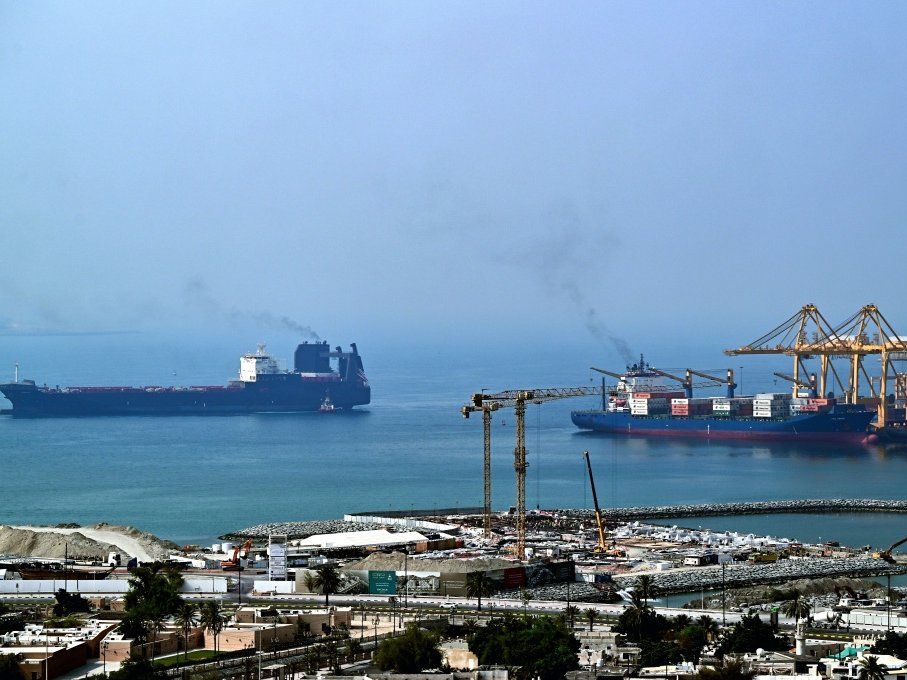
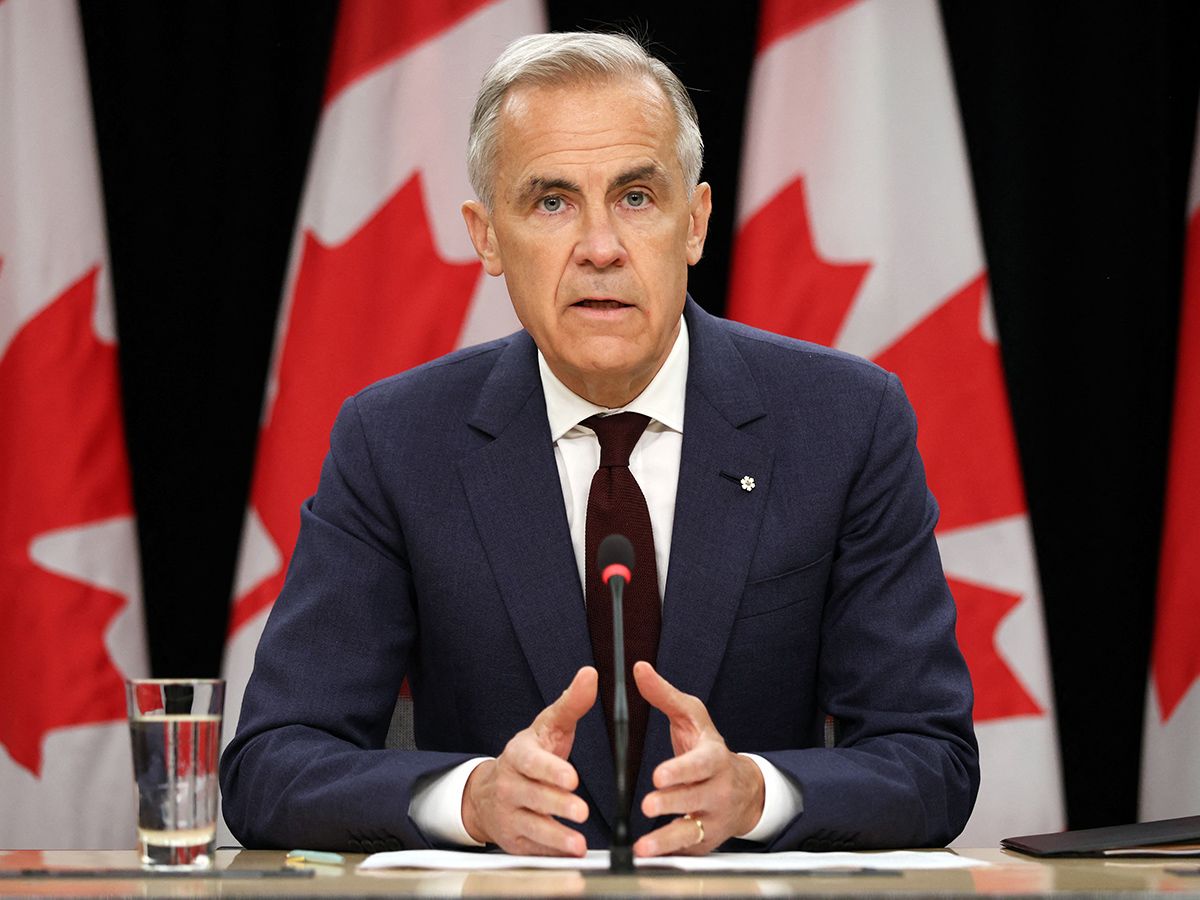
On March 11, the Paris-based International Energy Agency (IEA) announced that 32 member countries had agreed to release 400 million barrels of oil — the largest stockpile release in history — in an effort to drive down skyrocketing energy prices following Iran’s seizure of the Strait of Hormuz. Two days later, Energy and Natural Resources Minister Tim Hodgson announced that Canada would add its own 23.6 million barrels to the mix.
Article content
Article content
Article content
“We will support this collective action with 23.6 million Canadian barrels, produced by our industry and co-ordinated with the federal and provincial governments,” Hodgson said in a statement. “More world-class Canadian energy exported around the world will support global market supply, which should help alleviate price increases Canadians are feeling at the pump.”
Article content
Article content
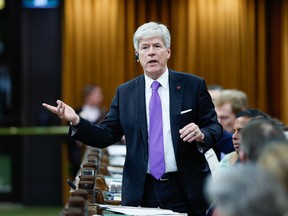
According to Hodgon’s response to an order paper question submitted by Conservative MP Michael Kram on behalf of Conservative MP Kelly McCauley, however, the government never introduced policies aimed at hitting that threshold.
Article content
“The government is not using any legislative, regulatory or policy instruments to contribute to this collective action,” Hodgson said in response to Kram’s questions.
Article content
Hodgon’s response reinforces the hollowness of Ottawa’s claim that it could partake in the IEA effort to begin with — a promise that was widely dismissed at the time given that Canada does not maintain its own strategic oil reserve.
Article content
As an oil exporting nation, Canada is exempted from the IEA’s mandatory requirement to hold such a stockpile. As the only G7 nation without one, Canada therefore can’t release stored supplies into the market as part of any joint international effort to ease commodity prices.
Article content
Article content
The IEA action came after the closure of the key oil trading corridor, which thrust global markets into the biggest supply shortage in history and sent oil prices surging to over US$100 per barrel.
Article content
Article content
In its response to Kram’s questions, the natural resources ministry did not explain what specific role the Canadian government would or could play in contributing 23.6 million barrels. The department’s announcement of the plan was vague, saying only that the ramp-up in exports would be “co-ordinated with the federal and provincial governments.”
Article content
Calgary Liberal MP Corey Hogan, in a March interview with CBC, also didn’t offer any specifics about how the government would actually drive up production, saying only that the feds were in talks with pipeline firms and the provinces.
Article content
Canada’s oil output is decided by private-sector producers — companies that raise or lower their production based on a range of factors like commodity prices, pipeline availability and maintenance schedules.
Article content
Those producers indeed ramped up their production in March 2026, shortly after the U.S.-Iran conflict caused oil prices to soar in late February. Canadian oil producers collectively produced 151.3 million barrels in March, according to Statistics Canada data, up sharply from 136.2 million barrels the month before. That production tapered off in April 2026, the latest month for which the agency has data, but the federal government expects output to continue to climb.





















/https%3A%2F%2Fsportsmole-media-prod.s3.gra.io.cloud.ovh.net%2Fuploads%2F2026%2F07%2Fdaniel-mcgregor-huyer-zuma-press-wire-luciano-gonzalez-anadolu-abacapress-com-estadio-azteca-harry-kane-jude-bellingham-composite-6a49eb8857b70695441164.png)
 Bengali (BD) ·
  English (US) ·