.png)
 1 week ago
28
1 week ago
28
Ranking Hannibal’s three seasons should be easy, yet every attempt turns into an argument with myself. Even the season placed last contains bold television, while the winner earns its position through consistency rather than one exceptional finale. The NBC series ran for 39 episodes between 2013 and 2015, with Mikkelsen playing Hannibal Lecter and Dancy portraying FBI profiler Will Graham. Their connection began as professional curiosity, became manipulation, and developed into an intimacy neither man could survive conventionally. The complete series currently holds an 8.5/10 rating on IMDb, while Rotten Tomatoes lists a 93% average critics’ score.
Since Hannibal was made for network television, it has no box office totals. U.S. broadcast viewership provides the closest commercial measure, and those figures expose a frustrating pattern: critical approval increased while the live audience declined. This ranking considers episode ratings, reviews, pacing, performances, character writing, finales, and rewatch value.
Hannibal Season 3 Struggles Before a Stunning Finale
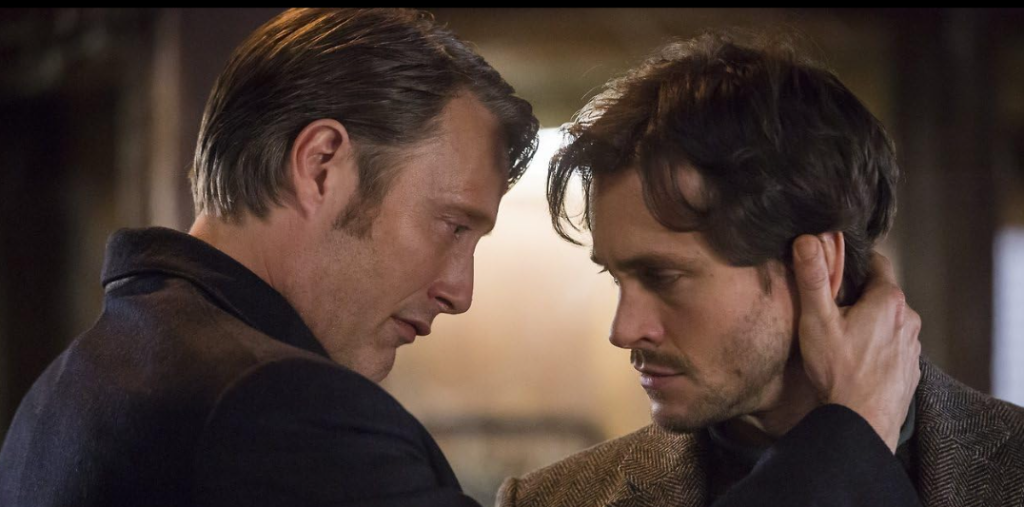 Hugh Dancy and Mads Mikkelsen in Hannibal (2013) | Credit: NBC
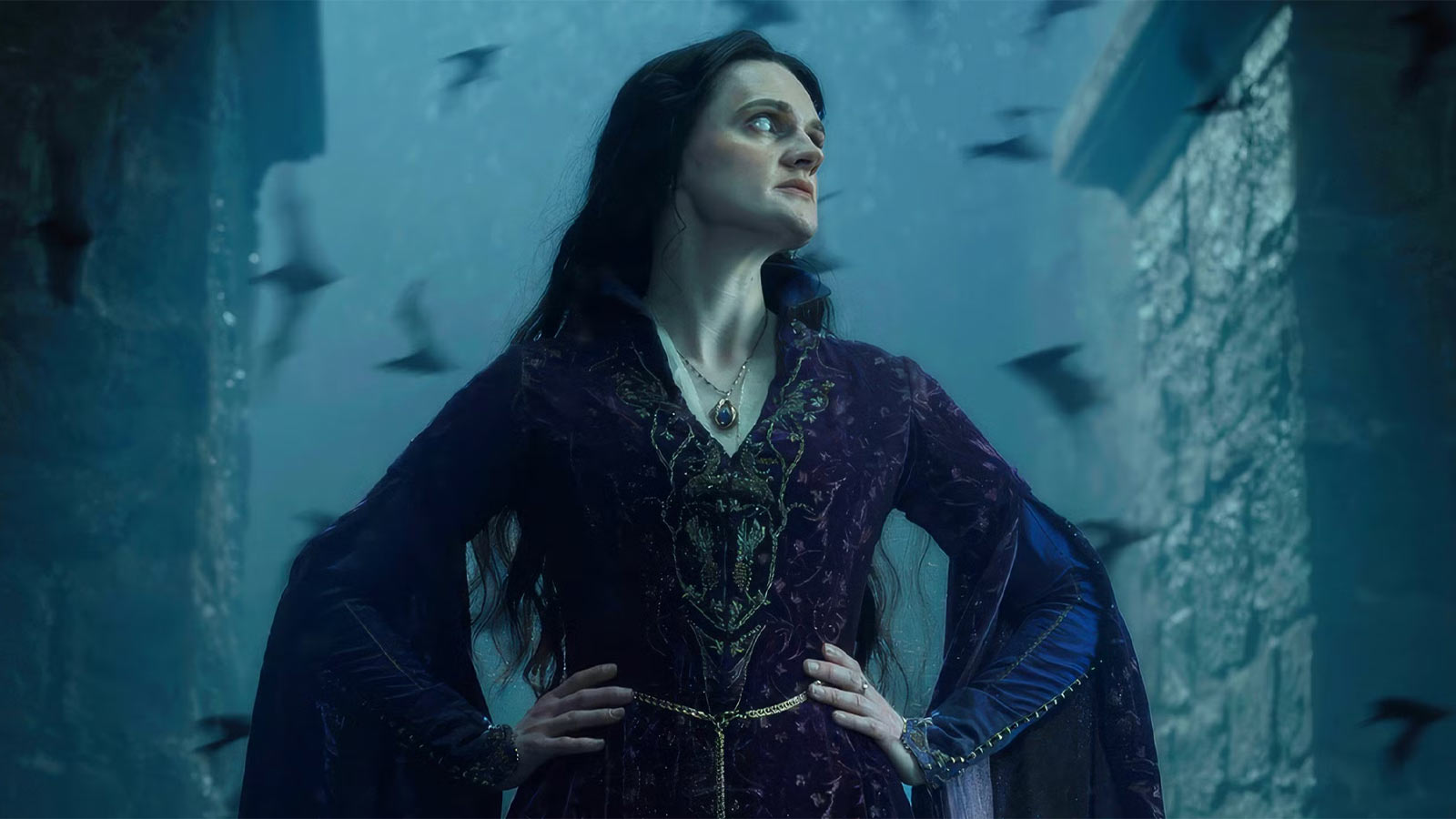
Season 3 contains my favourite ending on Hannibal and still finishes last. That sounds unfair until the European episodes return to mind, along with the patience they demand. Hannibal and Bedelia’s Florence arrangement gives Mads Mikkelsen and Gillian Anderson deliciously tense material. Bedelia knows she is dining with a murderer who may eventually place her on the menu, and Gillian Anderson plays every exchange as a calculation hidden beneath immaculate manners. Their conversations are poisonous, intelligent, and occasionally very funny.
The problem is distance. Will Graham, Jack Crawford, Alana Bloom, and Hannibal Lecter remain separated for much of the first half, while the story lingers inside memories, dreams, and ornate discussions. Several episodes leave me admiring the presentation more than caring about what comes next. IMDb users had a similar response, as the opening run sits mainly in the high sevens and low eights before the later chapters improve sharply. The individual scores appear on IMDb’s Hannibal ratings page.
The Red Dragon arc restores urgency. Armitage makes Francis Dolarhyde frightening without turning him into a theatrical monster, while Wesley gives Reba McClane intelligence and agency. Dancy becomes more compelling once Will’s respectable married life fractures. Season 3 holds 98% on Rotten Tomatoes and an 84 Metascore. Live audiences averaged about 1.4 million viewers per episode. Its finest hours are extraordinary, but the uneven first half keeps it behind the other two seasons.
Hannibal Season 1 Makes Will Graham’s Pain Personal
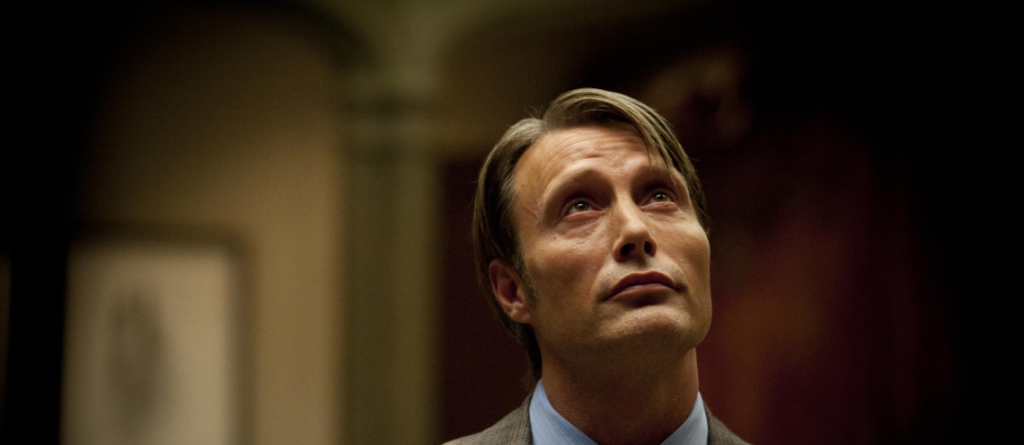 Mads Mikkelsen in Hannibal (2013) | Credit: NBC
Season 1 places above Season 3 because it gives Will’s collapse a firmer emotional foundation. The procedural structure sometimes exposes its network origins, but those weekly cases allow viewers to understand how much each investigation costs him. Dancy makes Will irritable, compassionate, socially uncomfortable, and frightened of his own mind. His empathy never resembles a convenient superpower; he loses time, hallucinates, and wakes in places he cannot remember reaching. Hannibal recognises that vulnerability and uses it with appalling precision.
Mikkelsen’s restraint makes the manipulation worse. Hannibal encourages Will to doubt his memory, conceals his encephalitis, influences his medical care, and frames him for murder, all while presenting himself as the safest person in the room. The series lets us understand Hannibal’s fascination without confusing it with kindness. Abigail Hobbs gives the season its aching centre. Both men treat her as daughter, evidence, and an opportunity to create a doomed family. Rohl gives Abigail enough wariness to survive them briefly, although every promise of safety carries another condition.
Some early killers receive little beyond an elaborate body display, yet the final episodes reward the groundwork. Season 1 has an 83% critics’ score and 94% audience score on Rotten Tomatoes, while Metacritic records 70/100. Its premiere reached 4.36 million viewers, and the season averaged roughly 2.8 million. It lacks Season 2’s assurance, but its character building makes the later tragedy hurt.
Hannibal Season 2 Delivers the Show’s Bloody Best
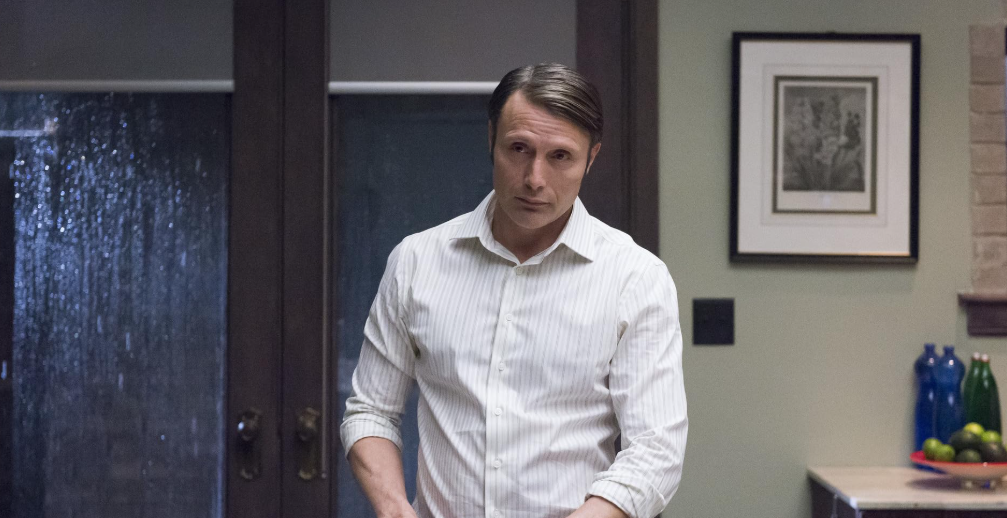 Mads Mikkelsen in Hannibal (2013) | Credit: NBC
Season 2 wins because Hannibal stops keeping its best ideas apart. Will knows what Lecter is, Hannibal knows that Will knows, and every conversation becomes a test of loyalty, deception, or desire. Beginning with Will incarcerated is a shrewd reversal. Hannibal occupies his former position beside Jack, while Will must convince the people who doubted him that their trusted psychiatrist is the Chesapeake Ripper. Dancy changes Will’s posture and voice as he learns to manipulate Hannibal in return, and the uncertainty surrounding his allegiance keeps the season volatile.
The supporting cast receives stronger material. Beverly’s investigation becomes one of the series’ most upsetting losses. Margot and Mason Verger expand the world without distracting from Will and Hannibal, while Jack’s growing suspicion brings Fishburne into the centre of the conflict. The statistics support its first-place position. Season 2 has 98% from critics and 96% from audiences on Rotten Tomatoes. Metacritic gives it 88/100 and a 9.1 user score, while its IMDb episode ratings average approximately 8.98, the strongest result of the series. Broadcast viewership averaged around 2.58 million.
Season 2 knows how long to delay a confession and how much affection must exist for betrayal to hurt. I have watched Mizumono more than once while knowing every injury coming, and it has never become easier.
Drop your most controversial Hannibal opinion in the comments, and follow FandomWire for more television rankings, horror coverage, and revival updates.



















/https%3A%2F%2Fsportsmole-media-prod.s3.gra.io.cloud.ovh.net%2Fuploads%2F2026%2F01%2Fdanny-welbeck-5-6956bfa3ea945973722124.jpg)
 Bengali (BD) ·
  English (US) ·