.png)
 1 hour ago
1
1 hour ago
1
Fraser Institute report outlines different approaches in addressing the issue of Indigenous land rights in B.C. while respecting private property ownership rights
Published Aug 23, 2026 • Last updated 57 minutes ago • 2 minute read
See more Toronto Sun on Google — save as a Preferred Source
Advertisement 2

THIS CONTENT IS RESERVED FOR SUBSCRIBERS ONLY
Subscribe now to read the latest news in your city and across Canada.
- Unlimited online access to articles from across Canada with one account.
- Get exclusive access to the Toronto Sun ePaper, an electronic replica of the print edition that you can share, download and comment on.
- Enjoy insights and behind-the-scenes analysis from our award-winning journalists.
- Support local journalists and the next generation of journalists.
- Daily puzzles including the New York Times Crossword.
SUBSCRIBE TO UNLOCK MORE ARTICLES
Subscribe now to read the latest news in your city and across Canada.
- Unlimited online access to articles from across Canada with one account.
- Get exclusive access to the Toronto Sun ePaper, an electronic replica of the print edition that you can share, download and comment on.
- Enjoy insights and behind-the-scenes analysis from our award-winning journalists.
- Support local journalists and the next generation of journalists.
- Daily puzzles including the New York Times Crossword.
REGISTER / SIGN IN TO UNLOCK MORE ARTICLES
Create an account or sign in to continue with your reading experience.
- Access articles from across Canada with one account.
- Share your thoughts and join the conversation in the comments.
- Enjoy additional articles per month.
- Get email updates from your favourite authors.
THIS ARTICLE IS FREE TO READ REGISTER TO UNLOCK.
Create an account or sign in to continue with your reading experience.
- Access articles from across Canada with one account
- Share your thoughts and join the conversation in the comments
- Enjoy additional articles per month
- Get email updates from your favourite authors
Article content
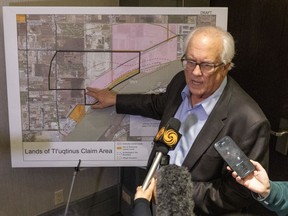
A recent Fraser Institute report on the chaos in British Columbia over private property ownership rights sheds light on the issue and offers solutions from constitutional experts and Indigenous law professors.
Article content
Recommended Videos
Article content
A series of court decisions, legislative action by the B.C. government, and agreements with First Nations have thrown uncertainty into that province’s property laws.
“Part of the crisis is from legislation by the current B.C. government. In 2019, with unanimous support in the legislature, it passed the Declaration on the Rights of Indigenous Peoples Act (DRPIA), incorporating the United Nations Declaration on the Rights of Indigenous Peoples (UNDRIP) into B.C. law,” Fraser reports.
UNDRIP says Indigenous peoples have the right to use, own, develop, and control lands, territories, and resources they traditionally used or occupied, and to give or withhold, “free, prior, and informed consent,” to activities on such territories.
By signing up you consent to receive the above newsletter from Postmedia Network Inc.
Article content
Advertisement 3
Article content
Last November, the B.C. Court of Appeal ruled that the province’s reformed mineral claims regime violated the legislation.
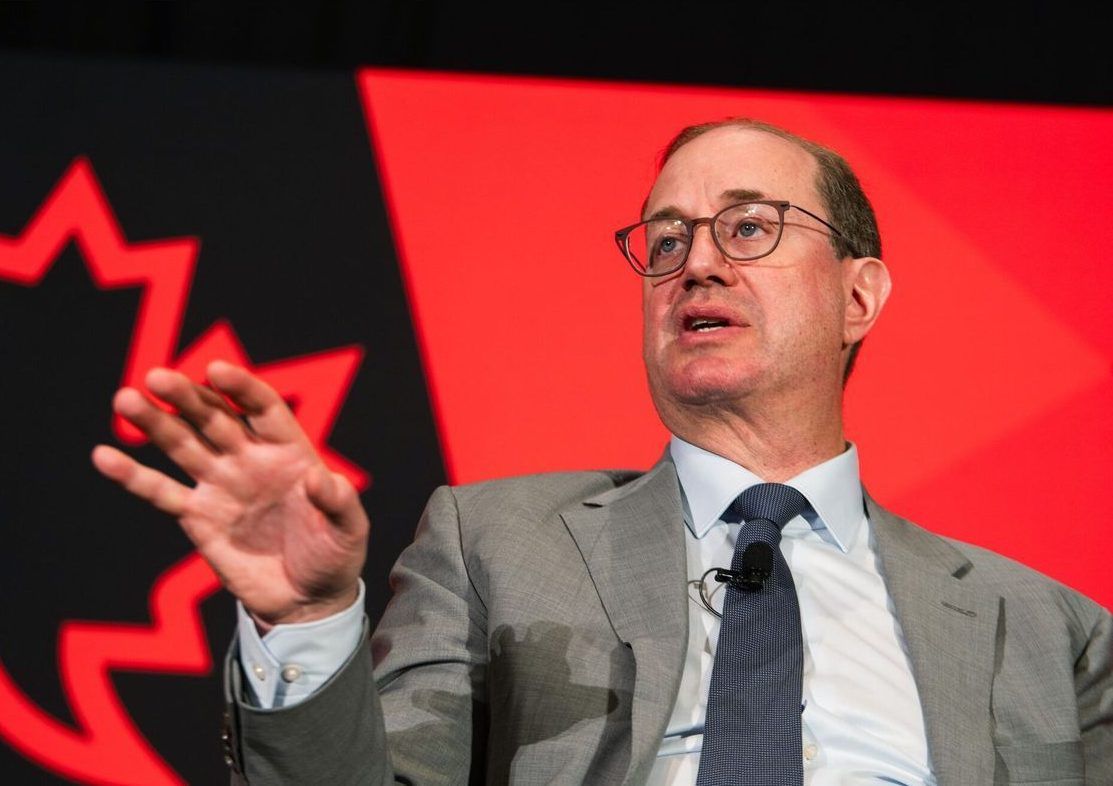
Fraser quotes law professor Dwight Newman of the University of Saskatchewan. He suggests using a constitutional amendment to clarify the relationship between Aboriginal title and private property rights.
Newman points out that uncertainty impedes private business investment and “undermines the general economic environment within which Canadians pursue improved well-being.” Private property rights need protection, “including against lingering uncertainty, to support the functioning of a modern economy.” The solution is not to abandon Indigenous rights, and he disagrees wth those who take that approach.
Fraser includes an essay by Indigenous lawyer Thomas Isaac. He proposes governments “recommit to clear, transparent, and principled treaties as the primary tool to negotiate recognition of constitutionally protected Aboriginal rights.”
Advertisement 4
Article content
Finally, Queen’s University law professor Bruce Pardy suggests more fundamental and sweeping changes, including repealing Section 35 of the Constitution, which guarantees “the existing Aboriginal and treaty rights of the Aboriginal peoples of Canada,” revising the Charter of Rights and Freedoms, and repealing other statutes that treat Indigenous people differently than other Canadians.
“Canada’s prosperity rests in part on its tradition of protecting private property, but these rights have now been thrown into question,” Fraser says.
“The status quo not being an option, British Columbians, and all Canadians, need to understand the pros and cons of different solutions.”
Words of wisdom in a fraught debate.
Read More
-

Tories demand government stand up for rights of property owners
-

LILLEY: Private property versus Aboriginal title just got more complicated
-

EDITORIAL: Words to the wise on reconciliation
-

GUNTER: Cowichan Tribes land ruling shows activist judges rewriting Canadian law, threatening private property rights
-

GUNTER: B.C. land claim court ruling muddies reconciliation waters



Article content

















 Bengali (BD) ·
  English (US) ·