.png)
 1 hour ago
1
1 hour ago
1
Article content
But he added: “This is not why the deal fell apart. That is a very specific example of one of a number of things where, you know, as the interpretation of the details became clear, it became obvious that there wasn’t going to be a meeting of the minds.”
Article content
U.S. Trade Representative Jamieson Greer said the deal would have offered Canada tariff reductions in steel, aluminum, automobiles and lumber, but blamed Canada for walking away. Carney said he walked away when the U.S. demands became too great.
Article content

Article content
Greer told the New York Times on Saturday that the deal would have cut the “majority” of Canadian steel exports to a 25 per cent tariff up to a quota, with anything above that remaining at 50 per cent. The U.S. would have lowered the aluminum tariff to 25 per cent without a quota. It would also have cut the tariff on passenger vehicles, suspended the since-enacted tariffs and eliminated a lumber tariff. Wiseman, asked to confirm that, declined to get into details but called it “broadly accurate.”
Article content
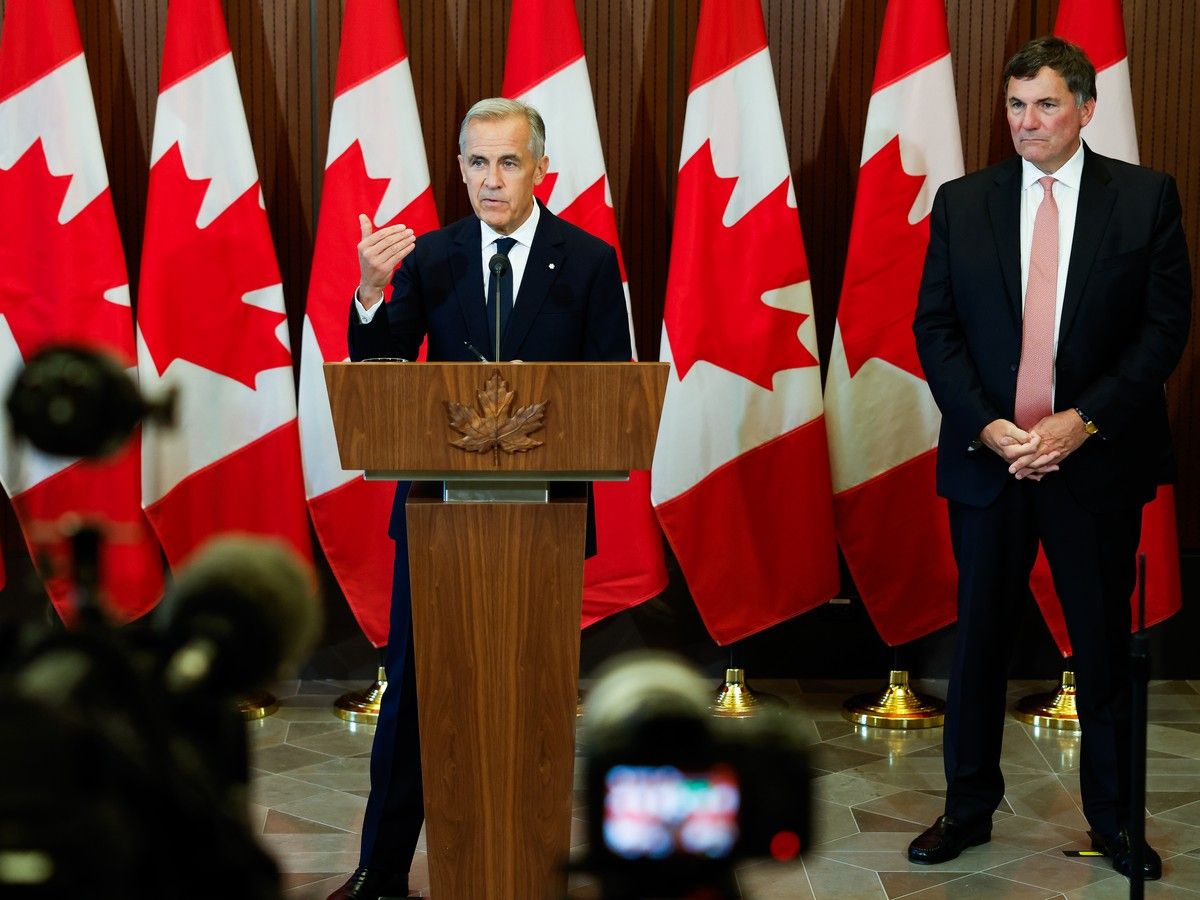
“We’re disappointed,” he said. “We worked hard, but at the end of the day, the terms that were put forward on a deadline — that was created by the United States — it didn’t work for us.”
Article content
Article content
Carney said the U.S. demanded that Canada constrain its ability to do separate trade deals with other nations. Wiseman declined to fully elaborate, saying that the matter was not with any one country, such as China, but broader.
Article content
The U.S. “has changed its view of economic partnership” and “in the face of that, Canada, among other things, has said that we will look to diversify,” he said. “So we have to ensure that any agreement we would come to with the United States does not constrain our ability to create trading relationships, open and free trading relationships with other jurisdictions. But to be clear, this was not an issue about China.”
Article content
Language issue
Article content
Carney also said the administration was looking to curtail the use of French, one of Canada’s two official languages and a political lightning rod. Wiseman said that dispute pertained to digital services and U.S.-based streaming services and levels of French-language content.
Article content
Wiseman cast the matter as a red line.
Article content
“It is non-negotiable, in terms of our ability to protect — and to not just protect, but to be able to enhance and grow the French language in Canada, in Quebec and in the rest of Canada,” he said. “Those that want to do business in Canada, be it digital or anything else, must respect that fundamental reality.”
Article content
Article content
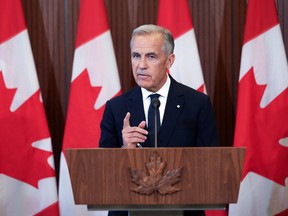
Carney also said the U.S. administration was not united in its approach, signalling that Canadians were getting different and dizzying messages from Greer, who is Trump’s top trade official, and Commerce Secretary Howard Lutnick, who oversees the so-called Section 232 sectoral tariffs that were a core part of talks.
Article content
Article content
U.S.-Canada ties have frayed substantially during Trump’s second term, with the president pressuring Canada to become the 51st state and applying tariffs that fly in the face of the trade deal he signed in the first term and related side letters that contained pledges Trump has since abandoned.
Article content
Trump said in a social media post early Sunday that Canada “wants the benefits of being a State, without being one,” but has otherwise said nothing since the collapse of talks. One of his cabinet officials, Transportation Secretary Sean Duffy, said on Fox News that Canada is “foolish” to think it can win a trade war with the U.S., but Trump’s former vice president criticized the measure.
Article content
Pence critical
Article content
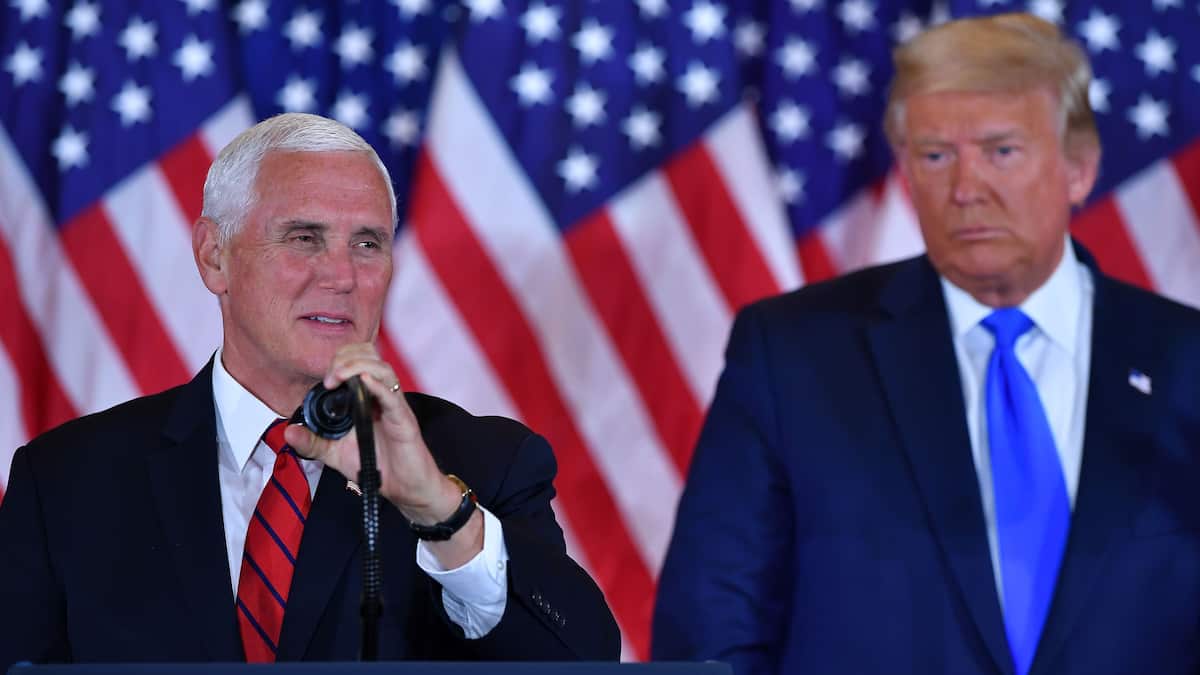
“American businesses and American consumers pay American tariffs,” Mike Pence said on CNN’s State of the Union. “The last thing we need right now, as our economy is getting back on its feet, is a trade war with Canada.”






















 Bengali (BD) ·
  English (US) ·