.png)
 2 hours ago
11
2 hours ago
11
Article content
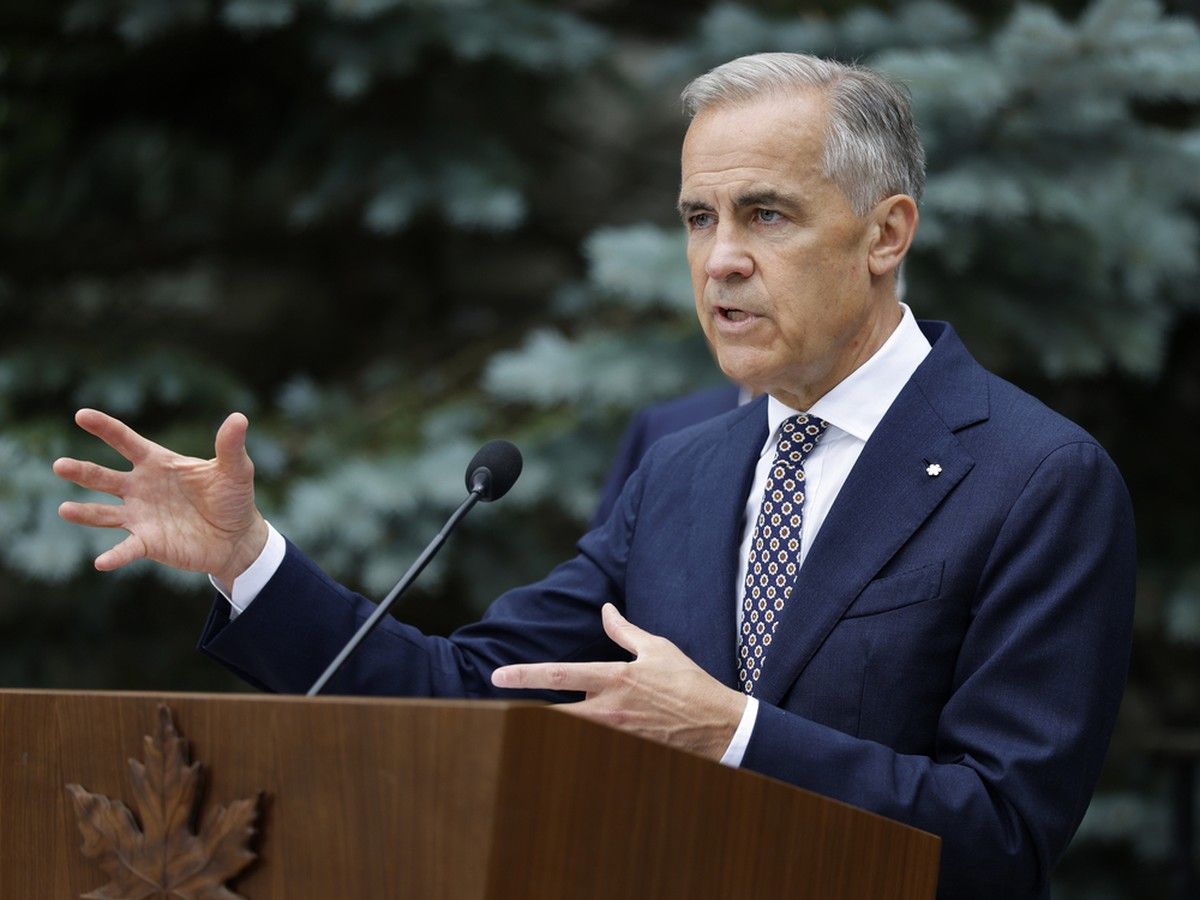
OTTAWA — Prime Minister Mark Carney says the decision on whether to expand eligibility for assisted dying is not a “personal matter” for him, but believes the direction for the government to take is “clear.”

THIS CONTENT IS RESERVED FOR SUBSCRIBERS
Enjoy the latest local, national and international news.
- Exclusive articles by Conrad Black, Barbara Kay and others. Plus, special edition NP Platformed and First Reading newsletters and virtual events.
- Unlimited online access to National Post.
- National Post ePaper, an electronic replica of the print edition to view on any device, share and comment on.
- Daily puzzles including the New York Times Crossword.
- Support local journalism.
SUBSCRIBE FOR MORE ARTICLES
Enjoy the latest local, national and international news.
- Exclusive articles by Conrad Black, Barbara Kay and others. Plus, special edition NP Platformed and First Reading newsletters and virtual events.
- Unlimited online access to National Post.
- National Post ePaper, an electronic replica of the print edition to view on any device, share and comment on.
- Daily puzzles including the New York Times Crossword.
- Support local journalism.
REGISTER / SIGN IN TO UNLOCK MORE ARTICLES
Create an account or sign in to continue with your reading experience.
- Access articles from across Canada with one account.
- Share your thoughts and join the conversation in the comments.
- Enjoy additional articles per month.
- Get email updates from your favourite authors.
THIS ARTICLE IS FREE TO READ REGISTER TO UNLOCK.
Create an account or sign in to continue with your reading experience.
- Access articles from across Canada with one account
- Share your thoughts and join the conversation in the comments
- Enjoy additional articles per month
- Get email updates from your favourite authors
Sign In or Create an Account
or
Article content
Carney made the comment a little over a week after a joint parliamentary committee struck to study the issue of expanding eligibility to include those seeking an assisted death solely on the basis of mental health recommended that his government “indefinitely exclude persons” from being able to do so.
Article content
Article content
Article content
Asked about his views on the issue Friday, Carney, speaking in French, said it will be a government decision to make.
Article content
Article content
“There’s a report, after much deliberation and many testimonies. So, I think it’s significant. But this isn’t a personal matter; it’s a matter of the rights of Canadians, and the medical evidence and expert advice. So, we’ll make a decision, but it seems to me the direction is clear,” he said in French.
Article content
Members of Parliament have until July 11 to offer their opinions on the report’s recommendation. Justice Minister Sean Fraser, speaking before the report was released, has so far only said he would take the time to read it.
Article content
The House of Commons is set to return in late September, meaning any proposed changes to the law would not be able to be tabled in legislation until the fall.
Article content
Expanding Canada’s assisted-dying regime to include those seeking it only on the basis of mental health has been twice delayed, with the latest timeline set for the expansion to take effect being March 2027.
Article content
Assisted dying has been legal in Canada since 2016, following a 2015 Supreme Court of Canada ruling that struck down the prohibition against a doctor assisting someone end their own life.
Article content
Article content
The Liberals’ initially introduced a system where the criteria for someone being able to seek an assisted death was that their natural death had to be “reasonably foreseeable.”
Article content
Following a 2019 court ruling in Quebec that found that criteria to be unconstitutional, the federal government amended the law in 2021 to remove the requirement and put into place a sunset clause for when the prohibition would eventually lift for individuals seeking an assisted-death solely on the basis of suffering from mental illness.
Article content
Since then, a fierce debate has erupted over the impacts of Canada’s widened criteria and whether the federal government ought to move ahead with lifting the mental illness exclusion.
Article content
Proponents of removing that prohibition, such as Dying with Dignity Canada, argue not allowing those living with mental suffering to be able to have the same access to an assisted-death as those living with physical suffering infringes on their Charter rights.
Article content
Meanwhile, groups of psychiatrists say that determining whether someone suffering from a mental illness will never recover is near impossible. Other disabilities and mental health advocates warn that expanding eligibility puts already vulnerable persons at further risk and argue that the government’s focus should instead be on providing them with the necessary supports.

























/https%3A%2F%2Fsportsmole-media-prod.s3.gra.io.cloud.ovh.net%2Fuploads%2F2026%2F05%2Fscheffler-6a034d9fca412032057779.jpg)
/https%3A%2F%2Fsportsmole-media-prod.s3.gra.io.cloud.ovh.net%2Fuploads%2F2026%2F06%2Ficonsport-111147-0089-1-6a27d006a81d1227497324.jpg)
/https%3A%2F%2Fsportsmole-media-prod.s3.gra.io.cloud.ovh.net%2Fuploads%2F2026%2F06%2Fimago-xinhua-nestory-irankunda-celebrates-scoring-for-australia-in-the-world-cup-on-june-14-2026-6a2f348854d1b663111439.jpg)
 Bengali (BD) ·
  English (US) ·