.png)
 1 hour ago
6
Spoiler Alert !!!
Spoilers ahead for Clayface (2026).
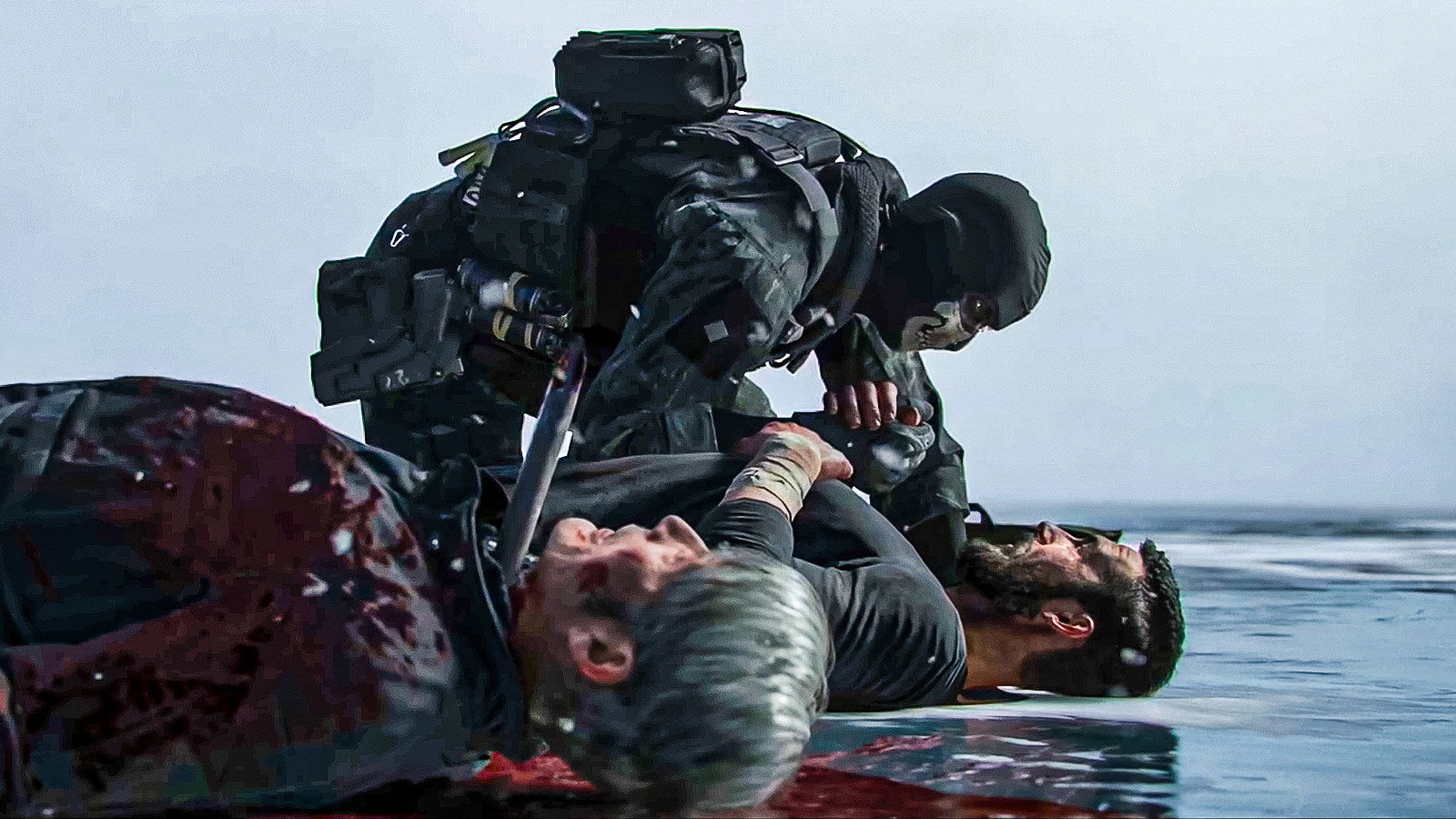
Director James Watkins has explained one of the cruelest decisions in DC Studios’ Clayface: Matt Hagen’s murder of Gotham detective John Borrelli, played by Max Minghella. In an interview with The Hollywood Reporter, Watkins revealed why the seemingly senseless killing fits Matt’s deteriorating psychological state, even if it makes him harder to forgive. Borrelli is hardly Matt’s enemy. He wants to bring the criminals responsible for disfiguring the actor to justice. Complicating matters, he is engaged to Dr. Caitlyn Corr (Naomi Ackie), whose experimental treatment transforms Matt into a shapeshifting monster.
Arresting Matt could expose Caitlyn’s unauthorized procedure, potentially giving Borrelli reason to reconsider his approach. Yet Matt murders the detective anyway, eliminating someone who might have helped him. For Watkins, that contradiction is precisely where the tragedy lies. Matt’s growing obsession with Caitlyn has distorted his judgment beyond ordinary self-preservation.
Why James Watkins Believes John Borrelli’s Death Makes Sense
 Courtesy: Warner Bros. Pictures
Unlike the mobsters responsible for Matt’s suffering, Borrelli approaches the case as a detective seeking justice rather than revenge. His relationship with Caitlyn also gives him something personal to lose if her involvement becomes public. Watkins uses that possibility to misdirect viewers. When The Hollywood Reporter suggested John might have looked the other way to protect Caitlyn, the director responded:
That’s good in terms of misdirection. But you’re approaching it from John’s point of view. Matt’s point of view probably wouldn’t see it that way.
That distinction changes how the murder should be understood. Matt’s experimental nanocell treatment has intensified his darkest impulses, leaving self-defense, jealousy, and romantic fixation dangerously entangled. Watkins described his motivations as “some combination of self-defense, love and a weird obsession.” Understanding those impulses, however, does not excuse the killing. The director also praised Minghella for making Borrelli more than an irritating romantic obstacle. His warmth, humor, and humanity make the detective’s fate especially devastating.
Matt ultimately kills John and impersonates him when Caitlyn returns home. The deception exposes something uglier than jealousy: Matt would rather assume another man’s identity than accept that Caitlyn has chosen someone else. Borrelli’s death consequently marks the point where Matt’s physical transformation becomes a moral catastrophe. His suffering remains understandable, but his actions no longer deserve the audience’s sympathy.
Clayface Ending Explained as DC’s Horror Gamble Pays Off
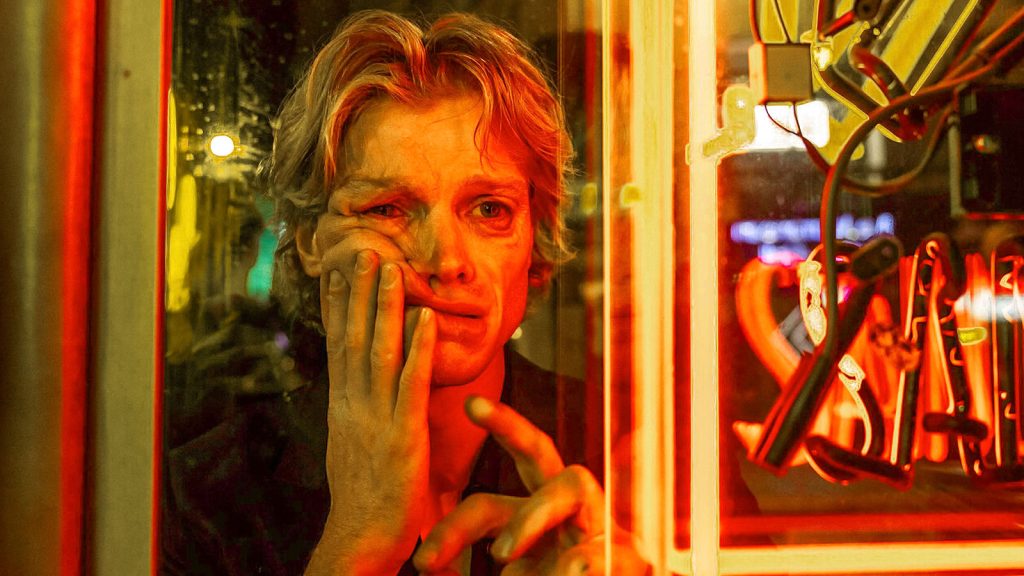 Credit:- Warner Bros. Pictures
Played by Tom Rhys Harries, Matt begins as an Oscar-nominated actor whose career collapses after mobster Markos Szabo disfigures his face. Caitlyn offers salvation through an experimental AI-powered nanocell treatment, only for the procedure to unleash uncontrollable shapeshifting abilities. Matt initially directs his vengeance toward those responsible for his suffering. Watkins told Variety that he wanted audiences to enjoy that retaliation before confronting how monstrous Matt has become.
The ending completes that reversal. Caitlyn activates the nanocell kill switch, apparently destroying Matt. Yet he survives as a grotesque creature lurking beneath Gotham. His obsession survives too. In the sewers, Matt creates Caitlyn’s likeness from his own shapeshifting body, performing an imaginary reunion with a woman who is not there. His powers have become a means of escaping rejection rather than confronting reality.
That bleak conclusion reflects Mike Flanagan’s original vision of the screenplay as “a tragedy in three acts,” which Watkins discussed with The Hollywood Reporter. The film has also made an encouraging commercial start. According to The Hollywood Reporter, Clayface opened to approximately $46.5 million worldwide against a reported $44 million production budget, while earning 75% from critics and 94% from verified audiences on Rotten Tomatoes. Those figures signal early interest, although profitability remains uncertain.
Minghella described the production as unusually intimate in a separate SciFiNow interview, an approach that helps explain why Borrelli’s murder resonates beyond the film’s body-horror spectacle. Watkins has no concrete sequel plans, telling Variety that Clayface’s future rests with James Gunn. For now, Borrelli’s murder remains the film’s defining moral rupture. Matt may have become a monster through tragedy, but his choices make him a villain.
Was John Borrelli’s death necessary to complete Matt Hagen’s transformation into Clayface? Share your thoughts in the comments, and follow FandomWire for more DCU updates, movie breakdowns, and entertainment news.
Clayface is currently playing in theaters.
























 Bengali (BD) ·
 English (US) ·