.png)
 2 hours ago
18
2 hours ago
18
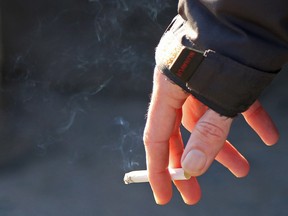
Article content
This week, I overheard an unusual conversation: A fellow at my local branch of a certain Quebec-based convenience store colossus asked for two packs of a brand of cigarettes I had actually heard of. (It comes in a red pack. It is made by Imperial Tobacco. It is named after Daphne du Maurier’s father. Under Canadian law, I don’t think I’m allowed to say any more.)

THIS CONTENT IS RESERVED FOR SUBSCRIBERS
Enjoy the latest local, national and international news.
- Exclusive articles by Conrad Black, Barbara Kay and others. Plus, special edition NP Platformed and First Reading newsletters and virtual events.
- Unlimited online access to National Post.
- National Post ePaper, an electronic replica of the print edition to view on any device, share and comment on.
- Daily puzzles including the New York Times Crossword.
- Support local journalism.
SUBSCRIBE FOR MORE ARTICLES
Enjoy the latest local, national and international news.
- Exclusive articles by Conrad Black, Barbara Kay and others. Plus, special edition NP Platformed and First Reading newsletters and virtual events.
- Unlimited online access to National Post.
- National Post ePaper, an electronic replica of the print edition to view on any device, share and comment on.
- Daily puzzles including the New York Times Crossword.
- Support local journalism.
REGISTER / SIGN IN TO UNLOCK MORE ARTICLES
Create an account or sign in to continue with your reading experience.
- Access articles from across Canada with one account.
- Share your thoughts and join the conversation in the comments.
- Enjoy additional articles per month.
- Get email updates from your favourite authors.
THIS ARTICLE IS FREE TO READ REGISTER TO UNLOCK.
Create an account or sign in to continue with your reading experience.
- Access articles from across Canada with one account
- Share your thoughts and join the conversation in the comments
- Enjoy additional articles per month
- Get email updates from your favourite authors
Sign In or Create an Account
or
Article content
It’s unusual enough to hear people ask for smokes at the corner store nowadays, more unusual still to hear them ask for what Big Tobacco now calls “premium brands” — which as far as I can remember is what people used to just call “cigarettes.”
Article content
Article content
Article content
When I do see people buy cigarettes in traditional retail outlets like convenience stores, it mostly seems to be the “discount” brands that predominate (they are generally made by the same Big Tobacco companies as make the legacy brands). I’m not surprised. I have never been a smoker, but with a snack and a drink thrown in with his 50 cigarettes that guy spent roughly what people my age remember spending on a tank of gas in the 1990s. The mind boggles. Even the cheap brands aren’t remotely cheap by historical standards.
Article content
By signing up, you consent to receive the above newsletter from Postmedia Network Inc.
Article content
Every such transaction is fitting testament, I suppose, to the magnificently addictive power of nicotine. But it’s also testament to governments’ weirdly unrelenting efforts to double down on tobacco restrictions, despite their demonstrably roaring success and what must surely be diminishing returns on investment.
Article content
This week, the federal government unveiled supposedly even more disgusting and portentous cigarette labelling. “You may need a hole cut in your throat to breathe,” one pack advises. (Readers, do not try this at home. Call 911.)
Article content
Say what you will about the war on smoking. Unlike several other wars one could name, not least against other forms of addiction, it has accomplished what it set out to do quite spectacularly, and without resorting to outright bans.
Article content
Article content
According to World Health Organization statistics, in the year 2025, 10.8 per cent of Canadians regularly consumed tobacco products. Among OECD nations, only Colombia can claim a lower figure, and plenty of our friends in peer nations still smoke at astonishing rates: 30 per cent of Portuguese, 29 per cent of Greeks, 27 per cent of Spaniards.
Article content
Article content
Dive behind the former Iron Curtain and Canadian eyes start properly stinging. According to the WHO, slightly fewer than 40 per cent of Serbians smoke. I challenge anyone to fly to Belgrade’s Nikola Tesla Airport, observe the behaviour of the alighting passengers, and tell me that’s not a wild underestimate.
Article content
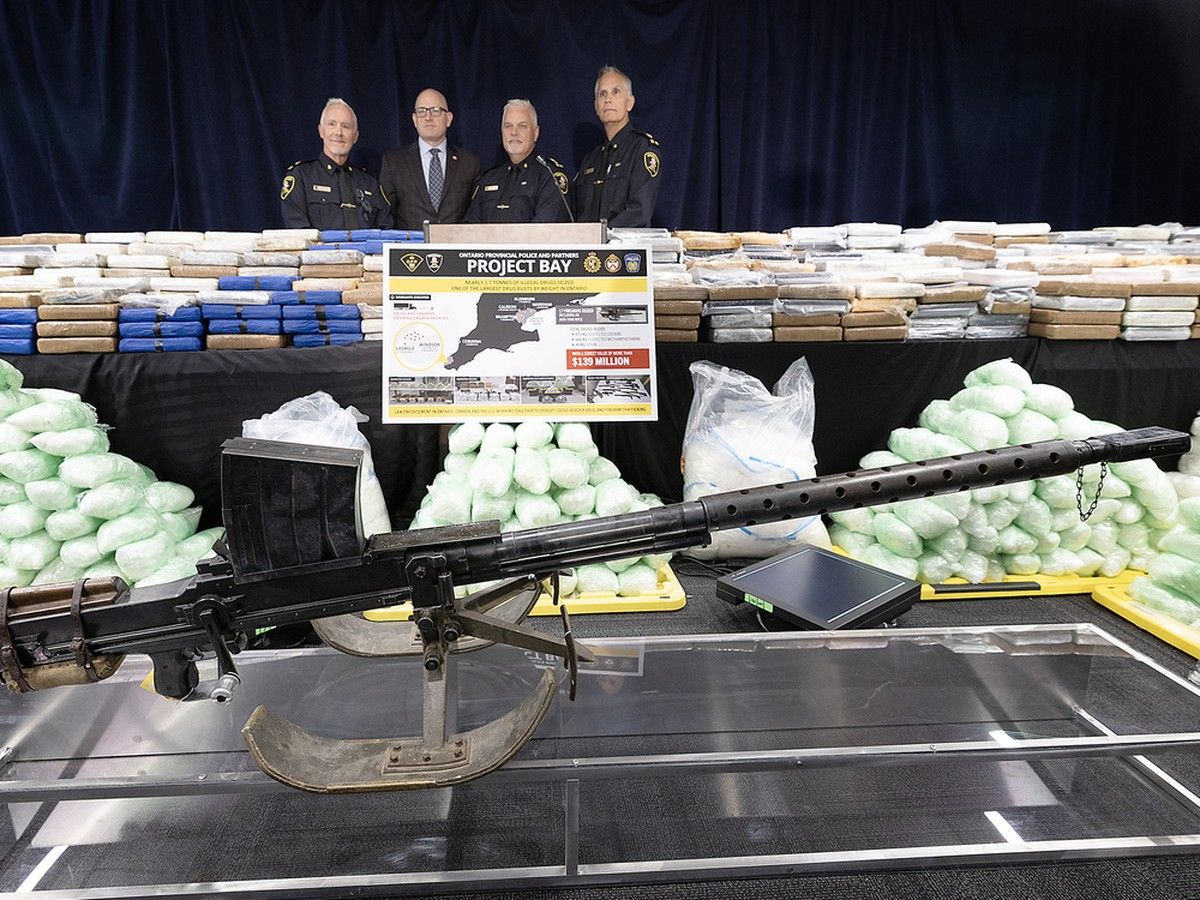
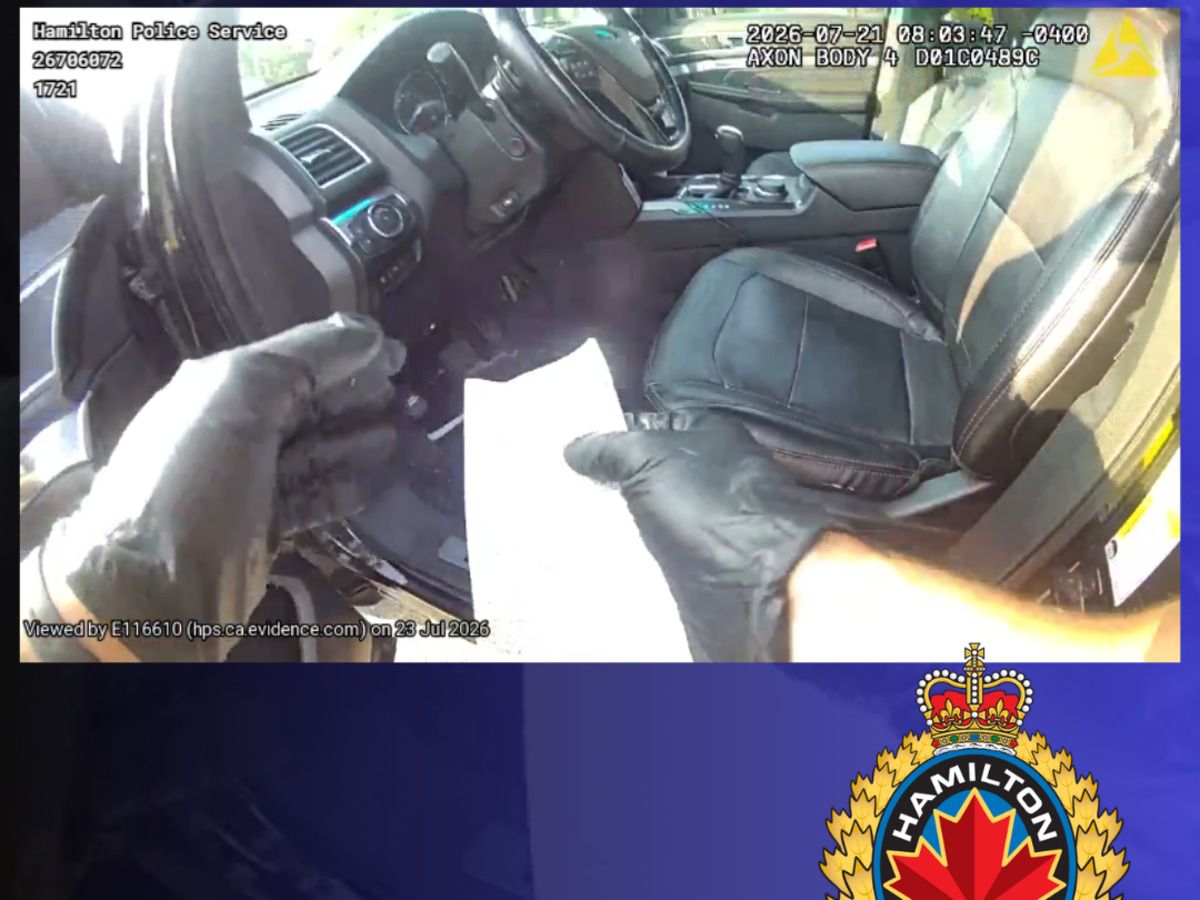
Canada’s smoking rates, like those of our peer countries’, have in general been plummeting. Sixty years ago, the figure in Canada was roughly 50 per cent. And I wouldn’t suggest we accept success and down tools. But more price and public-health signals on the cigarettes people buy at the corner store do seem rather beside the point, when contraband cigarettes now command a huge share of the market precisely because of those signals — especially, I suspect, cost.


















/https%3A%2F%2Fsportsmole-media-prod.s3.gra.io.cloud.ovh.net%2Fuploads%2F2026%2F03%2Ficonsport-361551-0102-1-69b560866f7b6508942731.jpg)
 Bengali (BD) ·
  English (US) ·