.png)
 2 hours ago
14
2 hours ago
14
Article content
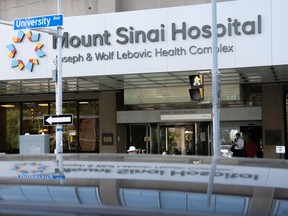
Antisemitism in health-care education and practice has risen sharply since Hamas’ Oct. 7, 2023 attack, affecting Jewish medical professionals in Canada as well as the U.S., U.K. and Australia, according to a narrative review published in the Rambam Maimonides Medical Journal last month.

THIS CONTENT IS RESERVED FOR SUBSCRIBERS
Enjoy the latest local, national and international news.
- Exclusive articles by Conrad Black, Barbara Kay and others. Plus, special edition NP Platformed and First Reading newsletters and virtual events.
- Unlimited online access to National Post.
- National Post ePaper, an electronic replica of the print edition to view on any device, share and comment on.
- Daily puzzles including the New York Times Crossword.
- Support local journalism.
SUBSCRIBE FOR MORE ARTICLES
Enjoy the latest local, national and international news.
- Exclusive articles by Conrad Black, Barbara Kay and others. Plus, special edition NP Platformed and First Reading newsletters and virtual events.
- Unlimited online access to National Post.
- National Post ePaper, an electronic replica of the print edition to view on any device, share and comment on.
- Daily puzzles including the New York Times Crossword.
- Support local journalism.
REGISTER / SIGN IN TO UNLOCK MORE ARTICLES
Create an account or sign in to continue with your reading experience.
- Access articles from across Canada with one account.
- Share your thoughts and join the conversation in the comments.
- Enjoy additional articles per month.
- Get email updates from your favourite authors.
THIS ARTICLE IS FREE TO READ REGISTER TO UNLOCK.
Create an account or sign in to continue with your reading experience.
- Access articles from across Canada with one account
- Share your thoughts and join the conversation in the comments
- Enjoy additional articles per month
- Get email updates from your favourite authors
Sign In or Create an Account
or
Article content
The review brings together existing research from the four countries on antisemitism in health-care professions, including medicine, psychology, nursing, and social work.
Article content
Article content
Article content
Among the studies cited is a 2024 survey of 1,000 Jewish medical professionals in Canada. It found that only one per cent of respondents felt antisemitism was a severe problem in the medical field before Oct. 7, compared to 98 per cent after.
Article content
By signing up you consent to receive the above newsletter from Postmedia Network Inc.
Article content
The same survey revealed that 31 per cent had considered leaving Canada because of increased antisemitism in medical institutions and schools.
Article content
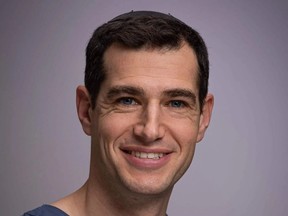
The review comes shortly after Dr. Emmanuel Moss, chief of cardiac surgery at the Jewish General Hospital in Montreal, tendered his resignation in June, citing rising antisemitism in the city as one of the reasons behind his decision to relocate to the U.S.
Article content
In a letter published in The Montreal Gazette, Dr. Moss wrote that he had “watched with growing alarm as (antisemitic) incidents have multiplied and the response from authorities has fallen short.”
Article content
“What has been most troubling is not only the rise in hateful acts, but the normalization of rhetoric and behaviour that would have been broadly condemned only a few years ago,” he added. “When a community starts to feel unsafe in a city it has helped build, something has gone seriously wrong.”
Article content
Article content
Article content
Outside of Canada, the review highlights more recent studies that have documented rising levels of antisemitism experienced by health-care professionals.
Article content
Article content
Surveys of Jewish medical students and physicians in the U.S. found that 88 per cent had experienced antisemitism since Oct. 7, compared to 40 per cent before that date.
Article content
More than 35 per cent reported personally directed antisemitic incidents, and over 30 per cent reported face-to-face antisemitic encounters. Nearly half reported exposure to antisemitism on social media, and 21 per cent reported exposure in classes or seminars.
Article content
Despite those findings, fewer than two percent said their institutions had incorporated antisemitism education into anti-discrimination training.
Article content
Meanwhile, in Australia, a survey of Jewish health-care students and professionals in Victoria revealed that half felt the need to hide Jewish identity, while around two-thirds knew someone else who felt the same. One-third reported experiencing antisemitism in the workplace, and about two-thirds reported feeling unsafe or uncomfortable.






















/https%3A%2F%2Fsportsmole-media-prod.s3.gra.io.cloud.ovh.net%2Fuploads%2F2026%2F04%2Fimago1075785696-69f1c41377d96073966575.jpg)

 Bengali (BD) ·
  English (US) ·