.png)
 1 week ago
11
1 week ago
11
Last month's federal and provincial governments' announcement to commit $8.8 billion over 10 years to lower development charges (DCs) across Ontario signifies meaningful progress.
Published Apr 17, 2026 • 4 minute read

In most areas of life, we look for progress over perfection. Progress symbolizes something greater than perfection – it represents advancement, stepping in the right direction, being better today than we were yesterday.
Advertisement 2

THIS CONTENT IS RESERVED FOR SUBSCRIBERS ONLY
Subscribe now to read the latest news in your city and across Canada.
- Unlimited online access to articles from across Canada with one account.
- Get exclusive access to the Toronto Sun ePaper, an electronic replica of the print edition that you can share, download and comment on.
- Enjoy insights and behind-the-scenes analysis from our award-winning journalists.
- Support local journalists and the next generation of journalists.
- Daily puzzles including the New York Times Crossword.
SUBSCRIBE TO UNLOCK MORE ARTICLES
Subscribe now to read the latest news in your city and across Canada.
- Unlimited online access to articles from across Canada with one account.
- Get exclusive access to the Toronto Sun ePaper, an electronic replica of the print edition that you can share, download and comment on.
- Enjoy insights and behind-the-scenes analysis from our award-winning journalists.
- Support local journalists and the next generation of journalists.
- Daily puzzles including the New York Times Crossword.
REGISTER / SIGN IN TO UNLOCK MORE ARTICLES
Create an account or sign in to continue with your reading experience.
- Access articles from across Canada with one account.
- Share your thoughts and join the conversation in the comments.
- Enjoy additional articles per month.
- Get email updates from your favourite authors.
THIS ARTICLE IS FREE TO READ REGISTER TO UNLOCK.
Create an account or sign in to continue with your reading experience.
- Access articles from across Canada with one account
- Share your thoughts and join the conversation in the comments
- Enjoy additional articles per month
- Get email updates from your favourite authors
Article content
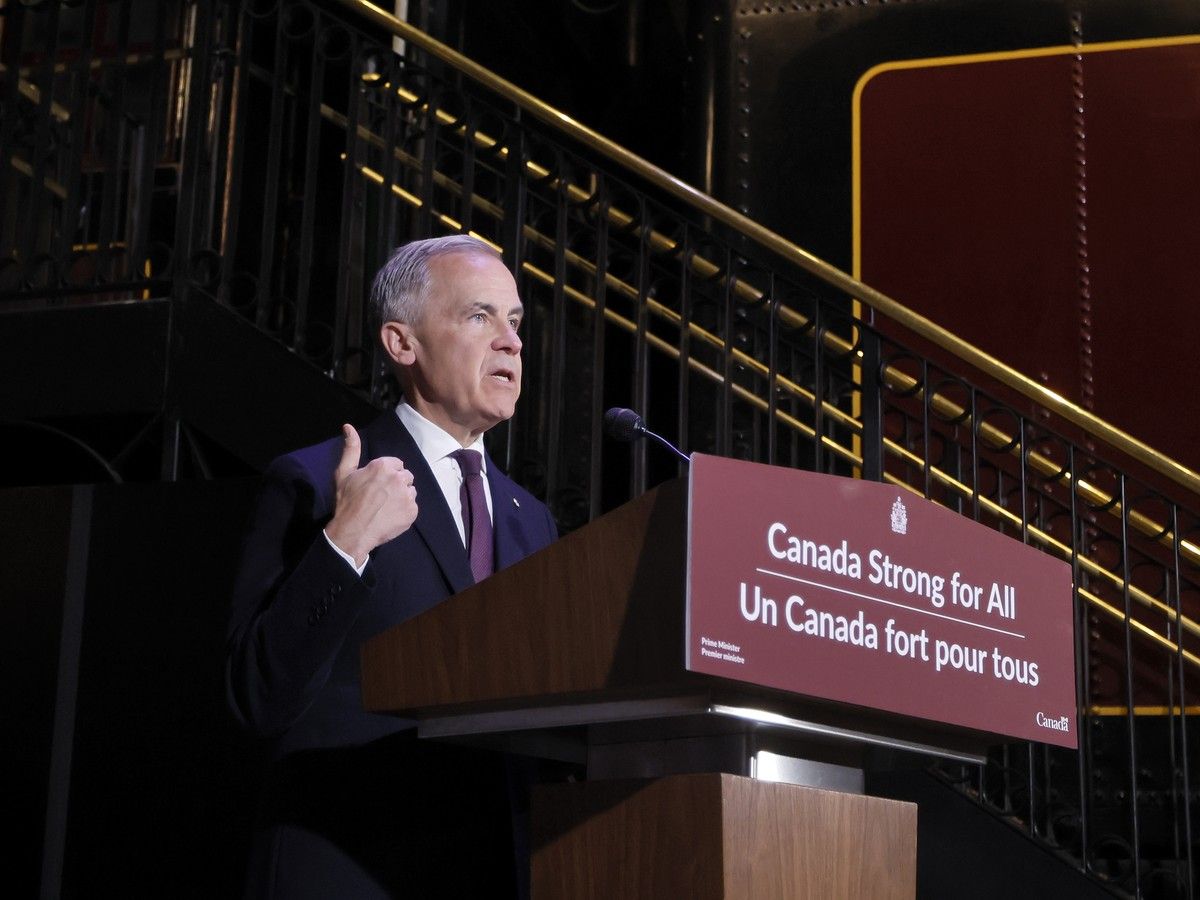
Last month, on March 30th, the federal and provincial governments announced they would be partnering to commit $8.8 billion over 10 years to lower development charges (DCs) across Ontario.
Article content
Recommended Videos
Article content
This was a historic moment, signifying meaningful progress by both levels of government to address the astronomical rise of DCs in Ontario, and the impact these charges have on housing affordability and project viability (which limits supply), while ensuring municipalities have the necessary funding to support growth-related infrastructure.
Decreasing DCs leads to an improvement in housing project viability, leading to increased supply and a reduction of baked-in construction costs – all of which improves affordability, re-establishes equity in the system, and makes now an incredible time for new homebuyers to enter the market. The March 30th announcement is historic and a major step forward.
Before unpacking the details of these changes, it’s important to understand the landscape of DCs prior to this initiative.
By signing up you consent to receive the above newsletter from Postmedia Network Inc.
Article content
Advertisement 3
Article content
Development charges are levied by municipalities and regions on new homes in Ontario to help offset the cost of new housing supportive infrastructure. This can range from services like police and ambulances, to infrastructure like transit, water and wastewater systems.
Only Ontario and British Columbia use this system of upfront structured costs in Canada – interestingly, the two jurisdictions with the highest home prices in the country. These two facts are not unrelated. Additionally, Ontario and British Columbia are virtually unique in all North American jurisdictions for their use of this upfront, baked-into-housing cost model of supporting growth infrastructure.
These fees can reach up to $130,000 per single-family home in the Greater Toronto Area (GTA), and have increased by as much as 1,000 per cent in certain municipalities in the last decade and a half.
Under this new Canada-Ontario partnership, the joint governments announced they will provide matching funding into a program administered by the province to address these skyrocketing charges. As part of the conditions connected to receiving funding, municipalities must be part of the solution and commit to finding ways to lower costs attached to DCs.
Advertisement 4
Article content
With this new program, it is estimated that DCs could be reduced by as much as 50 per cent in some municipalities for a three-year period.
When this announcement is coupled with the recent elimination and reduction of the harmonized sales tax (HST) on new homes in Ontario, homebuyers could be looking at nearly $200,000 in savings over the next year on the cost of a new home. For those looking to buy a new home, it is a once-in-a-lifetime opportunity to enter the market with increased purchasing power.
This represents massive progress from where we were only two months ago. It will help make new homes more affordable for Ontarians and help housing projects that have been stalled from an economic viability perspective to move forward – adding supply and further easing housing pressures in the GTA.
Looking forward, there is an opportunity for municipalities to use the next three years to truly examine all upfront payments new homebuyers are expected to pay. Lowering DCs would mean evaluating these charges and finding ways to reduce the tax burden for good.
Advertisement 5
Article content
For example, instead of requiring new home purchasers to pay a one-time, upfront payment for water and wastewater systems – why not instead, spread the payment over a 20-to-25-year period for new homes. This measure alone would permanently cut DCs by 25 to 30 per cent, and is already something the province is taking tentative steps towards in the Peel region.
The provincial government has already taken great strides to improve the Development Charges Act and accelerate the implementation of these changes at the municipal level. Taking continued steps to standardize approaches and increase transparency will take us further down the road to achieving lasting change.
There is also an opportunity to make these charges more transparent to the end user – the new homebuyer. As part of new legislation tabled last month, the provincial government indicated that it would consult on how to make DCs transparent to purchasers. This is another great milestone and presents the opportunity for buyers to have more information about the charges and taxes applied to new homes.
Advertisement 6
Article content
The long-term objective is clear – ensure that the DCs system in this province enables the addition of housing in a more affordable, fair, transparent and sustainable manner.
We are thankful to the federal and provincial governments for their leadership and progress in addressing rising development charges and their commitment to use this opportunity to deliver permanent charges to DCs system.
Dave Wilkes is President and CEO of the Building Industry and Land Development Association (BILD),
the voice of the home building, land development and professional renovation industry in the GTA. For the latest industry news and new home data, visit www.bildgta.ca.
Article content




























 Bengali (BD) ·
  English (US) ·