.png)
 2 hours ago
10
2 hours ago
10
Article content
The initial 30 per cent non-renewable resource revenue target was lowered to 15 per cent in 1983 and dropped altogether in 1987. Resource revenue contributions were made in just 11 of the fund’s first 48 years.
Article content
Why has it been so hard to keep revenues in the fund?
Article content
The simple answer is politics.
Article content
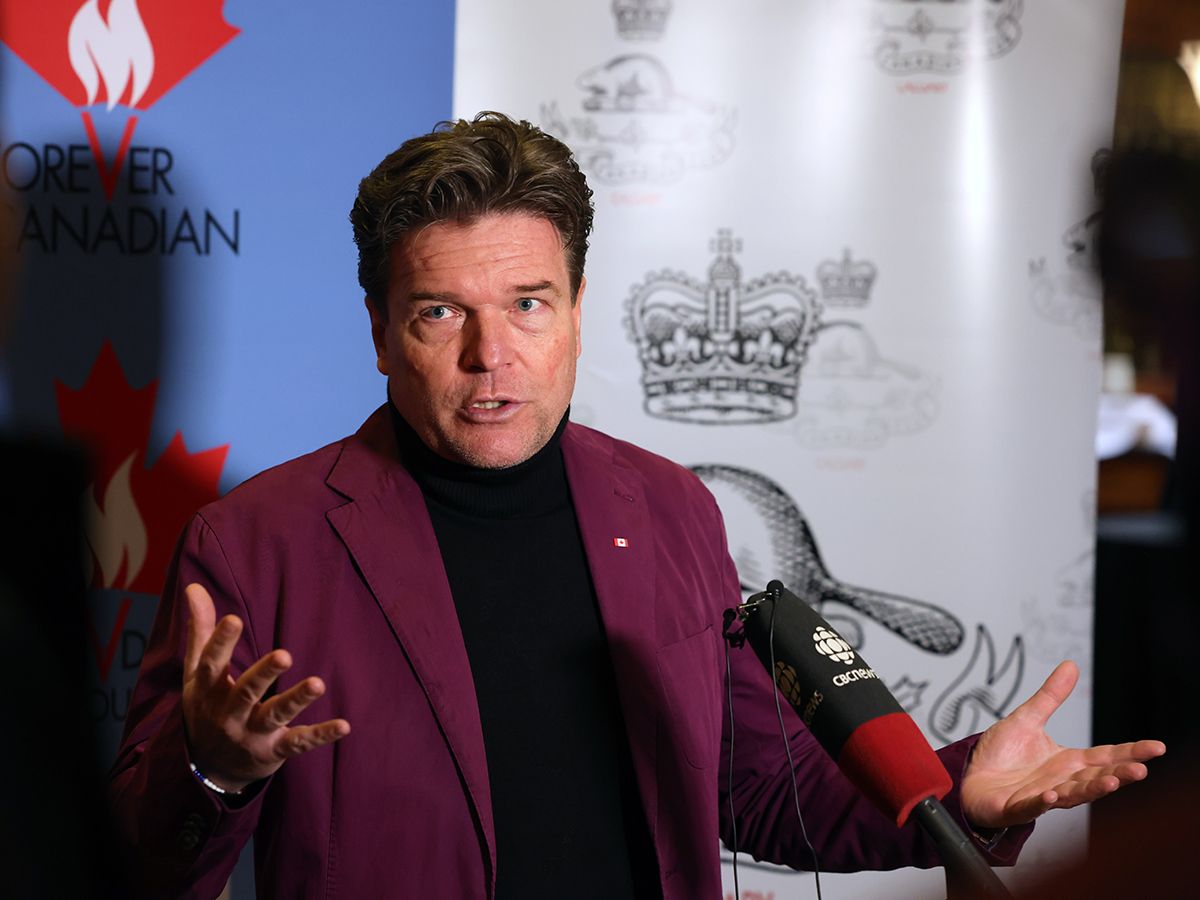
“I think the Alberta Heritage Fund is the perfect example of political intervention,” said Jack Mintz, an economist at the University of Calgary.
Article content
“There have always been political decisions about whether to leave money in the fund or take it out,” said Mintz.
Article content
Mintz said the fund failed its first major stress test when a deep recession hit Alberta in the early 1980s. Then-premier Peter Lougheed, the fund’s creator, announced in 1982 that the “rainy day” had arrived, diverting more than $850 million from the fund to protect farms, households and businesses.
Article content
The fund annual growth rate fell into the red by the end of the decade.
Article content
“There wasn’t necessarily a lot of discipline in how the fund was managed, pretty much the start. If the government was short of money, they would take money out of it,” said Mintz.
Article content
Article content
Why has it underperformed relative to other Western oil funds?
Article content
Politics is a strong but not insurmountable obstacle to growing sovereign wealth funds in oil-rich democratic jurisdictions.
Article content
The Norway Oil Fund, established in 1990 with a US$300-million endowment, has since grown to US$2.2 trillion, making it the world’s largest sovereign wealth fund. Critically, the fund invests almost exclusively outside Norway to tie its own hands.
Article content
Mintz said the prospect of declining Norwegian oil production underpinned a political consensus behind the fund.
Article content
“Norway had a specific issue, and their oil was running out,” said Mintz. “The public seemed to buy this idea that they needed to fund public services for the long run, and they were willing to take a short-term hit for that.”
Article content
Mintz led a government-sponsored study in 2008 that found Alberta could grow its Heritage Fund to $100-billion by 2030, if it adopted managerial practices similar to those used in Norway.
Article content
Closer to home, Albertans can look to the example of the Alaska Permanent Fund. The Alaska fund, also founded in 1976, was valued at over US$89 billion in early 2026.
Article content
Article content
The Alaska fund has a built-in accountability mechanism of a $1,600 cash dividend per resident. This dividend gets smaller when the fund performs poorly, an outcome managers obviously want to avoid.
Article content
Will a national sovereign wealth fund look any different?
Article content
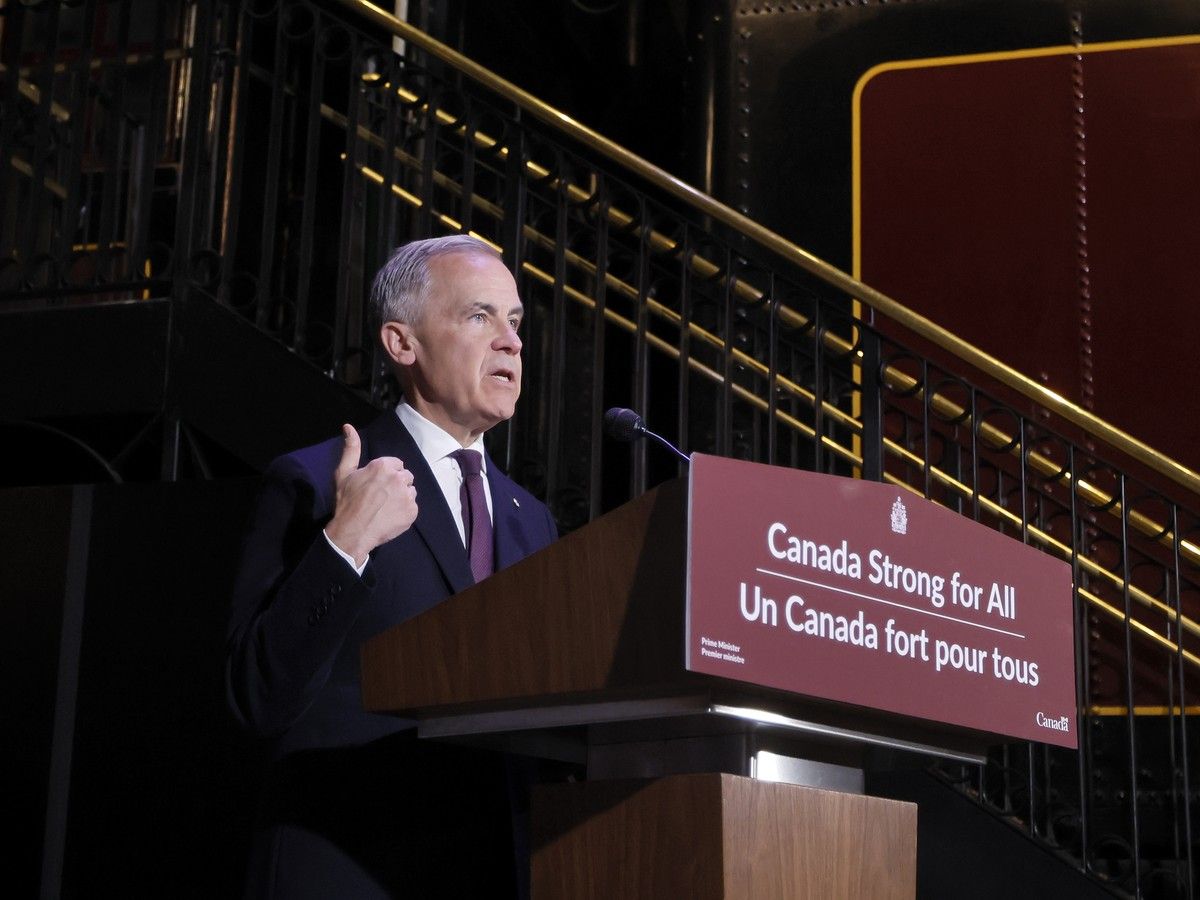
Details so far have been sparse about how Canada’s new sovereign wealth fund will be funded. One factor already working against it is that the country won’t be starting with a massive windfall surplus, but a historic national debt.
Article content
“(The $25 billion) is going to come from the taxpayers, we always have to remember that,” said Mintz.
Article content
National Post
[email protected]
Article content
Our website is the place for the latest breaking news, exclusive scoops, longreads and provocative commentary. Please bookmark nationalpost.com and sign up for our daily newsletter, Posted, here.
Article content
























 Bengali (BD) ·
  English (US) ·