.png)
 1 week ago
10
Article content
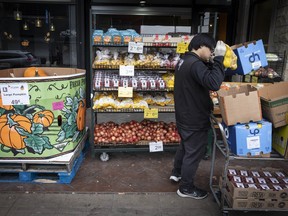
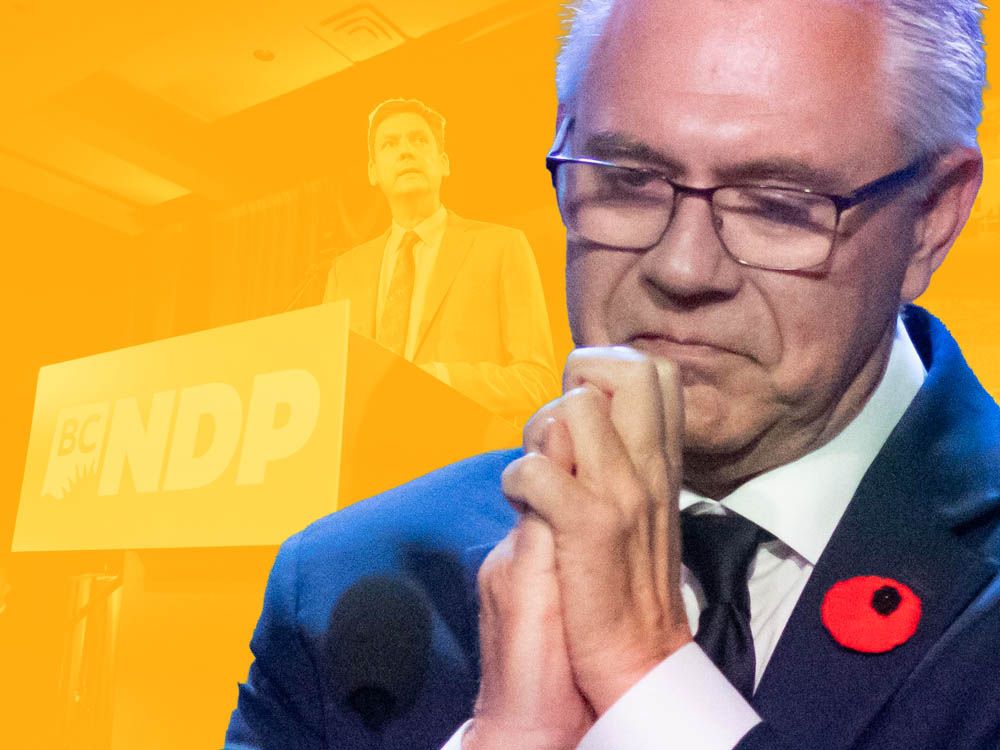
In an effort to address affordability in the B.C. election campaign, the NDP and Green party are proposing plans to reduce the cost of groceries.

THIS CONTENT IS RESERVED FOR SUBSCRIBERS ONLY
Subscribe now to read the latest news in your city and across Canada.
- Unlimited online access to articles from across Canada with one account.
- Get exclusive access to the Vancouver Sun ePaper, an electronic replica of the print edition that you can share, download and comment on.
- Enjoy insights and behind-the-scenes analysis from our award-winning journalists.
- Support local journalists and the next generation of journalists.
- Daily puzzles including the New York Times Crossword.
SUBSCRIBE TO UNLOCK MORE ARTICLES
Subscribe now to read the latest news in your city and across Canada.
- Unlimited online access to articles from across Canada with one account.
- Get exclusive access to the Vancouver Sun ePaper, an electronic replica of the print edition that you can share, download and comment on.
- Enjoy insights and behind-the-scenes analysis from our award-winning journalists.
- Support local journalists and the next generation of journalists.
- Daily puzzles including the New York Times Crossword.
REGISTER / SIGN IN TO UNLOCK MORE ARTICLES
Create an account or sign in to continue with your reading experience.
- Access articles from across Canada with one account.
- Share your thoughts and join the conversation in the comments.
- Enjoy additional articles per month.
- Get email updates from your favourite authors.
THIS ARTICLE IS FREE TO READ REGISTER TO UNLOCK.
Create an account or sign in to continue with your reading experience.
- Access articles from across Canada with one account
- Share your thoughts and join the conversation in the comments
- Enjoy additional articles per month
- Get email updates from your favourite authors
Sign In or Create an Account
or
Article content
The B.C. Conservatives, instead, say that lowering taxes will put more money in people’s pockets to help pay for groceries.
Article content
Article content
The NDP wants to put a cap on the price mark-up on essentials such as milk, eggs, cheese, butter and poultry. The margin caps would apply to corporate retailers, and Leader David Eby singled out the five major grocery chains in B.C.: Loblaws, Save-On-Foods, Walmart, Costco and Sobeys (which operates Safeway).
Article content
Advertisement 1
Article content
The B.C. Greens’ platform includes the creation of government-owned and -managed grocery stores, starting with 20 stores and an investment of $100 million. The idea would be to source local products and sell a basket of core goods 30 per cent below market prices.
Article content
By signing up you consent to receive the above newsletter from Postmedia Network Inc.
Article content
But do these ideas have any merit, and can they be done?
Article content
Yes, they can be done, but are not a cure-all.
Article content
Grocery price-control programs are carried out in a number of countries. Hungary has been enforcing price caps on staples since 2022, and in 2025, implemented a retail profit cap of 10 per cent on more than 30 essential foods. Romania, Croatia and the Philippines have also introduced some form of price cap.
Article content
These programs have been implemented through legislation, or emergency or executive government orders.
Article content
France also had a program, but did not use legislation. Instead, it negotiated an agreement with major supermarket chains to slash and freeze prices on everyday grocery items in 2023.
Article content
But reducing the price mark-up on essentials such as milk, eggs, cheese, butter and poultry may have little effect on reducing prices, or a shopper’s overall grocery bill.
Article content
Advertisement 2
Article content
Chris Bodnar, an assistant professor of agriculture at the University of the Fraser Valley, notes that in many stores products such as milk are sold as loss leaders, where profit margins are not high or may in fact be negative. Such pricing is set to attract customers into the store to buy other items.
Article content
Article content
“It gets people’s attention, but it doesn’t solve the problem,” Bodnar said about the idea of price caps.
Article content
Studies have shown that the benefits of these types of programs can be fleeting.
Article content
A Harvard business school study found that while there can be a small, temporary relief on capped grocery items, major grocery stores simply raise prices on uncontrolled products. The International Monetary Fund, a United Nations agency, advises against broad grocery price controls, because they send the wrong signals and can disrupt supply. The agency instead recommends measures such as direct cash transfers to help low-income earners.
Article content
Bodnar sat on the premier’s task force on agriculture and the food economy, which delivered recommendations in November 2025.
Article content
He noted that capping the margins on a few goods misses everything that has gone into making groceries more expensive, including climate change, global conflicts that increase the cost of fertilizer and fuel, and the need for adequate land and water in B.C. to bolster production.

























 Bengali (BD) ·
 English (US) ·