.png)
 1 week ago
18
1 week ago
18

Article content
OTTAWA – Canada’s former chief trade negotiator Steve Verheul doesn’t expect formal negotiations on the review of the Canada-United States-Mexico-Agreement (CUSMA) between Canada and the U.S. to happen anytime soon, following the collapse of trade talks between the two countries last week.

THIS CONTENT IS RESERVED FOR SUBSCRIBERS
Enjoy the latest local, national and international news.
- Exclusive articles by Conrad Black, Barbara Kay and others. Plus, special edition NP Platformed and First Reading newsletters and virtual events.
- Unlimited online access to National Post.
- National Post ePaper, an electronic replica of the print edition to view on any device, share and comment on.
- Daily puzzles including the New York Times Crossword.
- Support local journalism.
SUBSCRIBE FOR MORE ARTICLES
Enjoy the latest local, national and international news.
- Exclusive articles by Conrad Black, Barbara Kay and others. Plus, special edition NP Platformed and First Reading newsletters and virtual events.
- Unlimited online access to National Post.
- National Post ePaper, an electronic replica of the print edition to view on any device, share and comment on.
- Daily puzzles including the New York Times Crossword.
- Support local journalism.
REGISTER / SIGN IN TO UNLOCK MORE ARTICLES
Create an account or sign in to continue with your reading experience.
- Access articles from across Canada with one account.
- Share your thoughts and join the conversation in the comments.
- Enjoy additional articles per month.
- Get email updates from your favourite authors.
THIS ARTICLE IS FREE TO READ REGISTER TO UNLOCK.
Create an account or sign in to continue with your reading experience.
- Access articles from across Canada with one account
- Share your thoughts and join the conversation in the comments
- Enjoy additional articles per month
- Get email updates from your favourite authors
Sign In or Create an Account
or
Article content
“I think that the discussions between Canada and the U.S. on the CUSMA review have now been put into some question,” said Verheul, who now serves as a principal at GT and Company, during a webcast hosted by BMO Capital Markets on Wednesday.
Article content
Article content
Article content
Verheul said the expectation coming out of negotiations for an interim deal on Section 338 and Section 232 tariffs between the two countries, would be a commitment for both parties to enter the formal process of reviewing the North American trade pact.
Article content
Article content
“I expect at some point we will get back to that kind of discussion, but I don’t think it will happen anytime soon,” he added.
Article content
Verheul was the chief negotiator who led Canada’s role in the creation of CUSMA. The trade pact is now subject to annual reviews, after the U.S. decided in July not to renew it for another 16 years.
Article content
Mexico and the U.S. just completed the third formal bilateral negotiation round under the joint review of CUSMA last month in Mexico City. On Monday, Mexican President Claudia Sheinbaum said she was optimistic that Mexico and the U.S. could reach a deal on Section 232 tariffs.
Article content
The collapse of negotiations between Canada the U.S. last Friday has led to a tit-for-tat escalation in the trade conflict between the two countries.
Article content
The U.S. has applied 50 per-cent tariffs under the Smoot-Hawley Tariff Act on nearly $28 billion worth of Canadian goods. In return, Canada has applied retaliatory tariffs ranging from 15 to 50 per cent on $27.6 billion worth of U.S. imports, effective Sept. 8. Canada has also doubled tariffs on U.S. steel and aluminum.
Article content
Article content
U.S. President Donald Trump has also threatened to double tariffs to 50 per cent on Canadian autos and trucks and put a levy on auto parts, effective Jan. 1.
Article content
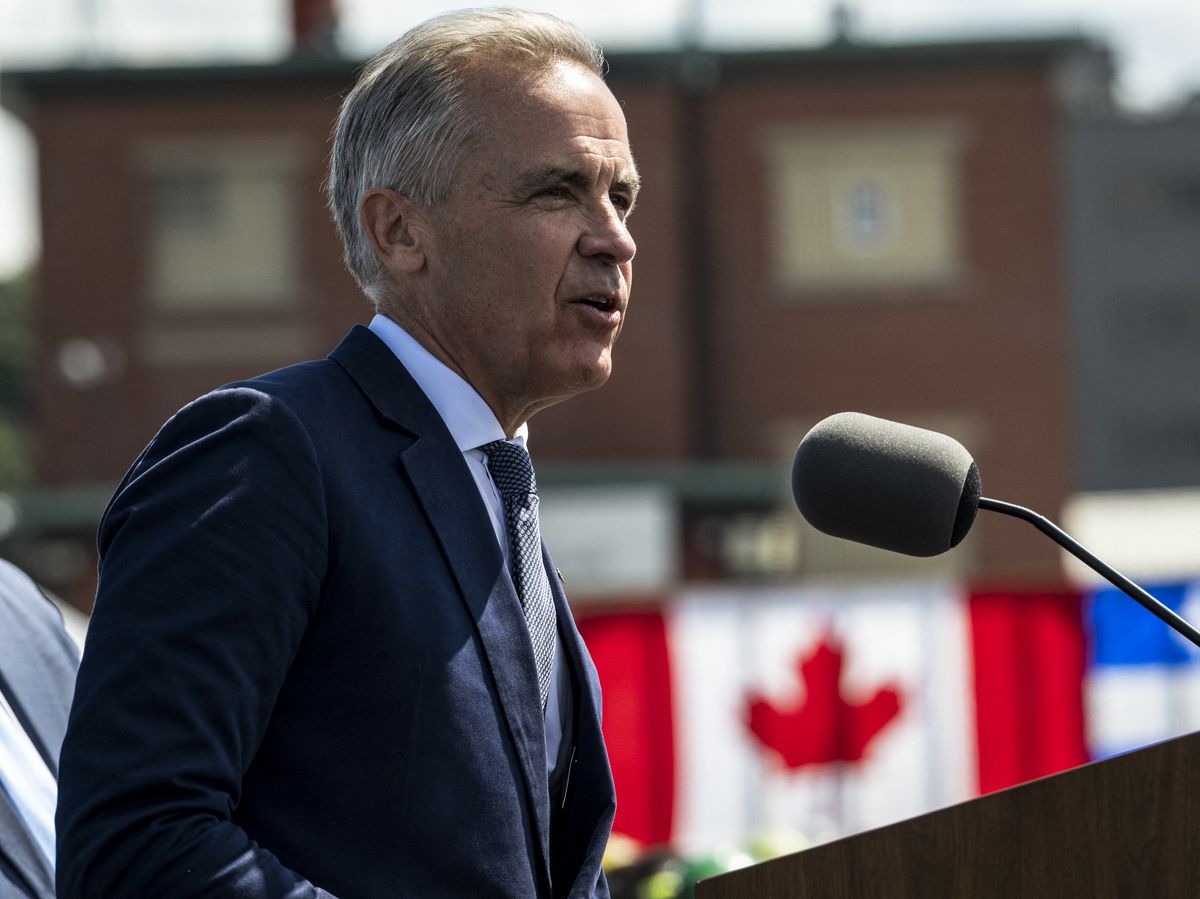
After weeks of negotiations for interim agreement, Prime Minister Mark Carney said ultimately several last-minute demands from the U.S. side led to his government having to walk away from the agreement that was offered.
Article content
Carney said those demands included Canadian trucks not receiving the same tariff relief treatment as Canadian autos, language in the deal around restricting Canada’s ability to make trade deals with other countries, and “efforts to restrict our protections of our language, our culture, and in effect, our sovereignty.”
Article content
On Wednesday, Verheul cited those reasons for the breakdown in talks as well, adding that U.S. negotiators also wanted Canada to match U.S. tariffs on steel and aluminum from other countries and would not include aluminum-containing products as part of the reduction in tariffs.
Article content
When asked what it would take to get back to the negotiating table, Verheul said he expects Trump’s tariff policy to become progressively more unpopular domestically.
Article content
Verheul noted the U.S. business community is virtually unanimous in its support for the extension of the North American trade pact, and the American public is not in favour of tariffs. He also said manufacturing starts and jobs are down in the U.S.
Article content
“I think those kinds of pressures will come to bear, and I hope sooner rather than later,” he said.
Article content
National Post
Article content
Our website is the place for the latest breaking news, exclusive scoops, longreads and provocative commentary. Please bookmark nationalpost.com and sign up for our newsletters here.
Article content


























 Bengali (BD) ·
  English (US) ·