.png)
 2 days ago
16
2 days ago
16
Decades before multiversal variants dominated pop culture, an obscure manga adaptation quietly dismantled and rebuilt Peter Parker from the ground up. No, we are not talking about the Spider-Man: Fake Red manga. It’s a completely different one. Written by Kōsei Ono and Kazumasa Hirai, and illustrated by legendary artist Ryoichi Ikegami, 1970’s Spider-Man: The Manga took radical risks that mainstream American comics rarely dared to attempt.
More than five decades later, as Tom Holland’s fourth MCU cinematic outing, Spider-Man: Brand New Day, hits theaters, this long-forgotten Japanese run stands out as a masterclass in raw, organic character progression.
| Title | Spider-Man: The Manga (スパイダーマン / Supaidāman) |
| Serialization | January 1970 – September 1971 |
| Writer(s) | Kōsei Ono and Kazumasa Hirai |
| Artist | Ryoichi Ikegami |
| Publisher | Kodansha (under license from Marvel Comics) |
| Available | Unavailable across official digital services such as Marvel Unlimited |
The Forgotten Spider-Man Manga That Reinvented Peter Parker
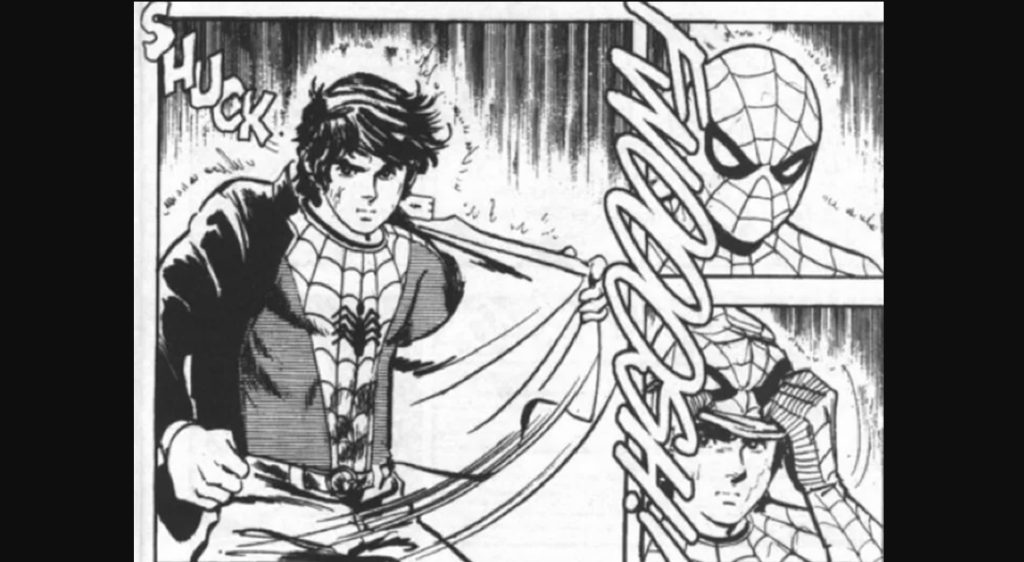 This image features Yu Komori from the manga series Spider-Man: The Manga. [Credit: Kodansha]
Serialized in Monthly Shōnen Magazine from January 1970 to September 1971, Spider-Man: The Manga began as a licensed translation of Stan Lee and Steve Ditko’s iconic run before quickly mutating into an entirely distinct beast. The series discarded Peter Parker in favor of Yu Komori, a brilliant yet painfully isolated Japanese high school student living in Tokyo.
The plot initially mirrors classic Marvel lore: Yu is bitten by a radioactive spider during a high school lab experiment, but the tone turns dark almost immediately. Unfettered by Marvel’s American Comics Code Authority, Hirai and Ikegami transformed the story into a visceral psychological thrill ride. Yu doesn’t deal with lighthearted quips or high school crushes; his accidental misuse of power leads to a fatal shooting that haunts him with agonizing guilt. Ikegami’s haunting ink work highlighted eerie body horror, rendering the wall-crawler as an exhausted, deeply traumatized outcast rather than a neighborhood champion.
Yu fought localized reinterpretations of classic rogues, like the tragic, electricity-manipulating Electro, while confronting severe real-world issues of 1970s Japan, including student activist unrest, rampant poverty, and intense social isolation. However, after Ono, Hirai’s take on the manga turned Yu’s Spider-Man into a much darker and mature vigilante. The plot also involved profanity, severe s*xual content, violence, nudity, among others.
The Japanese run was so culturally enduring that Kodansha reprinted the original 13-arc story across multiple decades (1974, 1976, 1986, 1996, and 2006). When Marvel Comics finally imported the series to North America between December 1997 and April 1999, censorship edits were required to tone down the gruesome imagery. The US run was ultimately canceled at issue #31 midway through translating the ninth story, leaving American audiences with an unfinished masterpiece.
Why Spider-Man: Brand New Day Still Can’t Match Its Legacy
The brilliance of Spider-Man: The Manga shines even brighter when held up against Brand New Day. Both the infamous 2008 comic reset and its 2026 MCU cinematic adaptation.
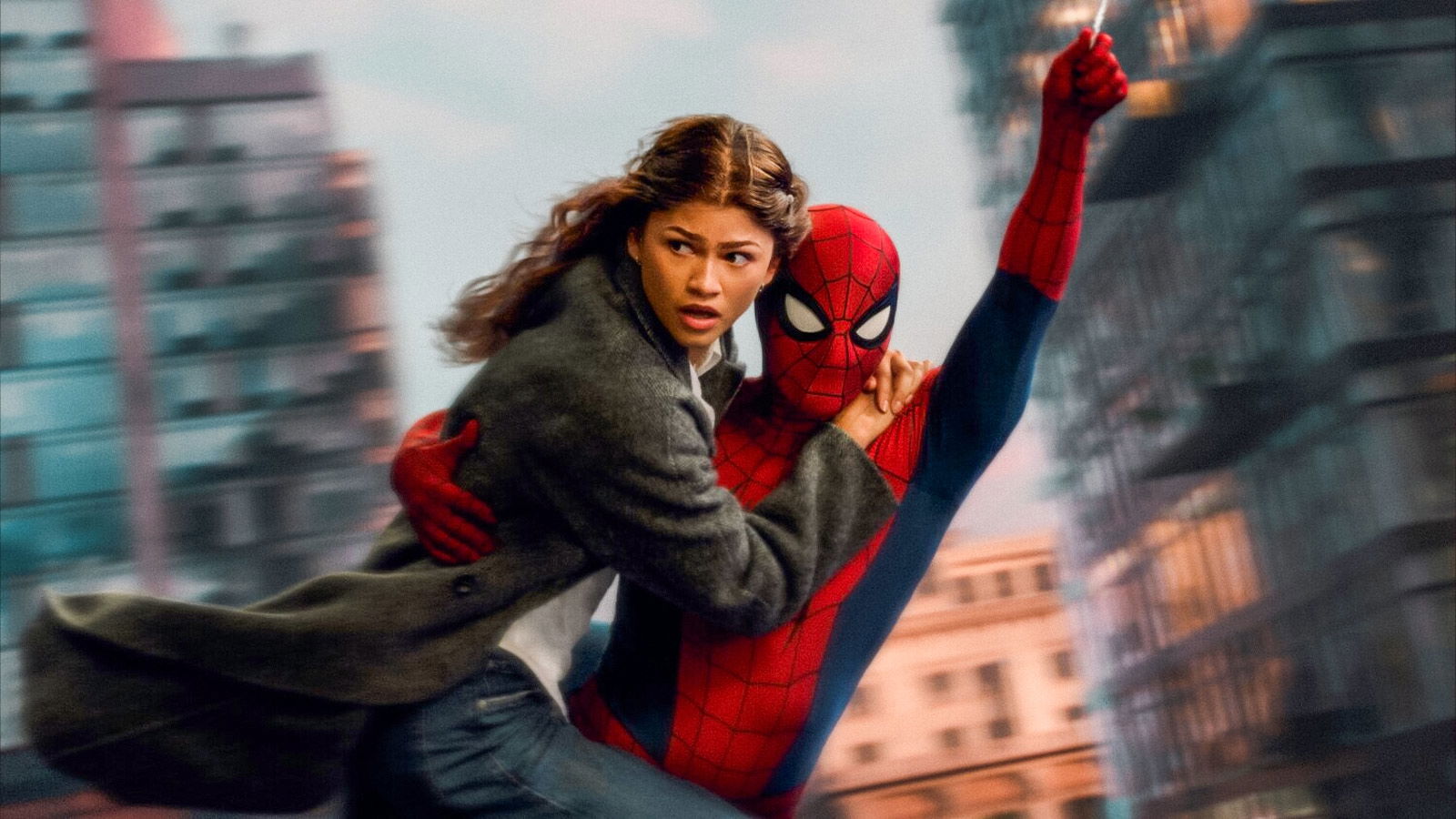
In the 2008 comic era, Marvel erased decades of canonical maturity by magically dissolving Peter’s marriage to Mary Jane in One More Day, artificially reverting him to a struggling single bachelor. Meanwhile, the 2026 film Spider-Man: Brand New Day follows Tom Holland’s Peter as he navigates a lonely NYC, isolated by Doctor Strange’s memory-erasing spell from No Way Home while MJ and Ned live separate lives.
Now, the movie succeeds as a high-octane street-level blockbuster; both incarnations of Brand New Day share the same corporate limitation: they rely on external, magical resets to force Peter back into a baseline status quo.
| Narrative Dimension | Spider-Man: The Manga (1970) | Brand New Day (2008 Comics) | Spider-Man: Brand New Day (2026 Film) |
| Character Stakes | Permanent, life-altering psychological consequences | Retconned marriage; forced editorial regression | Magical memory erase forces clean-slate reset |
| Story Arc | Unfiltered descent into human struggle with a definitive end | Cyclic serialization designed never to end | Grounded street-level isolation tied to MCU mandates |
| Creative Freedom | Complete artistic license to break all superhero tropes; profanity; s*xual content, gruesome violence | Restricted by ongoing mainstream publishing continuity | Governed by multi-billion-dollar studio franchise goals |
Where both versions of Brand New Day rely on supernatural contrivances to strip Peter of his past relationships, Spider-Man: The Manga allowed Yu Komori’s life to fracture naturally through his own actions and mistakes. Yu was never saved by editorial mandates, magical hand-waving, or cinematic universe resets; he was forced to mature, suffer, and change permanently.
Fifty-six years after its debut, Spider-Man: The Manga remains a powerful testament to creative courage, proving that a story with real, permanent stakes will always bite deeper than any editorial mandate or safe blockbuster reset.
Do you think Spider-Man: The Manga deserves more recognition than Brand New Day? Share your take in the comments below!
Spider-Man: Brand New Day is playing in theaters now!
















/https%3A%2F%2Fsportsmole-media-prod.s3.gra.io.cloud.ovh.net%2Fuploads%2F2026%2F07%2Fwc26-stencil-generic-1-player-email-6a5efced3be22784676779.jpg)
/https%3A%2F%2Fsportsmole-media-prod.s3.gra.io.cloud.ovh.net%2Fuploads%2F2026%2F04%2Fimago1075785696-69f1c41377d96073966575.jpg)
 Bengali (BD) ·
  English (US) ·