.png)
 2 days ago
13
2 days ago
13
There are very few film franchises that receive the ending they deserve. Even fewer manage to leave audiences satisfied while also bringing decades of emotional investment to a meaningful conclusion. That is precisely why Toy Story 3 remains such a remarkable achievement. Released in 2010, the third installment earned widespread critical acclaim, a Best Picture nomination at the Academy Awards, and over $1 billion at the global box office.
The film concluded a story that began in 1995 with Pixar’s groundbreaking first feature. Andy grew up, Woody accepted change, Buzz remained loyal, and the toys found a new home with Bonnie. For many viewers, it felt complete. Pixar, however, continued the series with Toy Story 4 in 2019 and later announced Toy Story 5, which released on June 19, 2026.
While Toy Story 4 received positive reviews and earned more than $1 billion worldwide. I have never fully shaken the feeling that the franchise already delivered its perfect farewell in 2010. Here are five reasons why Toy Story 3 should have been the final chapter.
5 Andy’s Farewell Was Emotional Ending the Entire Franchise Had Been Building Toward
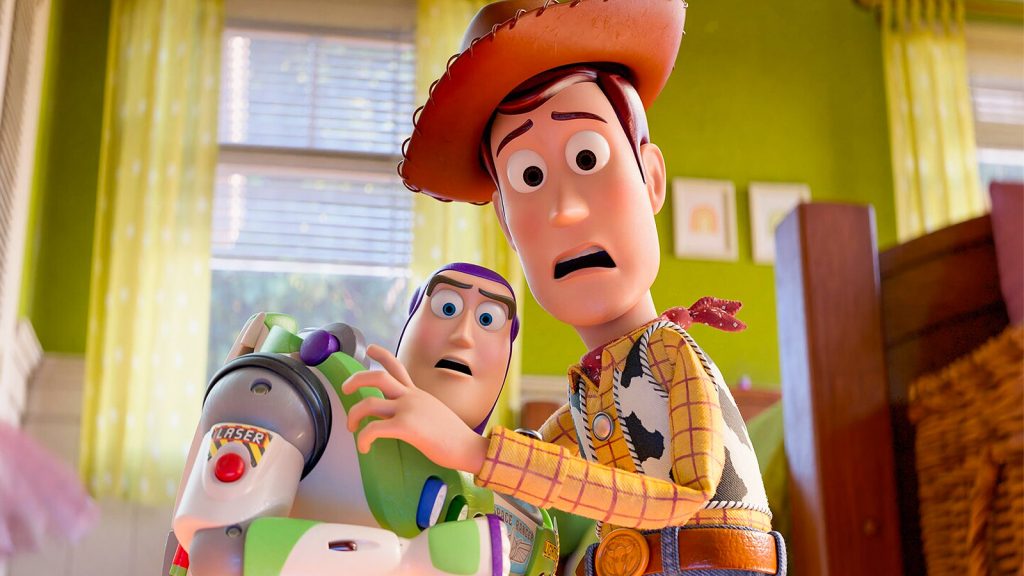 Woody and Buzz in Toy Story| Credits: Walt Disney Studios Motion Pictures
From the very first movie, the central relationship was never really Woody and Buzz. It was Woody and Andy. Every conflict, every fear, and every adventure stemmed from the toys’ connection to their owner. Woody’s greatest fear throughout the trilogy was being forgotten. That emotional thread reached its natural destination when Andy prepared to leave for college.
The final scene, where Andy introduces Bonnie to Woody, Buzz, Jessie, Rex, Hamm, and the rest of the gang before driving away, remains one of the most powerful endings Pixar has ever produced. Director Lee Unkrich later discussed the emotional weight of the sequence in interviews surrounding the film’s release (per EW). The story had completed its circle. Andy learned how to let go. The toys found a new purpose. Woody finally accepted that growing up is not abandonment. There was simply nowhere more meaningful for that relationship to go.
4 Toy Story 3 Answered the Franchise’s Biggest Question
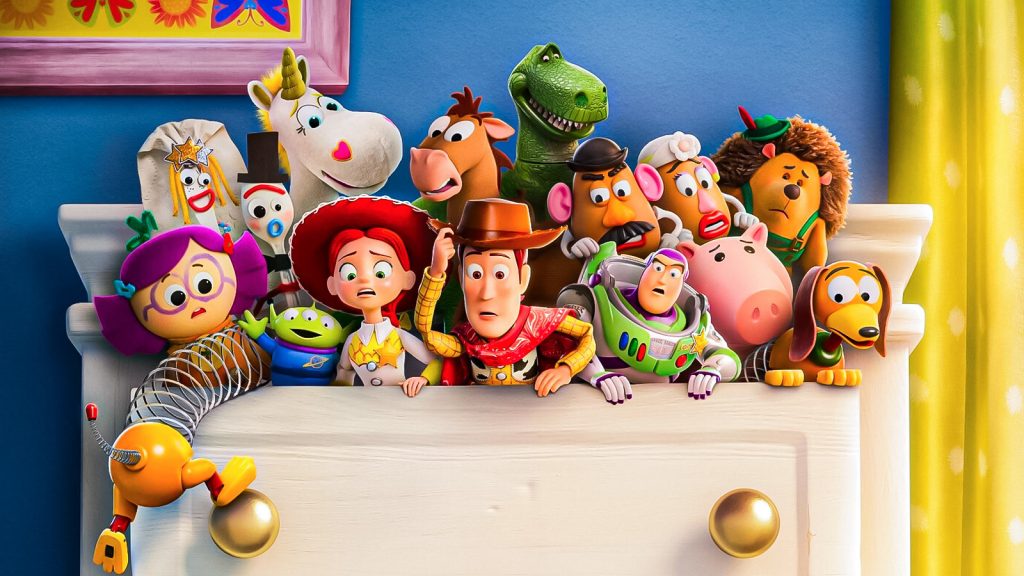 A still from Toy Story 5 | Credits: Walt Disney Studios Motion Pictures
Every Toy Story film revolves around one unavoidable reality. What happens when children grow up? The first movie introduced the fear. The second explored the fear. The third resolved it. The answer turned out to be surprisingly hopeful, the toys did not disappear, they were not thrown awat and they were passed on. That resolution gave emotional closure to a question the franchise had been asking for fifteen years. When Toy Story 4 arrived, it introduced an entirely different question about personal fulfillment and independence. While that theme has value, it feels disconnected from the central concern that defined the original trilogy. The first three films function as one complete narrative.
The fourth feels more like an epilogue than a necessary continuation.
3 Woody’s Character Arc Was Already Complete
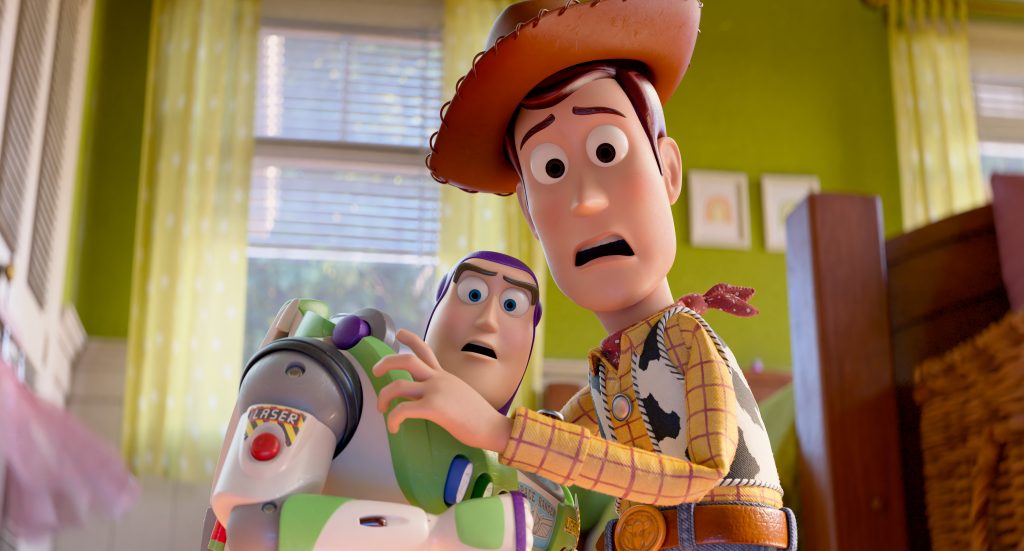 A still from Toy Story 5| Credits: Walt Disney Studios Motion Pictures
One reason Toy Story 3 works so well is because Woody finally reaches emotional maturity. In the original film, he was possessive and insecure. In Toy Story 2, he struggled between personal significance and loyalty. In Toy Story 3, he learned acceptance. Throughout the trilogy, Woody repeatedly fought against change because change threatened the world he understood. By the end of the third film, he embraces it. He lets Andy move on. He trusts Bonnie. He leads the toys into a new chapter. That growth feels earned. Then Toy Story 4 reopens his story and ultimately separates him from the group entirely.
Many viewers appreciated that ending, but I still believe it weakens the closure achieved in Toy Story 3. Woody’s acceptance of change already represented the culmination of his journey. Sometimes additional chapters do not deepen a character. Sometimes they simply revisit conclusions that already worked.
2 Incinerator Scene Already Felt Like the Franchise’s Final Test
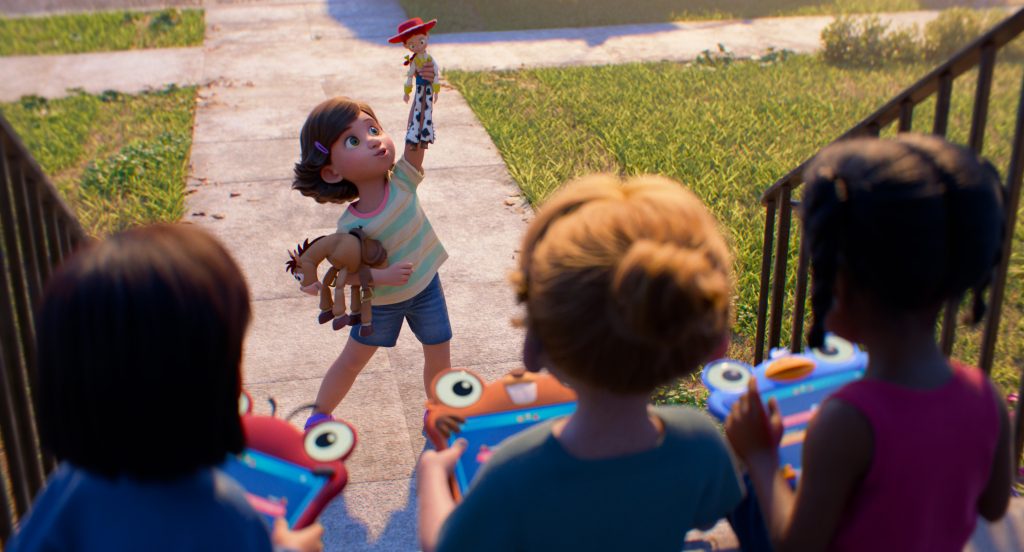 A still from Toy Story 5 | Credits: Walt Disney Studios Motion Pictures
Few animated sequences have generated the emotional response created by the incinerator scene. As the toys slide toward what appears to be certain destruction, they stop fighting and hold hands. The moment resonated because audiences believed they were watching the end. Pixar executives and filmmakers have discussed how carefully that sequence was designed to maximize emotional impact. The scene functions as the ultimate test of friendship, loyalty, courage, and acceptance.
After surviving that ordeal, the toys receive a second chance at life. Narratively, it feels like a reward after enduring their greatest challenge. When a story reaches such a powerful emotional summit, creating another mountain becomes difficult. Very few scenes in Toy Story 4 approach the emotional intensity of that moment.
1 Toy Story 3 Preserved the Idea That Every Story Has Ending
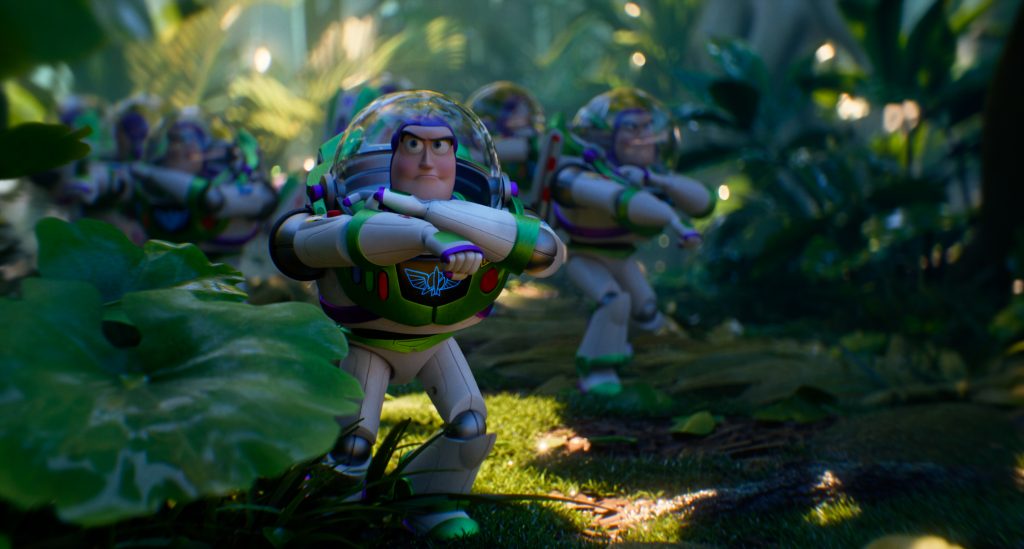 A still from Toy Story 5 | Credits: Walt Disney Studios Motion Pictures
Modern franchises often struggle with a simple concept. Everything does not need to continue forever. Pixar itself once seemed committed to ending the franchise with Toy Story 3. Producer Darla K. Anderson famously described the film as the conclusion of Andy’s story during its release campaign (per LA Times). That ending carried weight because it acknowledged that growing up involves letting go. Ironically, the lesson the film taught audiences became harder to apply when the franchise itself refused to move on. There is nothing wrong with revisiting beloved characters. The issue arises when continuation begins to feel more motivated by brand value than narrative necessity.
Many great stories endure precisely because they ended at the right moment. Back to the Future, The Lord of the Rings, and Breaking Bad all benefited from knowing when to stop. I believe Toy Story belonged in that conversation after its third film. This is not an argument that Toy Story 4 is a bad movie. The problem is that Toy Story 3 already delivered something rare: a conclusion that felt complete. When Andy handed Woody to Bonnie, Pixar achieved a level of emotional closure that most franchises spend decades chasing and never find. That final goodbye still feels definitive because it honored every character, answered every major question, and allowed both the toys and the audience to move forward.
Perhaps Toy Story 5 will prove that there are still meaningful stories left to tell. Yet whenever I revisit the franchise, I find myself returning to the same thought. When Andy drove away at the end of Toy Story 3, it felt like the perfect place to leave these characters. Do you think Pixar should have stopped with Toy Story 3, or are you glad the franchise continued? Let us know in the comments, and follow FandomWire for more features, rankings, and discussions.

















/https%3A%2F%2Fsportsmole-media-prod.s3.gra.io.cloud.ovh.net%2Fuploads%2F2026%2F06%2Frio-ngumoha-email-sportmole-6a27b73e9a471352625861.png)
 Bengali (BD) ·
  English (US) ·