.png)
 7 hours ago
10
7 hours ago
10
Long before sprawling open worlds, cinematic storytelling, or hundred-player online shootouts became everyday gaming experiences, somebody had to figure out how those ideas actually worked. Sometimes it happened through deliberate innovation. Other times, a game stumbled onto a formula so good that the rest of the industry spent the following years refining it.
That influence is still easy to spot today if you know where to look. Some of these classics created entire genres, while others introduced mechanics that broke new ground and, now, feel impossible to imagine games without. Here are 15 games that walked so today’s games could run.
1 Rogue (1980)
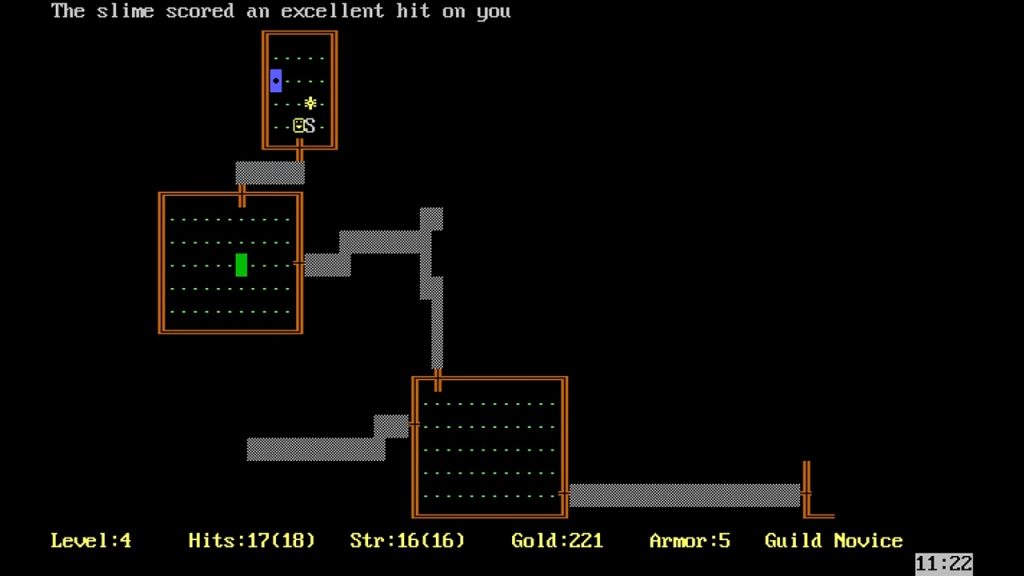 Image Credit: A.I. Design/Epyx
Nowadays, “Roguelike” is such common gaming vocabulary that it’s easy to forget the word came from an actual game. Back in 1980, Rogue threw players into procedurally generated dungeons where every decision mattered because death meant starting over from scratch.
That combination of randomized runs and permanent consequences eventually escaped the dungeon crawler genre altogether. Whether you’re playing Hades, Balatro, or Dead Cells, you’re still seeing developers iterate on ideas that Rogue introduced more than forty years ago.
2 Prince of Persia (1989)
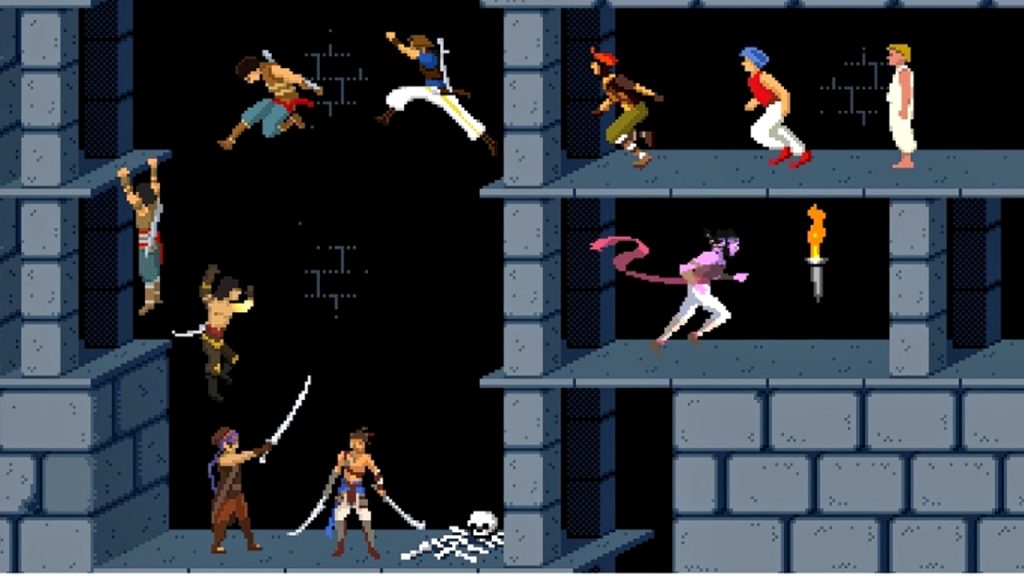 Image Credit: Brøderbund Software/Ubisoft
Jumping across a gap doesn’t sound revolutionary today, but Prince of Persia made movement itself the star of the show. Every leap, climb, and ledge grab carried believable weight thanks to Jordan Mechner’s rotoscoped animations, something players simply hadn’t seen before.
You can still spot that DNA in modern adventures. Games like Assassin’s Creed, Uncharted, and even Tomb Raider all treat traversal as more than a way to reach the next objective. Sometimes, simply getting there is part of the fun.
3 DOOM (1993)
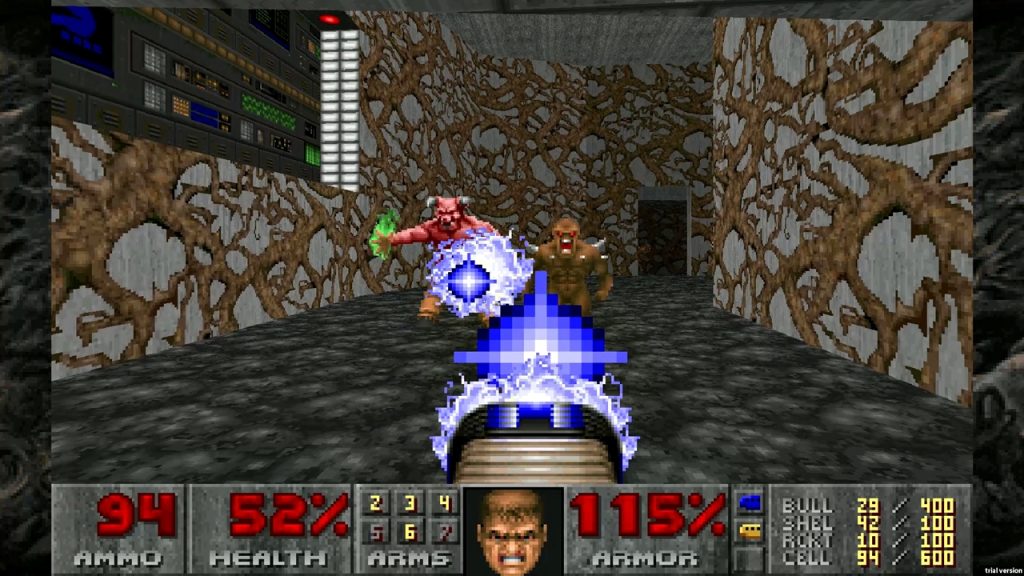 Image Credit: id Software
Ask someone to picture a classic PC shooter, and chances are they’re imagining DOOM, whether they realize it or not. Fast movement, sprawling levels stuffed with secrets, community-made maps, deathmatch multiplayer, and mod support all came together in one impossibly influential package.
Its impact stretched far beyond spawning countless “DOOM clones.” Three decades later, shooters have come full circle, borrowing that same emphasis on speed, aggressive combat, and player expression after years of chasing slower, more cinematic design. That’s a legacy very few games can claim.
4 Ultima Underworld (1992)
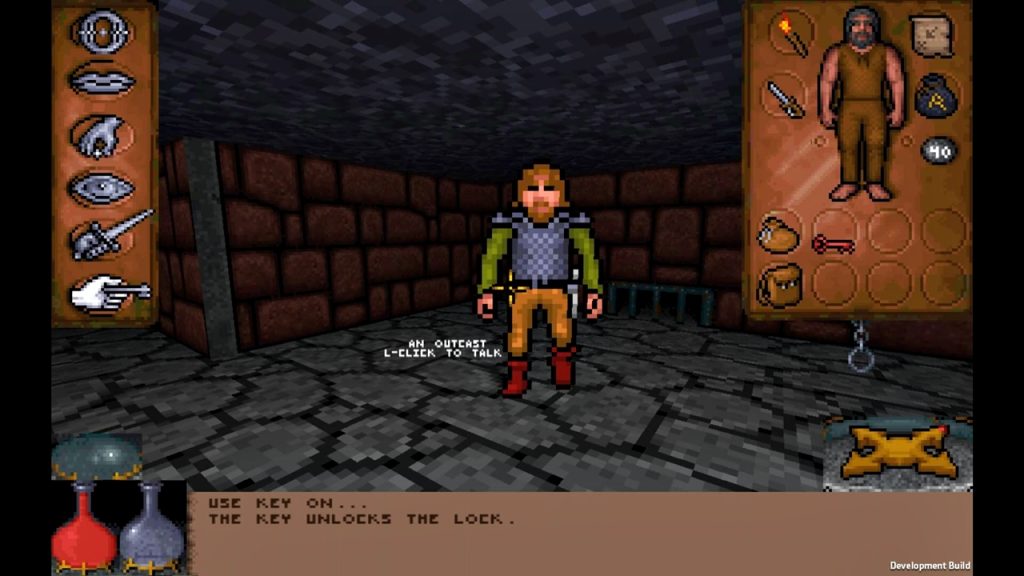 Image Credit: Blue Sky Productions/Origin Systems
Long before first-person RPGs became one of gaming’s biggest genres, Ultima Underworld quietly solved problems that most developers hadn’t even started thinking about. It let you look up and down, interact with objects naturally, combine spells, and explore a world that felt surprisingly believable, rather than moving from one disconnected room to another.
Its influence runs deep. You can trace parts of its design philosophy through The Elder Scrolls, Dishonored, Kingdom Come: Deliverance, and just about every immersive sim that encourages experimentation over scripted solutions. The technology was impressive, but trusting players to solve problems their own way turned out to be its greatest innovation.
5 System Shock (1994)
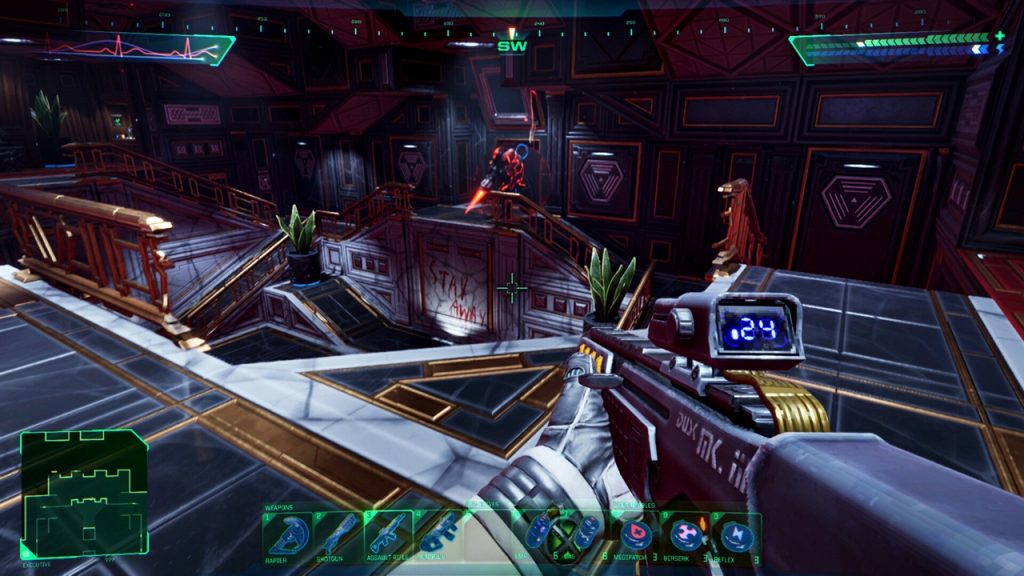 Image Credit: LookingGlass Technologies/Origin Systems
Instead of stopping every few minutes for a cutscene, System Shock scattered audio logs, environmental clues, and abandoned terminals throughout Citadel Station, asking you to piece together what happened yourself. It was refreshingly hands-off for its time, and that approach has since become second nature for countless developers.
Modern games like BioShock, Prey, and even Control still rely on environmental storytelling to make their worlds feel lived in. You aren’t just visiting a level, but stepping into a place where something happened long before you arrived.
6 Metroid (1986)
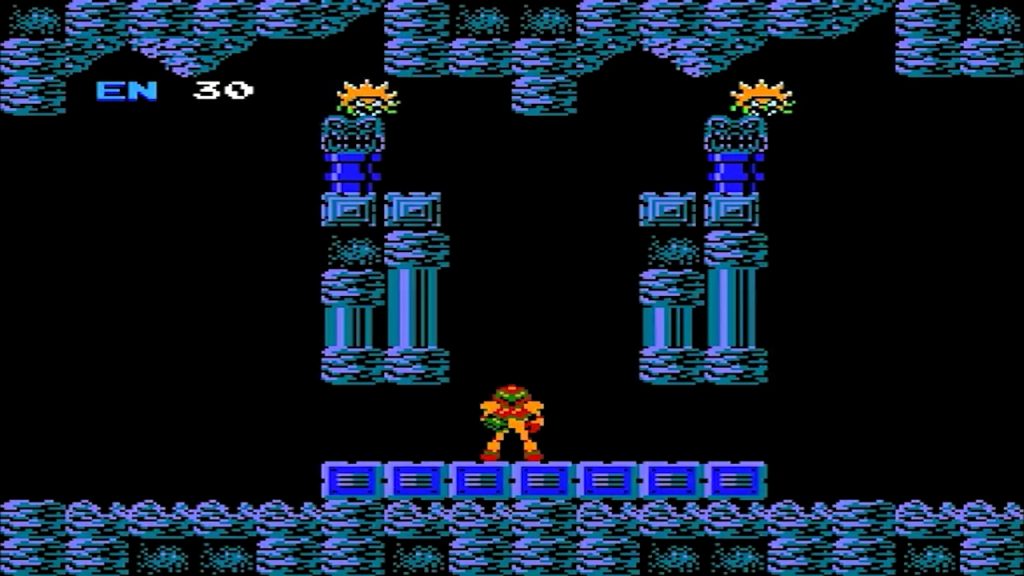 Image Credit: Nintendo R&D1/Nintendo
Backtracking had a reputation for wasting players’ time until Metroid proved it could be one of the most satisfying parts of an adventure. Every new weapon or mobility upgrade encouraged you to think back to places you couldn’t quite reach before, rewarding curiosity instead of simply pushing you toward the next objective.
That design philosophy eventually became so influential that it ended up sharing its name with another series, Castlevania. Today, “Metroidvania” instantly tells you what kind of progression to expect, whether you’re playing Hollow Knight, Ori and the Blind Forest, Animal Well, or dozens of other modern standouts.
7 Half-Life (1998)
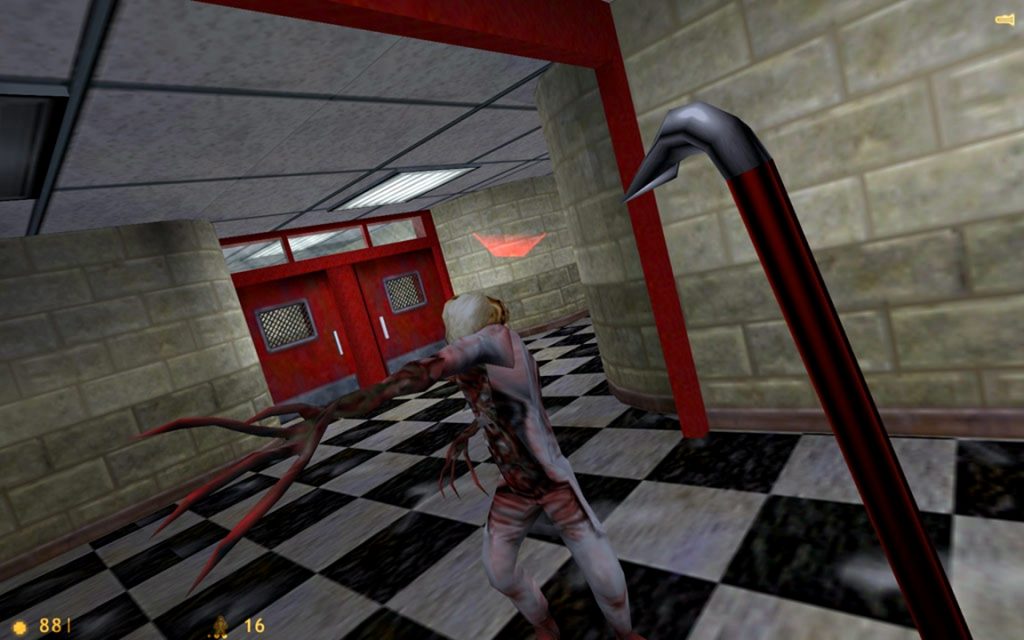 Image Credit: Valve/Sierra Studios
Half-Life proved that first-person shooters could tell compelling stories without constantly taking control away from the player. Instead of relying on cutscenes, Valve let major events unfold around Gordon Freeman while you remained in first-person from beginning to end, making the world feel far more immersive.
The game’s influence extended well beyond its campaign. It became the birthplace of legendary mods like Counter-Strike, Team Fortress Classic, and Day of Defeat, while its environmental storytelling inspired countless developers. Even today, many narrative-driven shooters still follow the blueprint Half-Life established in 1998.
8 Deus Ex (2000)
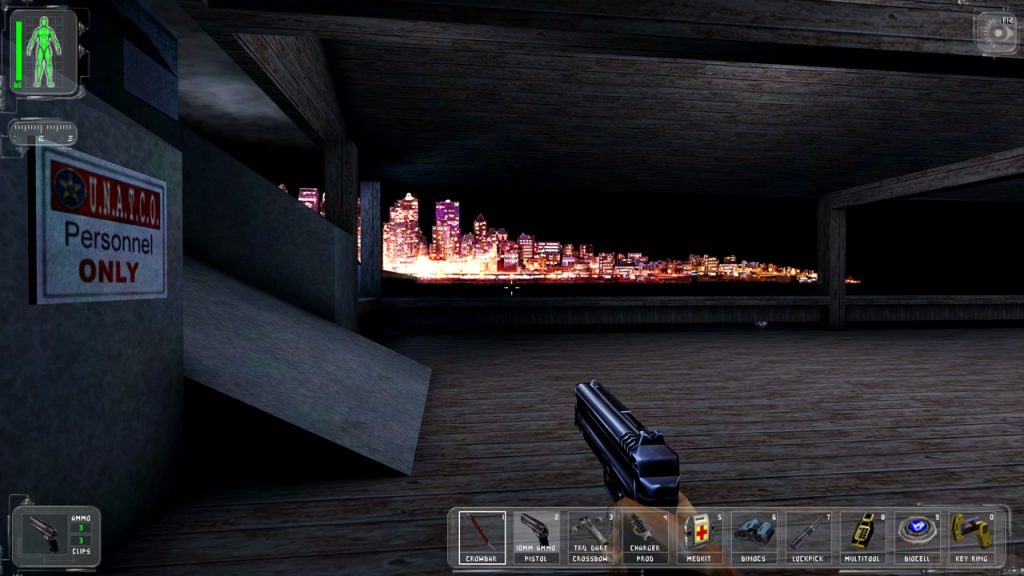 Image Credit: Ion Storm/Eidos Interactive
Few games have trusted players as much as Deus Ex. Sneak past the guards, hack the security systems, start a firefight, or find an entirely different route altogether. The game rarely cared how you solved a problem as long as you solved it.
Player choice is everywhere today, but Deus Ex helped prove that meaningful freedom could become a game’s defining feature instead of an optional gimmick. It’s difficult to imagine modern immersive sims or choice-driven RPGs looking the way they do without JC Denton’s adventures laying the groundwork first.
9 Grand Theft Auto III (2001)
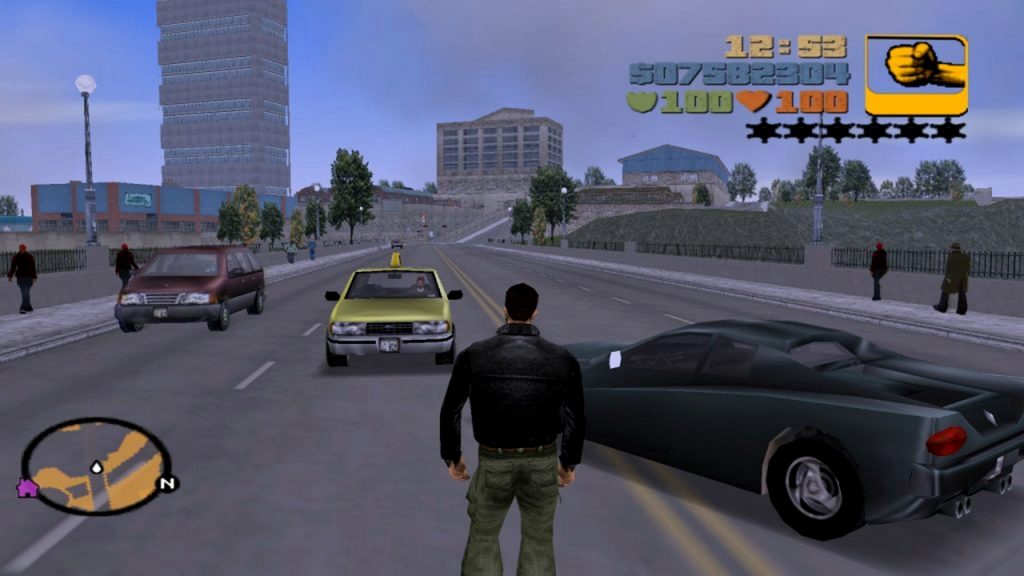 Image Credit: DMA Design/Rockstar Games
Open worlds existed before Grand Theft Auto III, yes, but few managed to feel like actual places you’d want to spend hours in. Instead of moving between isolated missions, GTA 3 dropped you into Liberty City and left you to decide what sounded fun that day. Sometimes that meant following the story. Other times, it meant causing absolute chaos for no reason whatsoever.
Its biggest contribution wasn’t simply making maps larger. It showed developers that a world could become the attraction itself. Nearly every modern sandbox, from Saints Row to Cyberpunk 2077, owes something to Rockstar’s decision to put player freedom ahead of rigid mission progression.
10 The Elder Scrolls III: Morrowind (2002)
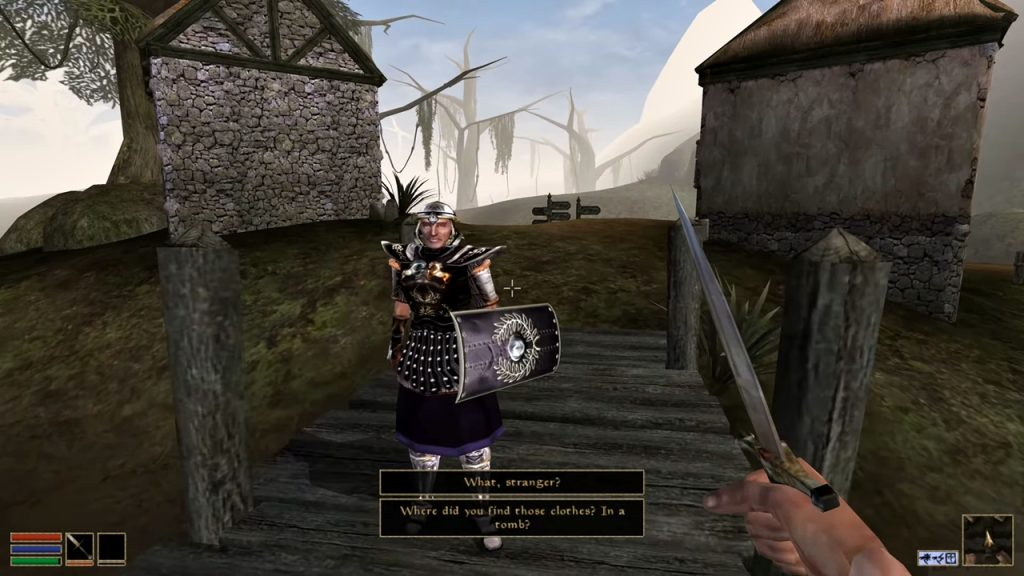 Image Credit: Bethesda
Getting lost was part of Morrowind. NPCs didn’t pin your destination on a map or draw a glowing line across the world. They told you to head north until you reached a bridge, then look for an old ruin nearby. If you weren’t paying attention, that was on you.
Even as we wait for The Elder Scrolls 6 now, that level of trust feels surprisingly rare today. Plenty of modern RPGs have started dialing back their hand-holding again, but Morrowind proved over twenty years ago that figuring things out yourself can be every bit as rewarding as finishing the quest itself.
11 Resident Evil 4 (2005)
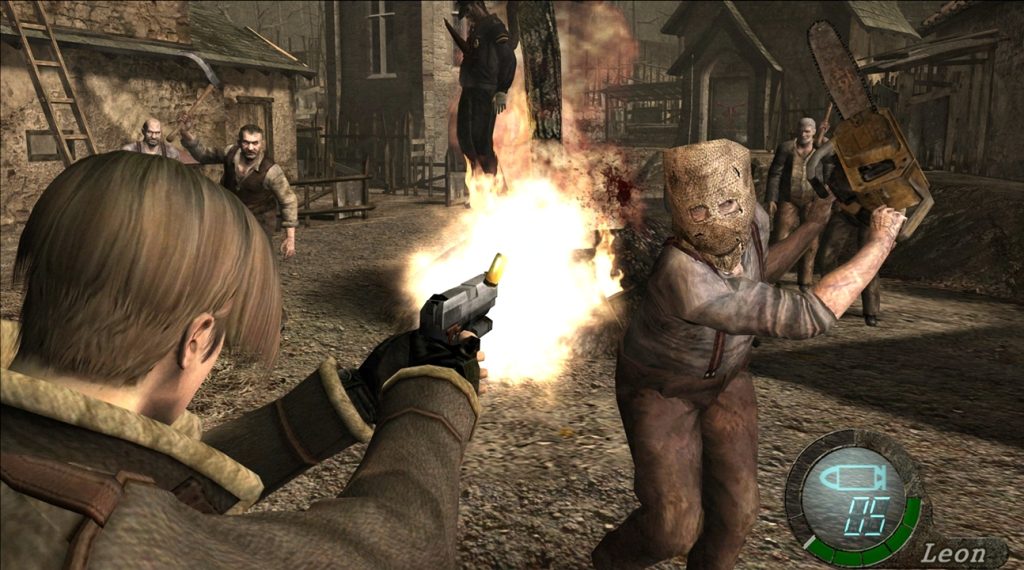 Image Credit: Capcom
If you’ve ever wondered why aiming over your character’s shoulder feels so natural today, thank Resident Evil 4. Capcom ditched the fixed camera angles of earlier entries and landed on a perspective that made lining up headshots feel both deliberate and intensely satisfying without losing the survival horror tension.
It didn’t stay exclusive to horror for long. Third-person shooters across the industry borrowed the formula because it solved a problem everyone had been wrestling with. Gears of War, Dead Space, The Last of Us, and countless others all refined the same foundation, but Leon was the one who showed just how well it could work.
12 Shadow of the Colossus (2005)
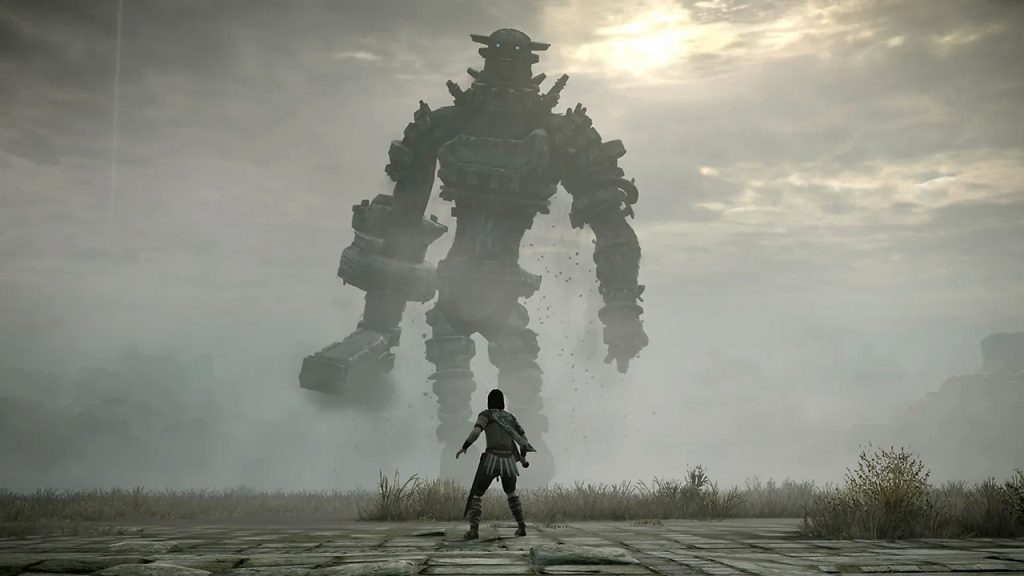 Image Credit: Team Ico/Sony Computer Entertainment
Ask a veteran gamer about Shadow of the Colossus, and they probably won’t start by talking about combat. They’ll remember the lonely ride across an empty landscape before coming face to face with something that looked impossible to bring down.
Every colossus was essentially its own level, puzzle, and boss fight rolled into one. That philosophy still pops up in games built around memorable set pieces rather than endless enemy encounters. After all, one unforgettable battle sometimes leaves a bigger impression than a hundred ordinary ones.
13 Demon’s Souls (2009)
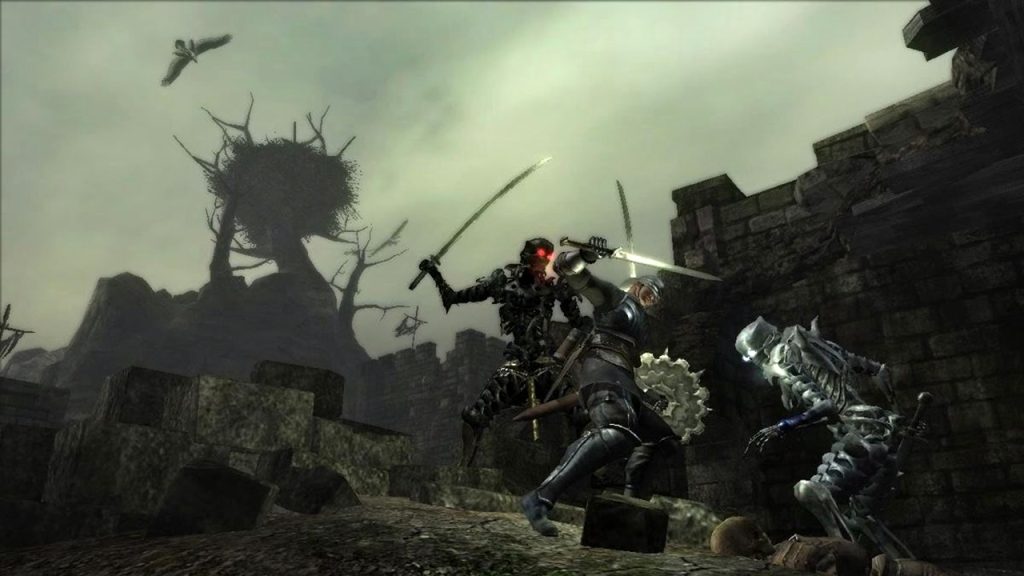 Image Credit: FromSoftware/Sony Computer Entertainment
There was a time when publishers believed games needed to become easier to reach a bigger audience. Then Hidetaka Miyazaki‘s Demon’s Souls came along and politely ignored that idea. It expected you to learn from your mistakes, memorize enemy patterns, and accept that dying was simply part of getting better.
The funny thing is that players didn’t bounce off that challenge, but embraced it with all their hearts. FromSoftware turned demanding combat into one of gaming’s most recognizable design philosophies, and today everything from Elden Ring to indie “Soulslikes” continues proving that not every game needs to hold your hand to earn your respect.
14 Minecraft (2011)
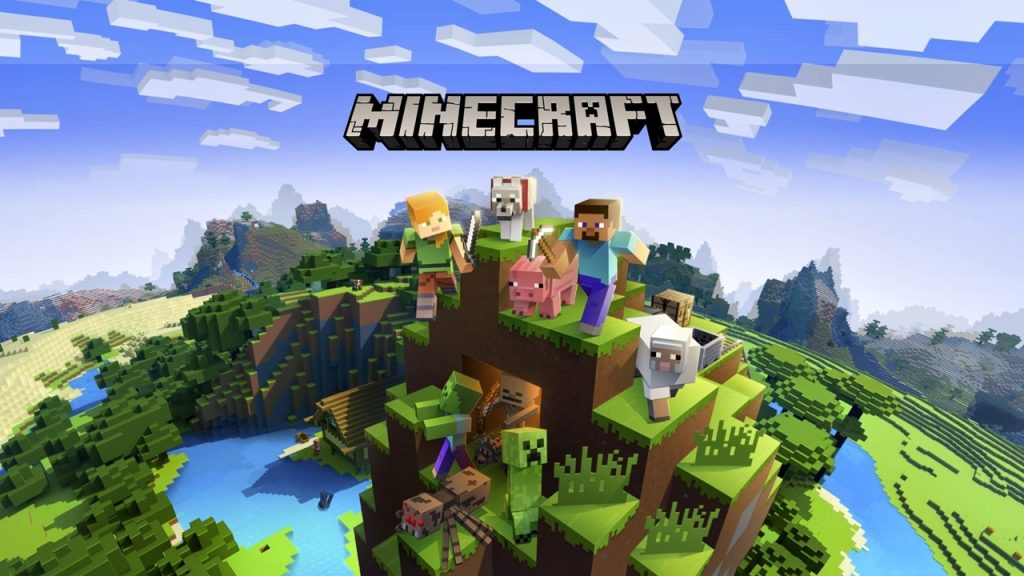 Image Credit: Mojang Studios/Xbox Game Studios
You’d be hard-pressed to find another game that has shaped an entire generation quite like Minecraft. What started as a simple sandbox quickly became a place where survival, exploration, building, and creativity all blended together. There wasn’t a “right” way to play, and that freedom turned out to be the game’s greatest strength.
Its influence stretches far beyond the survival crafting genre. Games like Terraria, Valheim, Enshrouded, Palworld, and countless others built upon ideas that Minecraft helped bring into the mainstream. More importantly, it proved that giving players the tools to create their own stories could be every bit as compelling as telling them one.
15 PlayerUnknown’s Battlegrounds (2017)
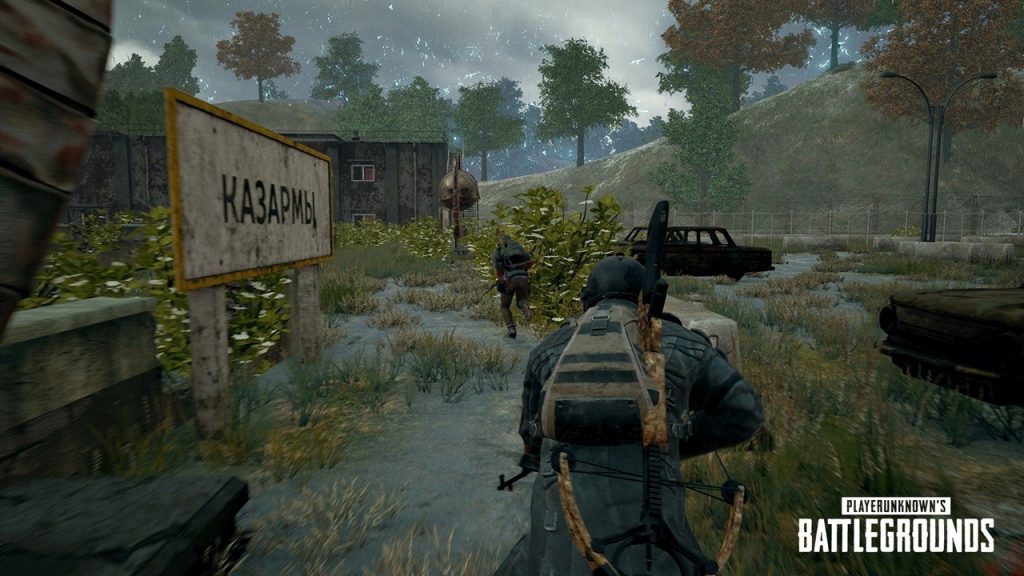 Image Credit: PUBG Studios/Krafton
Battle royale wasn’t born with PUBG, but it’s difficult to imagine the genre reaching today’s heights without it. Brendan Greene took an idea that had mostly lived through mods and smaller projects, polished it into a tense last-player-standing experience, and suddenly everyone wanted to chase that same feeling of surviving against 99 other players.
The genre’s success sparked a gold rush almost overnight. Fortnite reinvented itself, Call of Duty: Warzone followed, Apex Legends found its own spin, and nearly every major publisher wanted a piece of the pie. Even if battle royales eventually fall out of fashion, the industry’s approach to live-service multiplayer changed the moment PUBG proved just how massive the audience really was.
Fortunately, you don’t need to dust off decades-old hardware to experience most of these trailblazers. Many are available today through remasters, remakes, or preserved PC releases on the PlayStation Store, Steam, and GOG.
To sum everything up, here’s what each game is best remembered for:
| Rogue | Popularized the roguelike formula. |
| Prince of Persia | Realistic animation and cinematic platforming. |
| DOOM | Defined the modern FPS. |
| Ultima Underworld | Pioneered immersive first-person RPGs. |
| System Shock | Popularized environmental storytelling. |
| Metroid + Castlevania | Inspired the Metroidvania genre. |
| Half-Life | Seamless storytelling in first-person games. |
| Grand Theft Auto III | Modern open-world sandbox design. |
| The Elder Scrolls III: Morrowind | Rewarded exploration over hand-holding. |
| Resident Evil 4 | Revolutionized third-person combat. |
| Shadow of the Colossus | Redefined cinematic boss encounters. |
| Demon’s Souls | Laid the foundation for Soulslikes. |
| Minecraft | Mainstreamed sandbox survival crafting. |
| PlayerUnknown’s Battlegrounds (PUBG) | Turned battle royale into a global phenomenon. |
Which game do you think deserved a place on this list, and which title do you believe influenced modern gaming more than people give it credit for? Did we overlook an unsung pioneer that changed the industry forever? Let us know in the comments below!























/https%3A%2F%2Fsportsmole-media-prod.s3.gra.io.cloud.ovh.net%2Fuploads%2F2026%2F06%2Fkyle-rodden-cal-sport-media-sipa-usa-ivory-coast-winger-yan-diomande-gestures-on-june-25-2026-6a417eae132a5831825833.jpg)
/https%3A%2F%2Fsportsmole-media-prod.s3.gra.io.cloud.ovh.net%2Fuploads%2F2026%2F06%2Fthor-wegner-defodi-images-norway-striker-erling-haaland-watches-on-on-june-26-2026-6a417f27894d6515047302.jpg)
 Bengali (BD) ·
  English (US) ·