.png)
 11 hours ago
12
11 hours ago
12
Animation possesses an uncanny ability to strip away the emotional filters of live-action cinema. Free from the constraints of physical actors, anime directors manipulate lighting, colors, and abstract framing to visually project internal psychological states like grief, survivor’s guilt, or self-loathing. Movies like Your Name, The Tale of the Princess Kaguya, and Colorful prove that animation often captures human vulnerability in ways live-action rarely can. Some stories stay with viewers for years, while others become defining examples of the most tragic anime endings of all time.
This list ranks the definitive masterpieces of sorrow based on their narrative build-up, thematic depth, and how effectively they subvert typical emotional payoffs. So, prepare to view these modern and classic tearjerkers through a raw, analytical lens.
10 Ride Your Wave Drags You Screaming Into Unfair, Fatal Grief
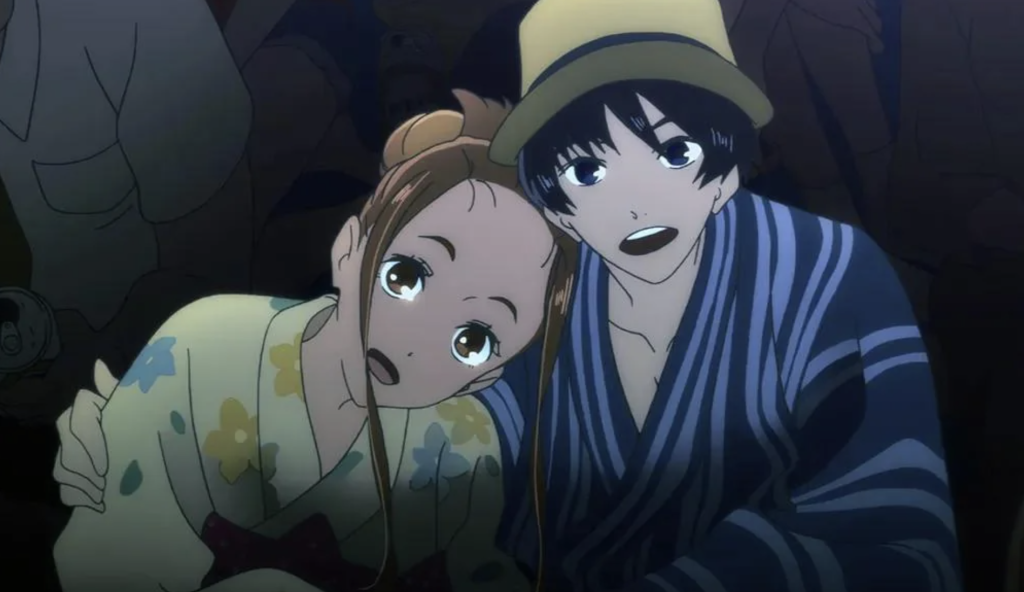 Hinako and Minato from Ride Your Wave. [Credit: Science Saru]
Masaaki Yuasa uses his signature fluid animation style to deliver a jarringly accurate representation of sudden, overwhelming loss. Hinako is left shattered when her firefighter boyfriend, Minato, drowns. When his spirit reappears in water whenever she sings their favorite song, the narrative shifts into an unsettling manifestation of denial.
The heartbreaking realization comes when Hinako must stop summoning him so his soul can move on. It anchors the list by exploring the messy, surreal, and deeply uncomfortable psychological stages of sudden, traumatic loss and acute denial.
9 The Wind Rises Forces You To Watch Love Decay Into Ashes
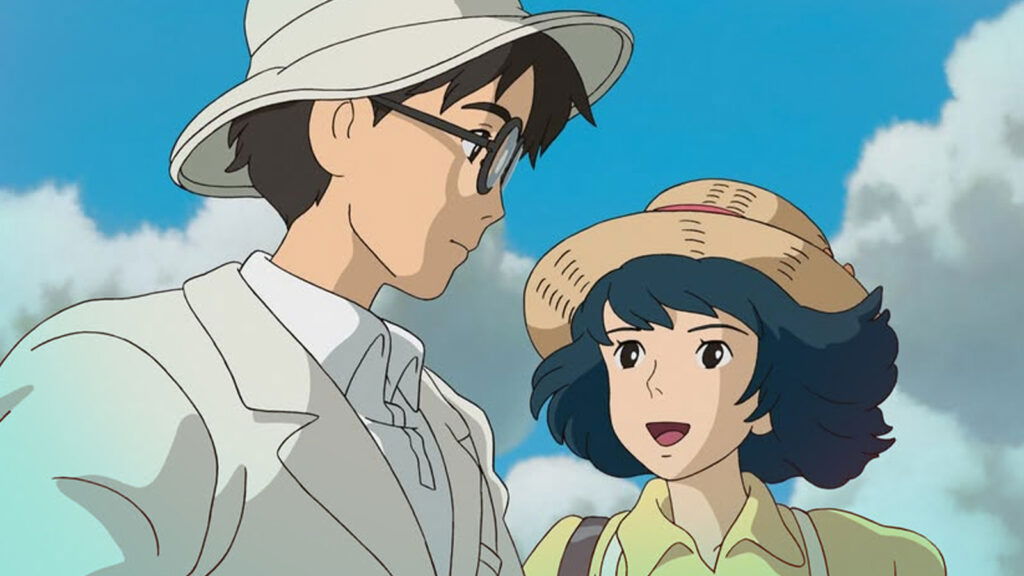 Jiro and Naoko from The Wind Rises. [Credit: Studio Ghibli]
Hayao Miyazaki‘s most mature film, The Wind Rises, explores the tragic intersection of artistic ambition, terminal illness, and national guilt. Jiro Horikoshi dreams of designing beautiful aircraft, only to see his creations weaponized for destruction, while his wife, Naoko, slowly wastes away from tuberculosis.
The emotional centerpiece features Naoko quietly leaving their home to die alone, preserving her image of health for Jiro. It takes the ninth position by showing a profoundly somber meditation on regret, beautiful dreams corrupted by reality, and love decaying under the shadow of death.
8 In This Corner Of The World Watches War Butcher Innocence
In the Corner of the World approaches the horrors of World War II through the lens of domestic normalcy. Following Suzu, a young bride trying to maintain a household in Kure, a neighboring city close to Hiroshima, the film builds a gentle, slice-of-life atmosphere before systematically destroying it. Rather than centering on soldiers, this film quietly follows ordinary civilians trying to preserve normal life as history collapses around them.
The tragedy strikes during a sudden air raid, where Suzu loses both her niece and her dominant drawing hand. It ranks eighth by juxtaposing a gentle, highly detailed slice-of-life art style against the brutal, historic horrors of wartime Hiroshima.
7 Wolf Children Is A Beautifully Tragic Love Letter To Mothers
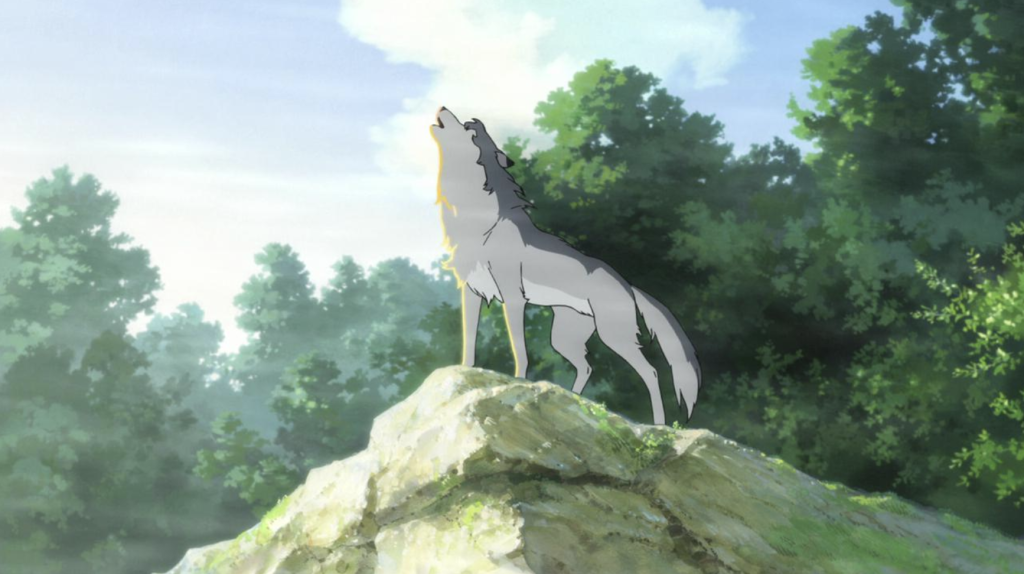 Ame (wolf) from Wolf Children. [Credit: Studio Chizu]
Mamoru Hosoda’s feature earns its place by blending magical realism with the raw, exhausting realities of single motherhood. Behind its fantasy premise lies one of anime’s most authentic portraits of single parenthood. Hana sacrifices nearly everything while raising children caught between two identities, yet the story never frames motherhood as effortless heroism.
Every milestone brings both pride and heartbreak as her children naturally grow independent. The emotional payoff comes from accepting that true parental love means preparing children for lives that may no longer include you every day, earning the seventh spot.
6 5 Centimeters Per Second Is The Slow Death Of A First Love
Makoto Shinkai avoids explosive tragedies to explore a far more common human agony: the slow, agonizing fade of long-distance affection. Split into three segments, the film utilizes stunning environmental backgrounds to emphasize the literal and emotional distance stretching between Takaki and Akari. Every passing season, delayed train, and unanswered message symbolizes two people gradually drifting apart despite genuine affection.
The infamous train crossing climax provides zero cinematic closure. It ranks sixth because Shinkai intentionally rejects grand cinematic joyful reunion, choosing instead to focus on the slow, mundane, and painfully realistic erosion of human connection.
5 Maquia Weaponizes The Torture Of Outliving Your Own Child
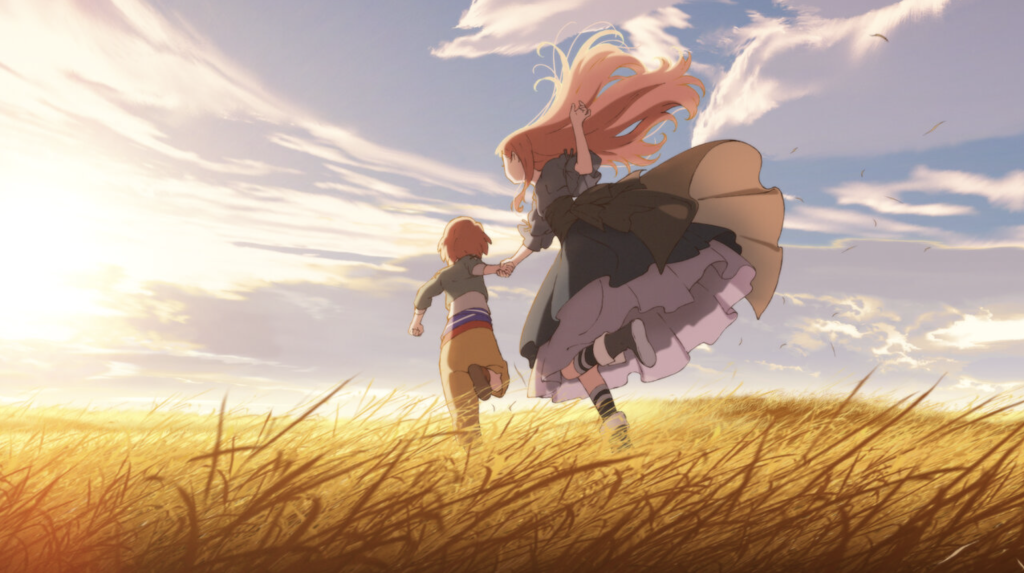 Maquia and Ariel in Maquia: When the Promised Flower Blooms. [Credit: P.A. Works]
Most stories portray parents fearing they’ll lose their children too soon. Maquia: When the Promised Flower Blooms reverses that fear by asking what happens when immortality guarantees you’ll watch them grow old first. Mari Okada turns fantasy into an intimate exploration of motherhood, identity, and sacrifice, using Maquia’s ageless appearance as painful symbolism for emotional isolation.
The film’s emotional crescendo weaponizes the inevitability of time, culminating in a bedside farewell. It earns its mid-list position by scaling its emotional tragedy across a massive, epic fantasy timeline to dissect the psychological weight of parenthood.
4 A Silent Voice Suffocates You With The Agony Of Self-Hate
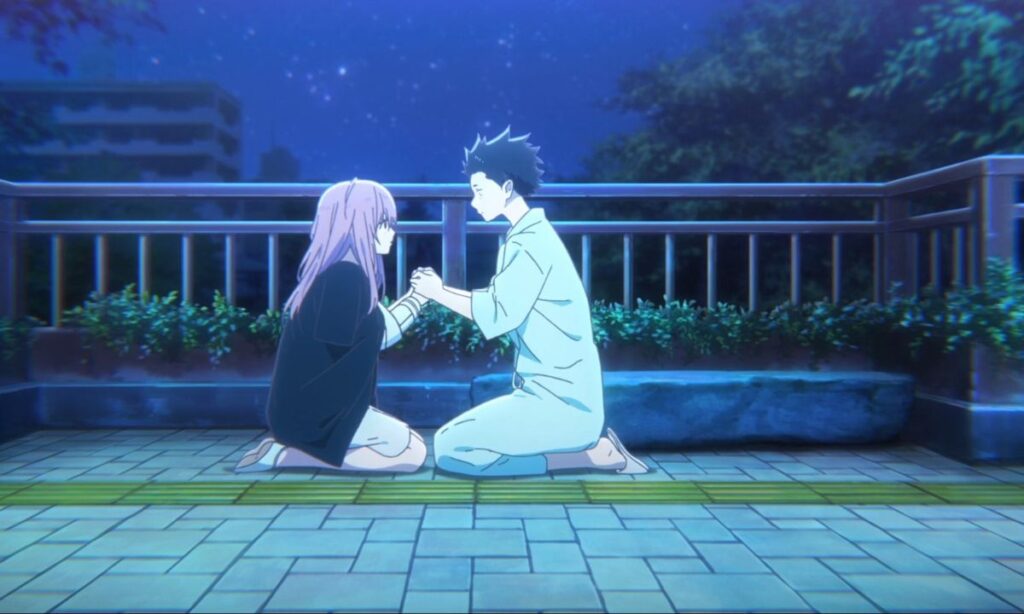 Shoya and Shoko in A Silent Voice. [Credit: Kyoto Animation]
A Silent Voice earns its place because its greatest enemy isn’t bullying. It’s self-loathing. Shoya’s inability to forgive himself is visualized through the film’s famous “X” marks covering people’s faces, brilliantly portraying emotional isolation. Kyoto Animation builds healing through tiny conversations rather than dramatic speeches, while Shoko’s silent pain is equally heartbreaking.
Instead of promising easy redemption, the film argues that accepting forgiveness can be harder than asking for it, giving its emotional climax extraordinary weight. That’s why it ranks fourth on this list.
3 I Want To Eat Your Pancreas Is A Cruel, Devastating Romance
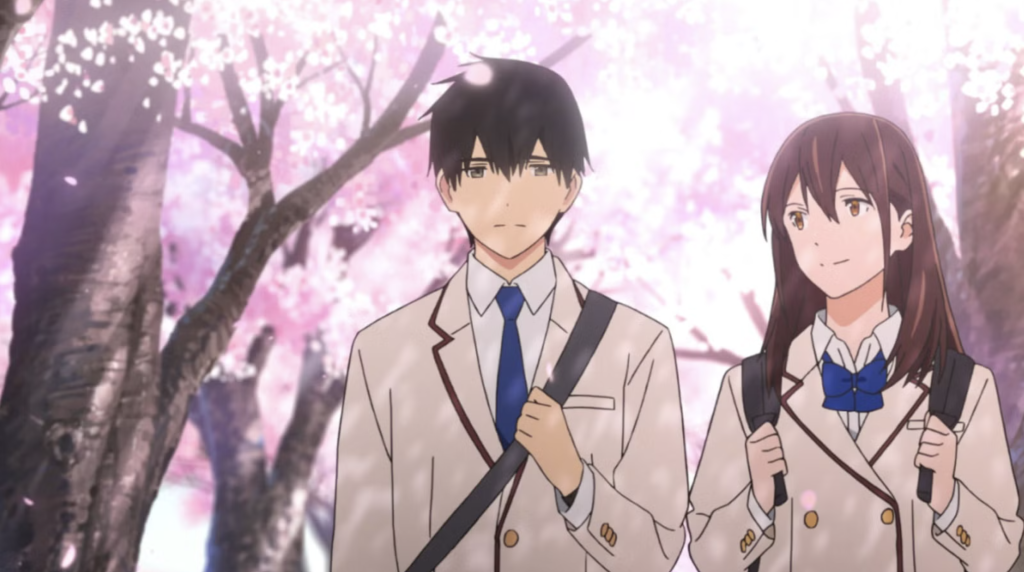 Haruki and Sakura from I Want To Eat Your Pancreas. [Credit: VOLN]
The title deliberately hides a story about embracing life before it’s gone. Sakura’s infectious optimism slowly transforms an emotionally detached boy, making every shared conversation feel precious. The film constantly reminds viewers that death rarely follows expectations, and its most devastating twist succeeds because it feels brutally ordinary rather than melodramatic.
Beneath the romance lies a meditation on mortality, proving life’s greatest tragedy is often the future that disappears without warning. This film secures the third spot by completely weaponizing and subverting the deeply entrenched tropes of the “terminal illness romance” genre.
2 Into the Forest of Fireflies’ Light Proves The Most Tender Touch Can Destroy You
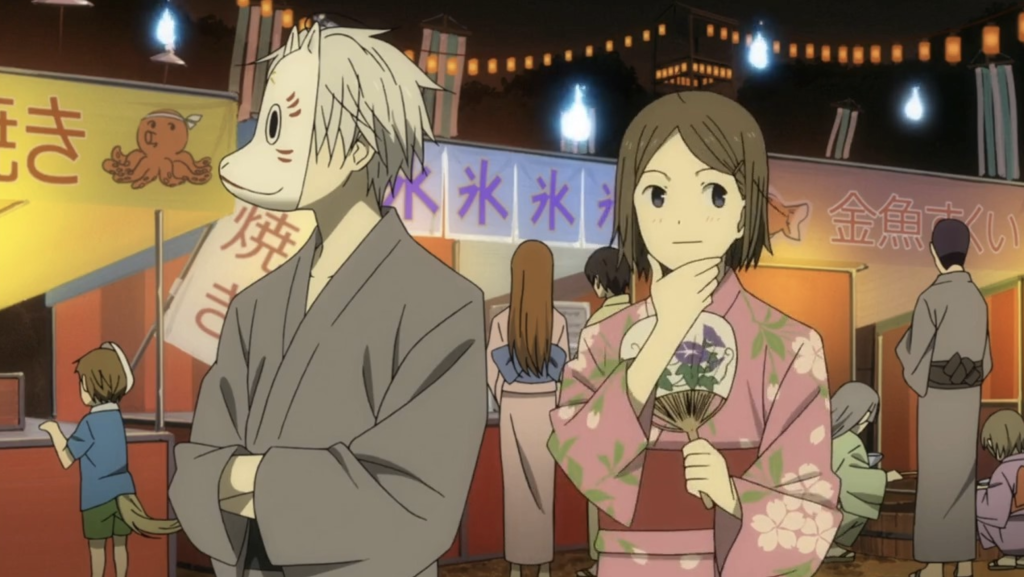 Gin and Hotaru in Hotarubi No Mori E. [Credit: Brain’s Base]
Also known as Into the Forest of Fireflies’ Light, Brain’s Base crafts a masterclass on the beautifully fragile metaphor for long-distance and forbidden love. Centered on Hotaru and Gin, a forest spirit who will vanish forever if touched by a human, the film builds unbearable tension through forced physical distance. When Gin finally begins to fade, their first and final embrace becomes a devastatingly bittersweet release.
Rather than focusing on impossible love, the story explores cherishing fleeting moments, reminding viewers that some relationships are meaningful precisely because they cannot last forever, earning the second spot on this list.
1 Grave Of The Fireflies Is A Visceral, Soul-Crushing Trauma
No anime film captures the cruelty of war more devastatingly than Grave of the Fireflies. Rather than relying on battlefield spectacle, it strips conflict down to starvation, abandonment, and impossible responsibility. Every hopeful moment between Seita and Setsuko only deepens the inevitable tragedy, while the quiet pacing makes each loss feel painfully real.
Its emotional power comes from showing innocence destroyed by human failure. It occupies the number one spot because it is the most uncompromisingly perfect tragedy that completely strips away the safety net of hopeful resolution.
Here’s a ranked table:
| 1 | Grave of the Fireflies |
| 2 | Hotarubi no Mori e |
| 3 | I Want to Eat Your Pancreas |
| 4 | A Silent Voice |
| 5 | Maquia: When the Promised Flower Blooms |
| 6 | 5 Centimeters Per Second |
| 7 | Wolf Children |
| 8 | In This Corner of the World |
| 9 | The Wind Rises |
| 10 | Ride Your Wave |
Which anime movie emotionally destroyed you the most? Comment down.






















/https%3A%2F%2Fsportsmole-media-prod.s3.gra.io.cloud.ovh.net%2Fuploads%2F2026%2F06%2Fkyle-rodden-cal-sport-media-sipa-usa-ivory-coast-winger-yan-diomande-gestures-on-june-25-2026-6a417eae132a5831825833.jpg)
/https%3A%2F%2Fsportsmole-media-prod.s3.gra.io.cloud.ovh.net%2Fuploads%2F2026%2F06%2Fthor-wegner-defodi-images-norway-striker-erling-haaland-watches-on-on-june-26-2026-6a417f27894d6515047302.jpg)
 Bengali (BD) ·
  English (US) ·