.png)
 2 weeks ago
23
2 weeks ago
23
It’s not new that Western award ceremonies have constantly made questionable decisions regarding anime and anime-specific awards. From nominations that stopped making sense to awarding non-Japanese animated productions over hand-drawn masterpieces. The need for a dedicated Anime Oscars is now more than ever.
However, our claim that Japan needs its own Oscars ceremony dedicated to anime is really coming from spite or baseless claims alone. A dedicated ceremony for the medium is needed for several specific reasons that we have listed below, reasons that will not only lead to a loving award ceremony but also boost the esteem of the existing industry.
1 Anime Deserves a Dedicated Platform to Appreciate the Medium
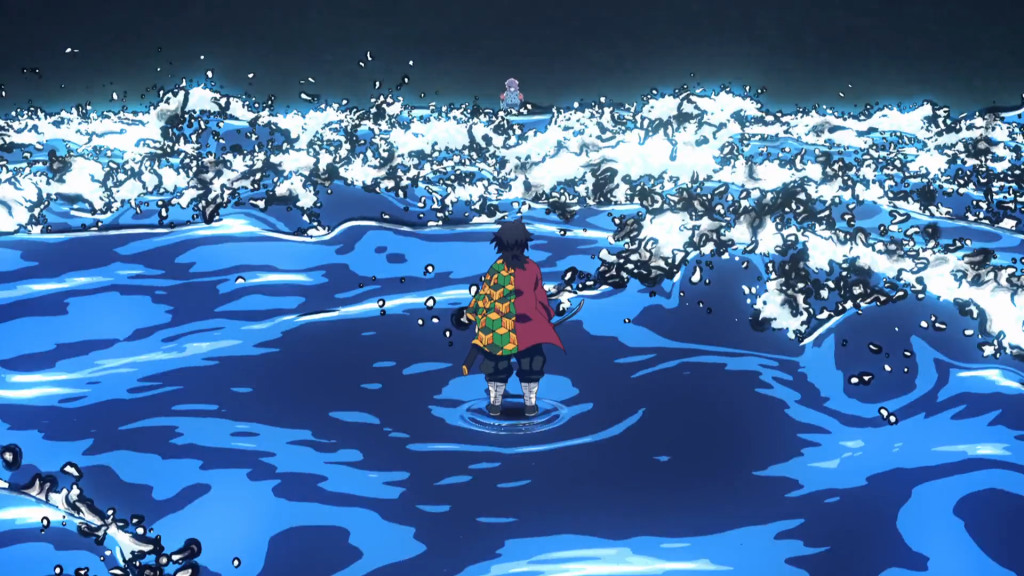 Giyu Tomioka from Demon Slayer | Credits: Ufotable
When anime titles get nominated for Western award ceremonies like the Golden Globes, Annie Awards, or the Oscars, it really spreads a feeling of joy among us fans. Anime is no longer a niche form of entertainment – it’s now become a global artistic industry producing theatrical masterpieces, groundbreaking TV series, and innovative animation techniques every year.
However, many award committees we’ve mentioned above treat the titles as a side category instead of a major storytelling medium. A specific award would really boost and respect the traditional medium we all know and love.
2 The Western Major Awards Barely Scratches the Surface With Picks
 Chainsaw Man the Movie – The Reze Arc | Credits: MAPPA
Major awards like the Academy Awards usually recognize only one animated feature category. The biggest problem we’ve noticed with these categories is that the label is always around “Animated Films/Series”, which actually stretches it beyond the Japanese medium.
A specific category like “Best Anime TV Series” or “Best Anime Film” would be a more precise take on the awarding, excluding titles like KPop Demon Hunters, a Korean-American production from Sony Pictures Animation, which is far removed from what traditional Japanese anime looks like.
3 Anime Voice Actors Need a Separate Platform for Proper Recognition
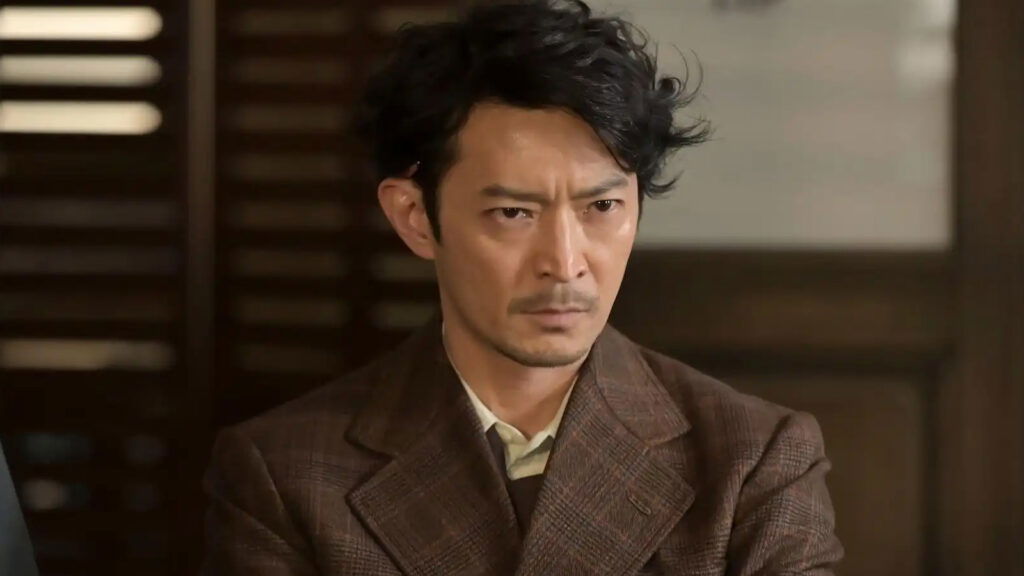 Kenjiro Tsuda | Credits: NHK
Voice actors are an essential part of the process – they convey the emotions and plot behind a character to complete the entire storytelling narrative. Yet, most, if not every, Western award ceremony doesn’t even acknowledge the craft and have a separate category for it.
A dedicated section to appraise these voices behind the beloved characters on a global level feels like a genuine need. With the establishment of a Japanese Anime Oscars, that can finally be achieved. Furthermore, a dedicated awards institution could celebrate both veteran talent and rising stars in voice performance.
4 Anime Oscar Would Give Animation Studios Greater Industry Prestige
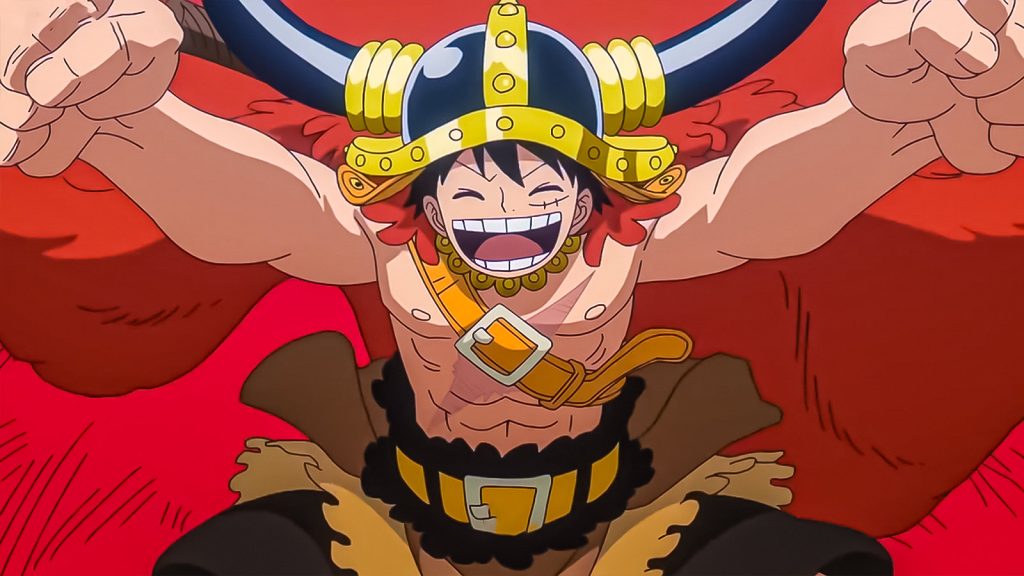 One Piece | Credits: Toei Animation
Although the older animation studios like Studio Pierrot and Toei Animation have given us some classics like One Piece, Naruto, and Bleach, studios such as MAPPA, Ufotable, and Kyoto Animation have shaped modern pop culture worldwide. However, few of them truly get the recognition they deserve beyond the rare exception, Studio Ghibli being the most notable, having won two Academy Awards for Best Animated Feature.
An Anime Oscars would help formally recognize achievements in cinematography, compositing, background art, choreography, music, and production design – we feel like categories like these deserve more recognition than just one Anime Awards ceremony by Crunchyroll.
5 Sectors Like Storyboards and Sakuga Animation Will Find a Standing
 My Hero Academia | Credits: Studio Bones Inc.
Many of us don’t know this, but an animation actually starts with the storyboards. Similar to how a Hollywood movie or TV drama series is constructed with multiple aspects put behind it, anime production is also incredibly specialized. It’s undeniable that they don’t receive the same treatment at Western awards.
Categories for storyboard artistry, sakuga animation, background painting, CGI integration, music composition, opening sequences, and action choreography would help audiences appreciate the craftsmanship, understanding the medium instead of thinking of them as just cartoons.
6 A Better Preservation of the Legacy and Anime History
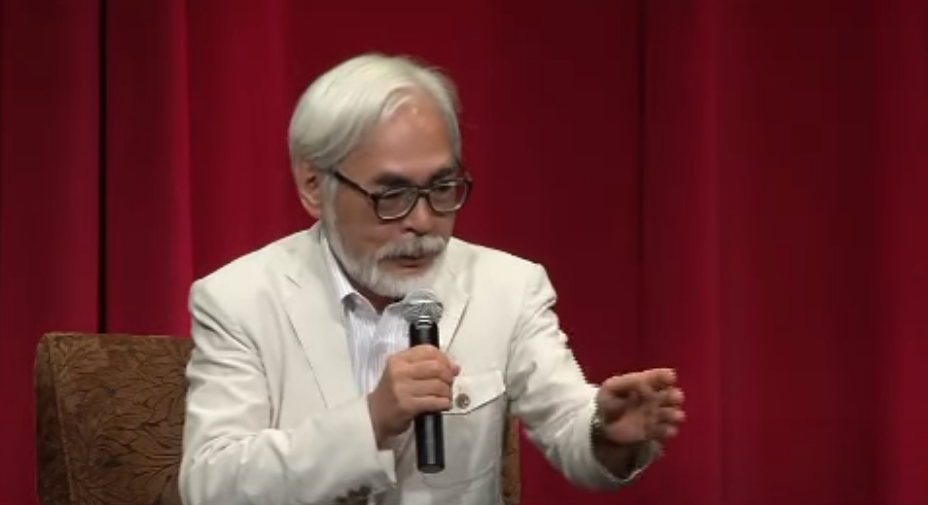 Hayao Miyazaki | Credits: Oscars/YT
An Anime Oscars could create honorary awards celebrating legendary creators, animators, composers, and directors – figures like Hayao Miyazaki, Satoshi Kon, and Hideaki Anno deserve institutional recognition that permanently archives their contributions to animation history.
While they do find themselves among the Western crowds, we feel like it should be more than just one or two movies, like Spirited Away or The Boy and the Heron. Between them, they created movies like Hayao Miyazaki’s Princess Mononoke, Satoshi Kon’s Perfect Blue, and Hideaki Anno’s The End of Evangelion, late-1990s masterworks that remain the crème de la crème of the medium.
7 TV Series Barely Make It to the Nominations in Western Awards
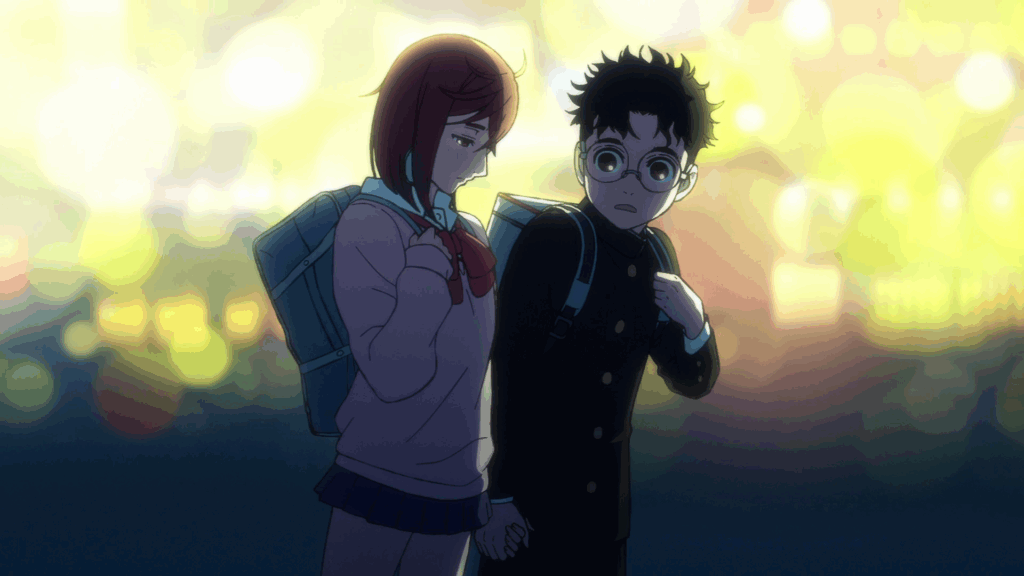 Momo and Okarun from DanDaDan | Credits: Science SARU
Let’s be honest: we rarely get to see any TV anime making it to even the nomination, let alone receiving an award. It was not until recently that the DanDaDan was nominated for the Best TV/Media Direction at the 2026 Annie Awards. This is probably one of the biggest reasons why we need an Oscar ceremony for the Japanese medium.
Titles like Takopi’s Original Sin, Journal With Witch, The Fragrant Flower Blooms With Dignity, and many more have shown us just how emotionally driven a TV anime could be – a dedicated category could really benefit their spread and global recognition.
8 International Popularity Already Justifies the Need for Anime Oscars
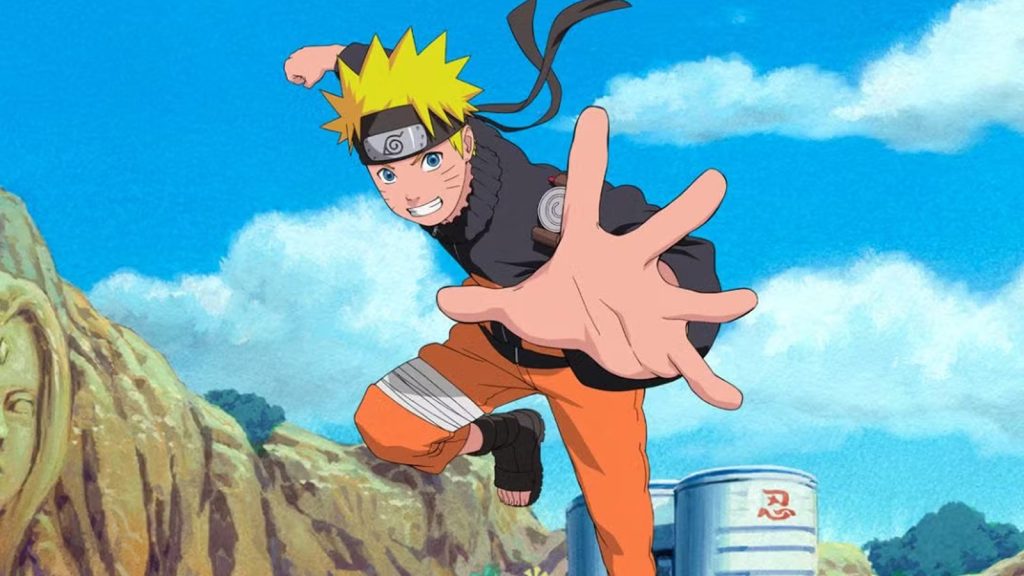 Naruto: Shippuden | Credits: Studio Pierrot
If we start tallying up the growing popularity of anime throughout the years, a well-analyzed chart created by Parrot Analytics (via website), it already shows how the world is adapting to the Japanese medium on a massive global scale. At this point, having only one big platform dedicated to the medium, Crunchyroll’s Anime Awards, doesn’t feel like an option.
Many anime fans feel mainstream award shows either ignore anime entirely or only acknowledge the most commercially successful titles – films like Spirited Away and Demon Slayer: Mugen Train proved anime can dominate the global box office, while streaming platforms have made seasonal anime more accessible than ever. This is the best time for Japanese anime to have a platform for individual voices.
9 Dedicated Awards Will Likely Encourage Better Working Conditions
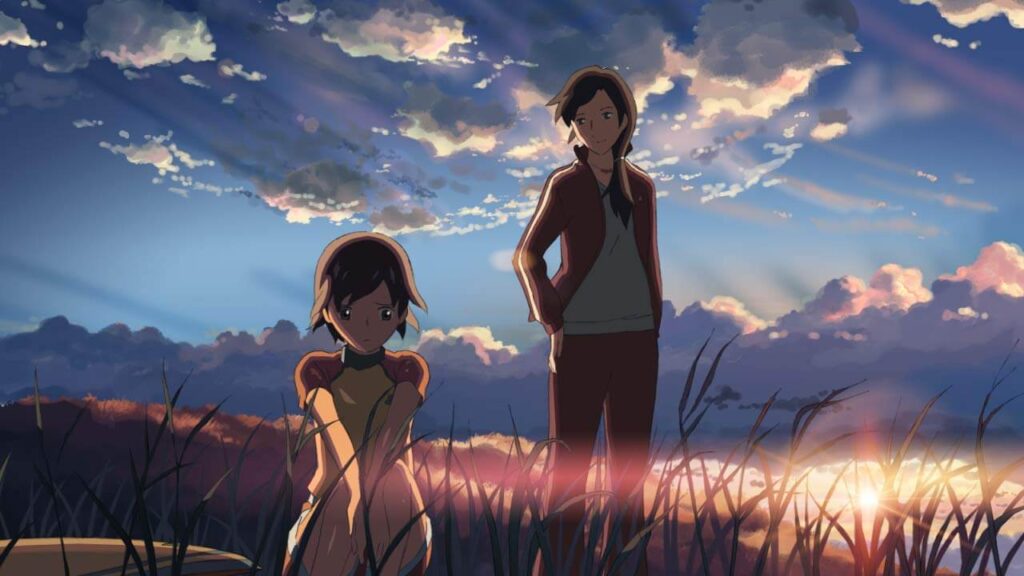 5 Centimeters per Second | Credits: CoMix Wave
Take it from the mangaka themselves or the actual employees who work in the studios – anime production schedules are infamous for overwork and crunch culture. Overtimes often feel like regular schedules for creating stunning and well-thought-out masterpieces.
A prestigious awards body could shine a light on studios that maintain high-quality animation while treating staff ethically – recognition for production excellence could gradually encourage healthier industry standards. We’re not saying it would change everything overnight, but it can be a start.
10 Fan Sentiment Is Skeptical Towards Western Awards Representations
 Bleach: Thousand-Year Blood War | Credits: Studio Pierrot
Many anime fans feel mainstream award shows either ignore anime entirely or only acknowledge the most commercially successful titles. We can show you thousands of tweets and posts daily regarding how fans feel upset – literally, Demon Slayer: Infinity Castle and Chainsaw Man: The Reze Arc found places among the Western awards after breaking records.
A Japanese Anime Oscars could celebrate every corner of the medium – from experimental art films to blockbuster shonen series to underrated indie productions – while giving fans an event that genuinely reflects anime culture. More movies and shows that are highly underrated will find a new place, and new creators will find more motivation.
What are your thoughts on the need for a Japanese Anime Oscars? We’d love to hear your opinions on this matter in the comments below.


























 Bengali (BD) ·
  English (US) ·