.png)
 3 days ago
23
3 days ago
23
Every anime fan recognizes the tropes. The fiery rival who pushes the hero to new heights, or the wandering swordsman seeking redemption. What many fans do not realize is that most of these genre staples can be traced back to a handful of groundbreaking anime from the 1990s. This was the decade when anime stopped merely following formulas and started creating them. The industry’s biggest innovators built storytelling blueprints so effective that future creators spent decades reimagining them.
These series were not simply influential hits. They became the templates everyone else studied. From modern battle shonen and magical-girl teams to cyberpunk epics and grimdark fantasy, many of today’s most beloved anime still operate within frameworks first perfected during the ’90s.
Looking back at these genre-defining classics, you learn that some of your favourite modern anime may owe far more to these pioneers than you ever realised.
1 Dragon Ball Z Defined the Modern Superpowered Shonen Battle
Prior to Dragon Ball Z, shonen series like Fist of the North Star relied on gritty martial arts heavily inspired by 1980s action cinema. DBZ codified the modern battle-shonen formula by centering escalating power progression, multi-episode training arcs, and transformation-based power systems.
It popularized the multi-stage aesthetic upgrade (Super Saiyan) and the toxic-rival-turned-ally dynamic (Vegeta). This structural blueprint, where battles reflect inner growth and power levels scale exponentially, was directly adopted by mega-franchises like Naruto, Bleach, and Dragon Ball Z‘s spiritual successor, One Piece. Its DNA remains glaringly obvious even in modern hits like My Hero Academia.
2 Sailor Moon Created the Global Blueprint for Magical Girl Teams
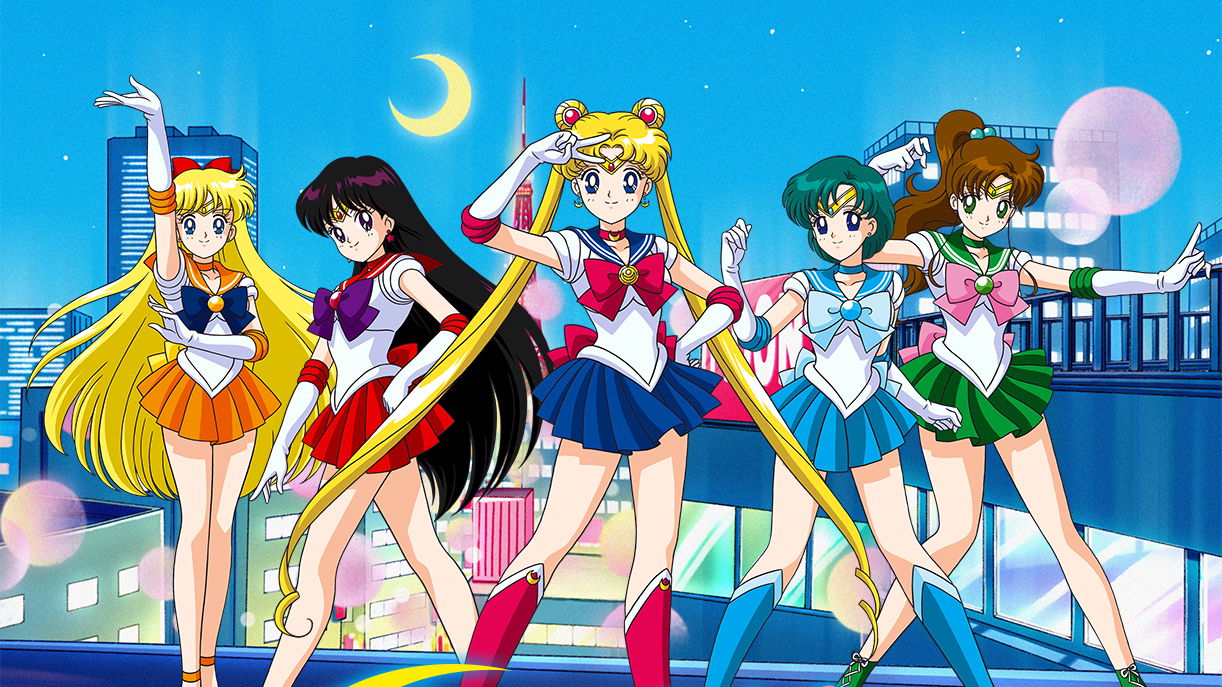 Usagi Tsukino and others from Sailor Moon [Credits: Toei Animation]
Magical girl anime in the 1980s, such as Creamy Mami, typically focused on solitary, idol-like protagonists using magic to solve everyday domestic problems. Sailor Moon revolutionized the genre by merging traditional shojo romance with the team dynamic and action of Super Sentai (Power Rangers) series.
It popularized elaborate, stock-footage transformation sequences and the “color-coded female warrior ensemble” archetype. This team-based superheroine formula laid the groundwork for Pretty Cure, Tokyo Mew Mew, and Winx Club, while its subversion directly birthed darker deconstructions like Puella Magi Madoka Magica.
3 Cowboy Bebop Invented the High-Production Episodic Space Noir
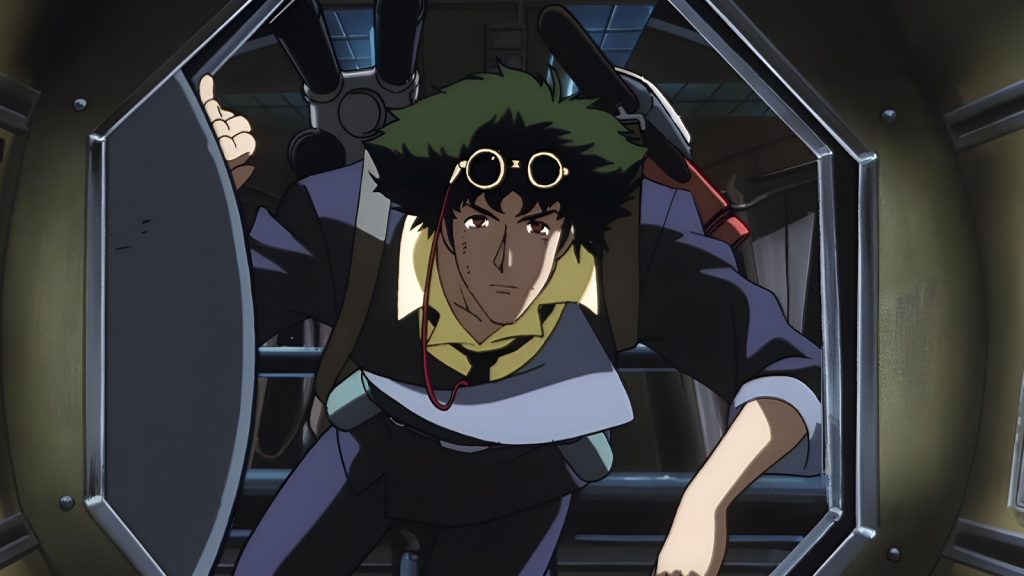 Spike Spiegel From Cowboy Bebop. [Credit: Sunrise]
Adult-oriented sci-fi anime in the late 1980s and early 1990s was often associated with niche OVAs, including dark cyberpunk and hard-SF works aimed at older audiences. Cowboy Bebop helped redefine the space by popularizing a high-production blend of space noir, Western cinema, jazz culture, and Hong Kong action in a format that proved especially influential overseas.
Director Shinichiro Watanabe introduced cinematic framing, a non-linear “bounty-of-the-week” structure, and deeply flawed, adult characters defined by existential ennui. This genre-fluid, melancholic storytelling style inspired Western hits like Firefly, paved the way for adult-oriented blockbusters like Samurai Champloo, and popularized auteur-driven anime to the world.
4 Neon Genesis Evangelion Birthed the Psychological Mecha Deconstruction
 Misato Katsuragi from Neon Genesis Evangelion. [Credit: Gainax]
The mecha genre was dominated by “Real Robot” military dramas like Gundam or “Super Robot” power fantasies where piloting was a heroic privilege. Neon Genesis Evangelion shattered expectations by using giant robots as a Trojan horse for a psychological deconstruction of trauma, depression, and teenage isolation.
It introduced the deeply introspective, reluctant protagonist (Shinji Ikari) and biomechanical, monstrous mecha designs. This paradigm shift triggered a wave of psychological, world-ending “Sekaikei” anime in the 2000s, inspiring the narrative DNA of RahXephon, Code Geass, Gurren Lagann, and even Hollywood’s Pacific Rim, among others.
5 Yu Yu Hakusho Set the Gold Standard for Shonen Tournament Arcs
 Hiei From Yu Yu Hakusho. [Credit: Pierrot]
Early shonen tournaments were brief, erratic subplots used simply to transition between standard adventure arcs without rigid rule systems. Yu Yu Hakusho set the absolute gold standard for the modern shonen tournament arc with the legendary Dark Tournament Saga, turning a narrative trope into a self-sustaining subgenre.
Yoshihiro Togashi refined the format through a highly organized competition built around supernatural battle systems, memorable opposing teams, and specialized character roles with strong emotional payoffs. This precise formula became highly influential for successive shonen, heavily dictating the tournament arcs in Naruto (Chunin Exams), My Hero Academia, and Togashi’s own Hunter x Hunter.
6 Pokémon Launched the Global Creature-Collecting Phenomenon
Monster-rearing games and media existed in primitive forms (like Megami Tensei), but they lacked mainstream accessibility and cross-media synergy. Pokémon launched a global creature-collecting phenomenon by flawlessly synchronizing a video game, a weekly anime, and a trading card game into a single narrative ecosystem.
It popularized the “gotta catch ’em all” collecting loop, friendly monster partnerships, and regional gym progression systems. This multi-billion-dollar multimedia blueprint spawned a massive wave of monster-battling imitators and successors throughout the late ’90s and 2000s, including Digimon and Monster Rancher.
7 Ghost in the Shell Paved the Way for Modern Cyberpunk Anime
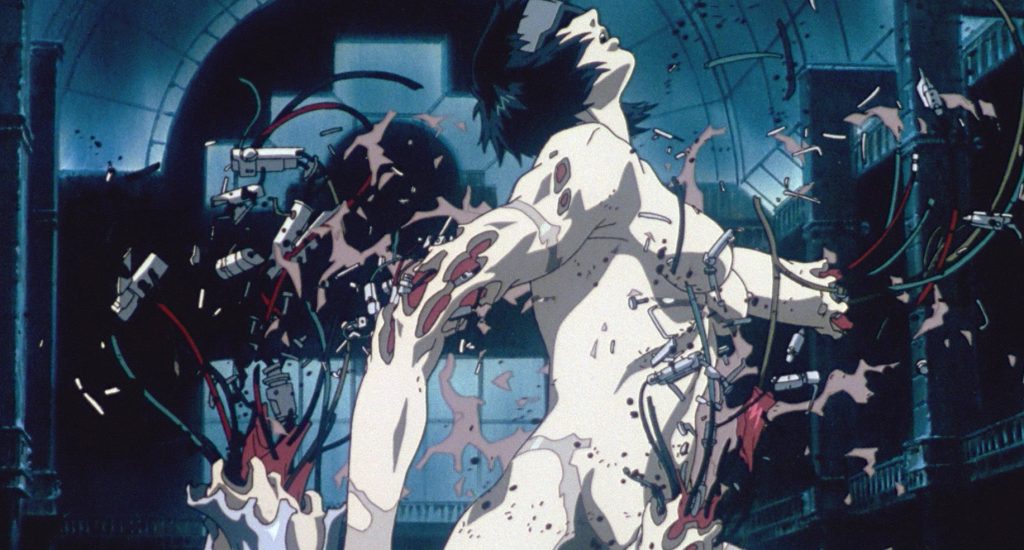 Motoko Kusanagi from Ghost in the Shell. [Credit: Production I.G.]
Ghost in the Shell helped define what cyberpunk anime could be when it stopped treating the genre as just neon cityscapes and hardware fetishism. Its real innovation was philosophical, where identity, memory, embodiment, AI, and the blurry line between human and machine were woven into one single fabric.
It introduced green-hued digital matrix imagery, thermoptic camouflage, and profound questions regarding where the human soul ends and code begins. This groundbreaking techno-philosophical work was openly cited by the Wachowskis as an inspiration for The Matrix (via The Guardian), while structurally shaping anime like Psycho-Pass and Cyberpunk: Edgerunners.
8 Initial D Influenced Almost Every Street Racing Story in Anime History
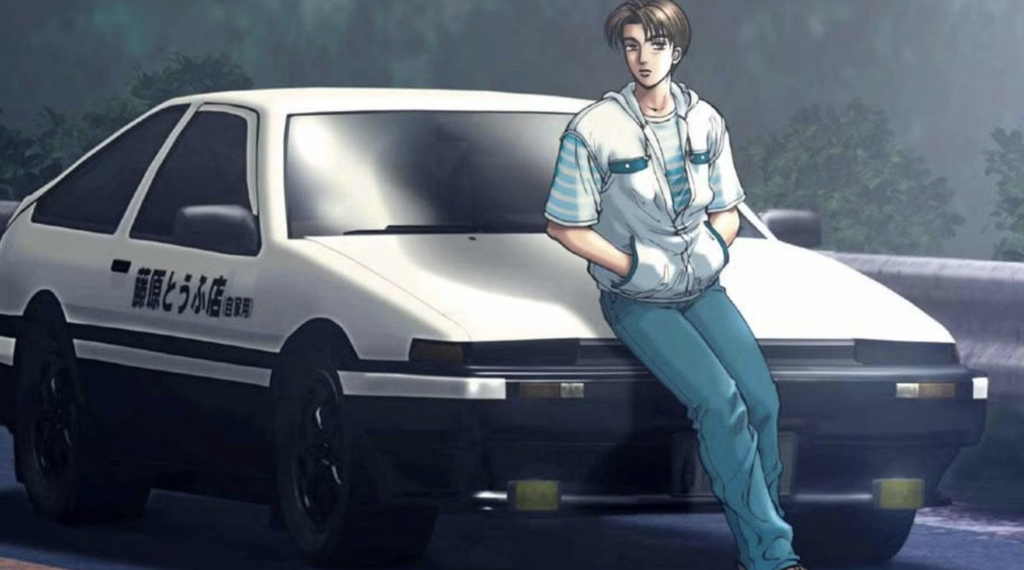 Takumi Fujiwara from Initial D. [Credit: Comet, Gallop]
Racing anime, such as Speed Racer, were traditionally futuristic, cartoonish, and detached from the actual mechanics of real-world driving. Initial D brought technical realism and underground street-racing culture to the absolute forefront of sports media. It introduced Eurobeat-infused pacing, authentic mechanical jargon, and accurate depictions of real cars (like the Toyota AE86), utilizing actual drifting physics.
This hyper-realistic approach to automotive subculture single-handedly popularized drifting globally, directly influencing Western media like The Fast and the Furious: Tokyo Drift and paving the way for technical sports anime like Wangan Midnight.
9 Rurouni Kenshin Perfected the Redemption-Focused Samurai Epic
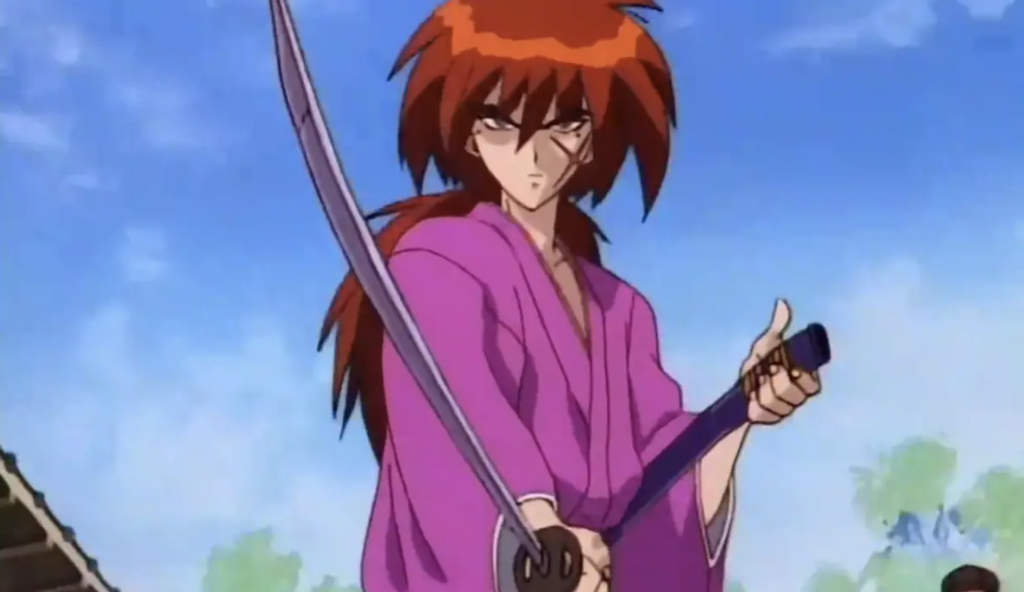 Himura Kenshin from Rurouni Kenshin 1996 TV Series. [Credit: Gallop]
Historical samurai fiction (chanbara) in anime was traditionally defined by stoic, unyielding killers or historically rigid adaptations aimed at older demographics. Rurouni Kenshin perfected the redemption-focused historical-action epic by pairing a pacifist philosophy with high-flying, shonen-style swordsmanship.
It pioneered the “reverse-blade sword” mechanic, allowing lethal stakes without the protagonist violating his moral code, and balanced historical Meiji-era politics with stylized shonen archetypes. This redemption narrative influenced later sword-focused action series and historical fantasy works such as Gintama and Demon Slayer.
10 Berserk Established the Blueprint for Dark Medieval Fantasy
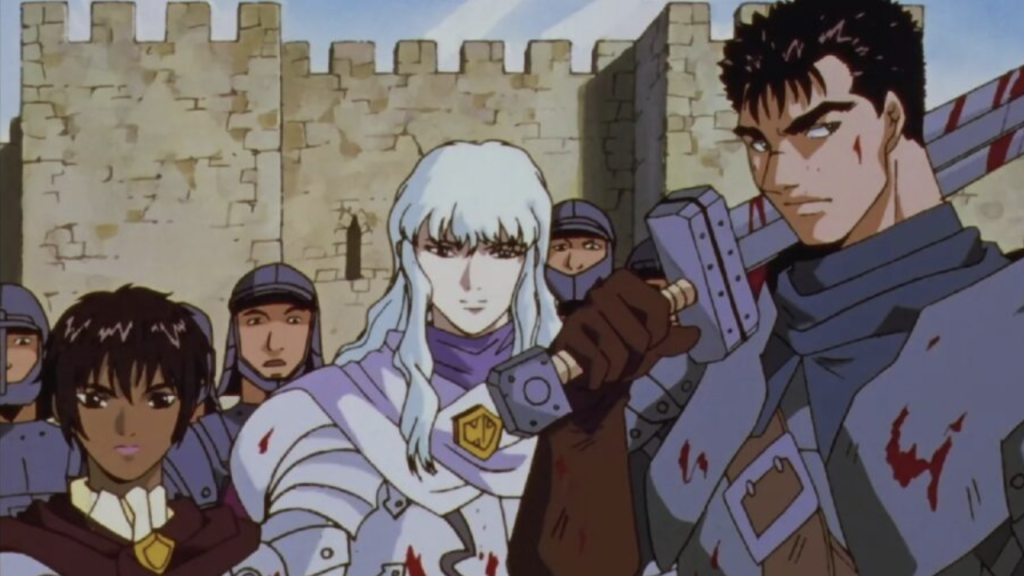 Guts (right), Griffith (center), and Casca (left) from Berserk. [Credit: OLM]
Fantasy anime in the 1980s and early ’90s, such as Record of Lodoss War, leaned heavily on clean, high-fantasy Tolkien tropes filled with noble knights and clear-cut morality. Berserk shattered this mold by establishing the dark medieval fantasy blueprint, introducing a bleak, hyper-violent world where survival is a luxury.
It popularized the morally gray, cursed anti-hero (Guts), wielding an absurdly oversized sword against cosmic, Lovecraftian horrors. This grim, uncompromising aesthetic inspired the dark fantasy genre at large, serving as the inspiration for Hidetaka Miyazaki’s Dark Souls, Bloodborne, and Elden Ring franchises.
| Dragon Ball Z | Akira Toriyama | 8.8/10 | Crunchyroll |
| Sailor Moon | Naoko Takeuchi | 7.8/10 | Hulu |
| Cowboy Bebop | Hajime Yatate | 8.9/10 | Crunchyroll, Netflix (selected regions) |
| Neon Genesis Evangelion | Hideaki Anno | 8.5/10 | Prime Video |
| Yu Yu Hakusho | Yoshihiro Togashi | 8.5/10 | Crunchyroll, Netflix |
| Pokémon | Satoshi Tajiri | 7.6/10 | Netflix, Official YouTube Channel |
| Ghost in the Shell | Masamune Shirow | 7.9/10 | Prime Video, Apple TV (availability varies) |
| Initial D | Shuichi Shigeno | 8.5/10 | Prime Video (First Stage and Fourth Stage), Crunchyroll (selected regions) |
| Rurouni Kenshin | Nobuhiro Watsuki | 8.5/10 | Original (1996) is not available; Crunchyroll ( 2023 reboot), Netflix (Rurouni Kenshin: Origins, The Final, etc.) |
| Berserk | Kentaro Miura | 8.7/10 | Amazon Prime Video digital purchase (1997 version), Crunchyroll (2016 version) |
Which ’90s anime do you think had the biggest impact on modern anime? Comment below!























 Bengali (BD) ·
  English (US) ·