.png)
 2 hours ago
10
2 hours ago
10
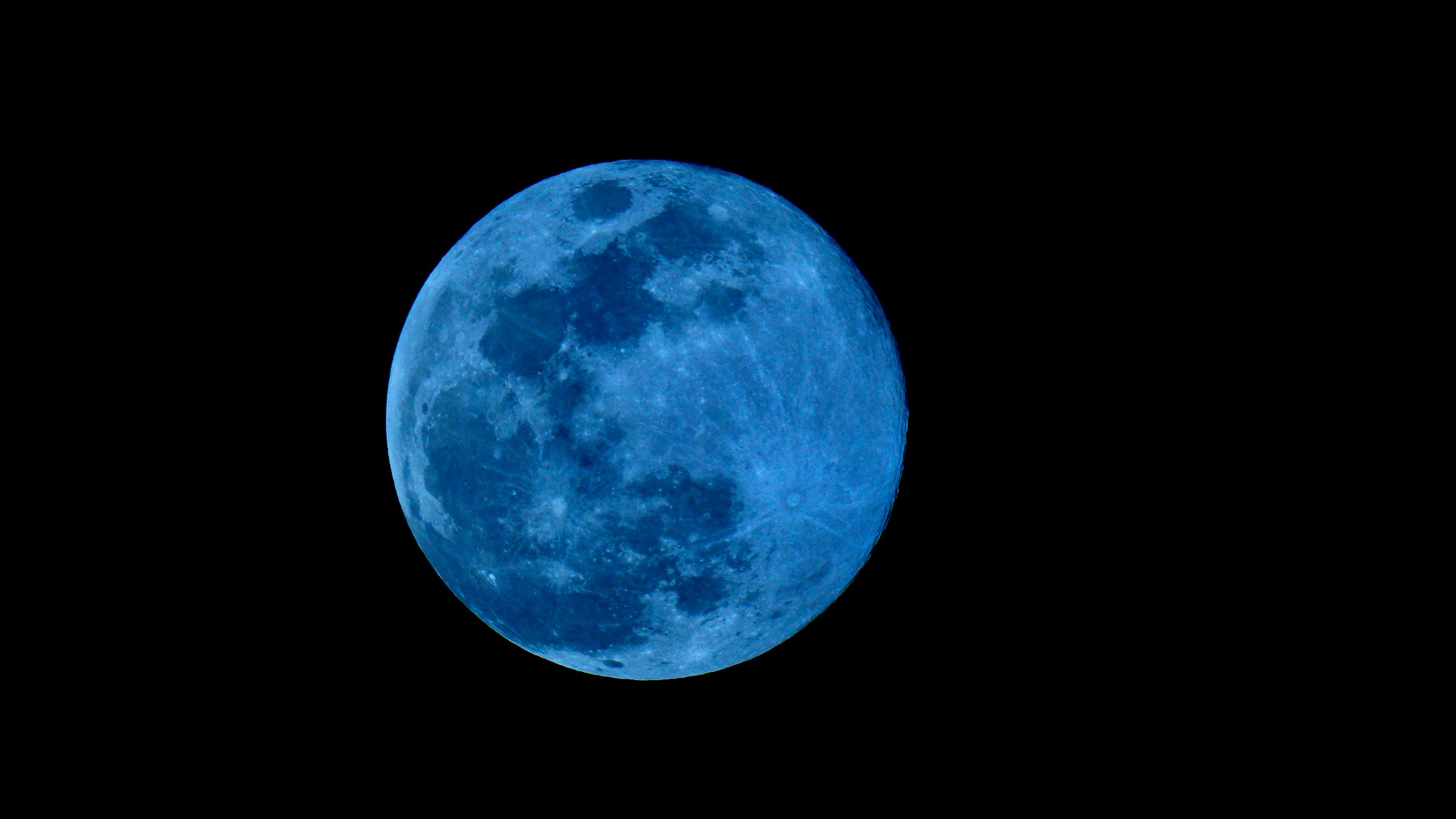
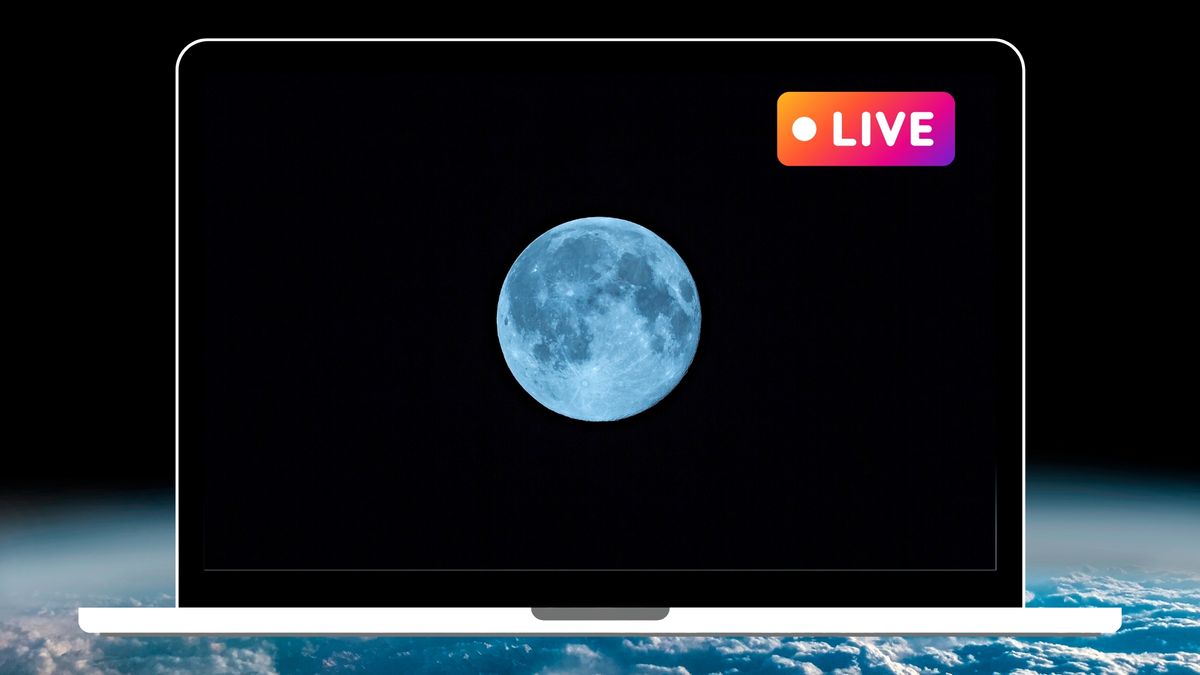
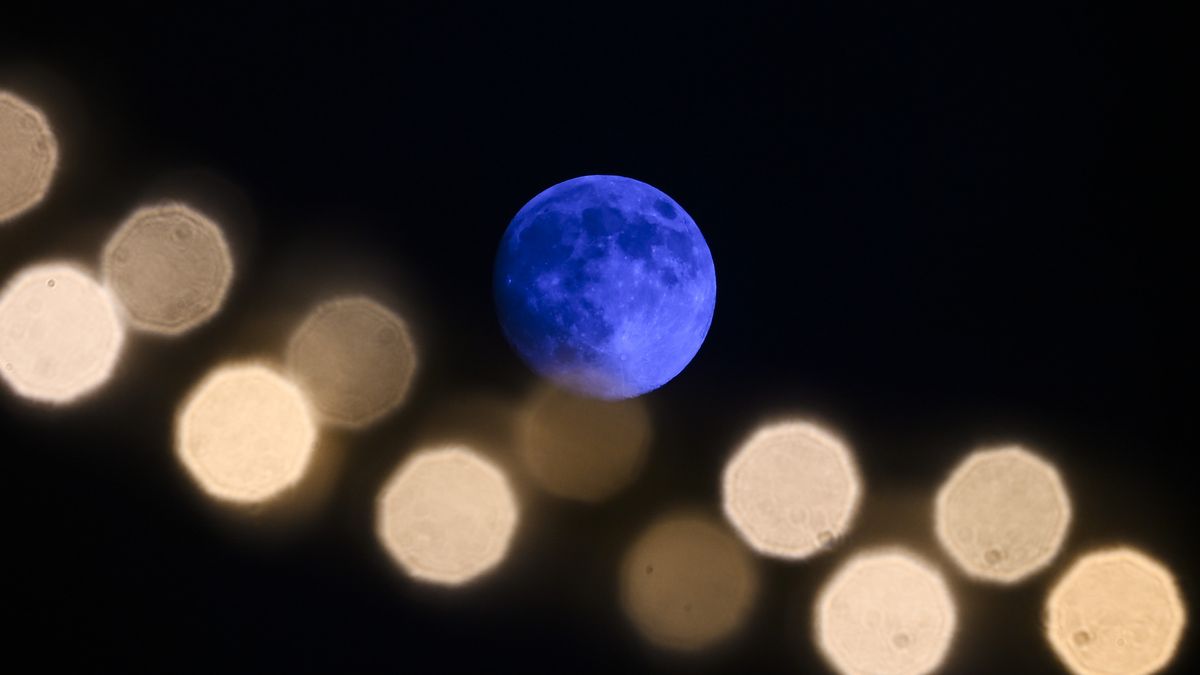
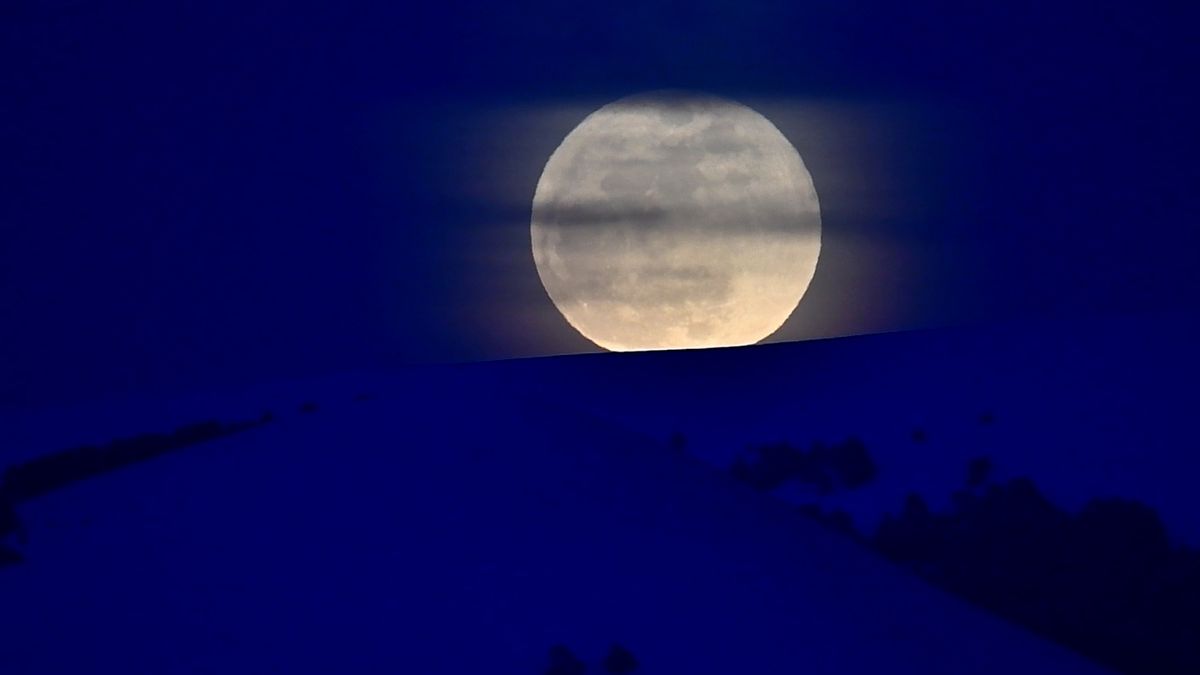
On May 31, the lunar month culminates in a Blue Moon — in this case, the second full moon in a calendar month.
The "Blue Moon" moniker adds a touch of drama to this full moon, calling to mind the emotive associations from popular culture over the last century. There's the 1934 song that has been performed and recorded for nearly 100 years (in addition to scores of other songs that refer to a Blue Moon), there are at least a half dozen films that bear the name, and there's even a beer - one that's turning blue this month in honor of the Blue Moon. The common idiom "once in a Blue Moon" has become such a part of American culture that tweezing out its roots is complicated.
But what is it about the idea of a Blue Moon that makes it such a captivating image and idea? Essentially, it all boils down to this: "The moon is kind of an old friend," Kevin Schindler, historian at Lowell Observatory in Arizona, told Space.com. "Whatever culture you're in, the moon is part of it: origin stories, mythology, and such. The fact that our species has walked there, and then just weeks ago we went back after more than half a century, orbiting it, it's mysterious and embedded in who we are."
Schindler highlights that we give it an affectionate nickname whenever the full moon revisits our skies: Harvest, Strawberry, Cold. The use of "Blue" does something technical, too: it tells us our year got a lunar bonus.
That's because the sun and moon operate on different schedules, and they don't neatly overlap. There are 29.5 days from one full moon to the next, and the sun takes 365 days to complete one cycle along its path, called the ecliptic, across Earth's sky. This leads to messy math that humans have been resolving for millennia, with solar and lunar calendars.
And the Blue Moon reflects that tension: it refers to the bonus full moon in a calendar month (such as this May) of a year like 2026 that has 13 full moons, and not 12.
A Blue Moon can also refer to the third full moon in a season that has four full moons, known as a seasonal blue moon, according to NASA.(This month's Blue Moon is technically known as a "monthly Blue Moon".)
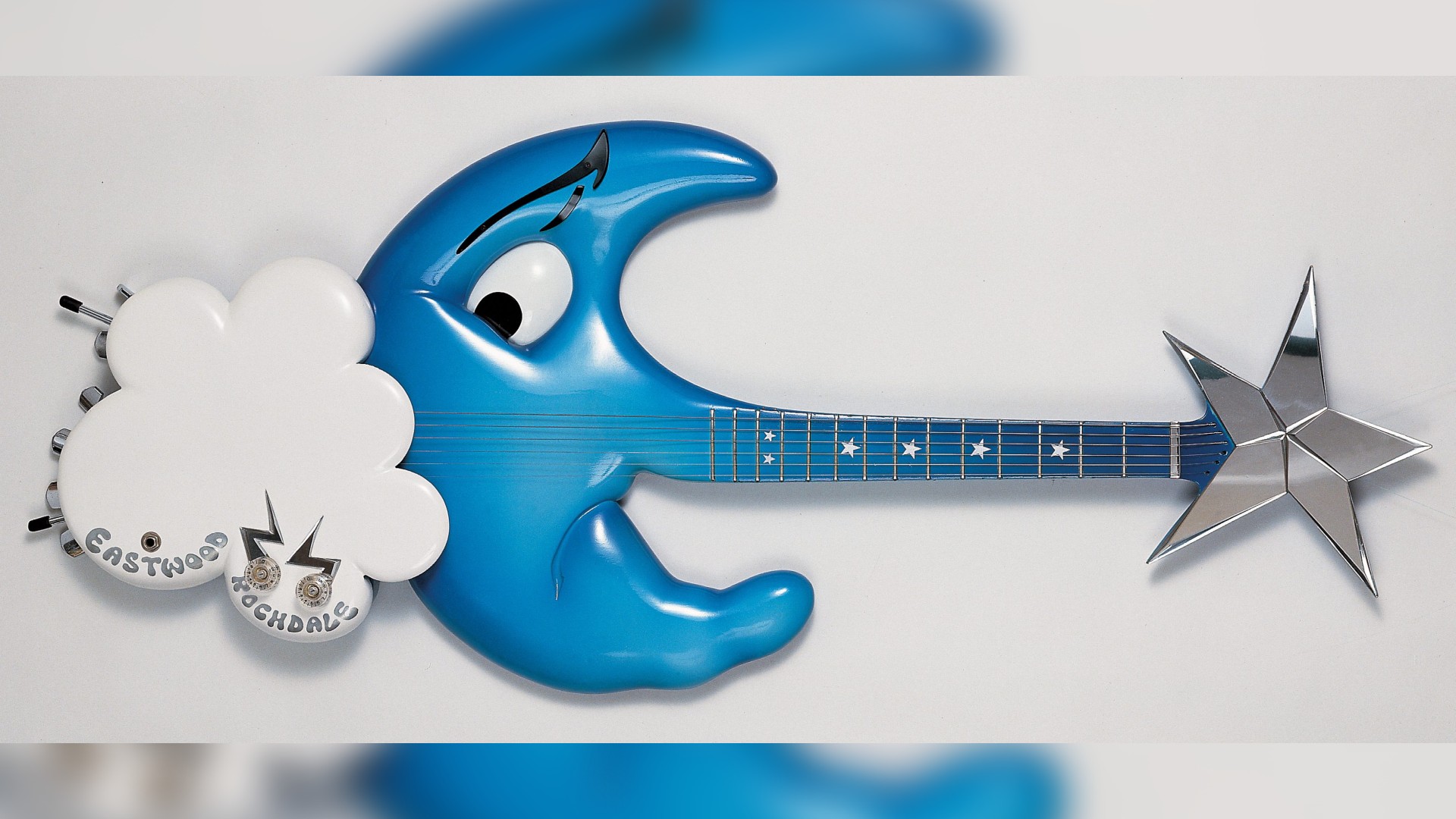
Why so blue?
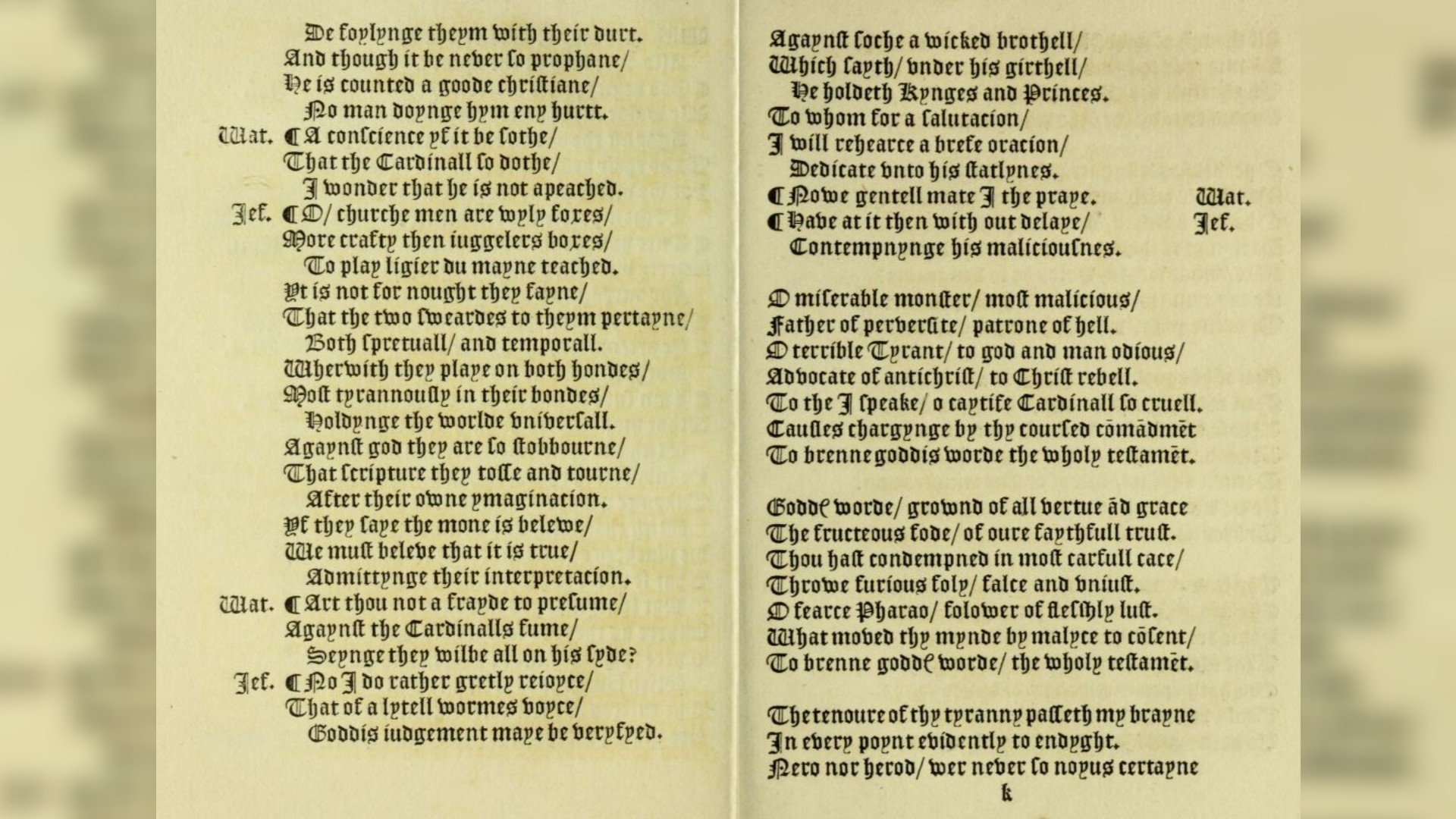
The earliest written evidence for the association between the moon and the color blue comes from a 16th-century pamphlet, called "Rede me and be nott wrothe," where authors Jerome Barlowe and William Roy satirized monastic orders. They wrote, "Yf they say the mone is blewe / We must beleve that it is true."
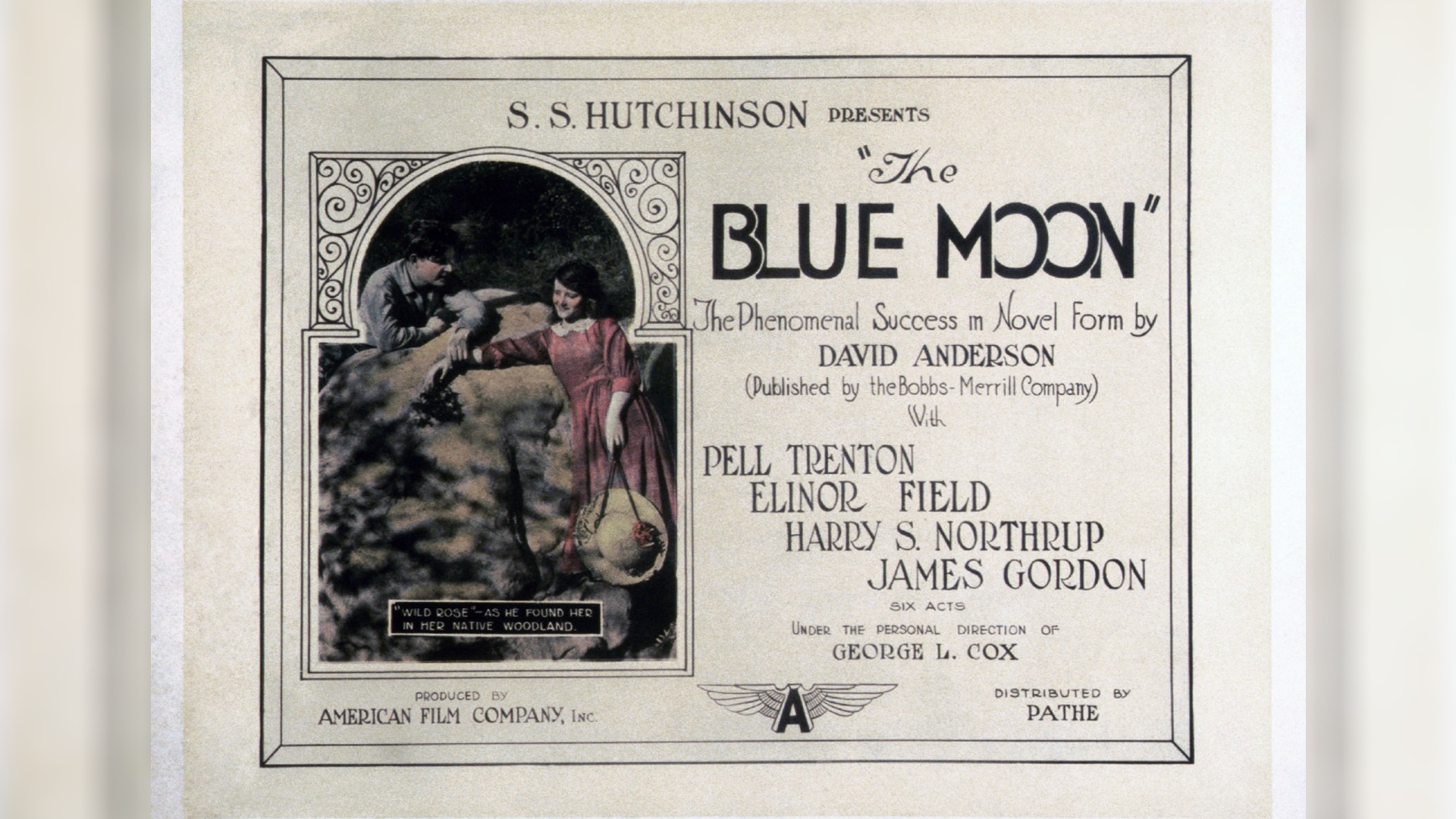
From there, the term appears throughout the early years of the 20th century in theater, silent film and song titles:
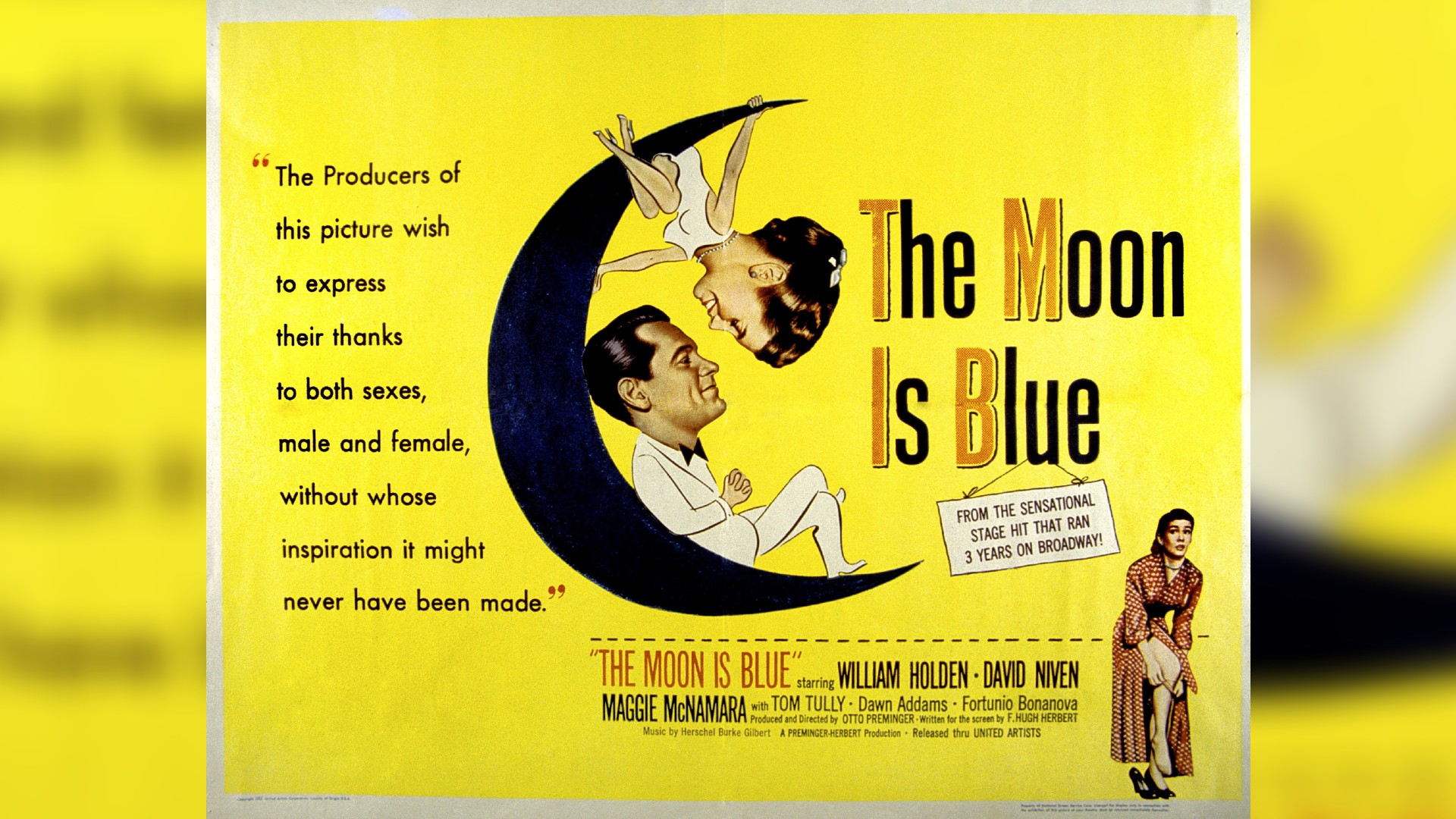
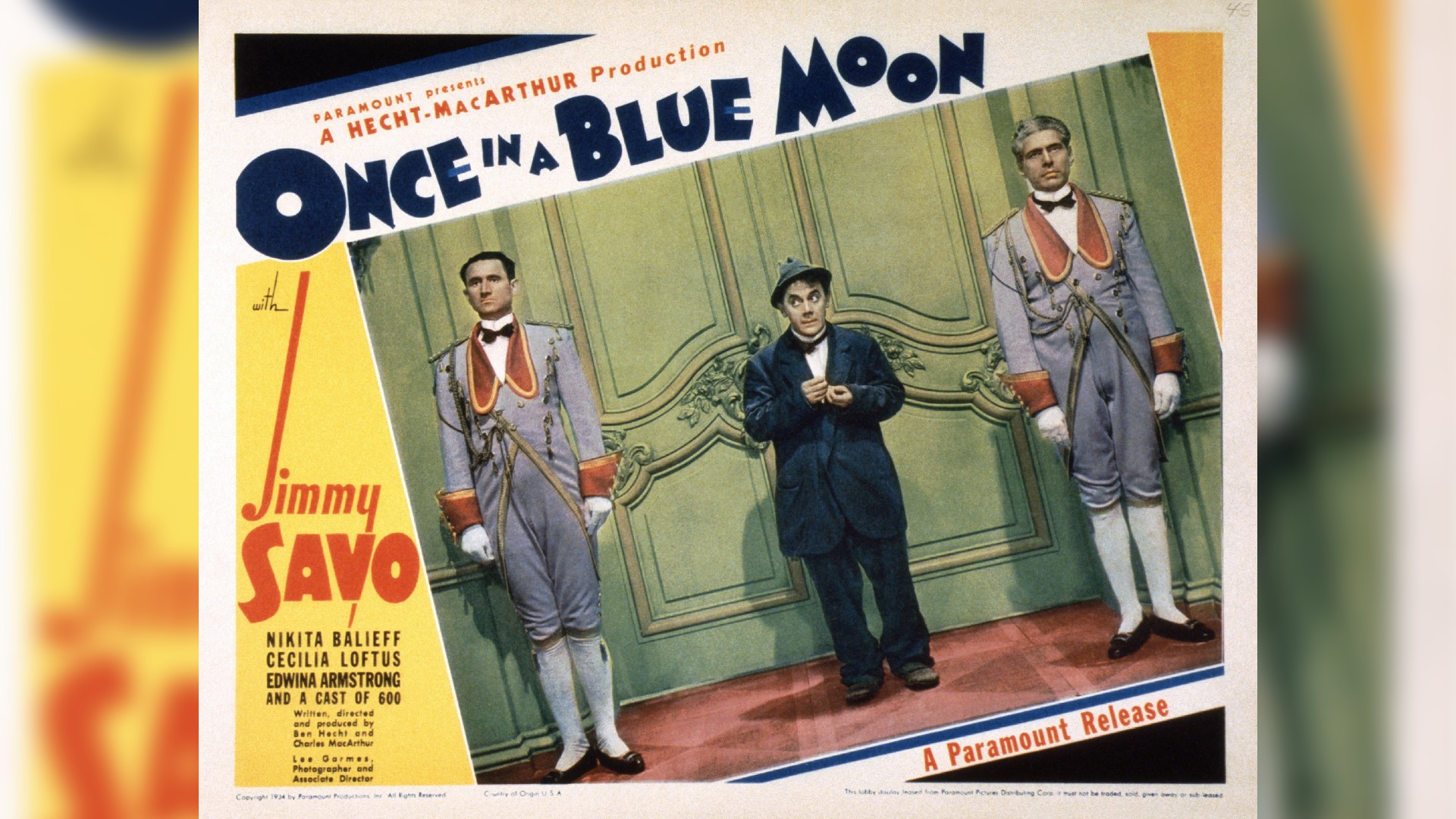
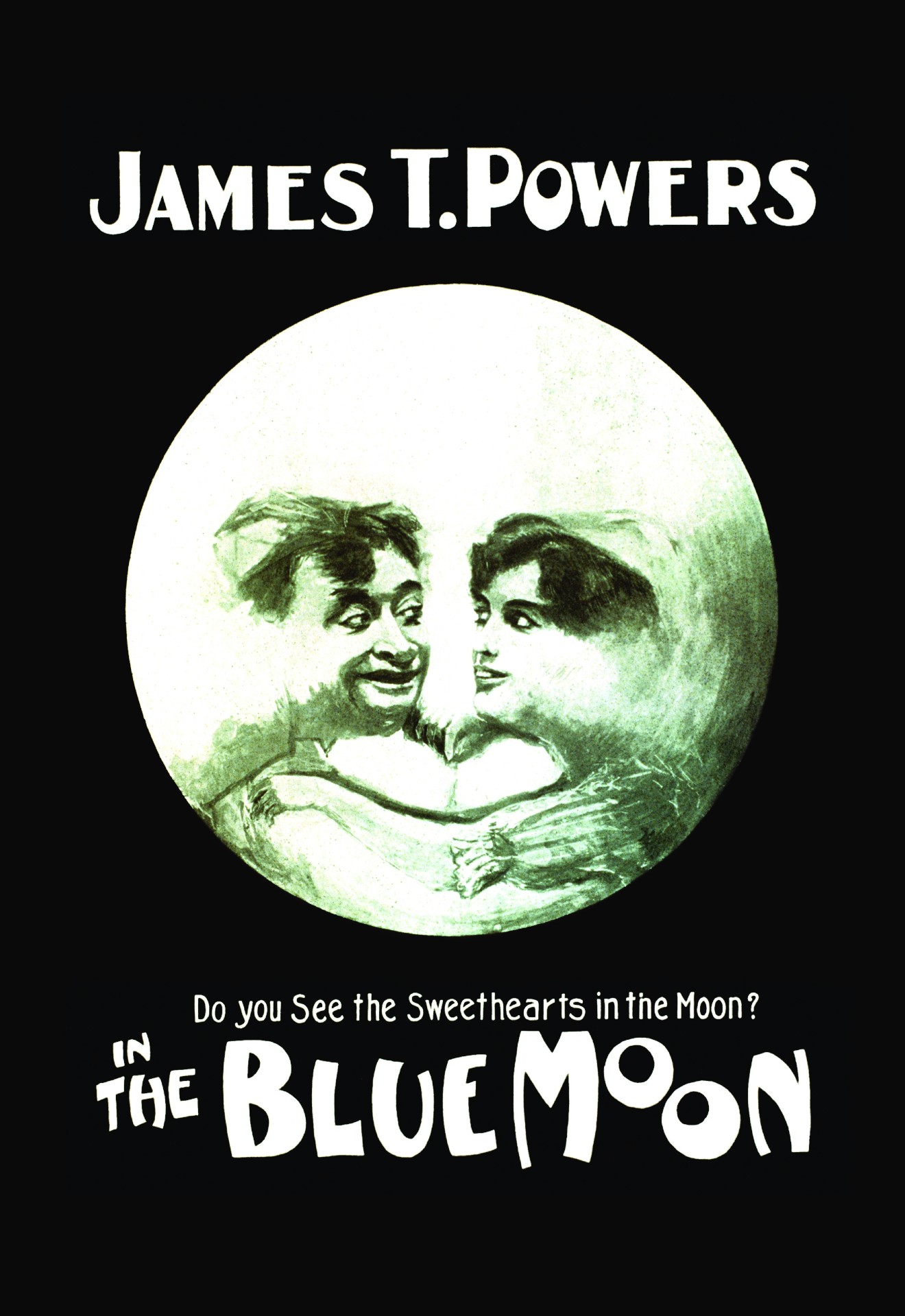
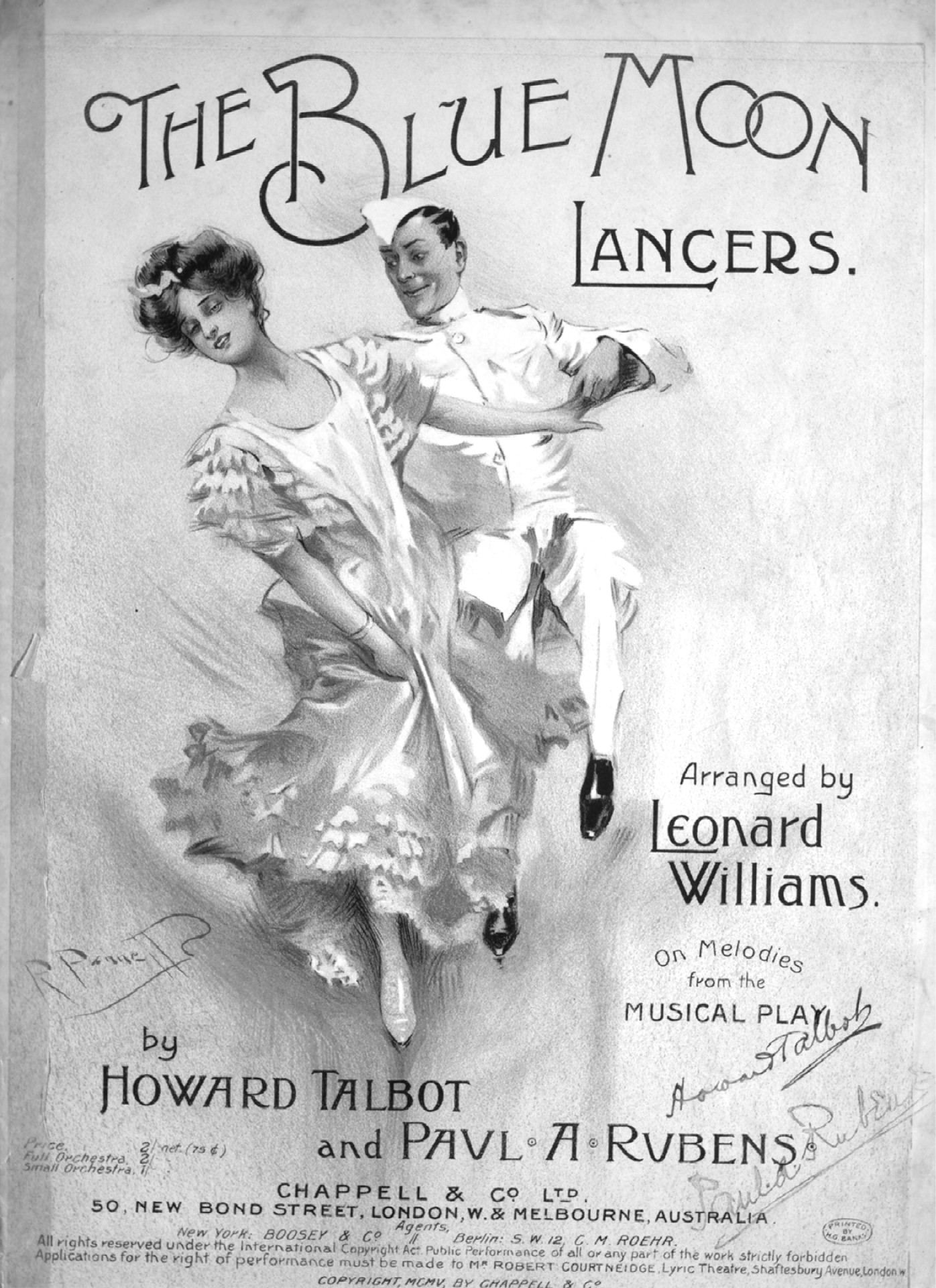
A few decades later, legendary jazz singer Ella Fitzgerald became one of many vocalists to bring the 1930s song "Blue Moon" to the forefront.
The author of the song is disputed: although widely thought to be a work from famed American composers Richard Rodgers and Lorenz Hart, documentary filmmaker Liz Roman Gallese found letters in the 1990s showing that her father, then 17 at the time they were dated, sold the song after having written it himself, inspired by how the moon reflected blue on Burden's Pond in Troy, NY.
In 2025, director Richard Linklater released "Blue Moon" starring Ethan Hawke and Margaret Qualley, a biographical comedy-drama that depicts Lorenz Hart's life during the time he was writing the lyrics to the song of the same name.
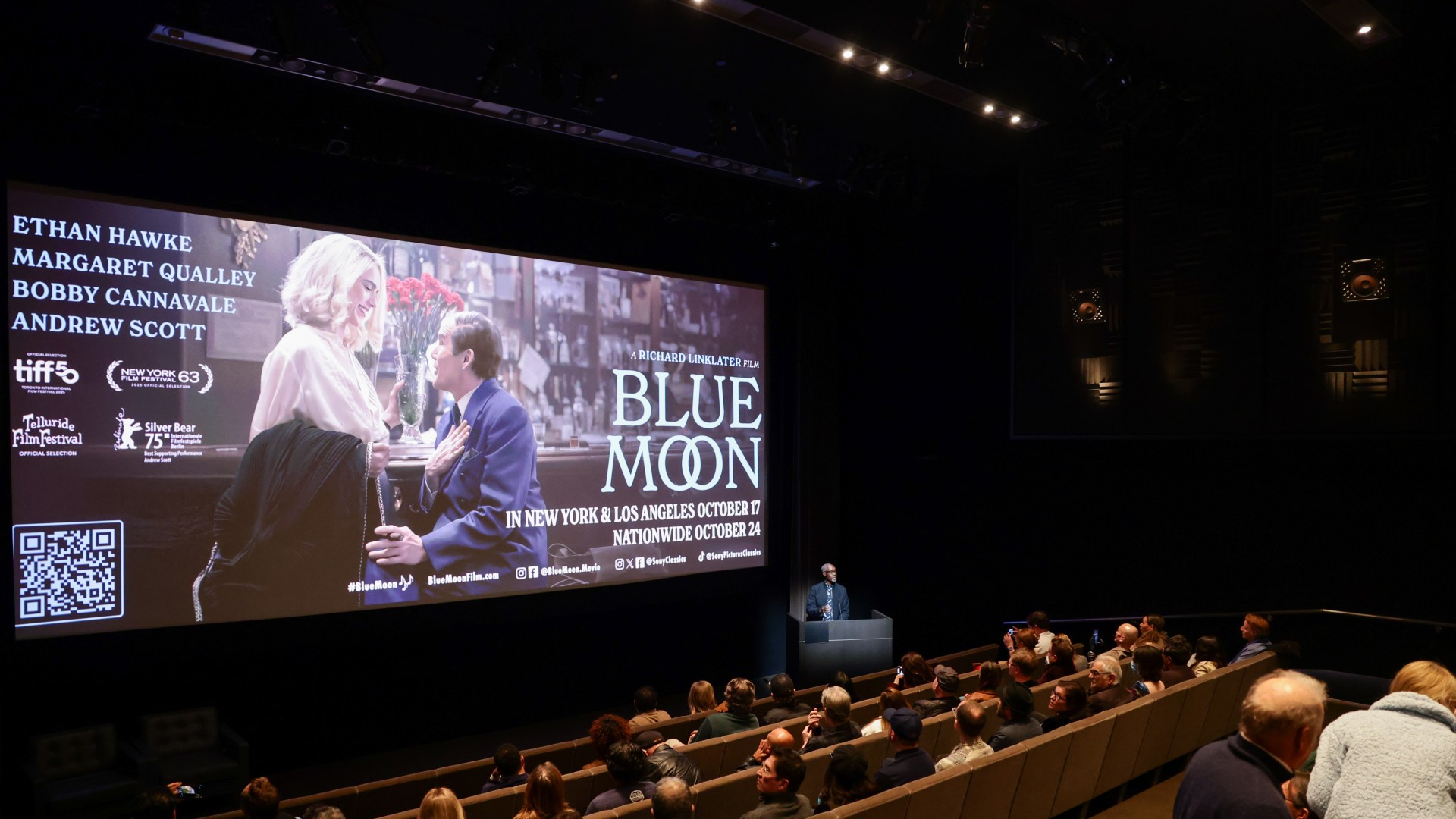
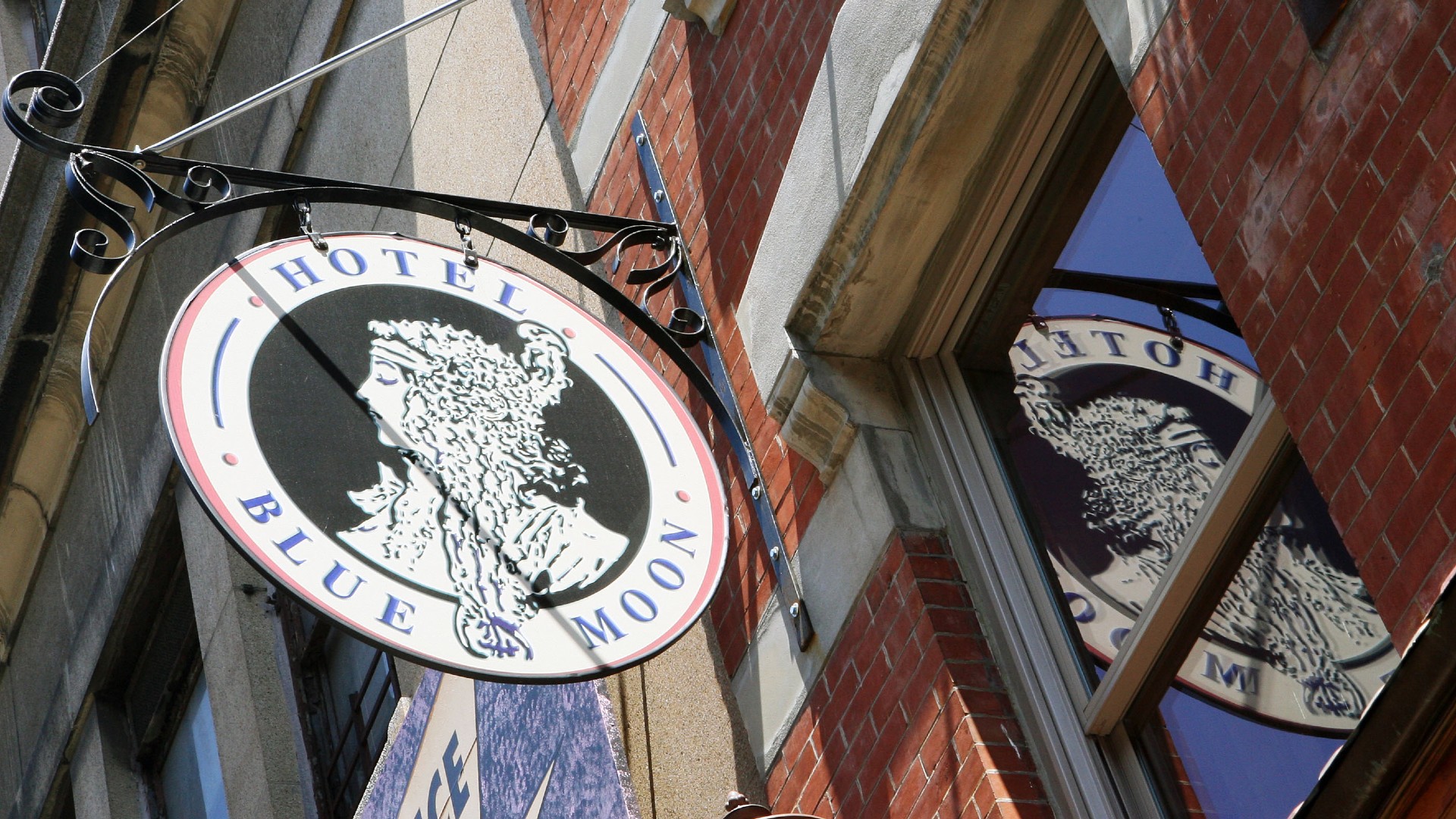
A few years after the song was published, the idea of a Blue Moon appeared in the 1937 Maine Farmer's Almanac, although its definition in that context remains hazy.
But where did the modern term of a second full moon in a calendar month come from? Skywatching magazine Sky & Telescope played a big role in popularizing the concept of a Blue Moon according to a 2012 article, using it as early as 1943 — although even they weren't sure where the term originated. What is clear is that the idea got swept up by Sky & Telescope, when it gets used as a reference twice in the 1940s.
"In the Sky & Telescope article, that was a little misinterpreted and simplified to just, hey, when there's two full moons in the month, that's what a Blue Moon is. And that's what we mostly think of today when we say 'Blue Moon'," Schindler says.
This is then cited decades later in the 1980s, and reaches National Public Radio, a kid's almanac, and even a Trivial Pursuit card game deck.
The moon's folklore
To see why we count the moons, we can look much farther back in time. César Gonzalez-Garcia, an archeoastronomer based in Santiago de Compostela, Spain, told Space.com that humans have always kept strong tabs on when the next full moon is due.
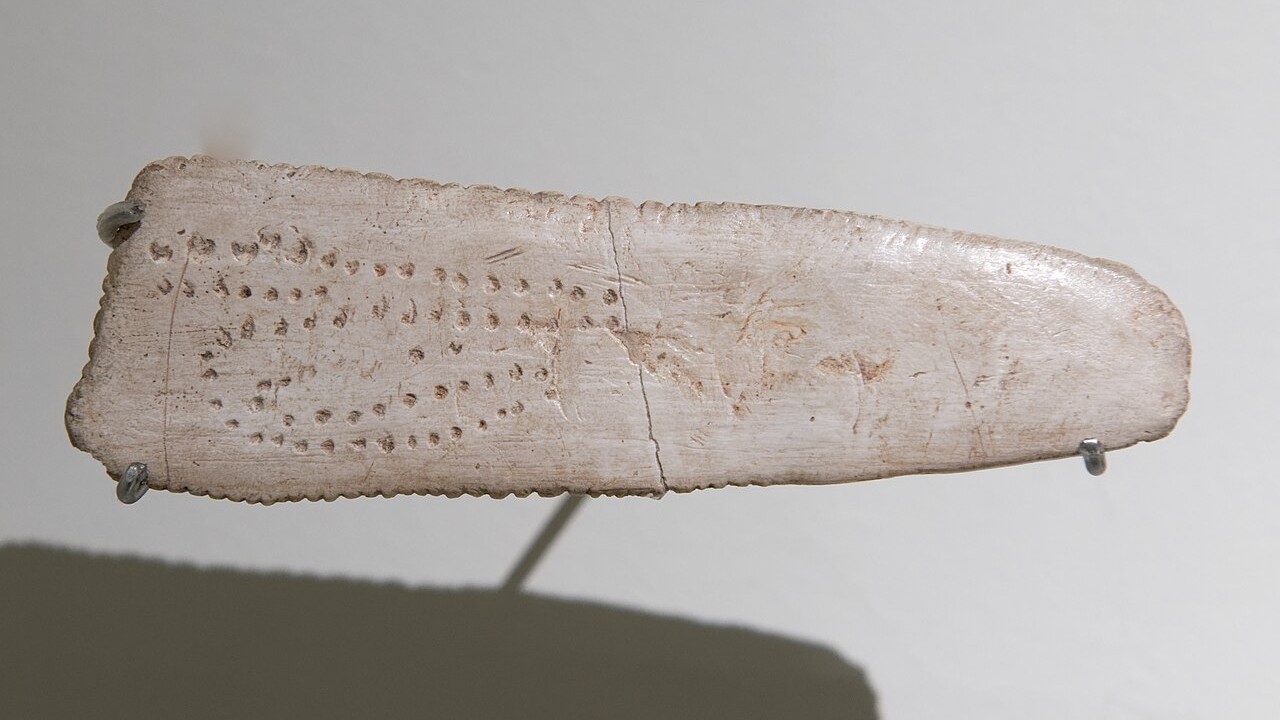
The earliest evidence for humanity's deep ties with the moon include a deer antler from roughly 40,000 years ago. Dozens of notches travel along in a serpentine-shaped path across the bone's smooth surface. Its creators were the Aurignacians, the first anatomically-modern humans with technological complexity to settle in western and southwestern Europe during the Paleolithic era. They also left behind precious cave paintings and musical instruments.
The moon's hold on humankind
In Caral, an ancient city in Peru that predates the Egyptian pyramids of Giza, citizens built structures to observe the moon, and not just the sun. These were among the first buildings made of stone in all the Americas, Gonzalez-Garcia told Space.com. Fishing was critical for this culture, who lived along the Pacific Ocean, and the lunar phases would have been important to successful outcomes.
Ancient cultures in China, the Near East, and the Mayas in the Americas had lunar calendars apart from solar calendars, he adds. Closer to the modern era, an Inuit creation story relays a chase scene to explain the sun and moon's asynchronous flights.
Modern technology allows us to give up those tethers to the moon's phases. But, certain traditions keep those cultural connections alive. The Lunar New Year is one major example, falling on the second new moon after the winter solstice.
And for the devoted throng of Catholics who fill the streets of many cities in Spain during Holy Week, their schedules are determined by Easter, a holiday that moves each year but which always takes place on the Sunday following the first full moon after the northern hemisphere's vernal equinox. The Hijri calendar, the Islamic lunar calendar year that is 11 days shorter than the Gregorian calendar, determines the dates of important Muslim holidays such as the start and end to the month of Ramadan.
"Blue Moon" is not a phrase used in Galicia, Spain, where Gonzalez-Garcia lives, nor much outside of the English sphere of influence. (In Galicia, a more common expression for a pairing of events is conveyed with figs of different colors.)
Whether or not you're familiar with what "Blue Moon" means, what is universal is that the full moon is a marvel. "I feel lucky to work at a place like Lowell where we can celebrate that," Schindler says. "If you want to wow people, just point the telescope at the moon and stand back. That's all you have to do."


















/https%3A%2F%2Fsportsmole-media-prod.s3.gra.io.cloud.ovh.net%2Fuploads%2F2026%2F05%2Fimago1077546153-2-6a0b8bbf76f8f531157643.jpg)
 Bengali (BD) ·
  English (US) ·