.png)
 7 hours ago
10
7 hours ago
10
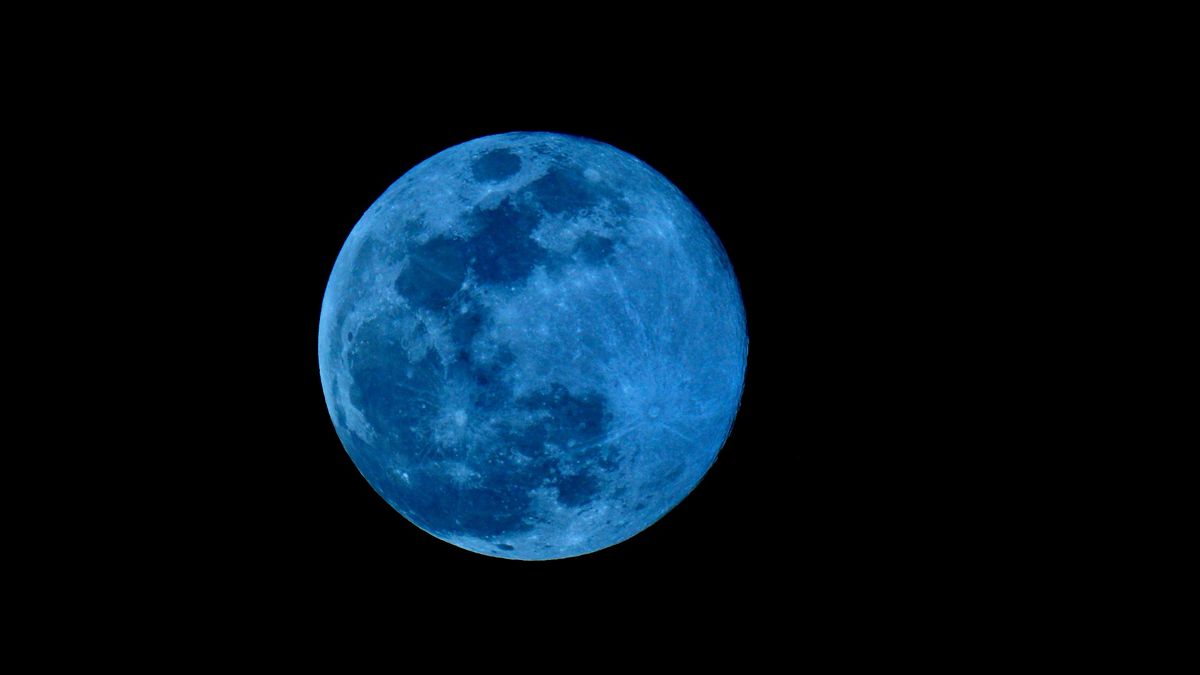
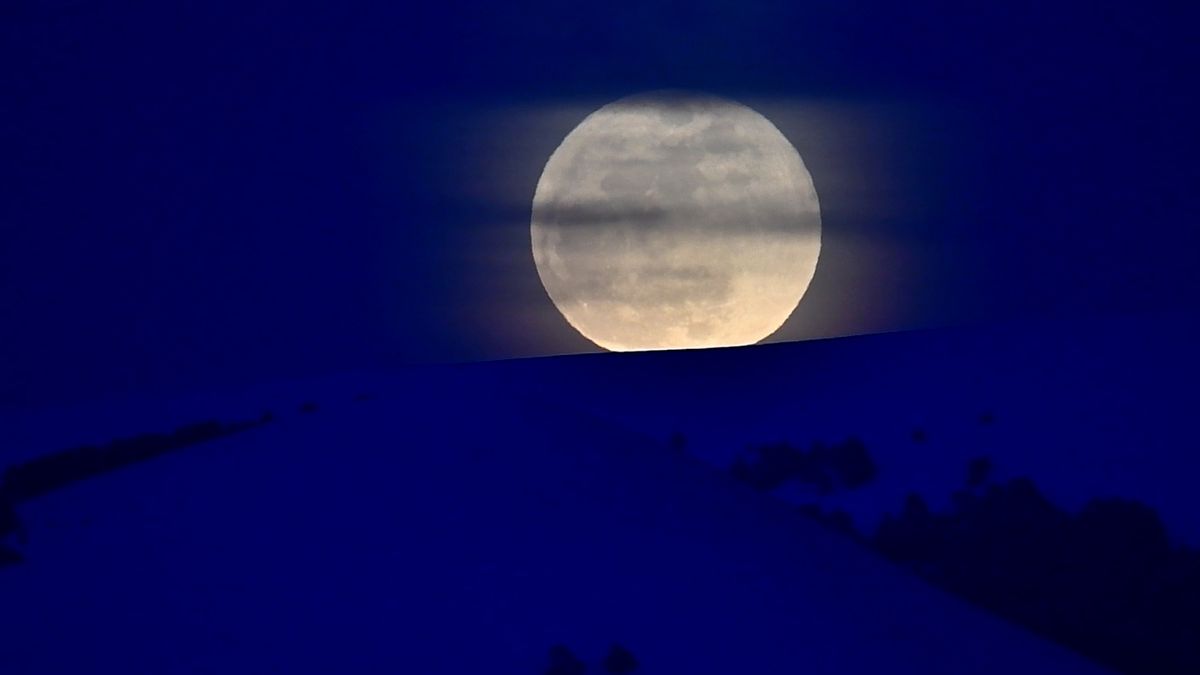
A rare "Blue Moon" takes to the eastern sky at sunset tonight! Here's what to expect from the second full moon of May 2026, as it rises close to the red star Antares in the constellation Scorpius.
When to see the Blue Moon
The Blue Moon reaches peak illumination at 4:45 a.m. EDT (0845 GMT) on May 31, as it sits opposite the sun in Earth's sky. Viewers in the U.S. will get their first glimpse of the full moon as it rises above the eastern horizon around sunset on May 30. You can check exact timings for your location using Time and Date's moonrise tracker.
Look out for the red light of the supergiant star Antares glowing close to the lower left of the moon. At the same time, Jupiter, Venus and Mercury team up to form a line above the western horizon in the glow of the setting sun.
What is a Blue Moon?
Celestron UpClose G2 10x50

For around $50 you can grab these beginner binoculars for better views of craters and seas on the lunar surface. 10x is enough for a closer look without worrying about excessive shakes during handheld observation.
_
Celestron UpClose G2 10x50 review
Exciting name aside, you shouldn't expect the Blue Moon to undergo any dramatic transformations in color this weekend — other than the mesmerizing orange-red hues seen around moonrise and moonset, as its light passes through the densest part of Earth's atmosphere.
Instead, we use the term "Blue Moon" to describe the second full moon that rises in a single calendar month. This rare event occurs roughly once every 2.5 years, as a result of the difference in time between a month of the Gregorian calendar and the 29.5 days it takes the moon to cycle through its first quarter, full, third quarter and new moon phases.
You may also like: How to catch the perfect moonrise — just in time for the Blue Moon show on May 30.
To make things a little more complicated, Blue Moon is also the nickname given to the third full moon in a single season featuring four full moons — though this definition doesn't apply for the May 31 event.
Interested in capturing stunning photos of the moon? Then read our guide detailing how to capture the lunar disk, along with our roundups of the best cameras and lenses for photographing the night sky.
Editor's Note: If you would like to share photography of the full Blue Moon with Space.com's readers, then please send your image(s) and comments, along with your name and location to [email protected].























/https%3A%2F%2Fsportsmole-media-prod.s3.gra.io.cloud.ovh.net%2Fuploads%2F2026%2F05%2Fimago1077546153-2-6a0b8bbf76f8f531157643.jpg)

 Bengali (BD) ·
  English (US) ·