.png)
 1 day ago
19
1 day ago
19
Taiwanese actor Wang Kai, born Wang Chien-lung, died at the age of 43, leaving behind a television career closely tied to the golden years of Taiwanese idol dramas. He was found dead at a residence in Taipei’s Da’an District on July 26, 2026. He was 43. Police found him unresponsive inside a rooftop addition, and their initial investigation reported no external injuries or evidence of forced entry. His exact cause of death remained undetermined as of July 29, so reports attributing it to a specific medical condition should be treated as unconfirmed. Focus Taiwan reported that Wang had finished filming Bittersweet Destiny at approximately 5 p.m. on July 25 and had been expected back on set the following day.
The list below combines three television series, one theatrical movie, and one television film. Each position considers the quality and popularity of the production, the prominence of Wang’s character, and the performance’s lasting relevance to his career.
5 Go! Go! G-Boys (2006)
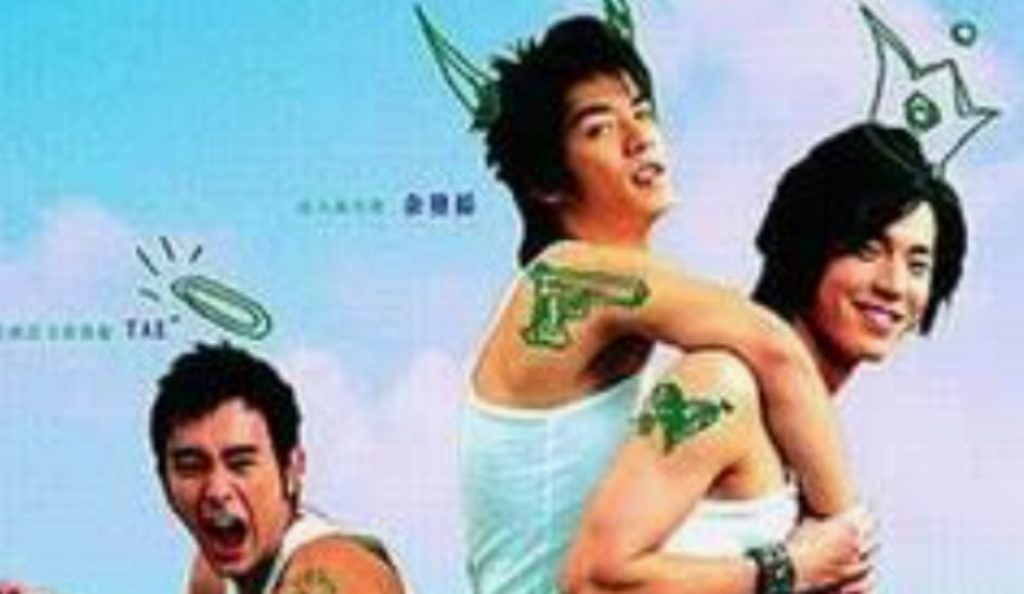 Go! Go! G-Boys | Credit: Ski Digi Entertainment
Scorecard: 5.5/10 on IMDb via JustWatch
Go! Go! G-Boys earns fifth place as Wang’s verified theatrical movie credit, although anyone expecting him to lead the comedy should lower those expectations before pressing play. Wang appears briefly as a man in a laundromat, a cameo rather than a substantial supporting performance. His filmography and the cameo are recorded by DramaWiki and Taiwanese cast listings.
The movie follows two longtime friends whose lives become entangled with a gay beauty contest offering a large cash prize. A police officer also enters the competition while investigating a threat against the event. Taiwan Cinema identifies it as an 80-minute feature directed by Yu Jong-jong and released theatrically in 2006.
Why it ranks fifth: This movie corrects the idea that Wang worked exclusively on television, but a cameo in a poorly rated comedy cannot compete with the fuller characters he received elsewhere.
4 ToGetHer (2009)
 ToGetHer | Credit: Comic International Productions
Scorecard: IMDb: N/A | Douban: 5.8/10
ToGetHer, also released under titles such as Superstar Express and Together, pairs Rainie Yang with Jiro Wang in a romantic comedy about a declining celebrity forced into an awkward domestic arrangement with an introverted university student.
Wang plays Ben, the younger artist promoted by MARS’ management company after the once-popular star’s career begins faltering. Ben resents MARS and benefits directly from his professional decline, giving Wang a less sympathetic part than the affectionate second leads associated with his earlier career. The role is not large, but it lets him bring a sharper edge to the familiar entertainment-industry rivalry. His casting and Ben’s relationship with MARS are documented in the show’s production records and official home-video synopsis.
Why it ranks fourth: The production had considerable regional reach, and Ben gave Wang an enjoyable antagonistic part.
3 Sun After the Rain (2014)
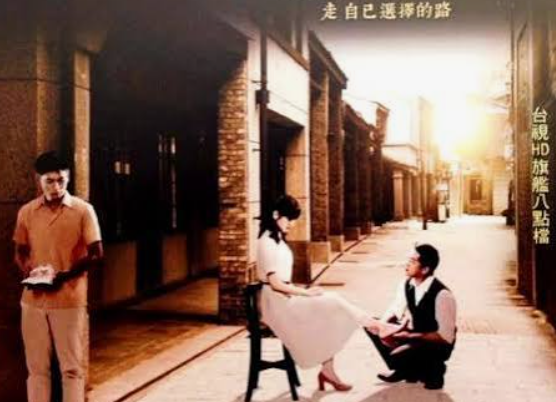 Sun After the Rain | Credit: Genius Communicating Co
Scorecard: IMDb: No rating displayed | Rotten Tomatoes: No listing
Sun After the Rain gave Wang sustained material across 56 episodes, which makes it a more substantial acting credit than several recognizable idol dramas where he appeared only briefly. IMDb lists him as Wang Tien-Pao throughout the series. The period drama follows a family involved in Taiwan’s traditional shoemaking industry. Its larger ensemble deals with commercial rivalry, romantic complications, generational resentment, and the pressure of protecting a family trade during a changing economic period.
Wang’s long involvement matters more here than a flashy entrance or a memorable guest turn. Tien-Pao allowed him to participate in an extended family narrative, and viewers could watch the character’s relationships develop over dozens of episodes. That kind of role asks for consistency, especially in a production where emotional conflicts must remain credible across months of broadcasting.
Western review aggregators do not list the drama, and its distributor has not released a verified global view count. Netflix maintains a catalog page, although access depends on the viewer’s country.
Why it ranks third: Its length, decorated production, and sizeable role make it a meaningful later-career credit.
2 The Pawnshop No. 8 (2003)
 The Pawnshop No. 8 | Credit: TransWorld Production Co.
Scorecard: IMDb: No published score | 8.2/10 on Douban
The Pawnshop No. 8 is the strongest-rated production in this ranking. Adapted from Zita Law’s novel, the fantasy drama revolves around a supernatural establishment that can fulfil almost any desire in exchange for something of equal personal value, including memories, emotions, intelligence, or a human soul.
Wang plays Peter, a bartender who grew up alongside Sun Zhuo and remains devoted to her. Peter is warm, dependable, and comparatively grounded inside a series filled with demonic contracts and people surrendering pieces of themselves for temporary rewards. Wang does not dominate the 116-episode saga, but his restrained presence offers relief from its more extravagant tragedies.
Why it ranks second: This is the finest overall production among Wang’s major credits, and Peter remains fondly remembered despite being a supporting character. It misses first place because another role had a much greater influence on Wang’s individual career.
1 Lavender (2001)
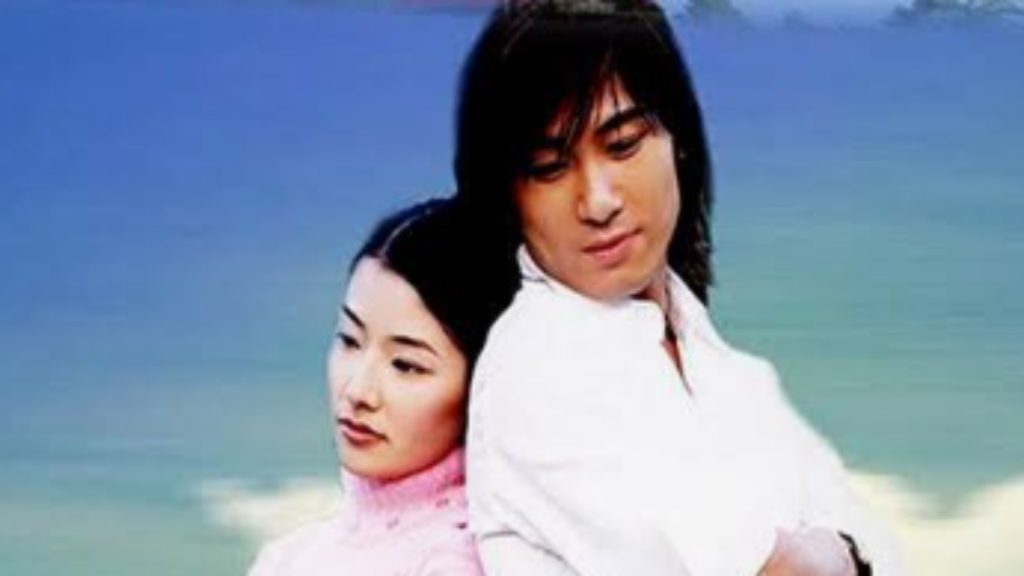 Lavender | Credit: SETTV
Scorecard: 6.7/10 on IMDb | Reported original ratings above 4
Lavender is the unavoidable number one because Tong Wei-sheng turned Wang from a new actor into a recognisable face of Taiwanese television.
The romantic drama follows Liang Yi-xun and her childhood love Ji Qingchuan, who promise to reunite after he moves abroad. Illness, fame, jealousy, and years of separation complicate that promise. Wang’s Wei-sheng, commonly called Xiao Tong, becomes the compassionate second lead who loves Yi-xun while knowing that her heart remains tied to someone else.
That type of character can become exhausting when he exists only to lose gracefully, but Wang made Wei-sheng sunny, protective, and sincere without pushing him into self-pity. Contemporary character descriptions remember him as an optimistic ranch heir willing to devote his life to Yi-xun. It is easy to understand why many viewers remember Xiao Tong more vividly than entire dramas from the same period.
Why it ranks first: The Pawnshop No. 8 may be the better-rated series, but Lavender gave Wang his defining performance. Any career ranking that placed Tong Wei-sheng below one of his later supporting parts would misunderstand why audiences remembered him.
Would you rank The Pawnshop No. 8 above it on quality alone, or does a career-defining performance deserve the crown? Share your ranking below, and follow FandomWire for more Asian television retrospectives.






















/https%3A%2F%2Fsportsmole-media-prod.s3.gra.io.cloud.ovh.net%2Fuploads%2F2026%2F07%2Fwc26-stencil-generic-1-player-email-6a5efced3be22784676779.jpg)
 Bengali (BD) ·
  English (US) ·