.png)
 1 hour ago
7
1 hour ago
7
Article content
OTTAWA — A free-market think tank is calling on Canadian policymakers to turn the other cheek as the United States ramps up its cross-border tariffs.

THIS CONTENT IS RESERVED FOR SUBSCRIBERS
Enjoy the latest local, national and international news.
- Exclusive articles by Conrad Black, Barbara Kay and others. Plus, special edition NP Platformed and First Reading newsletters and virtual events.
- Unlimited online access to National Post.
- National Post ePaper, an electronic replica of the print edition to view on any device, share and comment on.
- Daily puzzles including the New York Times Crossword.
- Support local journalism.
SUBSCRIBE FOR MORE ARTICLES
Enjoy the latest local, national and international news.
- Exclusive articles by Conrad Black, Barbara Kay and others. Plus, special edition NP Platformed and First Reading newsletters and virtual events.
- Unlimited online access to National Post.
- National Post ePaper, an electronic replica of the print edition to view on any device, share and comment on.
- Daily puzzles including the New York Times Crossword.
- Support local journalism.
REGISTER / SIGN IN TO UNLOCK MORE ARTICLES
Create an account or sign in to continue with your reading experience.
- Access articles from across Canada with one account.
- Share your thoughts and join the conversation in the comments.
- Enjoy additional articles per month.
- Get email updates from your favourite authors.
THIS ARTICLE IS FREE TO READ REGISTER TO UNLOCK.
Create an account or sign in to continue with your reading experience.
- Access articles from across Canada with one account
- Share your thoughts and join the conversation in the comments
- Enjoy additional articles per month
- Get email updates from your favourite authors
Sign In or Create an Account
or
Article content
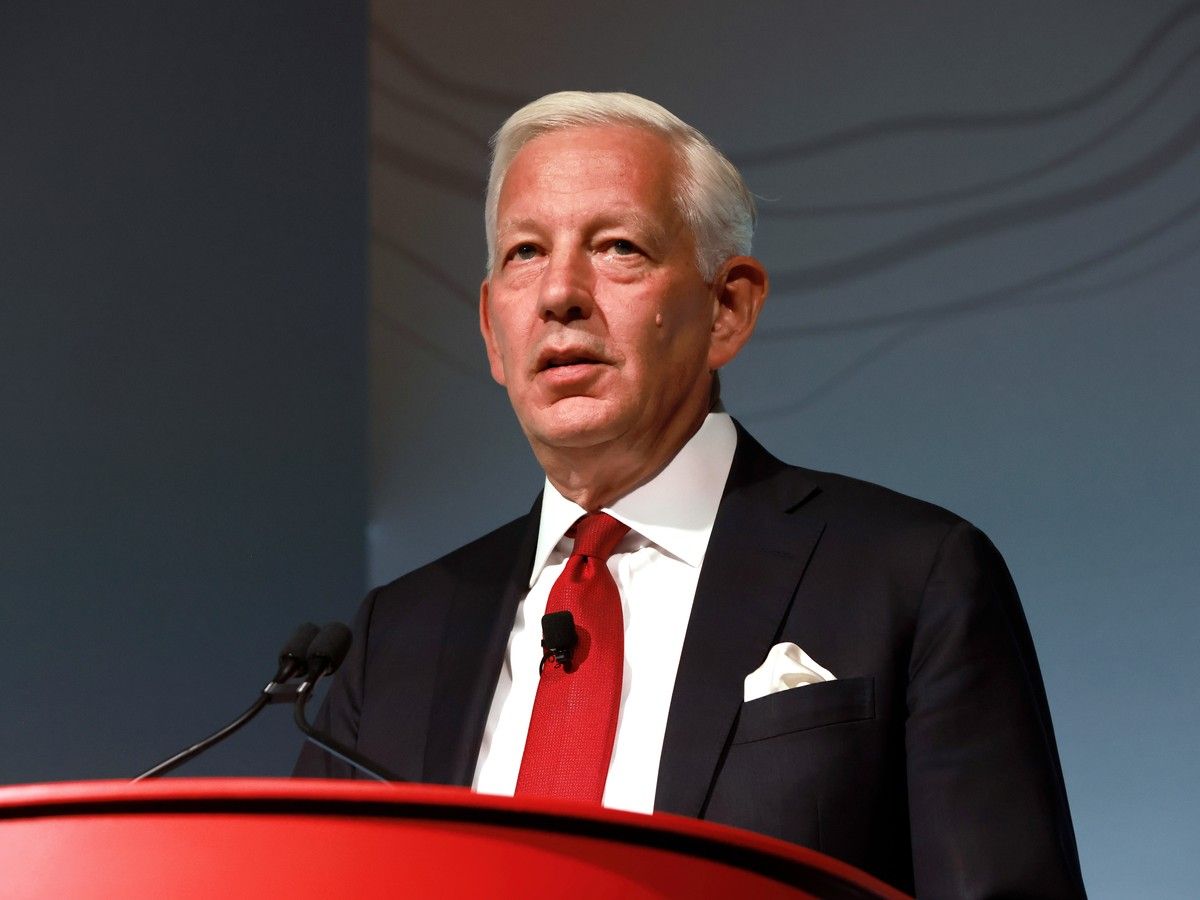
“When you’re in a trade impasse like the one we’re in with the U.S., what works is being able to outlast the other guy,” said Vincent Geloso, a senior economist at the Montreal Economic Institute and the author of a new research note on the ineffectiveness of counter-tariffs.
Article content
Article content
Article content
“Eventually, there’ll be an opportunity to act at the right time in the right way,” said Geloso.
Article content
By signing up you consent to receive the above newsletter from Postmedia Network Inc.
Article content
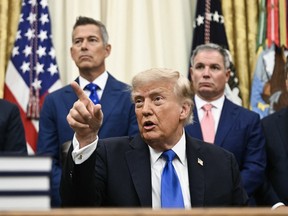
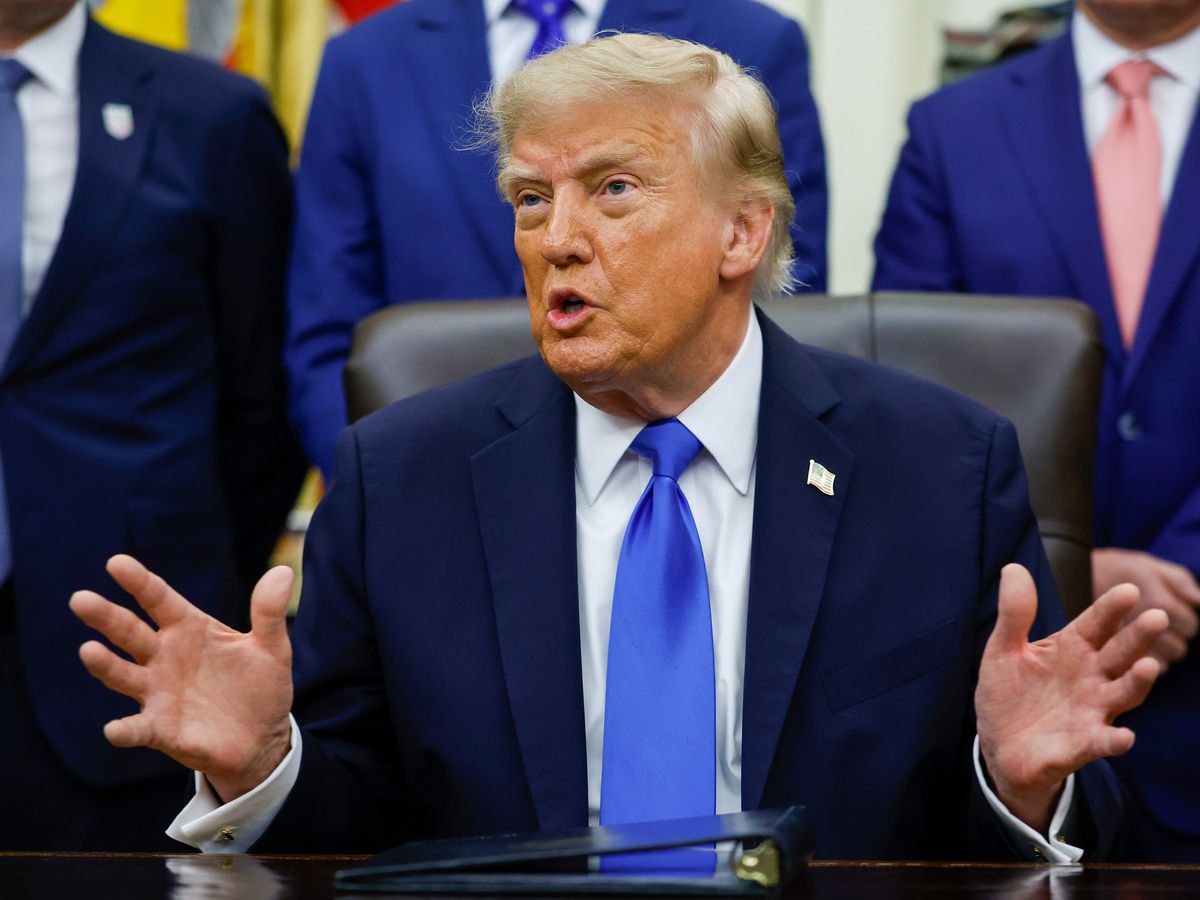
The Carney government has been scrambling to respond to U.S. President Donald Trump’s use of Section 338 of the Tariff Act of 1930 to put 50 per cent tariffs on a host of Canadian goods. The tariffs took effect on Aug. 22, after last-minute trade talks collapsed.
Article content
Last week, Prime Minister Mark Carney announced counter-tariffs on $27.6 billion worth of imports from the U.S., which are set to take effect on Sept. 8.
Article content
But Geloso says that Carney would be smart to learn from Canada’s response to the U.S.’s first use of the Tariff Act during the Great Depression.
Article content
“In the ’30s we did counter-tariffs. We actually did two rounds of retaliation, (both) of which did absolutely nothing,” said Geloso.
Article content
The U.S. raised tariffs by an average of 20 per cent on more than 800 Canadian products under the 1930 Tariff Act, prompting retaliation from Liberal prime minister Mackenzie King and his Conservative successor R.B. Bennett. Bennett was especially aggressive in his response, putting matching counter-tariffs on roughly 30 per cent of U.S. exports to Canada.
Article content
Article content
Geloso says that these measures had no perceptible effect on the American economy or the direction of U.S. trade policy. However, they did substantial harm to Canada’s economy.
Article content
Article content
He estimates that falling prices for goods Canada sold to other countries caused about half of Canada’s losses during the Great Depression, with counter-tariffs being a key driver of this effect.
Article content
Geloso said that what ultimately resolved the impasse was a change in government in the U.S., with Democrat Franklin Delano Roosevelt winning a massive mandate in the 1932 presidential election. He added that Roosevelt demonstrated his commitment to open markets by naming free-trade evangelist Cordell Hull his first secretary of state.
Article content
“Naming Cordell Hull in that position was about as radical of a pro-free trade signal (Roosevelt) could have sent at the time,” said Geloso.
Article content
The Roosevelt government quickly restored cross-border trade relations, signing a reciprocal trade agreement with Canada in 1935.
Article content
Geloso admits that the situation is somewhat different this time around, with Canada facing punitive, targeted cross-border tariffs, rather than ones the U.S. has broadly applied to all its trade partners. Section 338 has never before been invoked in the Tariff Act’s 96-year history.
























 Bengali (BD) ·
  English (US) ·