.png)
 1 hour ago
7
Los Angeles officials warn they cannot verify voter citizenship
First Assistant U.S. Attorney Bill Essayli examines the growing dispute over voter eligibility verification in California. Los Angeles County election officials acknowledge they lack the resources to verify the citizenship status of registered voters, and Essayli argues this loophole undermines election integrity and demands immediate state action to secure the voting process.
NEWYou can now listen to Fox News articles!
The U.S. Supreme Court on Thursday allowed New Hampshire officials to reject student IDs as a valid form of identification when voters cast their ballots in next month's midterm elections.
A lower court judge previously found that state officials had improperly gone further than a new law restricting the use of student IDs to obtain a ballot, ruling that officials still had to consider student IDs alongside other evidence when voters lacked other means of verifying their identity.
But the Supreme Court took issue with the judge intervening this close to the elections.
ARIZONA VOTER LAW FIGHT REACHES SCOTUS AS ELECTION GROUPS WARN ‘ABSURD’ CONSEQUENCE COULD ENSUE
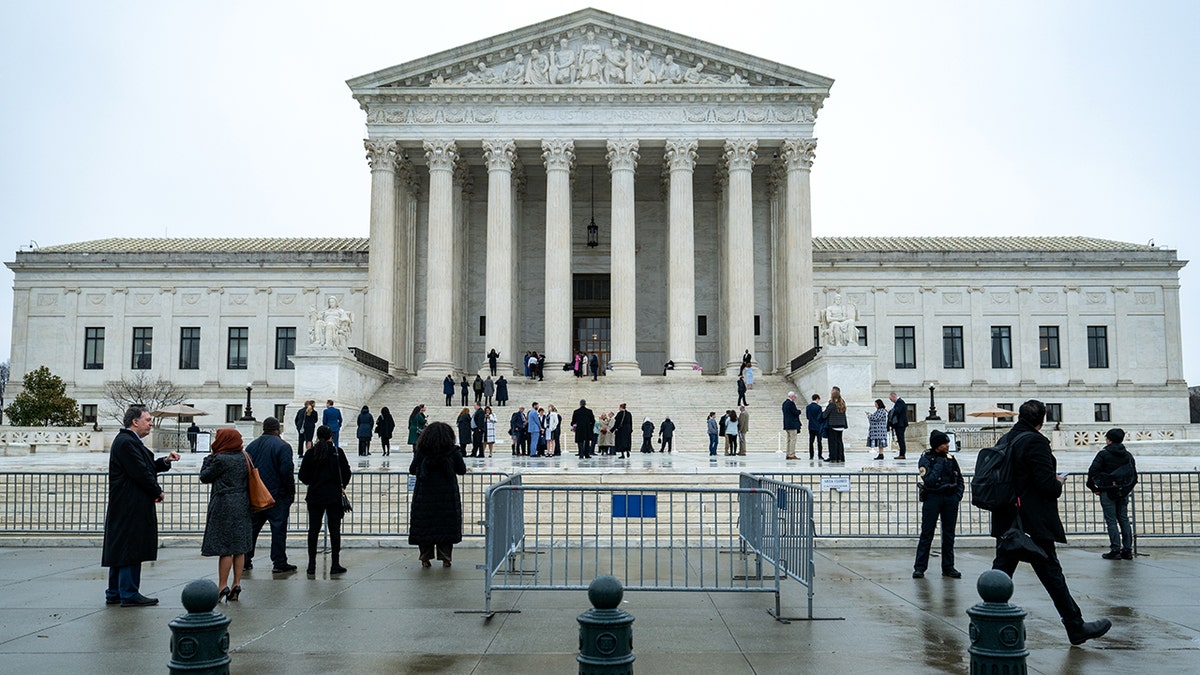
The U.S. Supreme Court allowed New Hampshire officials to reject student IDs as a valid form of identification when voters cast their ballots. (Annabelle Gordon/Bloomberg via Getty Images)
The high court has said orders handed down too close to an election can cause voter confusion, an idea known as the Purcell principle. The court cited the recent legal back-and-forth over Missouri’s redistricting maps.
"Here, the District Court did not point to anything that would justify deviating from that principle," the majority wrote in its opinion.
Justice Ketanji Brown Jackson dissented, saying the rule did not apply since the lower court judge was helping ensure the public received accurate information.
JACKSON RIPS INTO SUPREME COURT COLLEAGUES' 'SERIOUS LEGAL ERROR' ON TRUMP MAIL-IN VOTING ORDER

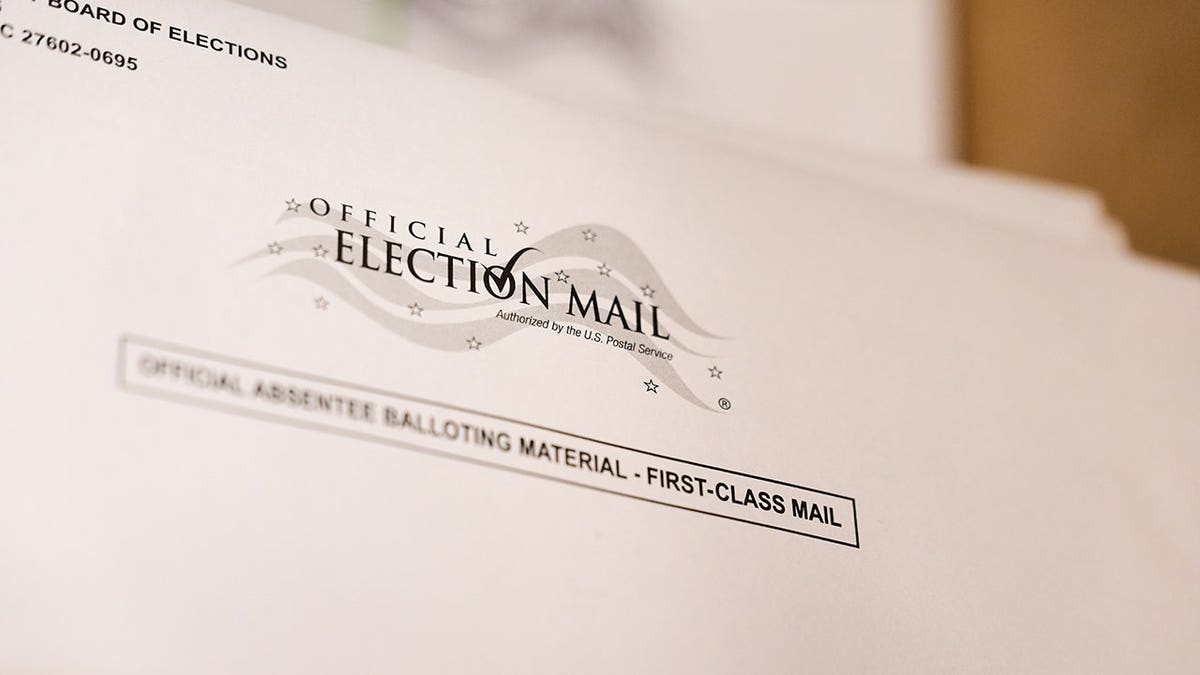
The high court has said orders handed down too close to an election can cause voter confusion. (Graeme Sloan for The Washington Post/Getty Images)
"When a federal court determines that material misrepresentations are being made about a State’s election rules, an injunction to prohibit that conduct does not contribute to public confusion, it prevents that very problem," Jackson wrote. "I would not disturb a clearly justifiable federal-court order issued to ensure that the public receives accurate information about a State’s electoral processes," she wrote.
This comes after Gov. Kelly Ayotte signed House Bill 323 into law in April, removing student IDs from the list of identification expressly considered valid for obtaining a ballot. The law took effect June 2. After the law went into effect, New Hampshire Secretary of State David Scanlan issued guidance to election officials about the change, and multiple trainings were held.
"New Hampshire has a responsibility to protect the integrity of its elections and ensure that election laws are applied as written," New Hampshire Attorney General John Formella, a Republican, said in a statement.
Justice Ketanji Brown Jackson dissented, saying the rule did not apply since the lower court judge was helping ensure the public received accurate information. (AP Photo/Matt Ramey)
CLICK HERE TO DOWNLOAD THE FOX NEWS APP
"The Supreme Court’s decision is an important victory for our efforts to defend those laws and prevent last-minute court orders from creating uncertainty for voters and election officials. We will continue to defend New Hampshire’s election laws and the safeguards they provide," he continued.
The Supreme Court's decision was not a final ruling on the merits of the case, and the underlying litigation over the law remains ongoing.



















 Bengali (BD) ·
 English (US) ·