.png)
 59 minutes ago
6
59 minutes ago
6
Article content
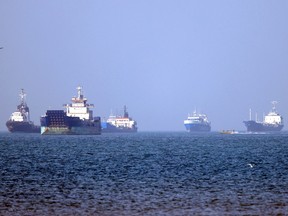
Shipowners are increasingly optimistic about a pickup in traffic through the Strait of Hormuz after more vessels left the waterway this week with the US providing information to aid those making the journey.

THIS CONTENT IS RESERVED FOR SUBSCRIBERS
Enjoy the latest local, national and international news.
- Exclusive articles by Conrad Black, Barbara Kay and others. Plus, special edition NP Platformed and First Reading newsletters and virtual events.
- Unlimited online access to National Post.
- National Post ePaper, an electronic replica of the print edition to view on any device, share and comment on.
- Daily puzzles including the New York Times Crossword.
- Support local journalism.
SUBSCRIBE FOR MORE ARTICLES
Enjoy the latest local, national and international news.
- Exclusive articles by Conrad Black, Barbara Kay and others. Plus, special edition NP Platformed and First Reading newsletters and virtual events.
- Unlimited online access to National Post.
- National Post ePaper, an electronic replica of the print edition to view on any device, share and comment on.
- Daily puzzles including the New York Times Crossword.
- Support local journalism.
REGISTER / SIGN IN TO UNLOCK MORE ARTICLES
Create an account or sign in to continue with your reading experience.
- Access articles from across Canada with one account.
- Share your thoughts and join the conversation in the comments.
- Enjoy additional articles per month.
- Get email updates from your favourite authors.
THIS ARTICLE IS FREE TO READ REGISTER TO UNLOCK.
Create an account or sign in to continue with your reading experience.
- Access articles from across Canada with one account
- Share your thoughts and join the conversation in the comments
- Enjoy additional articles per month
- Get email updates from your favourite authors
Sign In or Create an Account
or
Article content
At least two shipowners, who asked not to be identified discussing sensitive information, said they were in touch with American military forces, which advised them on how best to navigate the waterway. A spokesperson for the U.S. Central Command said U.S. military assets aren’t escorting ships, but the command continues to provide advice to commercial vessels in the region.
Article content
Article content
Article content
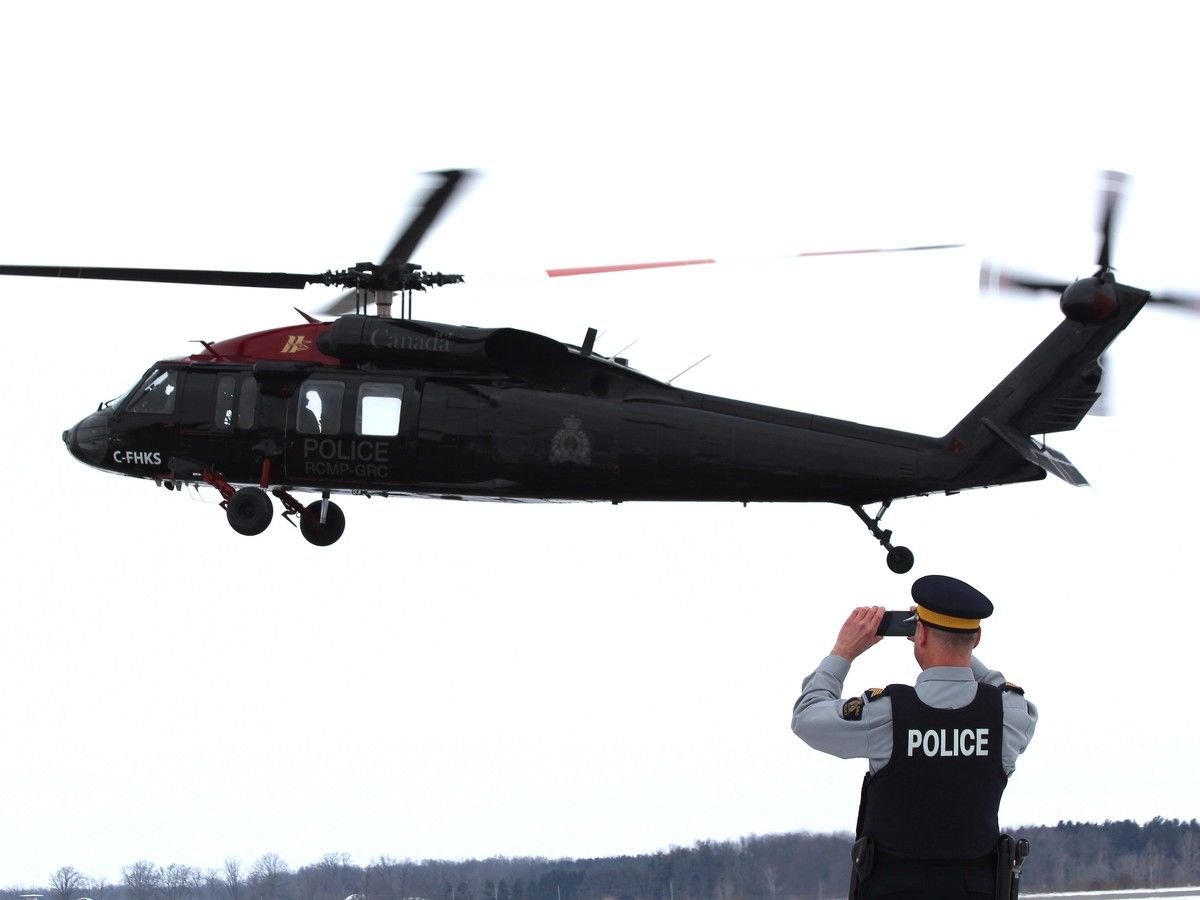
One person with knowledge of a transit said a group of vessels was approached by suspected Iranian fast boats during the journey. The boats were turned away by helicopters that suddenly appeared nearby, allowing the person’s vessel to continue away from Hormuz, they said.
Article content
By signing up you consent to receive the above newsletter from Postmedia Network Inc.
Article content
Chevron Corp. Chief Executive Officer Mike Wirth told Bloomberg TV on Friday that some vessels transiting Hormuz have recently come under attack. On the same day, the US affirmed that deals with Iran to safely sail through the Strait of Hormuz — even those which don’t involve paying a toll — are prohibited.
Article content
Some of the ships that have crossed belong to companies that hadn’t transited Hormuz since the war began, according to several people involved in shipping markets. Two people said some ships were entering the Persian Gulf as well as leaving.
Article content
If sustained, the increase in transits could signal that more shipping companies are willing to make the journey, boosting the flow of everything from oil and gas to consumer goods. Until now, transits had largely been limited to vessels operating under bilateral government arrangements or owned by the small group of more-daring shipping executives willing to accept the risks of sailing through Hormuz.
Article content
Article content
Regional countries, including the state oil company of the United Arab Emirates, have also sent ships through, while Qatar is quietly exporting liquefied natural gas to key buyers.
Article content
Article content
Some of the vessels that crossed in recent days did so with their satellite transponders switched off and have yet to turn them back on. It’s a sign that conventional vessel-tracking methods may understate how many vessels are making the voyage.
Article content
Ship-tracking data show that at least a quarter of the non-Iranian ships stranded in Hormuz since the conflict began have made their way out.
Article content
The White House has repeatedly sent conflicting messages on the prospects for a deal with Iran, a pattern that continued on Friday. A fresh agreement between the two nations could potentially open the door for a broader reopening of shipping through Hormuz.
Article content
Owners privately said they hope the agreement would allow for a resumption of Hormuz flows, but that uncertainty remained until its full details were known. Some said that until that agreement was reached, while it might be possible to get vessels out of Hormuz, many owners would remain reluctant to enter.

























/https%3A%2F%2Fsportsmole-media-prod.s3.gra.io.cloud.ovh.net%2Fuploads%2F2026%2F05%2Fimago1077546153-2-6a0b8bbf76f8f531157643.jpg)

 Bengali (BD) ·
  English (US) ·