.png)
 16 hours ago
13
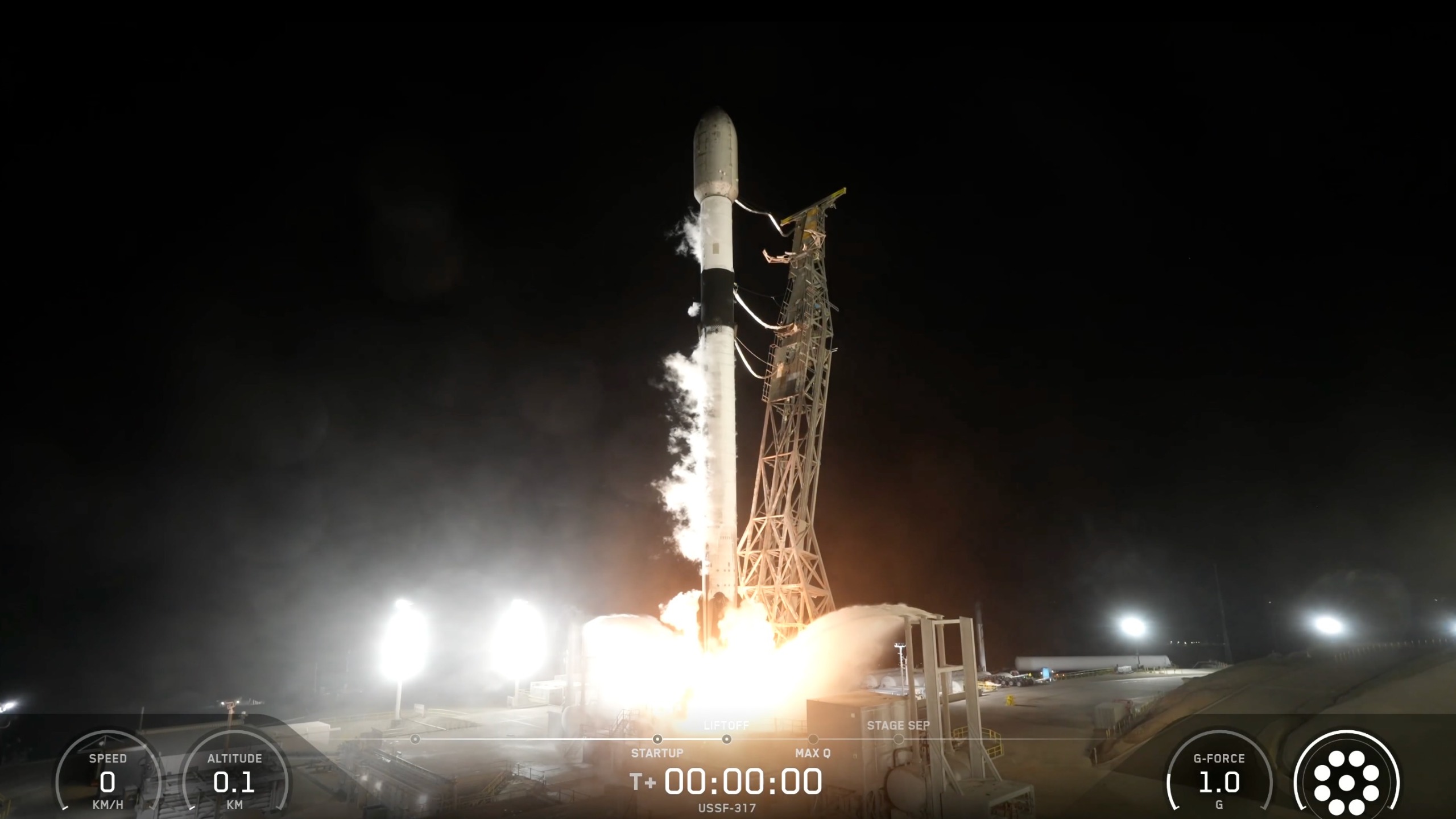
SpaceX launched a classified mission for the U.S. Space Force tonight (Nov. 20), sending a mystery payload to orbit from California's central coast.
A Falcon 9 rocket lifted off from Vandenberg Space Force Base tonight at 11:20 p.m. EST (8:20 p.m. local California time; 0420 GMT on Nov. 21), on a Space Force mission called USSF-317.
The Falcon 9's first stage came back to Earth about 8.5 minutes later, touching down in the Pacific Ocean atop the SpaceX drone ship "Of Course I Still Love You." It was the 11th launch and landing for this booster, which is designated B1100.
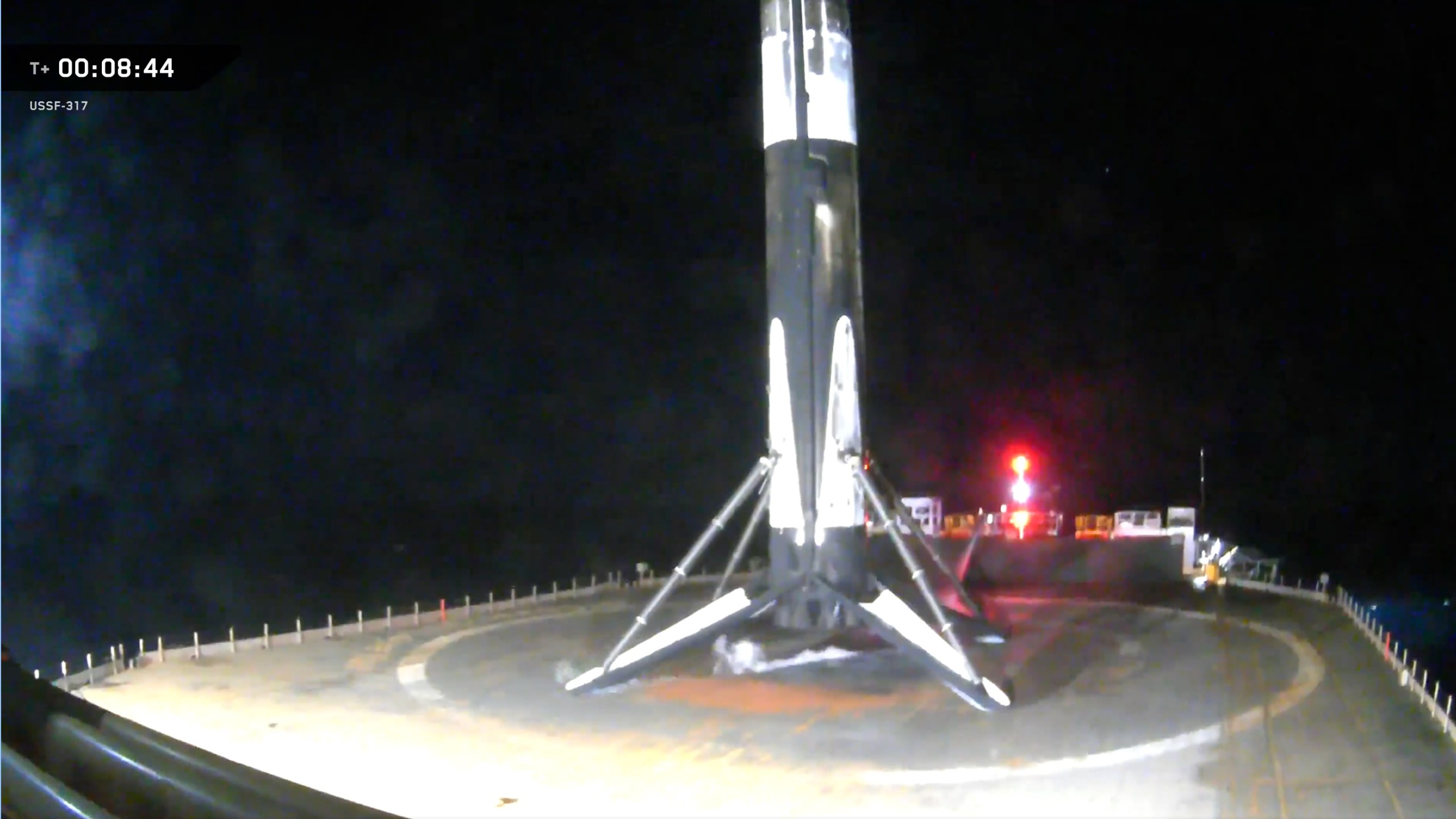
SpaceX ended its launch webcast just after that touchdown, so we didn't get to see the Falcon 9's upper stage power its way to orbit.
USSF-317 is a classified mission, so we don't know what the upper stage is carrying or where exactly it's headed. However, some experts think that USSF-317 may be hauling a batch of SpaceX's Starshield satellites to low Earth orbit (LEO) for the Space Force's Space Based Sensing and Targeting portfolio, which helps the military keep tabs on potential targets around the world.
USSF-317 was the 121st Falcon 9 launch of 2026 and the third mission that SpaceX has launched for the Space Force so far in November.
The vast majority of this year's Falcon 9 missions — about 70% of them — have been devoted to building out SpaceX's Starlink LEO internet constellation, which currently consists of more than 11,000 satellites.
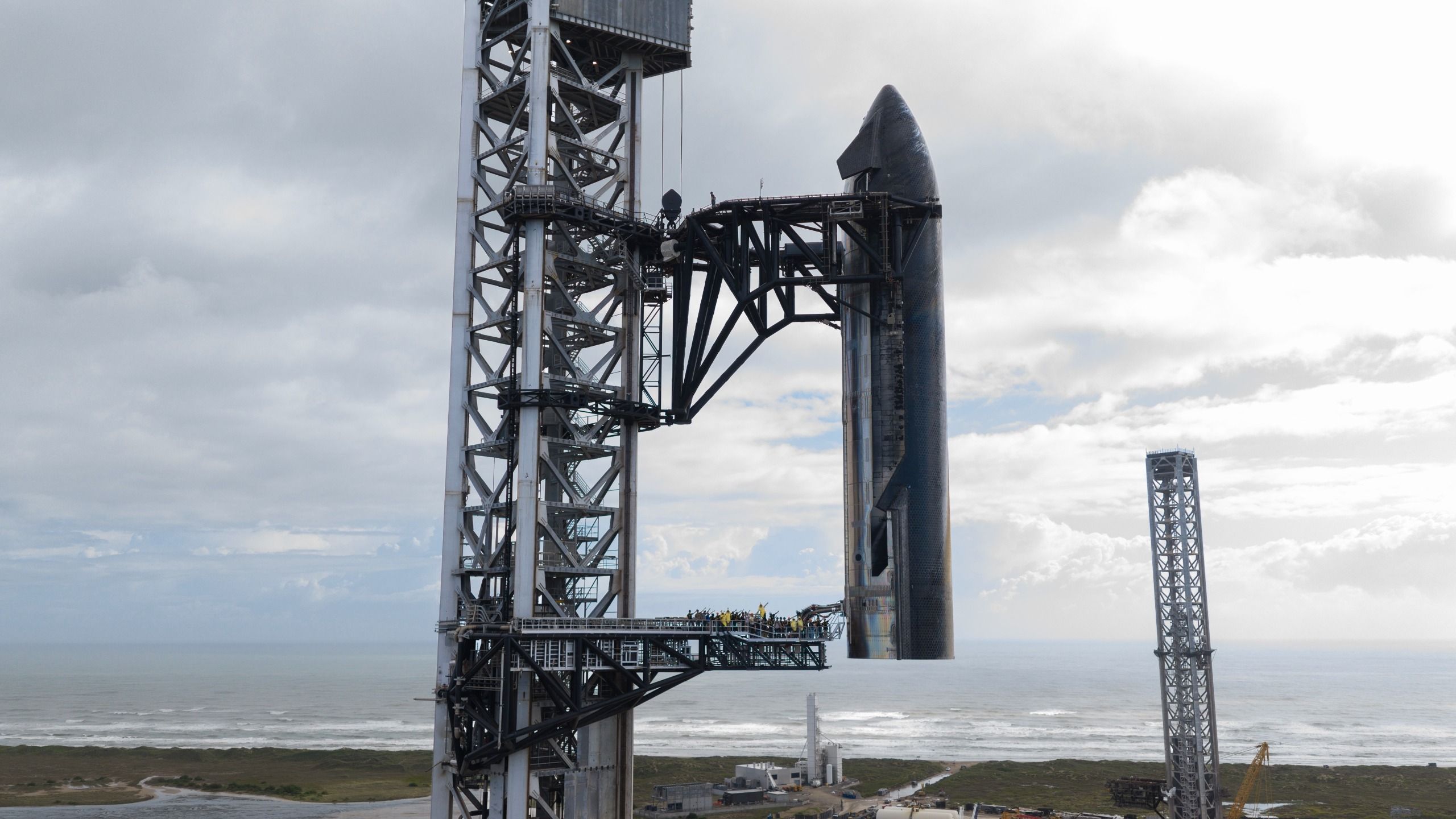
The Falcon 9 has been putting up incredible numbers lately — it flew a whopping 165 times in 2025, for example — but the workhorse rocket is on its way out. SpaceX plans to retire both it and the Falcon Heavy in favor of its fully reusable Starship megarocket, which deployed 26 of SpaceX's next-gen Starlink V3 satellites on its most recent two test flights.





















 Bengali (BD) ·
 English (US) ·