.png)
 1 week ago
38
1 week ago
38
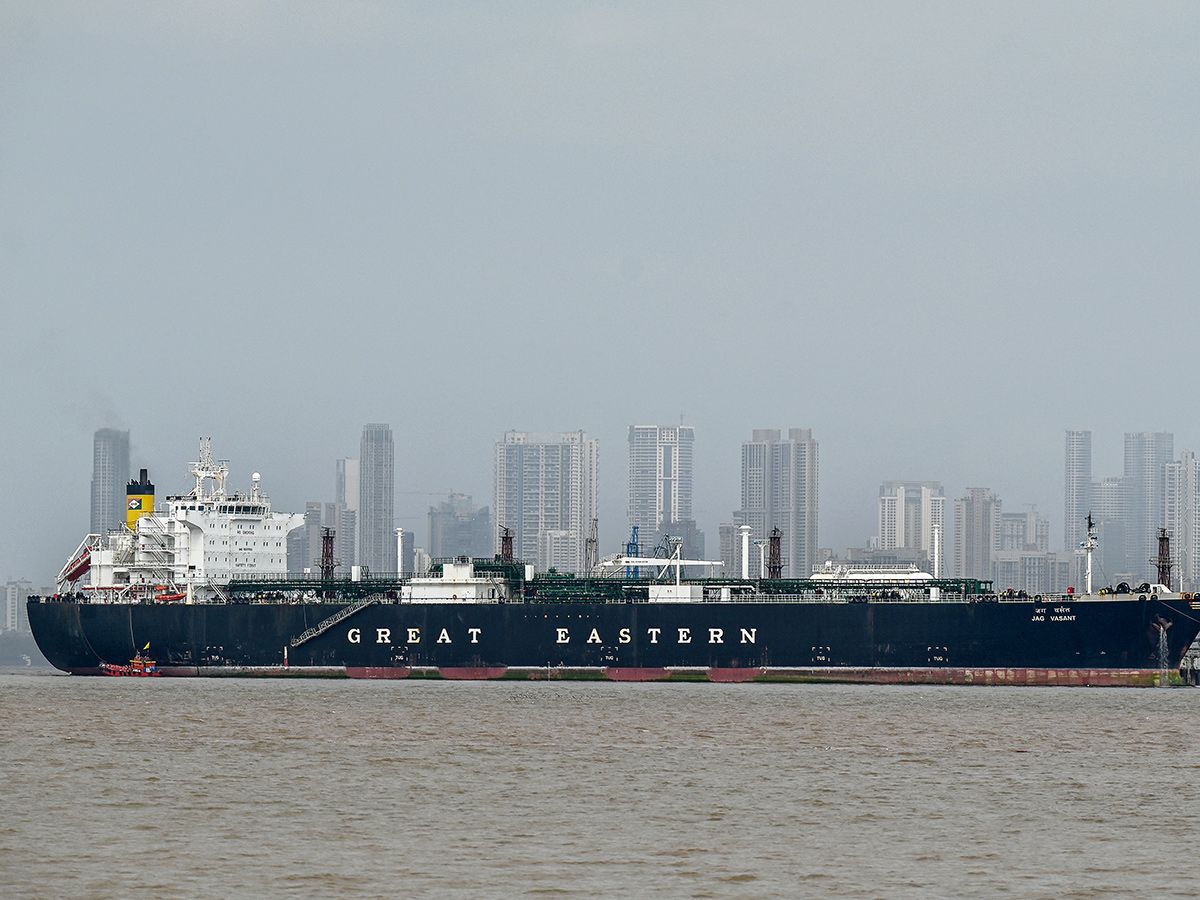
 This Indian-flagged tanker carrying liquefied petroleum gas that transited through the Strait of Hormuz amid the Iran war, remains docked at an offloading terminal along the coast in Mumbai. Photo by Punit PARANJPE/AFP via Getty Images/File
Article content
Shipowners are scrambling to understand the fine print in a ceasefire that could temporarily open up the Strait of Hormuz, hoping to take advantage of a potential window to extract more than 800 ships trapped in the Persian Gulf.

THIS CONTENT IS RESERVED FOR SUBSCRIBERS
Enjoy the latest local, national and international news.
- Exclusive articles by Conrad Black, Barbara Kay and others. Plus, special edition NP Platformed and First Reading newsletters and virtual events.
- Unlimited online access to National Post.
- National Post ePaper, an electronic replica of the print edition to view on any device, share and comment on.
- Daily puzzles including the New York Times Crossword.
- Support local journalism.
SUBSCRIBE FOR MORE ARTICLES
Enjoy the latest local, national and international news.
- Exclusive articles by Conrad Black, Barbara Kay and others. Plus, special edition NP Platformed and First Reading newsletters and virtual events.
- Unlimited online access to National Post.
- National Post ePaper, an electronic replica of the print edition to view on any device, share and comment on.
- Daily puzzles including the New York Times Crossword.
- Support local journalism.
REGISTER / SIGN IN TO UNLOCK MORE ARTICLES
Create an account or sign in to continue with your reading experience.
- Access articles from across Canada with one account.
- Share your thoughts and join the conversation in the comments.
- Enjoy additional articles per month.
- Get email updates from your favourite authors.
THIS ARTICLE IS FREE TO READ REGISTER TO UNLOCK.
Create an account or sign in to continue with your reading experience.
- Access articles from across Canada with one account
- Share your thoughts and join the conversation in the comments
- Enjoy additional articles per month
- Get email updates from your favourite authors
Sign In or Create an Account
or
Article content
The near-closure of the vital waterway for weeks has created an unprecedented global energy supply crunch, as Iran tightened its control in the aftermath of U.S. and Israeli strikes. Unable to guarantee the safety of thousands of seafarers and their cargoes after multiple attacks, vessels have instead been loitering on either side and traffic has slowed to a trickle.
Article content
Article content
Article content
Hours before a deadline set by U.S. President Donald Trump ran out, the two sides on Tuesday agreed a ceasefire in exchange for a reopening of the strait. Details remain murky, though: Iran says it has agreed to two weeks of safe passage in coordination with its armed forces and within “technical limitations”, while Trump announced a “COMPLETE, IMMEDIATE, and SAFE OPENING”. It is unclear if the two have settled on payments.
Article content
By signing up you consent to receive the above newsletter from Postmedia Network Inc.
Article content
For shipowners, however, the news has been enough to prompt cautious optimism. The Japanese Shipowners’ Association, a major industry group, was among those which said it would check the details of the U.S.-Iran agreement before relaying information.
Article content
Most, however, warned that more clarity would be required for ships to move, and even in the best case flows would take time to resume. In peacetime, some 135 ships transit daily, a figure that has shrunk dramatically.
Article content
“You don’t switch global shipping flows back on in 24 hours,” said Jennifer Parker, adjunct professor at the University of Western Australia Defence and Security Institute. “Tanker owners, insurers and crews need to believe the risk has actually reduced — not just paused.”
Article content
Article content
Ships that transport energy make up a large part of the fleet that’s stuck inside the gulf, data from Kpler show. There are currently 426 tankers hauling crude oil and clean fuels, plus 34 liquefied petroleum gas carriers and 19 liquefied natural gas vessels. The remainder are carrying dry commodities, like agricultural or metal products, and or containers.
Article content
Article content
According to an International Maritime Organization tally at end March, some 20,000 civilian seafarers are stuck onboard these ships and the other utility and support vessels. Those crew members have been facing dwindling supplies, fatigue and psychological stress, the United Nations agency warned.
Article content

Article content
Our website is the place for the latest breaking news, exclusive scoops, longreads and provocative commentary. Please bookmark nationalpost.com and sign up for our newsletters here.
Article content



























 Bengali (BD) ·
  English (US) ·