.png)
 2 hours ago
10
2 hours ago
10
Article content
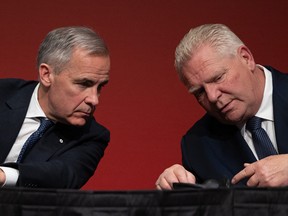
Ontario Premier Doug Ford was busy this week selling his version of free trade in the U.S., but he has some salesmanship to do back in Ontario, where a couple of transportation megaprojects face increasing public opposition.

THIS CONTENT IS RESERVED FOR SUBSCRIBERS
Enjoy the latest local, national and international news.
- Exclusive articles by Conrad Black, Barbara Kay and others. Plus, special edition NP Platformed and First Reading newsletters and virtual events.
- Unlimited online access to National Post.
- National Post ePaper, an electronic replica of the print edition to view on any device, share and comment on.
- Daily puzzles including the New York Times Crossword.
- Support local journalism.
SUBSCRIBE FOR MORE ARTICLES
Enjoy the latest local, national and international news.
- Exclusive articles by Conrad Black, Barbara Kay and others. Plus, special edition NP Platformed and First Reading newsletters and virtual events.
- Unlimited online access to National Post.
- National Post ePaper, an electronic replica of the print edition to view on any device, share and comment on.
- Daily puzzles including the New York Times Crossword.
- Support local journalism.
REGISTER / SIGN IN TO UNLOCK MORE ARTICLES
Create an account or sign in to continue with your reading experience.
- Access articles from across Canada with one account.
- Share your thoughts and join the conversation in the comments.
- Enjoy additional articles per month.
- Get email updates from your favourite authors.
THIS ARTICLE IS FREE TO READ REGISTER TO UNLOCK.
Create an account or sign in to continue with your reading experience.
- Access articles from across Canada with one account
- Share your thoughts and join the conversation in the comments
- Enjoy additional articles per month
- Get email updates from your favourite authors
Sign In or Create an Account
or
Article content
In one case, Ford needs to convince the public that his ambitious plan to expand Toronto’s Billy Bishop airport makes sense.
Article content
Article content
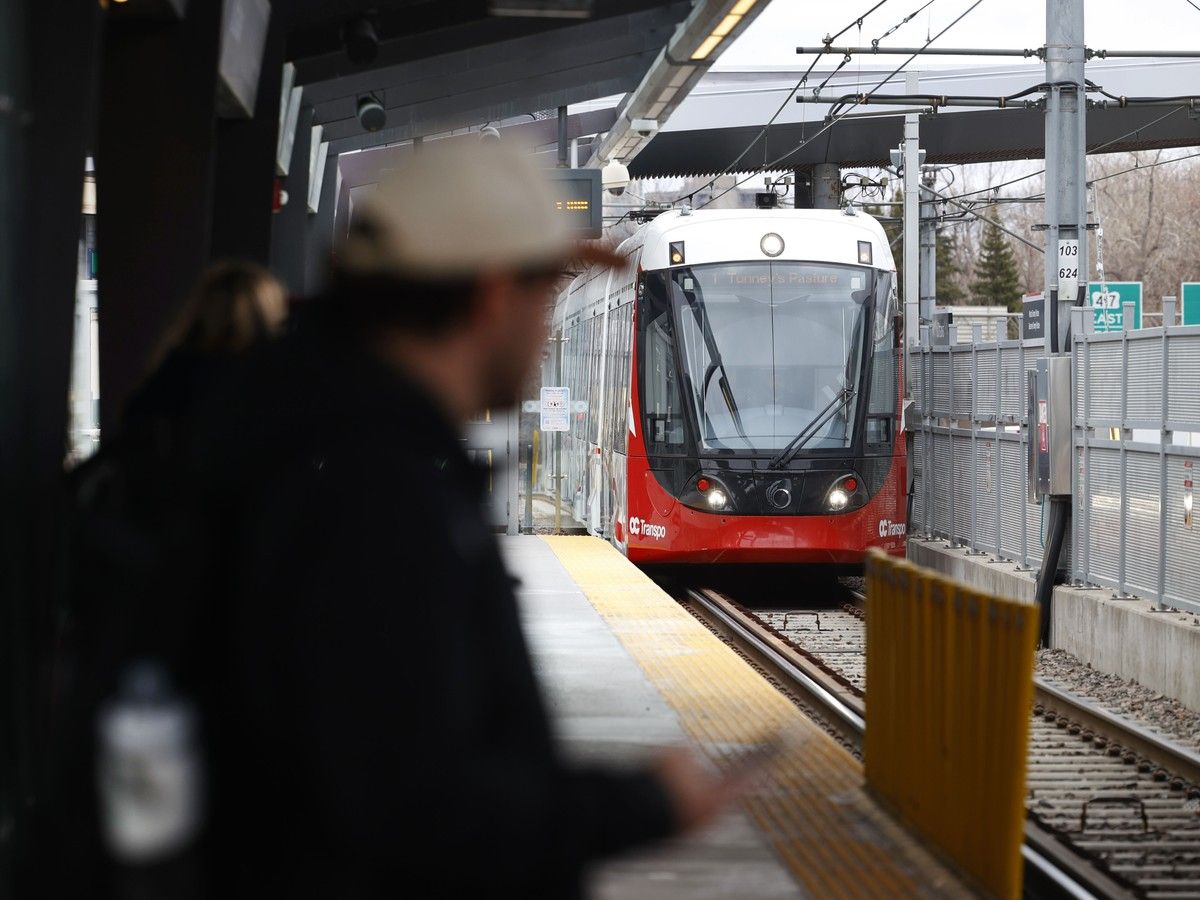
In the other, he should urge Prime Minister Mark Carney to listen to the concerns of rural Ontarians who fear that Carney’s Alto high-speed rail project will cut a swathe of destruction through their communities.
Article content
Article content
In Toronto, a coalition of 28 civic and business leaders are urging a “reality check” on the impacts of Ford’s airport plan.
Article content
By signing up you consent to receive the above newsletter from Postmedia Network Inc.
Article content
And on Wednesday, nearly 1,000 people, including farmers, citizens’ groups, and rural and federal politicians, demonstrated on Parliament Hill, expressing their concerns about expropriation of land in their regions to build the Alto project.
Article content

Article content
When it comes to major infrastructure projects, Ford and Carney share the same approach: build big, build fast, and don’t slow down for anyone. Both projects feel like the thinking behind them was “Sounds great. Let’s do it.”
Article content
In their haste, the two leaders have largely skipped the part where they explain why the project makes sense, after weighing the drawbacks against the advantages.
Article content
Ford has said he backs high-speed rail, but would prefer it used existing transportation routes; Carney has said he hasn’t decided whether to back Ford’s airport plan, yet. But neither project has anything resembling a feasibility study or a business case, at least one released to the public. Lacking those basic elements, how could anyone determine whether the ideas are good or not?
Article content
Article content
Even allowing for a degree of NIMBYism, the prominent Torontonians questioning the airport plan make a perfectly reasonable point, saying the expansion shouldn’t go ahead until the public has been consulted on a detailed plan.
Article content
Article content
It’s easy to see why people would support easier air access into downtown Toronto, but more difficult to imagine how the Billy Bishop expansion would work. The government envisions an airport capable of serving 10 million passengers a year, five times what it handles now. The Billy Bishop site is only 200 acres. By contrast, Pearson International handles 47 million passengers annually on a 4,613-acre site.
Article content
Put in context, expanding Billy Bishop makes less sense than it might seem. Pearson is expanding to handle 65 million passengers a year. The provincial government spent $456 million to create a direct rail link from Pearson to Union Station downtown. One of the selling points of Alto is that it will reduce demand for air travel.
Article content
How many solutions do we need for the same problem?
Article content
All that said, the Billy Bishop expansion plan makes more sense than Carney’s rail plan — admittedly a low bar. At least the anticipated $5 billion cost of the enlarged airport will be covered by passengers, not taxpayers.


























 Bengali (BD) ·
  English (US) ·