.png)
 1 hour ago
4
1 hour ago
4
Article content
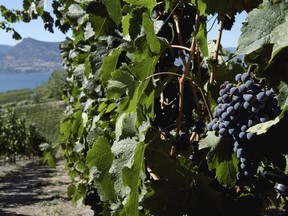
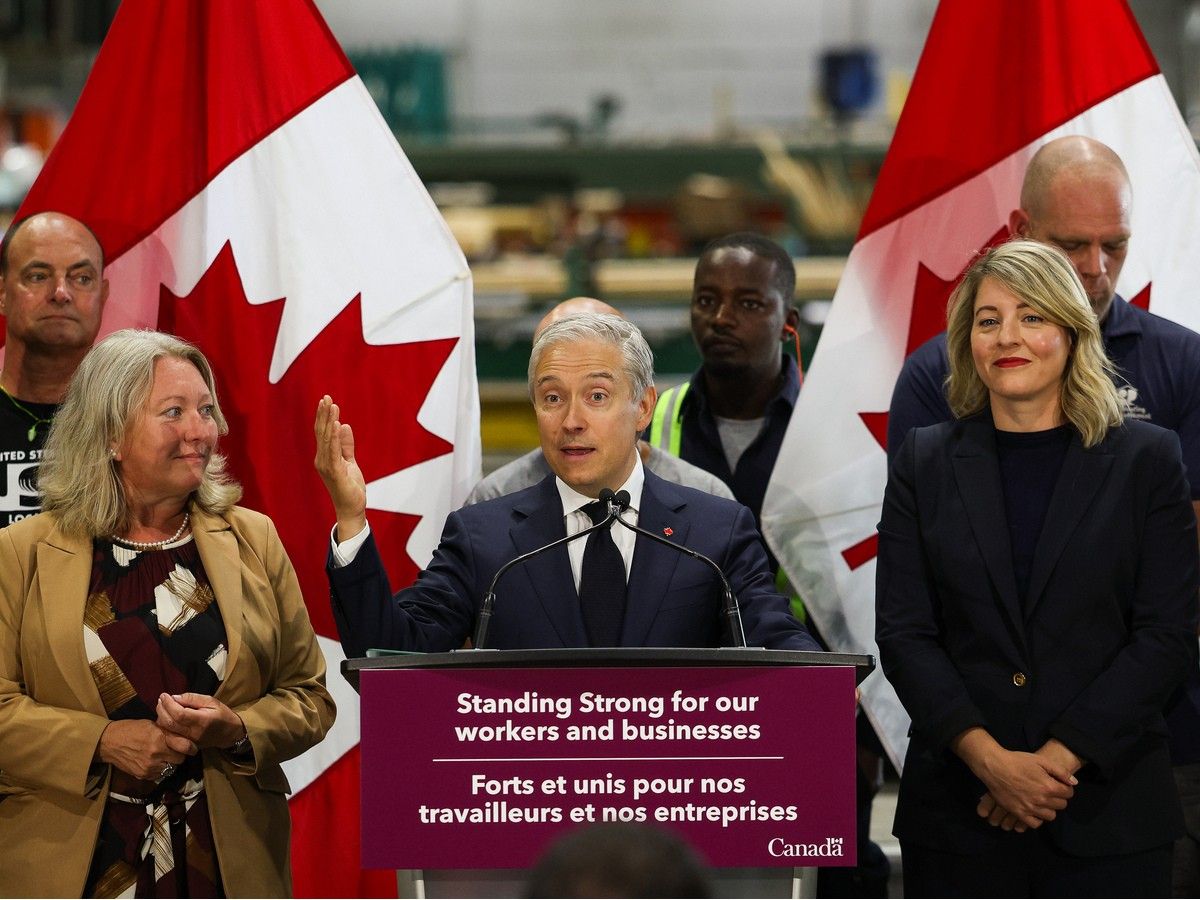
Canada-U.S. trade talks have broken down, and a new 50 per cent U.S. tariff on a range of Canadian goods, including wine, is now in force.

THIS CONTENT IS RESERVED FOR SUBSCRIBERS ONLY
Subscribe now to read the latest news in your city and across Canada.
- Unlimited online access to articles from across Canada with one account.
- Get exclusive access to the Vancouver Sun ePaper, an electronic replica of the print edition that you can share, download and comment on.
- Enjoy insights and behind-the-scenes analysis from our award-winning journalists.
- Support local journalists and the next generation of journalists.
- Daily puzzles including the New York Times Crossword.
SUBSCRIBE TO UNLOCK MORE ARTICLES
Subscribe now to read the latest news in your city and across Canada.
- Unlimited online access to articles from across Canada with one account.
- Get exclusive access to the Vancouver Sun ePaper, an electronic replica of the print edition that you can share, download and comment on.
- Enjoy insights and behind-the-scenes analysis from our award-winning journalists.
- Support local journalists and the next generation of journalists.
- Daily puzzles including the New York Times Crossword.
REGISTER / SIGN IN TO UNLOCK MORE ARTICLES
Create an account or sign in to continue with your reading experience.
- Access articles from across Canada with one account.
- Share your thoughts and join the conversation in the comments.
- Enjoy additional articles per month.
- Get email updates from your favourite authors.
THIS ARTICLE IS FREE TO READ REGISTER TO UNLOCK.
Create an account or sign in to continue with your reading experience.
- Access articles from across Canada with one account
- Share your thoughts and join the conversation in the comments
- Enjoy additional articles per month
- Get email updates from your favourite authors
Sign In or Create an Account
or
Article content
That is deeply disappointing. We wanted a negotiated solution, and we still hope diplomacy eventually prevails. But Canada was right not to accept a bad deal simply for the sake of having one.
Article content
Article content
For Canadian wine, the immediate impact requires some perspective. The U.S. is not our largest market. Most Canadian wine is consumed here at home. But for individual wineries that have spent years building relationships with American importers, distributors, restaurants and consumers, a tariff of this magnitude can effectively put a wall around that market. Those businesses will need support.
Article content
Article content
The bigger lesson extends far beyond exports. We cannot control the decisions made in Washington. We can only control what we do here at home.
Article content
By signing up you consent to receive the above newsletter from Postmedia Network Inc.
Article content
And if access to our largest international trading partner is becoming less predictable, then Canada needs to become much more deliberate about building its domestic economy and making it easier for Canadian businesses to sell to Canadians.
Article content
Wine is a perfect example.
Article content
A recent Deloitte analysis commissioned by Wine Growers Canada estimates that Canada’s wine industry and its broader ecosystem contribute $10.1 billion to national GDP and sustain about 99,300 full-time-equivalent jobs annually.
Article content
Those numbers reflect something important: Wine is not simply a product on a retail shelf.
Article content
Behind a bottle of Canadian wine is an economic chain that begins in a vineyard and reaches agriculture, manufacturing, transportation, hospitality, restaurants, tourism, and rural communities.
Article content
There is also substantial room to grow.
Article content
Canadian-made or blended wine accounted for just 28.8 per cent of domestic wine sales in 2023-24. Deloitte estimates that if Canadian wine reached a 51 per cent domestic market share over time, the wine industry and its broader ecosystem could contribute an additional $3.6 billion to GDP annually.
Article content
Article content
That is a major economic opportunity already sitting inside our own borders. We should pursue it.
Article content
First, Canada needs to finish the job of removing interprovincial trade barriers. Recent progress toward direct-to-consumer wine sales across provincial borders is significant, but implementation needs to be simple. A Canadian should be able to order Canadian wine from another province without unnecessary fees, markups or administrative hurdles.
Article content
Second, provincial liquor systems should be part of our economic-development strategy.
Article content
In B.C., that means modernizing the mandate of the Liquor Distribution Branch.
Article content
The LDB should continue generating responsible and sustainable revenue for government. But it should also have a clear responsibility to support the growth and competitiveness of B.C. producers.
Article content
That means better access to markets, stronger merchandising and promotion of local products, clearer identification of B.C. wine, measurable objectives, and senior accountability for growing the domestic category.
Article content
This is not about keeping American wine off our shelves forever. It is not about restricting consumer choice. And it is certainly not about asking Canadians to consume more alcohol.



























/https%3A%2F%2Fsportsmole-media-prod.s3.gra.io.cloud.ovh.net%2Fuploads%2F2026%2F07%2Fimago1075669211-6a5fb6068a84b779278224.jpg)
 Bengali (BD) ·
  English (US) ·