.png)
 2 hours ago
11
2 hours ago
11
Article content
Seven OPEC+ members decided on Sunday to again raise oil production quotas as Gulf countries reel from the Middle East war.

THIS CONTENT IS RESERVED FOR SUBSCRIBERS
Enjoy the latest local, national and international news.
- Exclusive articles by Conrad Black, Barbara Kay and others. Plus, special edition NP Platformed and First Reading newsletters and virtual events.
- Unlimited online access to National Post.
- National Post ePaper, an electronic replica of the print edition to view on any device, share and comment on.
- Daily puzzles including the New York Times Crossword.
- Support local journalism.
SUBSCRIBE FOR MORE ARTICLES
Enjoy the latest local, national and international news.
- Exclusive articles by Conrad Black, Barbara Kay and others. Plus, special edition NP Platformed and First Reading newsletters and virtual events.
- Unlimited online access to National Post.
- National Post ePaper, an electronic replica of the print edition to view on any device, share and comment on.
- Daily puzzles including the New York Times Crossword.
- Support local journalism.
REGISTER / SIGN IN TO UNLOCK MORE ARTICLES
Create an account or sign in to continue with your reading experience.
- Access articles from across Canada with one account.
- Share your thoughts and join the conversation in the comments.
- Enjoy additional articles per month.
- Get email updates from your favourite authors.
THIS ARTICLE IS FREE TO READ REGISTER TO UNLOCK.
Create an account or sign in to continue with your reading experience.
- Access articles from across Canada with one account
- Share your thoughts and join the conversation in the comments
- Enjoy additional articles per month
- Get email updates from your favourite authors
Sign In or Create an Account
or
Article content
Ministers from key OPEC+ countries Saudi Arabia, Russia, Iraq, Kuwait, Kazakhstan, Algeria, and Oman met virtually on Sunday and “decided to implement a production adjustment of 188 thousand barrels per day,” a statement from the organization said, adding that “this adjustment will be implemented in August 2026.”
Article content
Article content
Article content
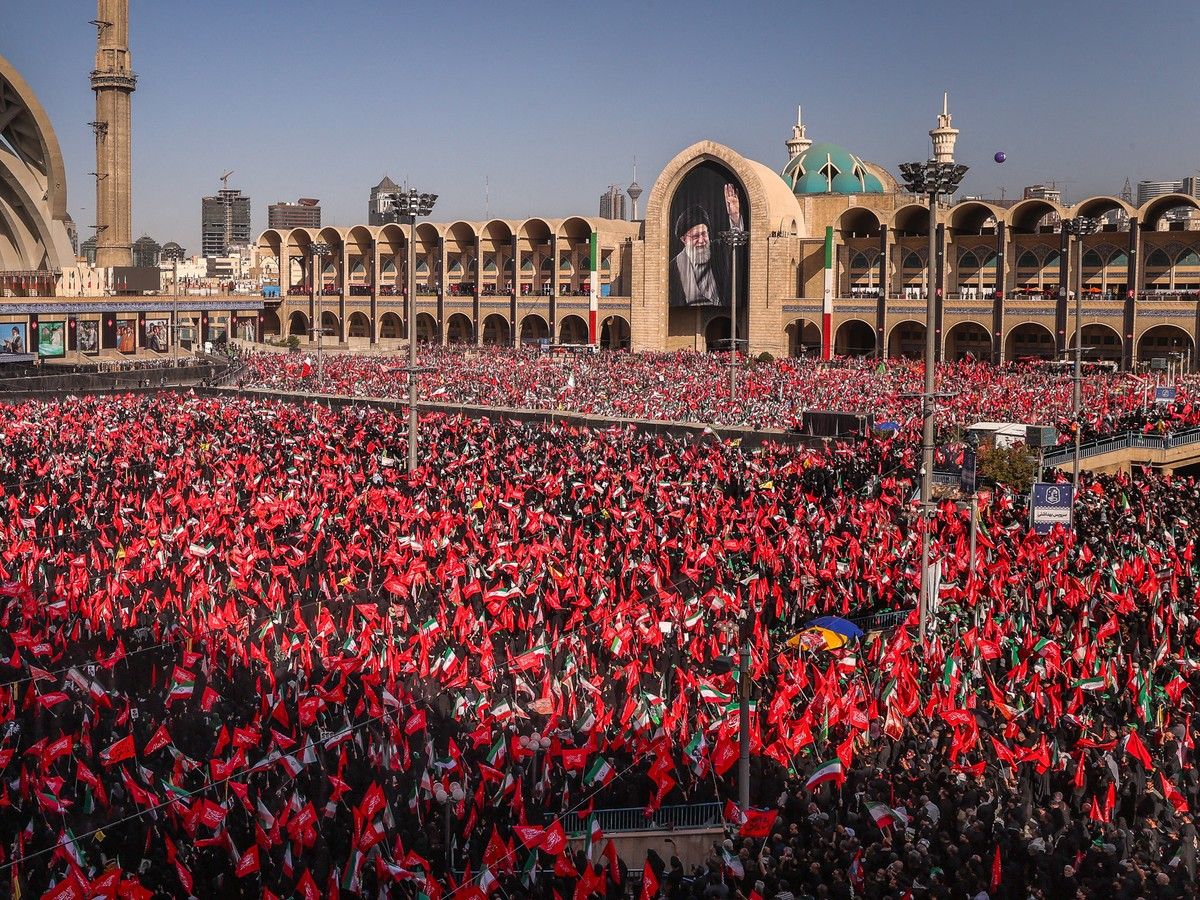
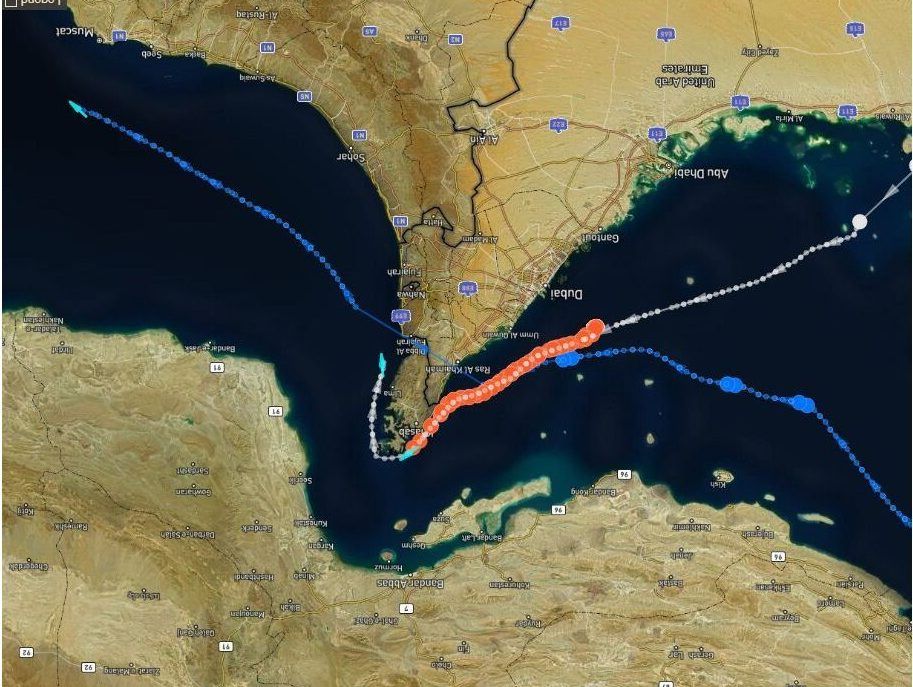
Gulf countries had to cut output after the near-paralysis of the Strait of Hormuz orchestrated by Iran during the war in the Middle East, which blocked their oil exports for several months.
Article content
By signing up you consent to receive the above newsletter from Postmedia Network Inc.
Article content
Between the first quarter of 2026 and May, combined production by Saudi Arabia, Iraq, and Kuwait — three of the seven countries raising their quotas — fell by some six million barrels per day, OPEC data have shown.
Article content
But on June 17, Tehran and Washington signed a memorandum of understanding, committing themselves to removing obstacles to maritime traffic in the Strait of Hormuz for the duration of talks following the signature.
Article content
Giovanni Staunovo, a commodity analyst at the Swiss bank UBS, told AFP that “for now, production is probably still below” OPEC+’s targets.
Article content
Time-consuming restart
Article content
Since the memorandum of understanding was signed, ship transport in the region has slowly recovered, with oil prices dropping sharply to levels comparable to those seen before the war in anticipation of a gradual return to normal.
Article content
Oil supplies through this shipping lane may already have exceeded ten million barrels a day, according to a U.S. official quoted by the Bloomberg agency.
Article content
Article content
But the oil currently leaving the strait has up to now been sitting in tankers or storage facilities, said Saxo Bank analyst Ole Hansen, adding that “shut-in production takes time to restart.”
Article content
Article content
“Assuming shipping continues to normalize, July will show an improvement, with August probably being the month where the pickup accelerates,” he told AFP.
Article content
Cohesion at stake
Article content
“For next year, everybody is anticipating a surplus,” Jorge Leon, an analyst at Rystad Energy, told AFP.
Article content
Rebuilding the inventories that countries tapped during the conflict should help absorb the flows at first, but producers may face a strong downward pressure on prices later on.
Article content
And OPEC+, already weakened by the departure of the United Arab Emirates from the group in May, will have to manage sliding prices while members will push for production increases.
Article content
Iraq, in particular, has asked the cartel to raise production quotas to make up for the shortfall it incurred during the war in the Middle East, the Iraqi Oil Ministry said in late June.
Article content
But Hansen said the need for a higher quota “is not imminent” as production volumes are still far from their pre-conflict levels.


















/https%3A%2F%2Fsportsmole-media-prod.s3.gra.io.cloud.ovh.net%2Fuploads%2F2026%2F06%2Fkyle-rodden-cal-sport-media-sipa-usa-ivory-coast-winger-yan-diomande-gestures-on-june-25-2026-6a417eae132a5831825833.jpg)
/https%3A%2F%2Fsportsmole-media-prod.s3.gra.io.cloud.ovh.net%2Fuploads%2F2026%2F06%2Fthor-wegner-defodi-images-norway-striker-erling-haaland-watches-on-on-june-26-2026-6a417f27894d6515047302.jpg)
 Bengali (BD) ·
  English (US) ·