.png)
 2 weeks ago
17
2 weeks ago
17
Article content
Patrick acknowledges that political actors in Quebec and Alberta are watching each other, borrowing ideas and adapting strategies — though this cross-pollination gets little attention outside expert circles.
Article content
“Alberta, for example, has openly drawn inspiration from Quebec’s Quiet Revolution in its reflections on pension reform and the possibility of creating a provincial pension plan,” he points out.
Article content
There’s also growing alignment on judicial appointments, where Alberta’s Smith has pushed back against what Patrick calls a “federalism deficit” in how judges are chosen. The text of a motion for a constitutional amendment that recently appeared on the agenda of the Alberta Legislative Assembly is nearly identical to the one tabled in Quebec almost a year ago.
Article content
Rather than viewing these initiatives in isolation, Patrick sees them as part of an evolving interprovincial constitutional dialogue. It’s a compelling frame.
Article content
Yet the strategies differ in important ways. Quebec’s current approach under the CAQ has focused on autonomy within Confederation, rather than on the credible threat of separation. Alberta feels different.
Article content
Article content
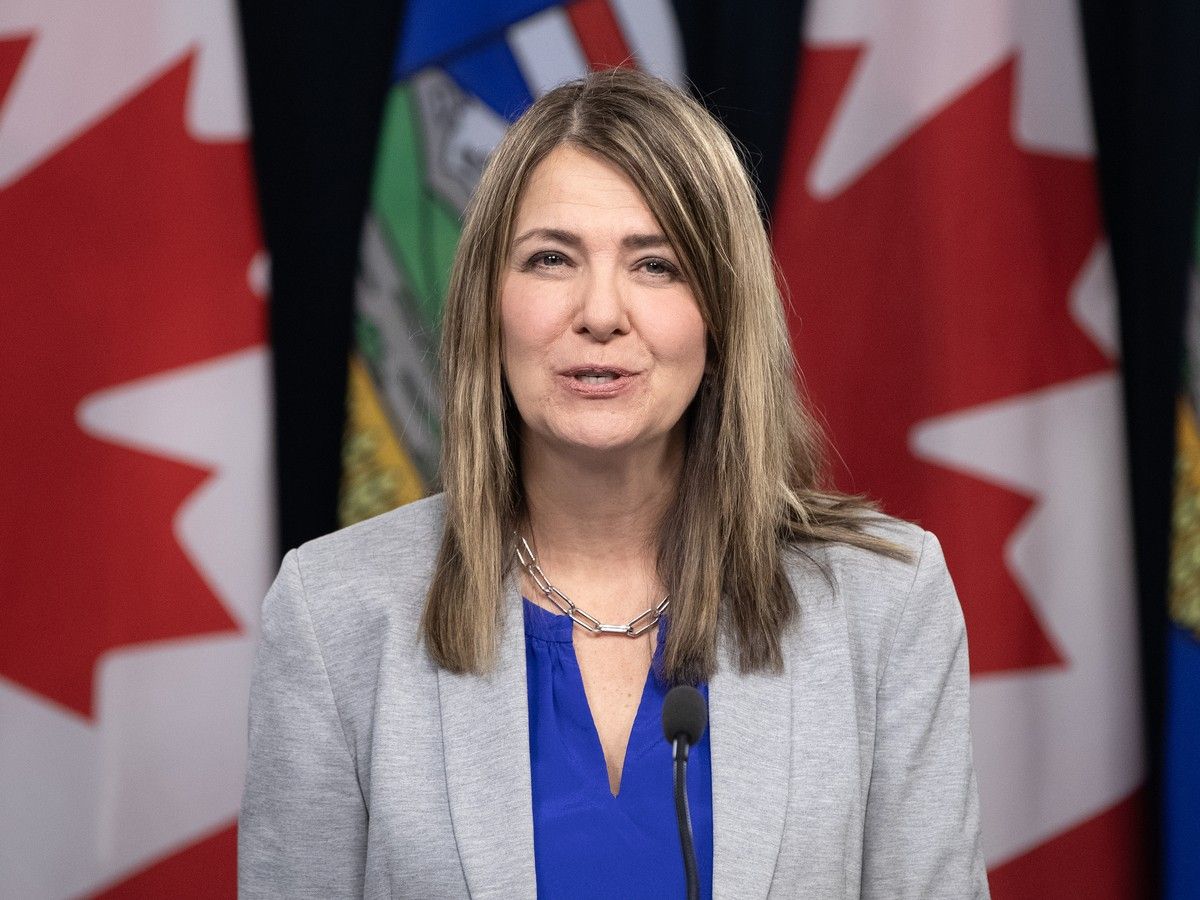
“Premier Danielle Smith’s situation reminds me, in certain respects, of Robert Bourassa’s position in 1992,” Patrick observes.
Article content
“She appears constrained by a significant sovereigntist current within her own electoral base,” he says. “Maintaining that base may require being ‘somewhat sovereigntist’ — assertive toward Ottawa and open to the language of autonomy — without actually advocating a formal break from Canada.”
Article content
His read: Smith is using leverage, and the implicit pressure of rising Alberta independence sentiment, as a short-term bargaining tool to extract gains from Ottawa. It can work in the near term, he suggests, but over the medium and long term, Quebec’s experience offers a cautionary tale.
Article content
“In Quebec’s experience, the use of referendum pressure as a negotiating instrument eventually reached a ceiling,” he observes. “When the moment of decision arrived, a majority of voters hesitated to endorse outright independence. If the same dynamic were to unfold in Alberta, the strategy could produce a political boomerang effect.”
Article content
The prevailing approach in Canada has been constitutional status quo: take it or leave it
Article content
The independence movements themselves also differ profoundly, Patrick explains. Quebec’s rests on deep linguistic and cultural foundations, with decades of institutionalization behind it — think the disciplined political vehicle of the Parti Québécois under René Lévesque. Alberta’s movement is newer, more grassroots, driven by distrust of Ottawa, fiscal grievances and a desire for economic control over resources.
Article content
Article content
“It does not rest on a linguistic foundation,” Patrick notes. “To date, there is no leadership structure comparable to what the Parti Québécois represented.” That organizational difference may prove more significant than ideological contrasts, he says, when assessing the durability and trajectory of each movement.
Article content
Ottawa has experience managing Quebec separation referendums, but it has never faced the prospect of simultaneous movements in two provinces. Patrick’s of the view that if either province voted yes — hypothetically — negotiations would have to begin. And, he suspects, the federal government would suddenly become far less rigid about the possibility of constitutional change.
Article content
Finally, I asked the question that should keep Ottawa up at night: Does the potential willingness of a Trump administration to recognize a unilateral declaration of independence — by Quebec or Alberta — matter?
Article content
“The Trump administration is not only unpredictable,” Patrick says, “it is also politically unstable.” Still, he acknowledges, if a major external actor signalled it’s prepared to respect the democratic choice of Albertans or Quebecers, it could reshape the negotiation dynamics that would follow any vote.




















 Bengali (BD) ·
  English (US) ·