.png)
 2 hours ago
4
2 hours ago
4
The Akatsuki members in Naruto entered the series like a storm: black cloaks, red clouds, terrifying abilities, and enough personality to make most villain squads look painfully underdressed. But beneath the style was something more dangerous: a group of broken people chasing radically different answers to pain, power, art, peace, and identity.
From its origins as a peace-seeking organization to its role in hunting the tailed beasts, the Akatsuki became one of Naruto’s defining forces. Masashi Kishimoto did not write every member equally, however. This ranking judges 5 of them strictly by characterization, ideology, relationships, symbolism, contradictions, and narrative impact, not strength or popularity.
5 Deidara’s Obsession With Art Made Him Uniquely Memorable
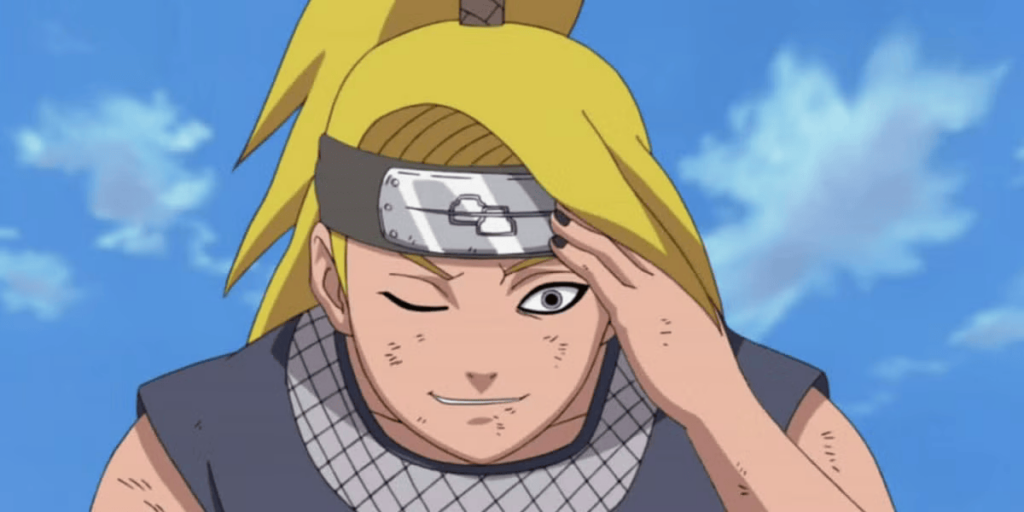 Deidara from Naruto: Shippuden. [Credit: Studio Pierrot]
Deidara lands fifth because Kishimoto gives him something villains lack: a worldview that is ridiculous, coherent, and revealing. He believes true art is fleeting, opposing Sasori’s obsession with permanence, and his explosive techniques embody that philosophy. His rivalry with Itachi establishes his insecurity, while his battle with Sasuke turns wounded pride into suicidal spectacle.
Deidara’s final explosion is absurd yet consistent with his beliefs. He is memorable because his personality never gets swallowed by tragedy. Yet compared with Sasori, his philosophy receives less excavation, limiting his narrative depth despite his individuality alone.
4 Sasori Proved That Immortality Comes at a Terrible Cost
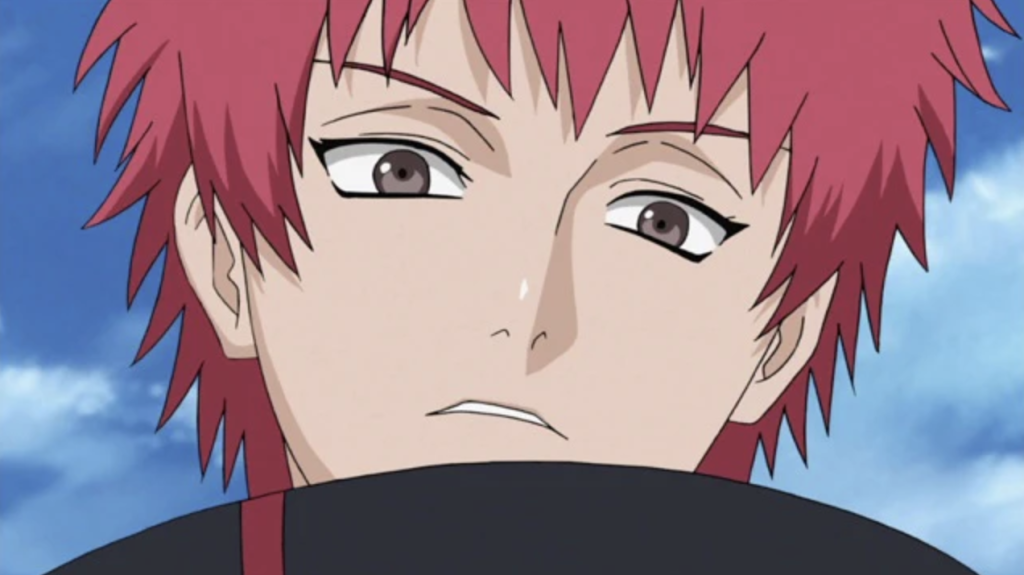 Sasori from Naruto: Shippuden. [Credit: Studio Pierrot]
Sasori ranks fourth because his obsession with permanence turns childhood grief into a philosophy. Losing his parents during war leaves him unable to accept human impermanence, so he creates parental puppets, then puppets, eventually converting himself into one. His battle with Sakura and Chiyo is a psychological autopsy: his grandmother’s puppets ultimately kill him, recreating the embrace he could never replace.
Even his hesitation suggests that humanity survived beneath the machinery. Sasori’s symbolism is clean, and his arc resonates. He ranks below Obito because his influence on Naruto’s narrative is smaller.
3 Obito’s Fall From Hero to Villain Remains Unforgettable
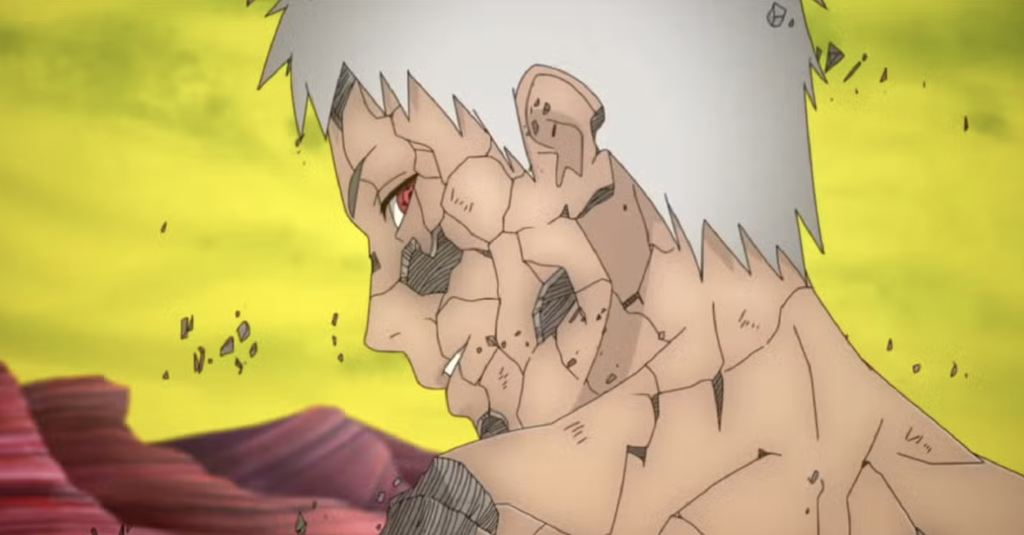 Obito in Naruto: Shippuden. [Credit: Studio Pierrot]
Obito Uchiha takes third because his descent from teammate to masked war architect mirrors Naruto’s potential path. He dreamed of becoming Hokage, valued comrades, and clashed with Kakashi Hatake; Rin’s death becomes the emotional fracture he weaponizes into nihilism. His strength is contradiction: he claims reality is meaningless while desperately recreating the happiness he lost through the Infinite Tsukuyomi.
Naruto eventually reaches the buried idealist Obito abandoned, while Kakashi confronts their shared painful past. Still, the scale of his late-story manipulation sometimes makes his personal psychology less tightly focused than Pain’s.
2 Pain’s Ideals Turned Him Into Naruto’s Most Compelling Villain
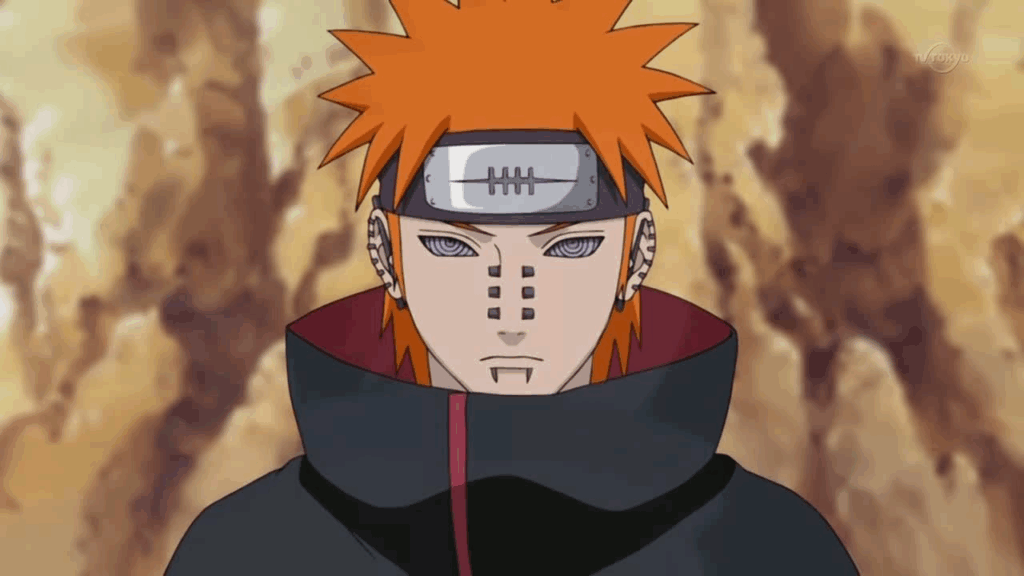 Pain from Naruto: Shippuden. [Credit: Studio Pierrot]
Pain ranks second because Kishimoto makes ideology itself the villain. Nagato begins as Jiraiya’s student, then transforms after Yahiko’s death and war into someone convinced suffering is humanity’s only teacher. His assault on Konoha turns that philosophy into catastrophe, yet Naruto defeats him through conversation rather than domination. Their confrontation pits Jiraiya’s faith against Nagato’s despair, while Nagato ultimately entrusts the future to Naruto and resurrects Konoha’s victims.
Pain’s overall writing is focused, deeply thematic, and devastatingly personal, but Itachi’s influence reaches deeper into another protagonist’s entire life and identity.
1 Itachi’s Tragic Legacy Still Defines Naruto’s Story
Itachi Uchiha earns the top spot because Kishimoto turns a monstrous brother into Naruto’s most consequential moral paradox. The Uchiha massacre, Sasuke’s lifelong revenge, and Itachi’s secret role inside Akatsuki continually reframe his character. His love is genuine, yet his choices are horrifying; his sacrifice protects Sasuke while also damaging him profoundly. That contradiction gives Itachi narrative weight.
His confrontation with Sasuke and later reunion through Reanimation expose the painful limits of his self-imposed martyrdom. Unlike the others here, Itachi’s characterization reshapes an entire protagonist’s identity, making his legacy inseparable from Naruto’s larger themes.
Which Akatsuki member do you think was Kishimoto’s best-written? Tell us your pick in the comments!
Naruto and Naruto: Shippuden are available on Netflix and Crunchyroll.






















 Bengali (BD) ·
  English (US) ·