.png)
 14 hours ago
6
14 hours ago
6
Masashi Kishimoto’s Naruto redefined the shonen genre by replacing one-dimensional villains with deeply traumatized humans, proving that the “Cycle of Hatred” is the series’ most formidable antagonist. While flashy ninjutsu drew audiences in, the psychological depth of the cast, which was shaped by war, systemic oppression, and identity crises, kept them engaged for decades.
By ranking these characters, we see how Kishimoto used the shinobi world to mirror real-world struggles with trauma, duty, and the search for belonging.
| Title | Naruto | Naruto: Shippuden |
| Original author | Masashi Kishimoto | Masashi Kishimoto |
| Anime production studio | Studio Pierrot | Studio Pierrot |
| IMDb rating (as of May 13, 2026) | 8.4 / 10 | 8.7 / 10 |
| MyAnimeList rating (as of May 13, 2026) | 8.02 / 10 | 8.29 / 10 |
| Streaming | Crunchyroll, Netflix | Crunchyroll, Netflix |
10 Sasuke Became Revenge’s Most Tragic Prisoner
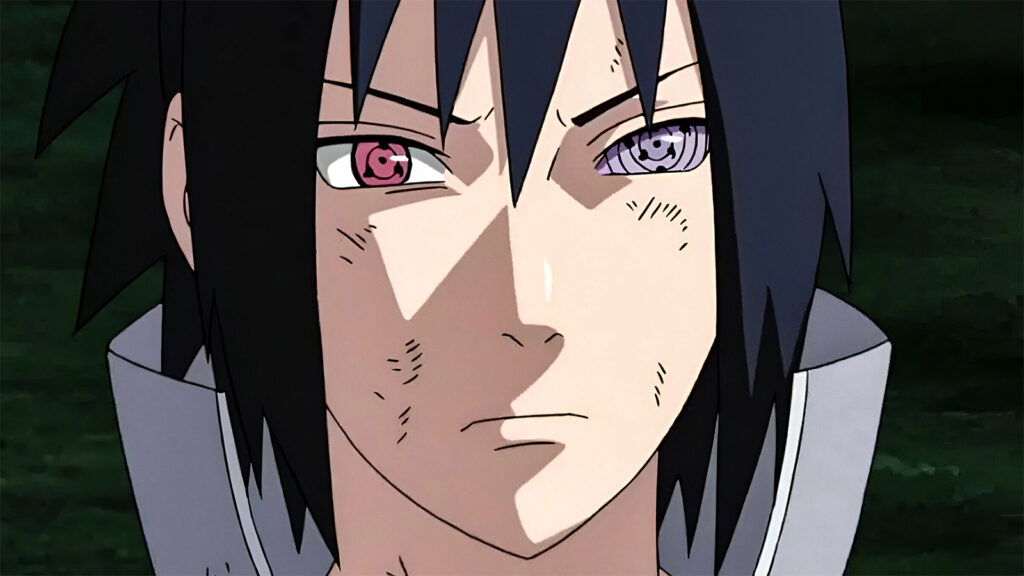 Sasuke Uchiha from Naruto: Shippuden. [Credit: Studio Pierrot]
Sasuke’s psyche is defined by the “Curse of Hatred,” a psychological downward spiral triggered by the total loss of his clan. After witnessing his brother, Itachi, murder their parents, Sasuke’s development stunted, centering his entire identity on vengeance. This led him to sever all bonds, believing love was a weakness. His complexity lies in his constant internal war: his natural desire for connection (Team 7) versus his self-imposed mandate to be a hater.
9 Neji Hated the Fate Imposed on Him Yet Could Never Fully Escape It
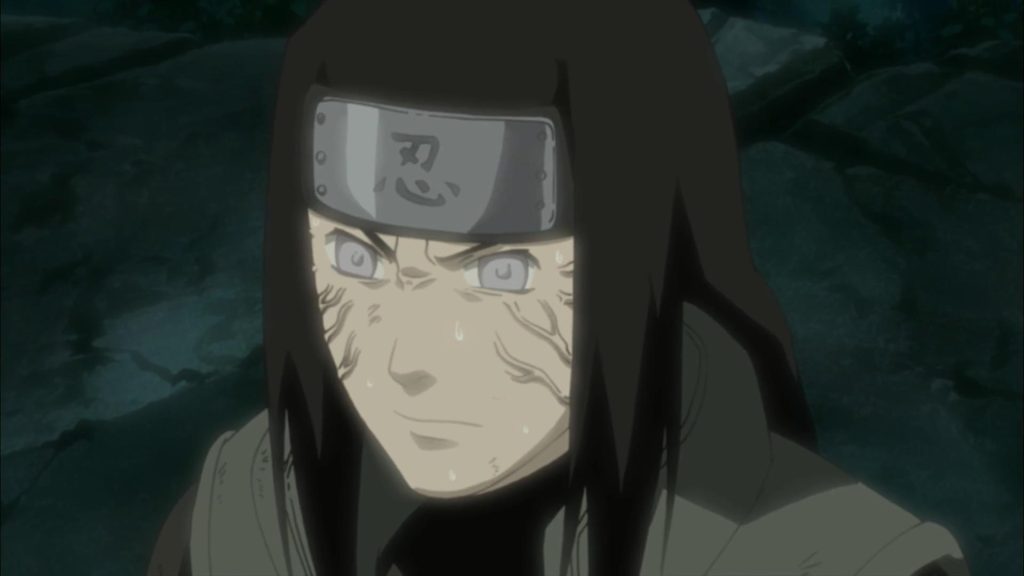 Neji Hyuga from Naruto: Shippuden. [Credit: Studio Pierrot]
Neji began as a fatalist, a young man broken by the Hyuga clan’s rigid caste system. Marked with the “Caged Bird Seal,” he believed his life was pre-determined and that “destiny” was an inescapable cage. This bitterness manifested as cruelty toward his cousin, Hinata. His arc is a poignant look at how systemic oppression can turn a brilliant mind into a cynical weapon, ultimately leading to peace through self-sacrifice.
8 Itachi Hid a Lifetime of Pain Behind a Villain’s Mask
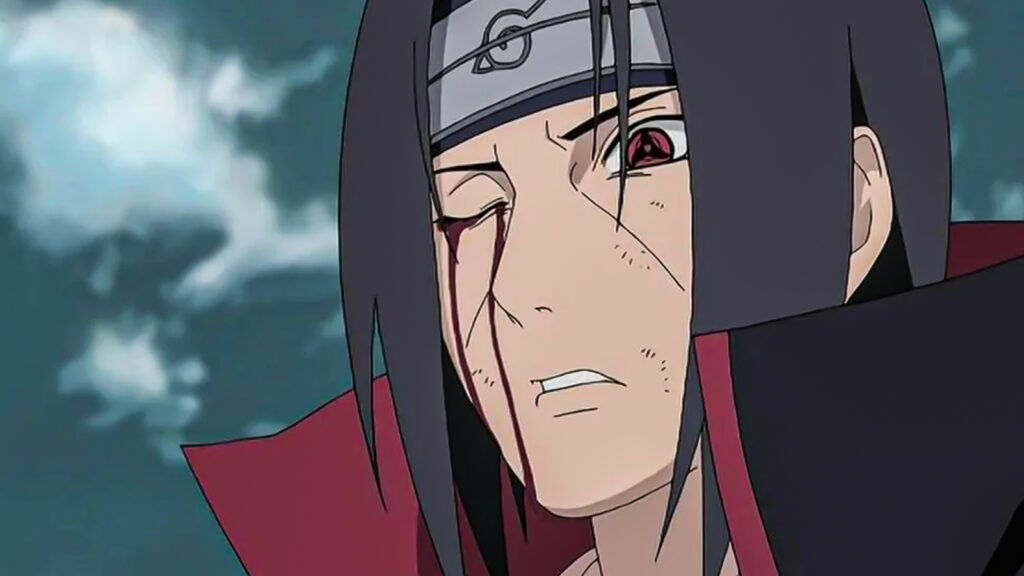 Itachi Uchiha from Naruto: Shippuden. [Credits: Studio Pierrot]
Itachi is perhaps the most selfless yet polarizing figure in the series. Forced into a psychological corner at age thirteen, he chose to massacre his own kin to prevent a world war. To protect his brother and the village, he lived as a pariah, internalizing the hatred of the world. Itachi’s mind was a fortress of utilitarian logic, but his heart remained tethered to Sasuke. His complexity stems from the “hero in the shadows” trope, where he sacrificed his reputation and soul for a “greater good” that left him eternally isolated.
7 Obito Lost Himself Trying to Escape Reality
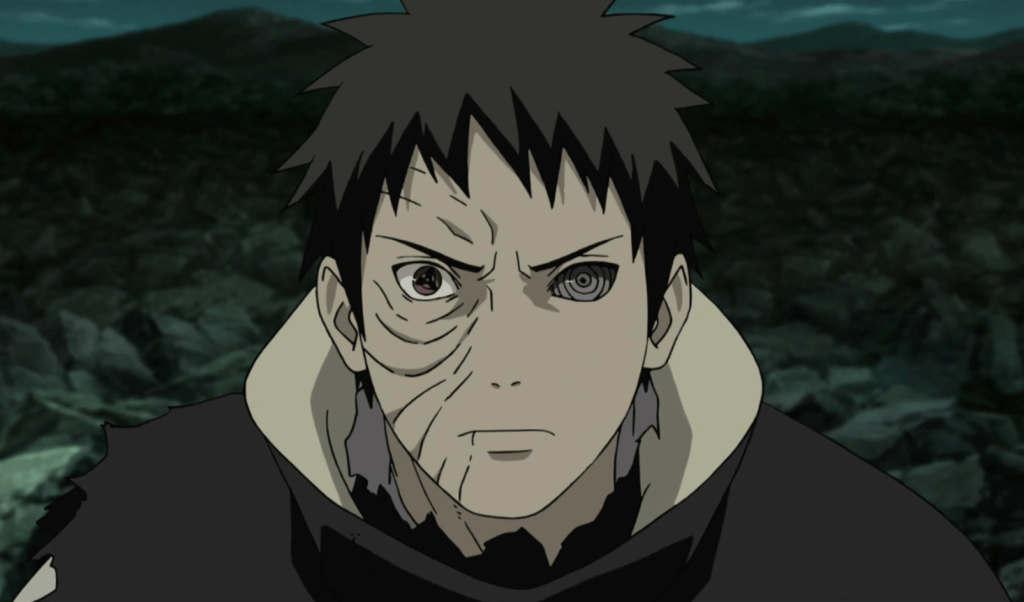 Obito Uchiha from Naruto. [Credit: Studio Pierrot]
Obito represents the tragic death of idealism. Once, a kind-hearted boy who dreamt of being Hokage, witnessing the death of his teammate Rin shattered his psyche. He didn’t just turn evil; he rejected reality entirely, viewing the world as a “hell” that needed to be replaced by a dream. His psychological journey is a cautionary tale about how unresolved grief, when manipulated by a predator, can lead someone to burn the world down to stop the pain.
6 Nagato Twisted the Idea of Peace Into Pure Destruction
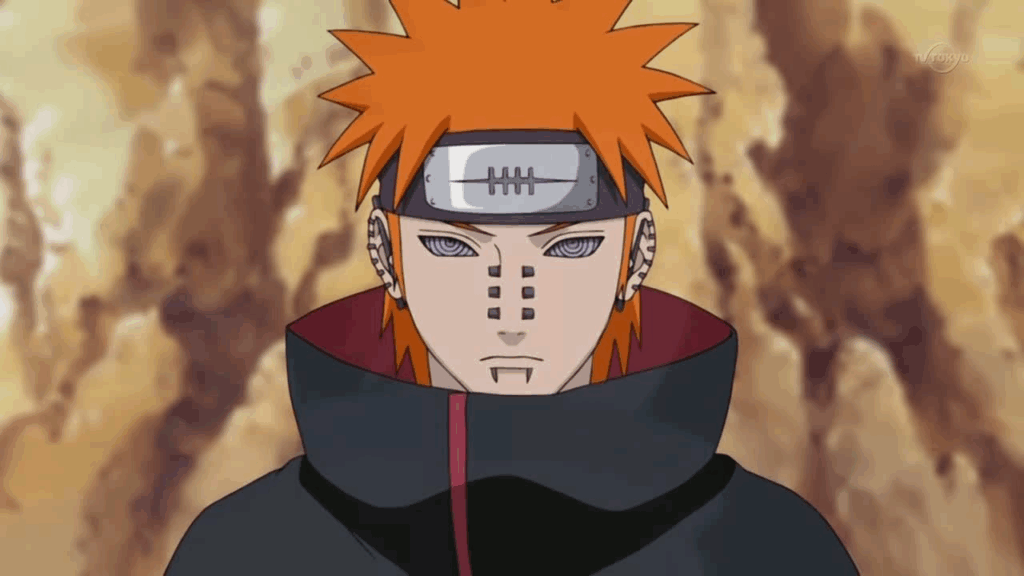 Pain from Naruto: Shippuden. [Credit: Studio Pierrot]
Nagato, known as Pain, is the embodiment of trauma-induced nihilism. Growing up in the war-torn Hidden Rain Village, he experienced the loss of his parents and his best friend, Yahiko. His “God Complex” was a psychological defense mechanism against his own helplessness. Nagato’s complexity lies in his motive: he truly wanted peace, but his psyche was so warped by violence that he believed mass destruction was the only way to achieve it.
5 Kabuto Lost His Identity Chasing Someone Else’s Legacy
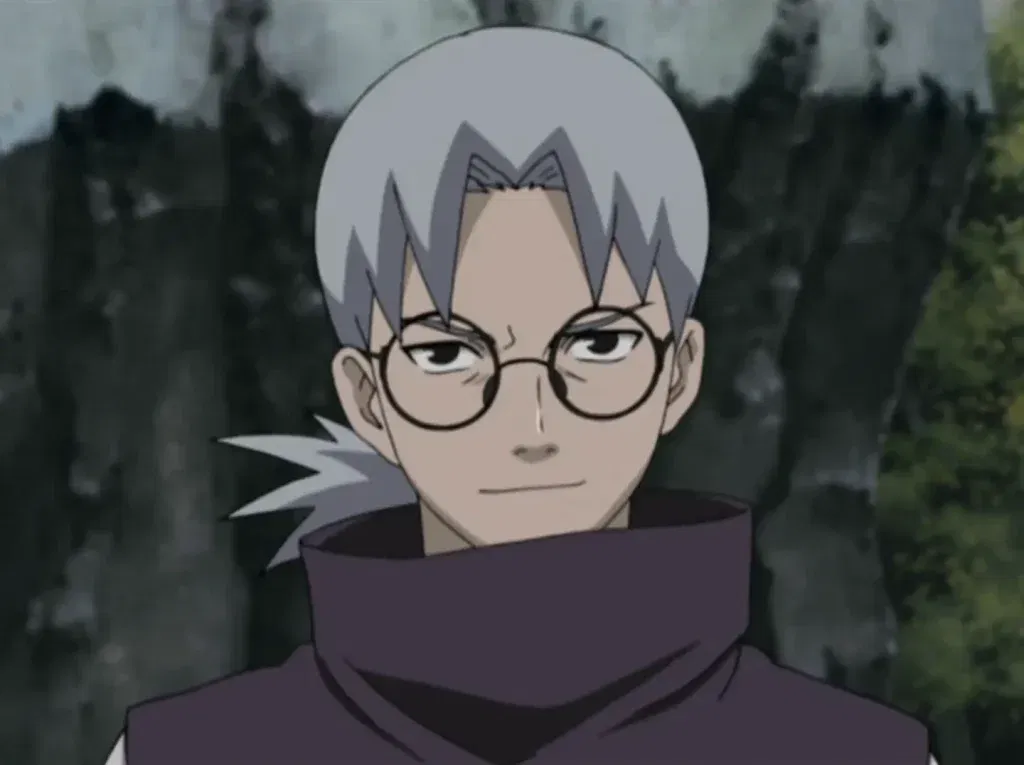 Kabuto from Naruto: Shippuden. [Credit: Studio Pierrot]
Kabuto is the series’ ultimate “empty vessel.” An orphan who served as a spy for various nations, he spent so much time pretending to be other people that he forgot who he was. After the death of his foster mother, he became obsessed with “collecting” the abilities and DNA of others, specifically Orochimaru, to fill the void in his soul. His psychological arc is a deep dive into an identity crisis and the fear of being nothing.
4 Kakashi Carried Survivor’s Guilt Through Every Battle
Kakashi is the “Man Behind the Mask,” both literally and figuratively. His life is a masterclass in dealing with PTSD. From his father’s s*icide to the deaths of his entire original team, Kakashi’s psyche should have broken. Instead, he developed a stoic, detached persona to survive the guilt of being the one who lived. But he didn’t let major trauma turn him into a villain like Obito. He represents the resilience of the human spirit in the face of unrelenting loss.
3 Sai Spent His Entire Life Learning How to Feel Human Again
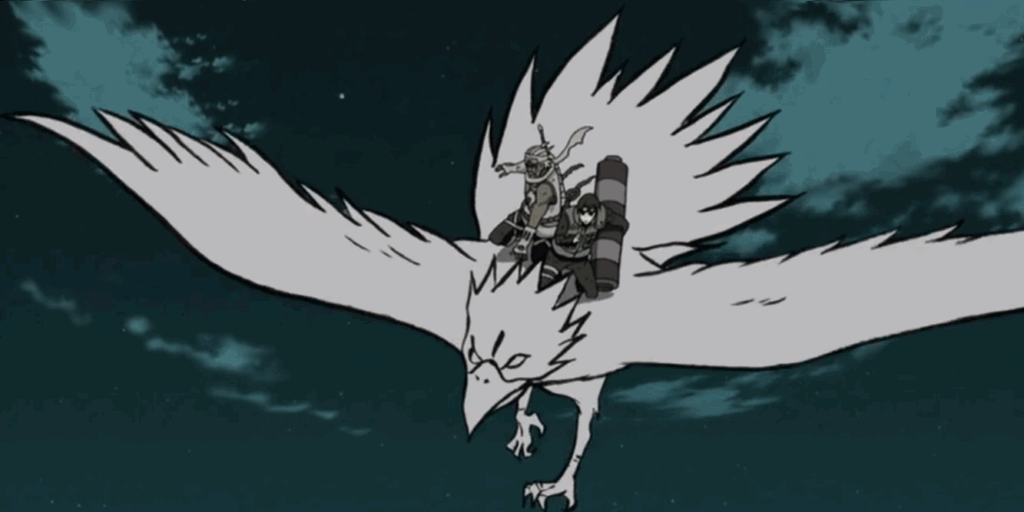 Sai from Naruto: Shippuden. [Credit: Studio Pierrot]
Sai is a unique psychological study of emotional suppression. Raised in “Root,” a secret black-ops division, he was conditioned to have no names, no feelings, and no past. He was a blank slate, using a book on social cues just to interact with people. Watching Sai struggle to understand a smile or the weight of a bond highlights Kishimoto’s ability to write about the recovery from psychological brainwashing and the fundamental human need for connection.
2 Danzo Believed Evil Was Necessary to Protect the Leaf
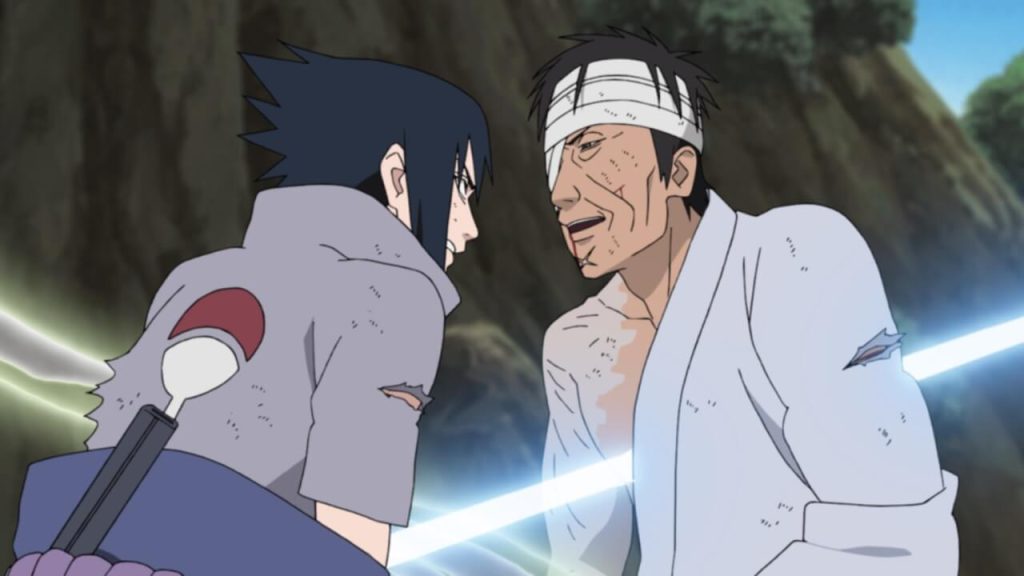 Sasuke vs Danzo in Naruto: Shippuden. [Credit: Studio Pierrot]
Danzo is the dark shadow of patriotism. Unlike other villains, he truly believed he was the hero of Konoha. His psyche was governed by Machiavellianism, which is the belief that the ends always justify the cruelest means. Danzo’s complexity lies in his insecurity; his lifelong rivalry with the Third Hokage drove him to commit atrocities just to prove his “hard” way was better. He represents the psychological danger of radical nationalism and the ego that often hides behind the guise of duty.
1 Madara Tried to Save the World by Controlling It Entirely
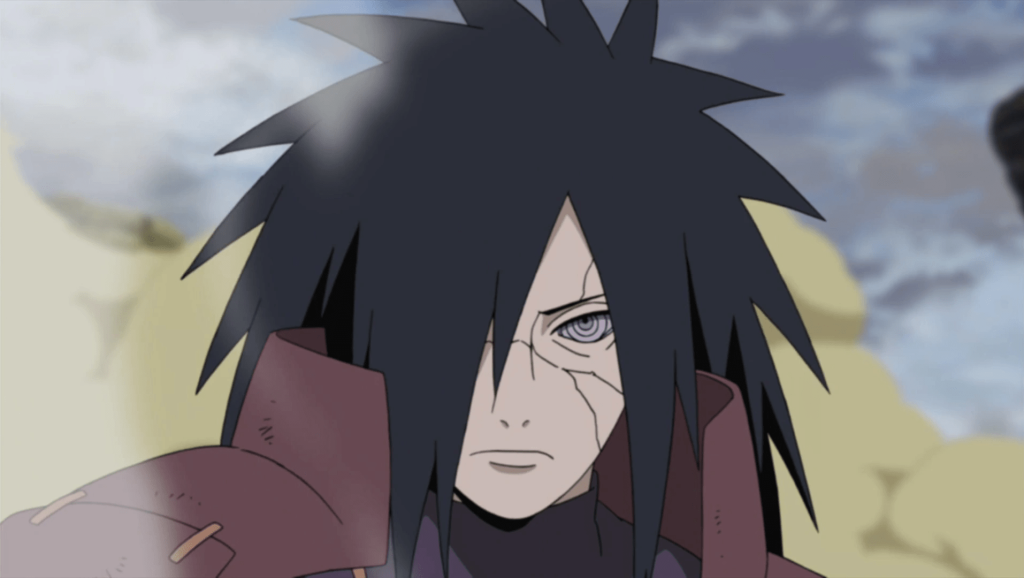 Madara Uchiha from Naruto: Shippuden. [Credit: Studio Pierrot]
Madara Uchiha stands at the top because his psychological depth challenges the very concept of free will. Having lived through the brutal Warring States Period, he saw the cycle of death as a permanent fixture of humanity. His solution, the Infinite Tsukuyomi, was a psychological “reset” for the world (a forced utopia). His God complex was fueled by a savior’s heart and a tyrant’s hand, making him the series’ most complex visionary.
| 1 | Madara Uchiha |
| 2 | Danzō Shimura |
| 3 | Sai |
| 4 | Kakashi Hatake |
| 5 | Kabuto Yakushi |
| 6 | Nagato |
| 7 | Obito Uchiha |
| 8 | Itachi Uchiha |
| 9 | Neji Hyūga |
| 10 | Sasuke Uchiha |
1. Where can you watch the Naruto anime?
You can stream the entire series officially on Crunchyroll, Netflix, Hulu, and Amazon Prime Video. Availability may vary by region.
2. How many parts are there in the Naruto series?
The main story is divided into two parts: Naruto and Naruto: Shippuden. The franchise continues with the sequel series Boruto: Naruto Next Generations, and four new special anniversary episodes are slated for release by late 2026.
3. Where can you read the manga?
Naruto and Naruto: Shippuden manga are available on VIZ Media and Manga PLUS by Shuisha app.
Which Naruto character do you think Kishimoto wrote with the most psychological depth, and who deserved a higher ranking on this list?
Naruto and Naruto: Shippuden are streaming on Crunchyroll and Netflix.
























/https%3A%2F%2Fsportsmole-media-prod.s3.gra.io.cloud.ovh.net%2Fuploads%2F2026%2F05%2Fchamp-69fa166311171530187348.jpg)
 Bengali (BD) ·
  English (US) ·