.png)
 3 days ago
18
3 days ago
18
Challenging U.S. dollar's global status may complicate efforts to end American tariffs, protect Canadian jobs
Published Sep 24, 2026 • Last updated 58 minutes ago • 3 minute read

See more Toronto Sun on Google — save as a Preferred Source
Advertisement 2

THIS CONTENT IS RESERVED FOR SUBSCRIBERS ONLY
Subscribe now to read the latest news in your city and across Canada.
- Unlimited online access to articles from across Canada with one account.
- Get exclusive access to the Toronto Sun ePaper, an electronic replica of the print edition that you can share, download and comment on.
- Enjoy insights and behind-the-scenes analysis from our award-winning journalists.
- Support local journalists and the next generation of journalists.
- Daily puzzles including the New York Times Crossword.
SUBSCRIBE TO UNLOCK MORE ARTICLES
Subscribe now to read the latest news in your city and across Canada.
- Unlimited online access to articles from across Canada with one account.
- Get exclusive access to the Toronto Sun ePaper, an electronic replica of the print edition that you can share, download and comment on.
- Enjoy insights and behind-the-scenes analysis from our award-winning journalists.
- Support local journalists and the next generation of journalists.
- Daily puzzles including the New York Times Crossword.
REGISTER / SIGN IN TO UNLOCK MORE ARTICLES
Create an account or sign in to continue with your reading experience.
- Access articles from across Canada with one account.
- Share your thoughts and join the conversation in the comments.
- Enjoy additional articles per month.
- Get email updates from your favourite authors.
THIS ARTICLE IS FREE TO READ REGISTER TO UNLOCK.
Create an account or sign in to continue with your reading experience.
- Access articles from across Canada with one account
- Share your thoughts and join the conversation in the comments
- Enjoy additional articles per month
- Get email updates from your favourite authors
Article content
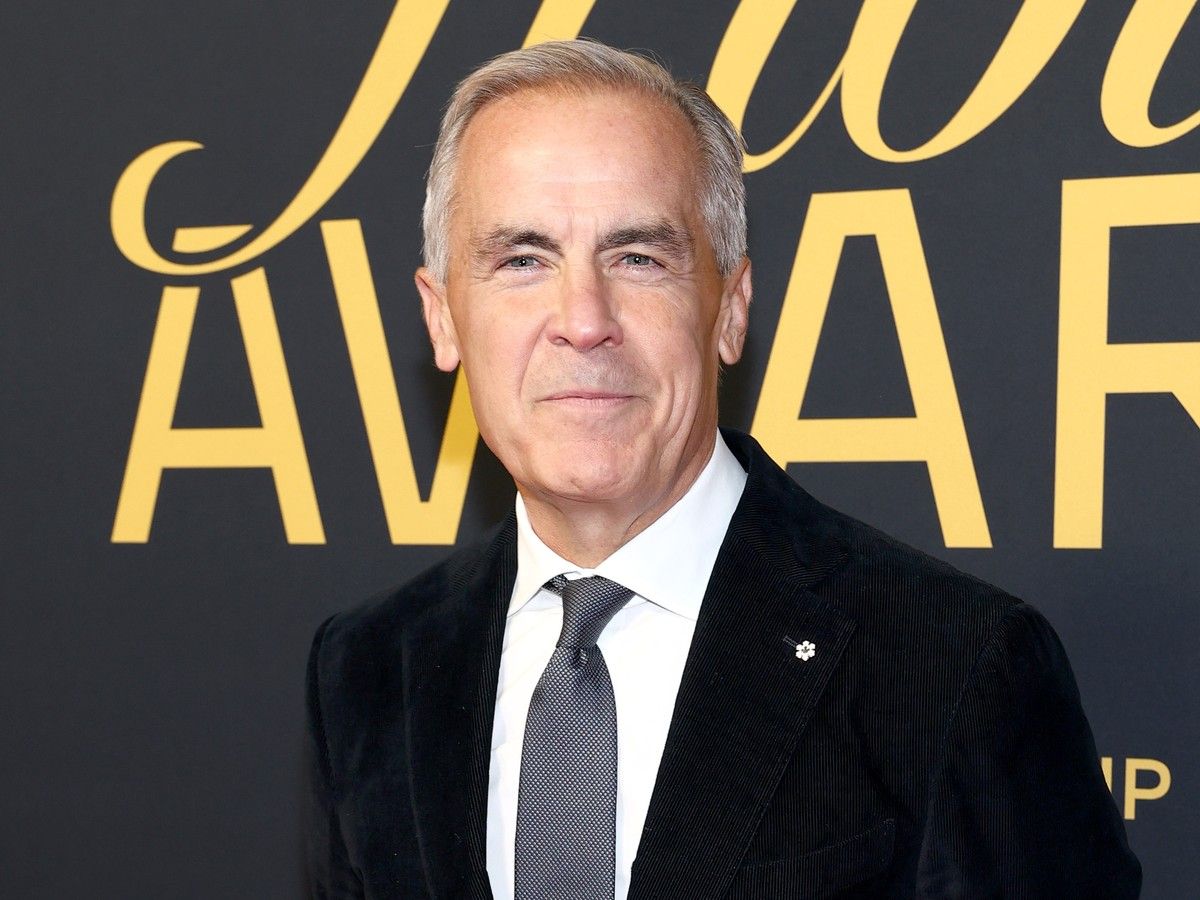
The headline taking up most, if not all, of the attention from Mark Carney’s interview with the New York Times isn’t the most important point the PM made.
Article content
Article content
Media outlet after media outlet focused on Carney saying that he examined the “extreme tail risk” of an American invasion of Canada.
“That’s just risk management,” Carney told the Times. “It would be irresponsible not to (prepare).”
That’s nice click fodder and the type of thing that gets Canadians agitated, but the most important thing Carney told the Times had to do with currency and its implications could be explosive.

The real story they missed
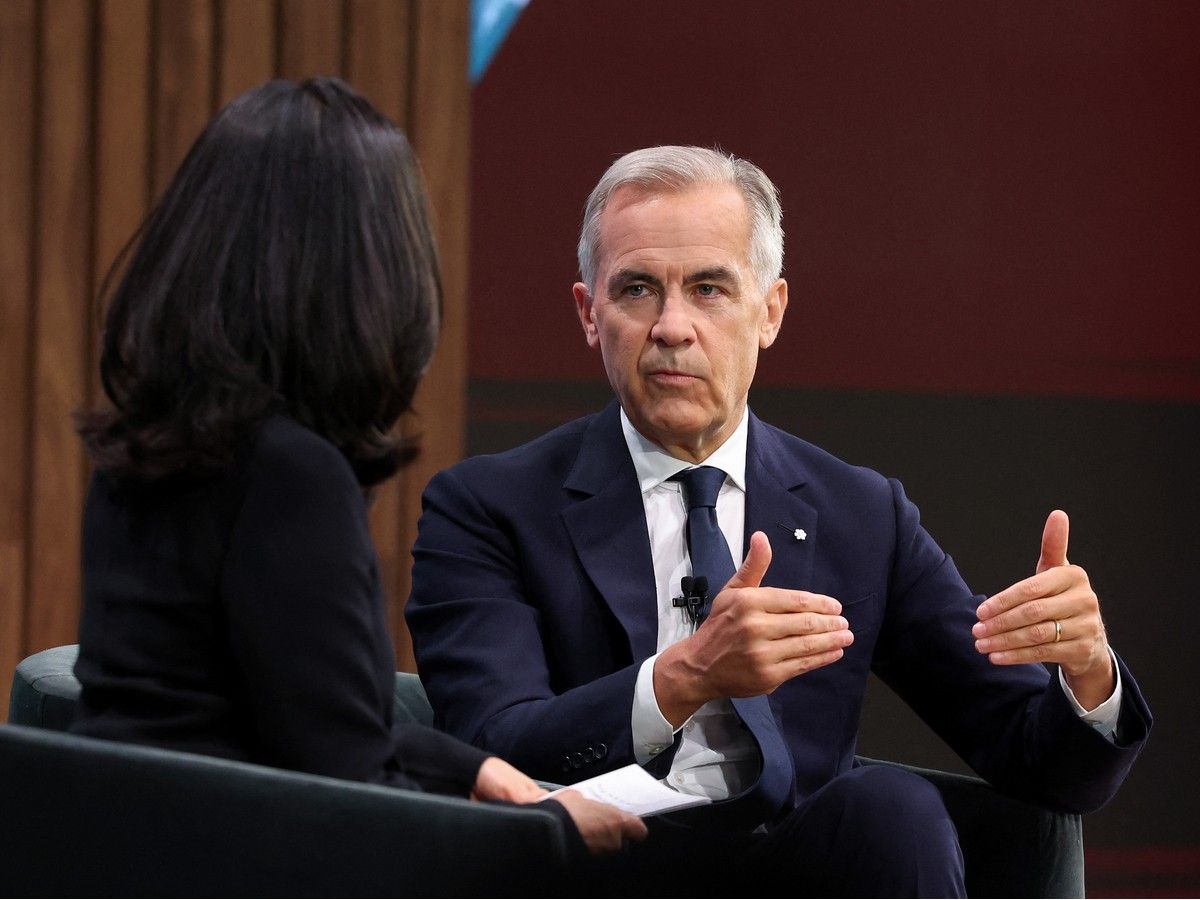
According to the Times, Carney spent more than an hour at their offices in midtown Manhattan for a wide-ranging interview. Toward the end of their report on the interview, the Times dropped the nugget that would concern Washington the most: Carney wants an end to the U.S. dollar as the global reserve currency.
“Mr. Carney on Wednesday also reiterated his long-held view that a global financial system wholly dependent on the U.S. dollar was unsustainable. A move to a multipolar system in which there are several reserve currencies would ‘provide more flexibility,’ he said,” the Times reported.
He also admitted that there would need to be changes and a liberalization of China’s currency and financial markets for this to happen.
By signing up you consent to receive the above newsletter from Postmedia Network Inc.
Article content
Advertisement 3
Article content
It’s not the first time Carney has advocated moving away from the U.S. dollar as the global reserve currency, a system set up at Bretton Woods in the post-Second World War order. While governor of the Bank of England, he gave a speech in Jackson Hole, Wyo., that was hosted by the Federal Reserve Bank of Kansas City and argued for China’s currency to take on a greater role as a reserve currency.
While governor of the Bank of England, Carney expanded the trade of Chinese currency in London, one of the world’s great financial centres. He clearly has a different view of the role of the yuan, or renminbi, than the Americans do and Carney’s view is closer to that of Brazil, Russia, India, China and South Africa, the BRICS countries that want to break American dominance.
RECOMMENDED VIDEO

We apologize, but this video has failed to load.
A message Washington will notice
If we were a smaller country, such a position would be inconsequential. But more than 70% of Canada’s exports still go to the U.S., even in the middle of a trade war. That’s how reliant we are on the American market.
Advertisement 4
Article content
“That’s a declaration of war,” a friend said to me after I read the passages about the currency issue from the New York Times report.
And that’s where this becomes dangerous.
Will the Trump administration see Canada calling for the end of the U.S. dollar as a global reserve currency as a hostile act? There is an argument to be made that any administration, regardless of party, would see Carney’s comments to the Times, coming from a supposed ally, as an attack.

Picking a fight we don’t need
Carney likes to use the language of trade war. So do many Canadians. Winning a war means knowing when to escalate, when to retreat and when to make peace.
With Carney making his comments about the U.S. dollar no longer being the reserve currency, he is escalating the battle at a time when he doesn’t need to.
Exacerbating this fight does nothing to lower tariffs, secure Canadian jobs or grow our economy. What it does is further alienate the other side, make a deal more difficult to achieve and put more jobs in jeopardy.
As with all things Carney, it is all about good politics and bad economics.
Read More
-

Trump targets Canadian potash in talks with Belarus
-

GOLDSTEIN: U.S., not EU, the priority on trade
-

KINSELLA: Many reasons to embrace enhanced relationship with Europe


Article content


























 Bengali (BD) ·
  English (US) ·