.png)
 1 hour ago
7
1 hour ago
7
Entre l’arbre et l’écorce (between the tree and the bark) is the equivalent francophone idiom for being caught between a rock and a hard place. This week, leaders of Quebec’s three main political parties all found themselves dealing with competing pressure from two sides — highlighting the delicate predicament each faces — five months before the election.
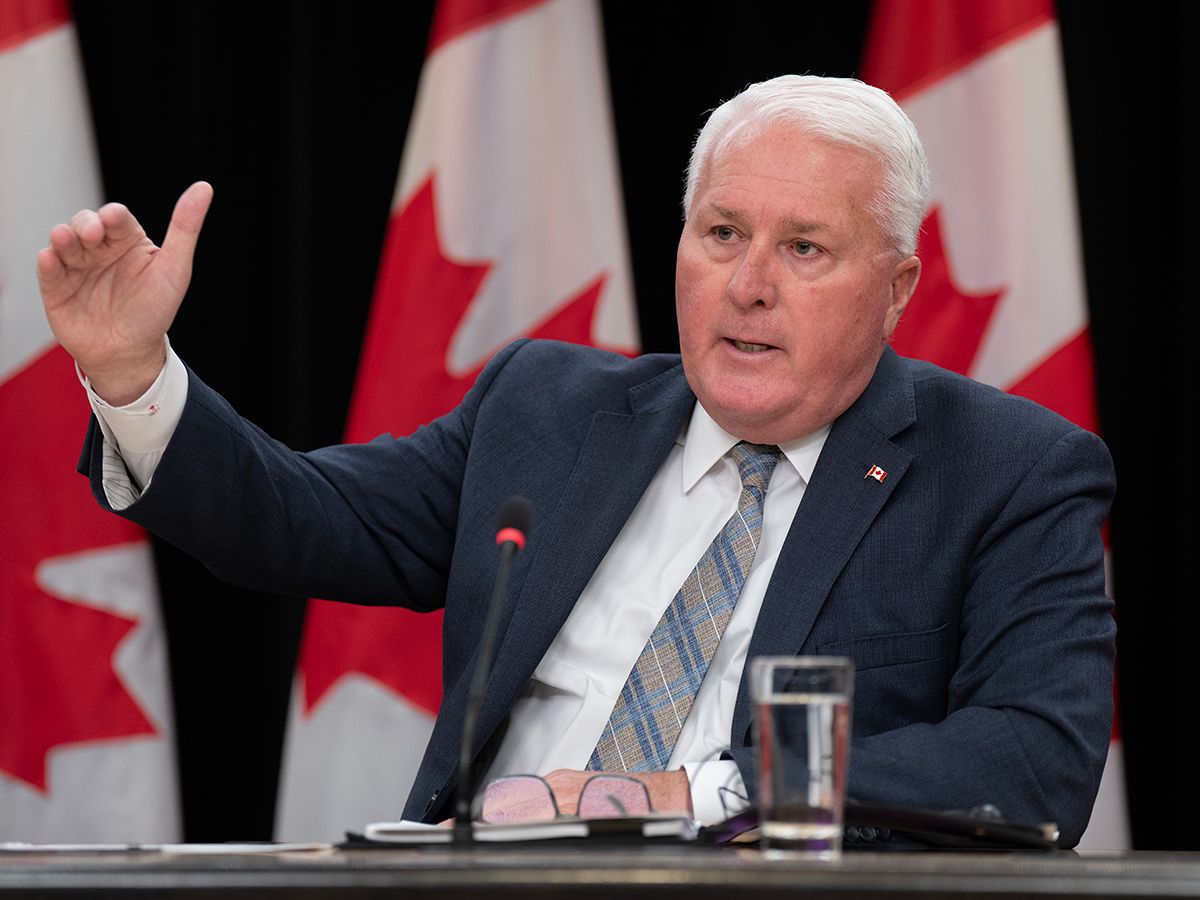
Liberal Leader Charles Milliard’s major challenge is in increasing his party’s numbers among francophone voters. Doing so without alienating support from the anglophone community is often complicated in Quebec’s zero-sum game of language politics.
For months Milliard had been sidestepping landmines, saying he would keep Quebec’s new language law, Bill 96, but would modify two aspects, namely the six-month period for immigrants to learn French and the onerous bureaucratic francization rules for small and medium-size businesses. Last week, though, pressed by reporters, he was drawn into specifics, saying he would re-invoke the infamous notwithstanding clause, which was used pre-emptively to shield Bill 96 from Charter of Rights challenges.
The reaction was swift in the anglophone community, and he quickly tried to backtrack — which then gave his nationalist opponents fodder to cast doubt on his commitment to protecting French.
Others questioned his ability to deftly manage this polarizing issue, which has long been an Achilles heel for his party.
 CAQ leader Christine Fréchette had a good week, but she must walk a fine line to keep the two factions of her party united, writes Robert Libman. John Mahoney / Montreal Gazette
Contrary to Milliard, new Premier Christine Fréchette had a good week. She, personally, is coming across to many Quebecers as a breath of fresh air. On the popular talk show Tout le monde en parle she was poised, amiable, telegenic and seemed to hit all the right notes. A Léger poll on Tuesday showed her almost doubling support for her Coalition Avenir Québec from a month ago, when François Legault was leader.
Fréchette’s dilemma, however — if she wants to incarnate real change, which is key to success in the election — is to distance herself from her predecessor’s unpopular administration after two mandates. The new 29-member cabinet she unveiled this week certainly didn’t do that, with 24 ministers having been part of the previous cabinet, 14 of whom were renamed to their same portfolios.
To keep her party together, Fréchette had to pull back into the tent her leadership rival, Bernard Drainville, and many of his supporters from the more nationalist flank of the coalition. Over the next few months, she too must walk a fine line to keep the two factions united and sell Quebecers on renewal while still having pretty much the same team on the field.
Parti Québécois Leader Paul St-Pierre Plamondon also saw his predicament magnified this week. The Léger poll found that if he dropped his promise to hold a sovereignty referendum, which most Quebecers don’t want, his support among francophones could soar to 47 per cent — a certain majority victory. PSPP was quick to affirm, however, that he would not abandon his vision for potential electoral profit.
Editor’s Picks


St-Pierre Plamondon believes that even with his referendum pledge, the PQ’s current lead among francophones and the division of the remaining vote among the other parties is still enough to win. But as the election nears and voters ponder the consequences of another divisive referendum during these volatile times, the pressure could ramp up to shift gears if numbers start shrinking and he senses the election slipping away.
Quebec politics has many shades of grey. To be a party leader right now is no easy task and requires navigating numerous twists, turns and permutations, competing interests, an aggressive nationalist media and a fickle electorate that wants change and solutions and is known to sometimes vote in waves.
The leaders will be thoroughly tested as the campaign period heats up. How each ultimately navigates the squeeze they find themselves in — as previewed this past week — will say a lot about how the parties emerge on election night in October.

The post Libman: Quebec party leaders between a rock and a hard place appeared first on Montreal Gazette.
























/https%3A%2F%2Fsportsmole-media-prod.s3.gra.io.cloud.ovh.net%2Fuploads%2F2025%2F11%2Fimago1068606686-1-69071bd01fb89577912048.jpg)

 Bengali (BD) ·
  English (US) ·