.png)
 2 hours ago
9
2 hours ago
9
Article content
Mark Sutcliffe
Article content
Affordability plan, unveiled Sept. 16:
Article content
Sutcliffe committed to increase property tax between two to 2.5 per cent for 2027 and 2028, if re-elected. This mirrored his commitment from 2022, when he similarly pledged to keep property tax increases between two and 2.5 per cent for his first two budgets as mayor.
Article content
Sutcliffe’s plan also pledges to find another $250 million in savings in the city’s budget in his second term.
Article content
His plan includes an expanded review of city programs and spending where he will benchmark costs against other municipalities.
Article content
Sutcliffe says he will be maintaining a hiring freeze for non-front line and non-priority positions, and freezing general operating spending. If elected, Sutcliffe says he will provide a property tax relief for small businesses, which he says will save them approximately $3,700 a year.
Article content
The plan also introduces a property tax deferral of one year for residents and businesses when they experience a major disruptive change, including death in a family or a job loss.
Article content
Sutcliffe’s plan includes a previously announced commitment to lower the monthly price of adult transit passes 30 per cent from $138.50 to $95 a month.
Article content
Article content
Jeff Leiper
Article content
Infrastructure levy, unveiled Sept. 15:
Article content
Leiper says he wants to maintain what Ottawa already owns by adding a one per cent levy to address Ottawa’s “crumbling” infrastructure. At its core, Leiper’s one per cent infrastructure levy wants to address Ottawa’s infrastructure funding gap.
Article content
If he’s elected, homeowners should expect an average increase of $28 per year (or $2.33 per month), though Leiper says the amount paid by an individual property owner would vary based on assessed value, property class and applicable tax components.
Article content
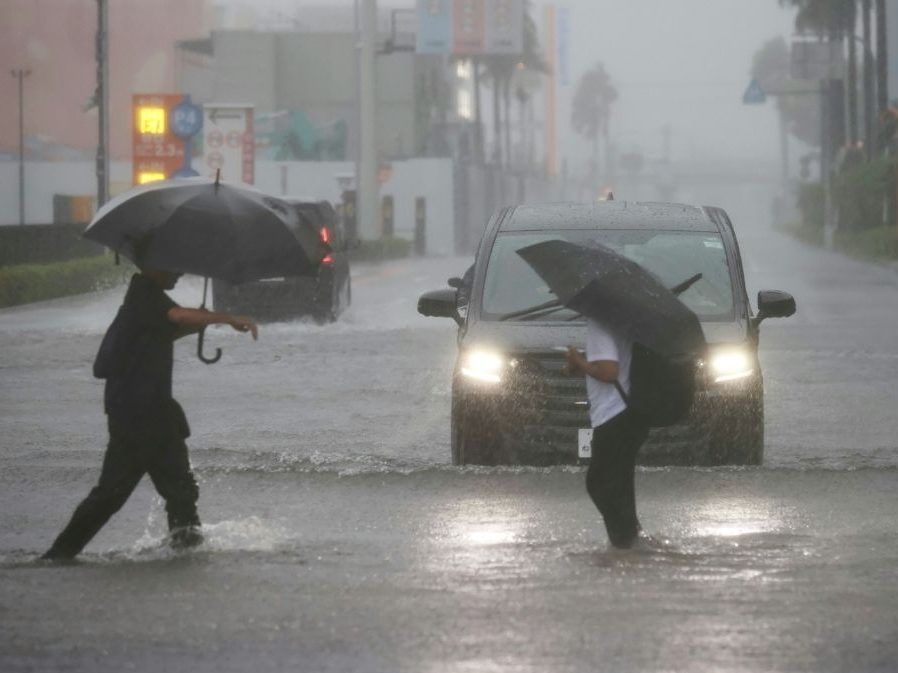
He argues the $25.5 million generated from the levy annually would help the city maintain infrastructure like roads and bridges as well as lessening the impact of extreme weather like the torrential downpours like the city experienced on Canada Day.
Article content
The increase would keep property tax increases predictable and affordable, he argued.
Article content
Housing plan, unveiled Sept. 17:
Article content
On Sept. 17, Leiper and his campaign supporters stood in front of Beaver Barracks — a mixed-income housing complex — in Centretown as he traced the steps he would take to build more homes and make housing affordable in Ottawa.
Article content
Article content
If elected mayor, Leiper promises to build 1,500 affordable homes every year.
Article content
He also pledges to create a municipal acquisition fund to prevent the erosion of affordable housing in Ottawa. A municipal acquisition fund is a dedicated pool of money the city uses to purchase existing at-risk rental buildings. Leiper says the fund is important because it would prevent homes from being sold off to developers for parking lots or luxury condos and would help non-profits or co-operative housing providers buy those buildings instead.
Article content
Leiper’s plan also includes a crackdown bad-faith landlords, who he says will be held accountable, and preventing renovictions.
Article content
Leiper said Beaver Barracks offered a model of mixed-income and subsidized housing would work.
Article content
Alex Lawson
Article content
Garbage plan, unveiled Sept. 10:
Article content
Lawson promises that, in his first 100 days in office, he would bring back the six-item garbage limit, scrapping the current three-item limit, which has been in place sine 2024.
Article content
He says the decision was made by council in June 2023 because the city’s only landfill was running out of room. But now that the city purchased a landfill with a price tag of $95 million in January 2026, he says the limit should be restored to what it was before 2024.



















 Bengali (BD) ·
  English (US) ·