.png)
 20 hours ago
11
20 hours ago
11
Article content
It’s not often that Switzerland gets to boast a key moment in a matter of international interest.

THIS CONTENT IS RESERVED FOR SUBSCRIBERS
Enjoy the latest local, national and international news.
- Exclusive articles by Conrad Black, Barbara Kay and others. Plus, special edition NP Platformed and First Reading newsletters and virtual events.
- Unlimited online access to National Post.
- National Post ePaper, an electronic replica of the print edition to view on any device, share and comment on.
- Daily puzzles including the New York Times Crossword.
- Support local journalism.
SUBSCRIBE FOR MORE ARTICLES
Enjoy the latest local, national and international news.
- Exclusive articles by Conrad Black, Barbara Kay and others. Plus, special edition NP Platformed and First Reading newsletters and virtual events.
- Unlimited online access to National Post.
- National Post ePaper, an electronic replica of the print edition to view on any device, share and comment on.
- Daily puzzles including the New York Times Crossword.
- Support local journalism.
REGISTER / SIGN IN TO UNLOCK MORE ARTICLES
Create an account or sign in to continue with your reading experience.
- Access articles from across Canada with one account.
- Share your thoughts and join the conversation in the comments.
- Enjoy additional articles per month.
- Get email updates from your favourite authors.
THIS ARTICLE IS FREE TO READ REGISTER TO UNLOCK.
Create an account or sign in to continue with your reading experience.
- Access articles from across Canada with one account
- Share your thoughts and join the conversation in the comments
- Enjoy additional articles per month
- Get email updates from your favourite authors
Sign In or Create an Account
or
Article content
It’s a quiet place, Switzerland. Nine million people, no wars, lots of banks, great skiing. Not drawing attention to itself is a national habit.
Article content
Article content
Every once in a while news leaks out, though, as it did this month when Swiss voters rejected a proposal to place a cap on population. The plan would have set a maximum limit of 10 million people between now and 2050. If somehow a few extra births took place, or an immigrant-too-many was admitted, the country would end its freedom of movement arrangement with the European Union.
Article content
Article content
If that sounds self-defeating — cutting off 450 million people because you somehow acquire a few too many of your own — you would be among the 55 per cent who voted to reject the scheme.
Article content
By signing up you consent to receive the above newsletter from Postmedia Network Inc.
Article content
So good on you. Nonetheless, the fact it came to a vote is unhappily reflective of the degree to which immigration has become a global dilemma, and the extent to which wealthier, more democratic powers have overwhelmingly buggered up their handling of it.
Article content
Switzerland has always valued its privacy. Officially neutral for more than 200 years, it’s careful about who it accepts and how. It’s held numerous referenda related in one way or another to immigration, usually rejecting the more extreme among them. What’s notable about this latest is that it wasn’t targeted at illegal migrants, the usual headache of western powers, but any sort of migrant at all. The fact that Swiss migrants overwhelmingly come from its closest neighbours — EU countries dominate the mix — rather than people fleeing broken, impoverished, war-torn nations, indicates that in Swiss eyes one migrant is like another, and none of them is automatically welcome.
Article content
Article content
Switzerland’s mulling of a population cap is mild by global standards. In Northern Ireland a knife attack involving a Sudanese refugee resulted in three nights of rioting, anti-immigrant demonstrations and extensive property damage. Masked gangs roamed the streets and kicked in doors amid burning homes and vehicles. Police called it “racist thuggery,” reportedly organized quickly and efficiently on social media.
Article content
Article content
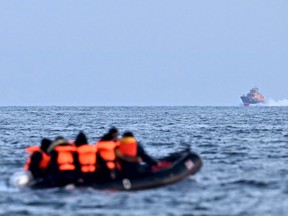
Public anger at immigration policies has been a leading factor in the United Kingdom’s decade of collapsing governments and adjacent rise of nativist animosity. Six prime ministers over 10 years -and soon the be a seventh after Keir Starmer’s resignation announcement Monday — amid failing public services and internecine party warfare has boosted the fortunes of the once-fringe Reform party, which both feeds on and fuels anti-immigrant sentiment, riding public discontent to a healthy lead in the polls.
Article content
The Conservative and Labour parties, faced with the collapse of their shared century-long dominion over power, now vie to show they too can take a harsh hand to newcomers. Before their 2024 demise, the Conservatives’ signature remedy was a plan to ship illegals to Rwanda by air, paying heavily for the privilege, in the hopes that or some other country would then grant them a new refuge.


















/https%3A%2F%2Fsportsmole-media-prod.s3.gra.io.cloud.ovh.net%2Fuploads%2F2026%2F05%2Fscheffler-6a034d9fca412032057779.jpg)
/https%3A%2F%2Fsportsmole-media-prod.s3.gra.io.cloud.ovh.net%2Fuploads%2F2026%2F06%2Ficonsport-111147-0089-1-6a27d006a81d1227497324.jpg)
/https%3A%2F%2Fsportsmole-media-prod.s3.gra.io.cloud.ovh.net%2Fuploads%2F2026%2F06%2Fimago-xinhua-nestory-irankunda-celebrates-scoring-for-australia-in-the-world-cup-on-june-14-2026-6a2f348854d1b663111439.jpg)
 Bengali (BD) ·
  English (US) ·